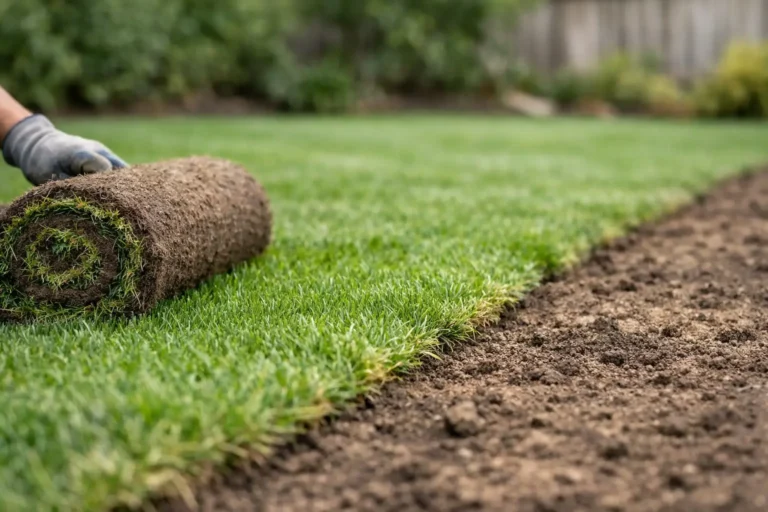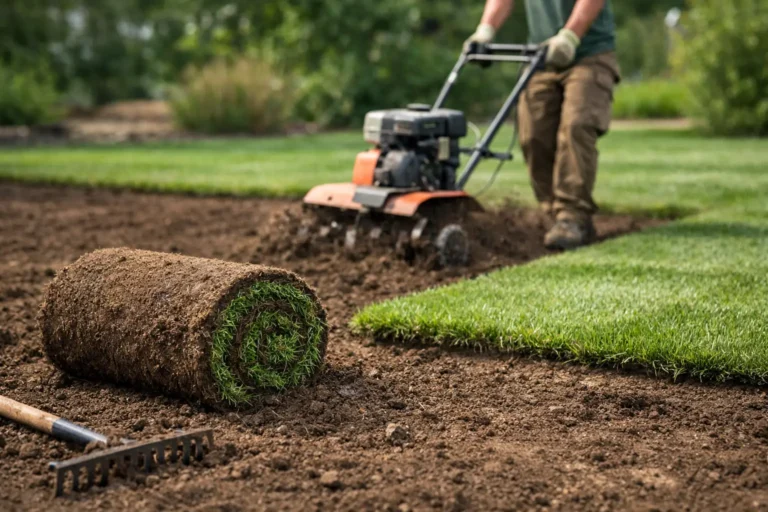

A new lawn can go from fresh green to patchy brown fast, and that usually sends homeowners straight into panic mode. If you’re asking why is my new sod turning brown, the answer is usually one of two things: normal transplant stress, or a problem with water, soil contact, heat, or installation timing. The good news is that brown new sod is not always dead, but the fix depends on catching the real cause early.
New sod is living grass that has been cut away from its original soil, stacked, delivered, and installed in a completely different environment. That is a lot of stress in a short period of time. Some color change is expected while the roots try to establish into the new soil below. But if the browning spreads quickly, feels crispy underfoot, or starts lifting at the seams, you are no longer looking at harmless stress alone.
Why is my new sod turning brown after installation?
The most common reason is inconsistent watering. New sod needs enough moisture to keep both the sod layer and the soil beneath it damp during the rooting stage. If only the surface is getting wet, the roots stay shallow and dry out fast. If the area is being flooded, the roots can struggle for oxygen and begin to rot. Both problems can lead to browning, and they often look similar from a distance.
Timing matters too. Sod installed during hot weather has a smaller margin for error. A lawn laid in spring or early fall usually establishes with less stress than a lawn installed during a stretch of intense summer heat. In Ontario, a week of hot sun, wind, and no steady watering can push fresh sod into decline very quickly.
Another common issue is poor contact between the sod and the prepared soil. If the ground was not graded properly, if there are air pockets underneath, or if the base is too compacted, the roots cannot knit into the soil the way they should. In that case, the sod may look green for a few days because it still holds moisture from the farm, then suddenly fade once that stored moisture is gone.
Brown sod is not always dead
This is the part many people get wrong. Brown does not automatically mean the lawn is finished. Sod can go dormant or show transplant shock before it recovers. The key is to check what the grass and soil are doing, not just the color.
If the blades are dry on top but the soil underneath is still moist and the sod is beginning to hold to the ground, there is a decent chance it can recover. If the sod shrinks, separates at the joints, feels brittle all the way through, and pulls up easily with no new white roots underneath, that is more serious.
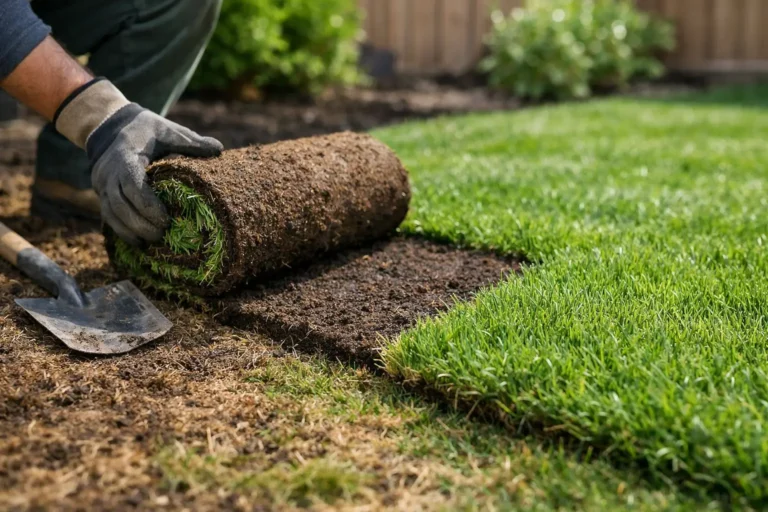
A simple check helps. Gently lift one corner of a piece. If you see fresh white roots starting to move into the soil below, the lawn is still trying to establish. If the underside is slimy, smells sour, or has no rooting after a reasonable period, the issue is probably deeper than normal stress.
The main reasons new sod turns brown
Watering mistakes are at the top of the list, but there are several causes that can overlap.
Too little water is the obvious one. New sod dries out much faster than an established lawn because its roots are not yet anchored into the deeper soil profile. Even one missed day in hot conditions can leave edges and high spots brown.
Too much water can be just as damaging. Constantly soaked soil limits oxygen, weakens roots, and creates disease pressure. Homeowners sometimes assume more water is always safer, but saturated sod can decline in a different way – soft, yellowing first, then brown.
Poor soil preparation is another major factor. Sod performs best when laid over properly loosened, graded soil with enough organic matter and the right growing conditions. If it is installed over compacted subsoil, construction debris, or uneven ground, rooting slows down and stress shows up in the grass.
Heat stress and sun exposure matter as well. Areas beside driveways, sidewalks, retaining walls, and south-facing sections often dry out faster than the rest of the lawn. Browning in these zones does not always mean the whole yard is failing. It may mean those spots need more targeted water management.
Sharp blades from a mower can also make a difference once the lawn is ready for its first cut. But mowing too early, mowing too low, or cutting dull and stressed grass can worsen browning. New sod should be rooted enough to resist lifting before that first mow happens.
Then there is disease and pest pressure, though it is less common right away than watering or prep issues. In some properties, grubs or fungal issues can show up underneath what looks like simple transplant stress. That is why ongoing browning in isolated sections should not be ignored.
What normal sod stress looks like
A little fading after installation is not unusual. The lawn may lose some of its deep farm-grown color as it adjusts to a new site. You might see light brown tips, mild yellowing, or slight dullness during the first week or two, especially if weather conditions are harsh.
Normal stress usually improves with proper watering and time. The lawn should not continue declining across the entire surface if conditions are right. It should begin to settle, root, and gradually regain a healthier look.
Patchy discoloration near seams can also happen early on, particularly if some sections are exposed to more air or sun than others. That does not automatically mean the install failed. What matters is whether the sod is rooting and stabilizing instead of drying backward day after day.
What a real problem looks like
When browning is getting worse instead of leveling out, treat it as a warning sign. Crispy edges, curling blades, shrinking strips, visible gaps between rolls, footprints that stay pressed into soggy areas, or sections that pull up with no resistance are all signs something needs attention.
Another red flag is uneven color that follows drainage patterns. Low spots that stay wet and high spots that burn out usually point to a grading or soil issue. This is where specialized sod installation matters. Good results are not just about laying grass down fast. They come from proper grading, solid soil preparation, and knowing how the site will hold and move water.
How to fix brown new sod
Start with the soil, not the sprinkler timer. Lift a corner and check moisture below the sod. If the top is wet but the soil under it is dusty, your watering is too shallow. If everything is soaked and heavy for long stretches, you need less frequency or better drainage.
Water deeply enough to moisten the sod and the soil beneath it, especially during the establishment period. Early watering is usually best because it gives the lawn time to absorb moisture before the hottest part of the day. Midday watering can evaporate quickly, and late evening watering can leave the lawn damp too long overnight.
If certain areas are browning faster, do not assume the whole yard needs the same schedule. Corners near concrete, slopes, and exposed sections often need closer monitoring. New sod rarely behaves perfectly evenly across every square foot.
Avoid fertilizer unless you know it is appropriate for the stage of establishment and the condition of the lawn. Too much fertilizer too early can add stress instead of solving it. The same goes for herbicides and unnecessary treatments.
Stay off the lawn as much as possible while it roots. Foot traffic can break soil contact and create extra stress in areas that are already struggling.
When installation quality is the real issue
Sometimes homeowners do everything right after the install and still end up with brown sod. That can happen when the base was not prepared properly, the sod sat too long before being laid, the grading was off, or the lawn was installed over poor underlying conditions left behind after construction.
This is especially common on newer properties where the topsoil is thin, compacted, or mixed with debris. Fresh sod may look great on day one because it comes in healthy, but it can only perform as well as the surface under it allows. If the lawn was never given the right base, watering alone will not fix the problem.
That is why a dedicated sod specialist tends to get better long-term results than a general crew treating sod as the final cosmetic step. The visible grass matters, but the unseen prep work is usually what decides whether that green lawn stays green.
When to wait and when to call for help
If your new sod has minor discoloration but the soil moisture is right and roots are starting to form, give it a little time. New lawns do not always look perfect immediately. Recovery can happen surprisingly well when the basics are handled properly.
If large areas are turning brown fast, if the sod is separating or not rooting, or if the problem lines up with drainage and grading issues, it is worth getting a professional opinion. Waiting too long can turn a manageable correction into a full replacement.
For homeowners in Kitchener, Waterloo, or Cambridge dealing with a lawn that is slipping the wrong direction, a proper site check can usually tell the difference between temporary transplant shock and a more expensive underlying issue. That kind of clarity matters when you are trying to protect both curb appeal and the money you already put into the project.
A new lawn should settle in, not leave you guessing. If the color is fading, the best next step is not to panic or drown it – it is to read the signs early and fix the cause before brown turns permanent.