

If sod fails, the problem usually starts below the grass. Good-looking rolls can only do so much when they are laid over compacted clay, buried construction debris, low spots, or thin topsoil. That is why soil preparation for sod matters so much. It is the part of the job that decides whether your lawn roots quickly, drains properly, and holds up through heat, rain, and regular use.
A lot of homeowners focus on the sod itself, which makes sense. Fresh sod gives you an instant lawn. But the real performance comes from what is underneath it. If the base is wrong, you can end up with soft spots, standing water, weak rooting, or sections that dry out faster than the rest. Fixing those issues after installation is harder and more expensive than preparing the soil properly from the start.
Why soil preparation for sod makes or breaks the lawn
Sod is not just a surface layer. It needs direct contact with loose, healthy soil so the roots can grow down and anchor fast. When the ground is compacted or uneven, that contact is inconsistent. Some areas root well, while others struggle. The result is a lawn that looks patchy, feels uneven underfoot, or starts separating at the seams.
Drainage is the other big issue. In Ontario yards, especially around newer builds, soil often gets compacted by machinery. That can leave the ground hard as concrete a few inches down. Water then sits near the surface instead of moving through the profile. Sod does not like to stay waterlogged, and roots need oxygen just as much as they need moisture.
This is where proper prep pays off. A graded, loosened, well-finished base gives the sod a fair shot at establishing evenly. It also improves mowing quality, surface appearance, and long-term durability.
Start with the site you actually have
Every lawn has different conditions, and that changes how aggressive the prep needs to be. A new build lot with subsoil and stones is not the same as an older lawn being replaced after grub damage. One may need full grading and imported topsoil. The other may only need removal, cultivation, and surface correction.
That is why a one-size-fits-all approach does not work. If the yard already has a decent grade and usable soil, the prep can be more focused. If there are drainage issues, high traffic compaction, or years of neglected lawn buildup, deeper correction is usually the better move.
Before any sod goes down, the site should be checked for slope, low areas, hardpan, weeds, debris, and existing turf condition. It is also worth identifying practical constraints like fence gates, utility locations, and elevation around patios, driveways, and walkways. Those details affect the final grade and how clean the finished lawn will look.
Remove what should not stay
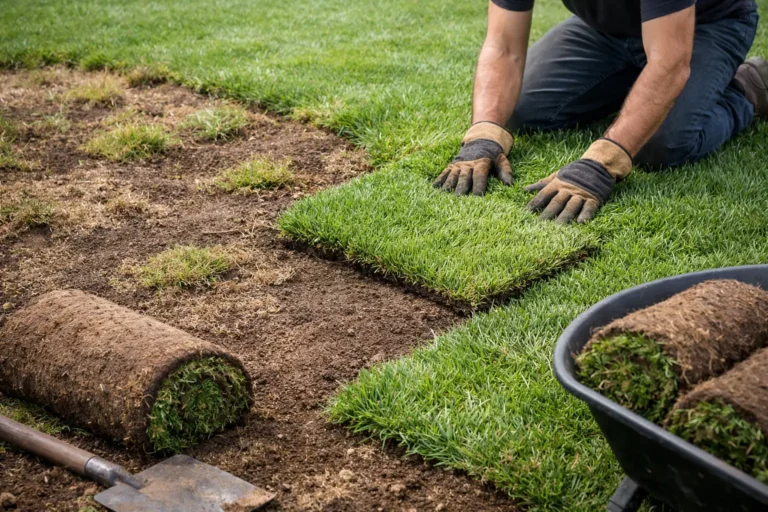
Laying sod over old grass, weeds, roots, or construction waste is asking for trouble. The base needs to be clean. That often means stripping out dead turf, removing stones, clearing scraps left behind from construction, and getting rid of anything that blocks good root-to-soil contact.
This step gets skipped more often than it should, especially on rushed jobs. But buried material creates uneven settling and weak spots. Even small chunks of old sod can interfere with rooting if they dry out and form a barrier between the new sod and the soil below.
On replacement projects, complete tear-out is often the right call when the existing lawn is beyond repair. Spot repairs can work in smaller damaged sections, but if the whole yard has poor grade, weed pressure, or thin growth, partial fixes usually lead to mixed results.
Loosen the soil, do not just scratch the surface
One of the biggest mistakes in soil preparation for sod is shallow prep. Running a rake over the top inch is not enough if the soil below is compacted. In most cases, the ground should be loosened several inches deep so new roots can move down instead of sitting near the surface.
Tilling or mechanically cultivating the upper layer helps break compaction and blend the soil profile. The exact depth depends on the site, but the goal is simple: create a friable rooting zone with enough structure to hold moisture without staying saturated.
There is a trade-off here. Overworking wet soil can create clumps and make the finish rough. Tilling too aggressively on a steep slope can also increase erosion risk. The right approach depends on moisture conditions, soil type, and the shape of the yard. Good prep is not about doing more. It is about doing what the site needs.
Get the grade right before anything else
A lawn can be green and still be wrong. If water collects near the house, if low pockets stay soggy, or if the surface rolls and dips, the lawn will never perform as well as it should. Grade is not just cosmetic. It affects drainage, usability, and how the entire property handles runoff.
The finished soil should direct water away from structures and eliminate obvious birdbaths or depressions. It should also transition cleanly into hard surfaces without leaving the sod too high or too low. That matters around driveways, sidewalks, curbs, decks, and garden edges.
For many properties, especially in Kitchener, Waterloo, and Cambridge where clay-heavy soils are common, this is one of the most valuable parts of the job. A proper grade helps prevent standing water and gives the new sod a more stable start. If the lawn has major drainage problems, simple surface prep may not be enough. In those cases, more involved correction may be needed before installation.
Topsoil depth matters more than most people think
Sod needs enough quality soil beneath it to root properly. If the existing base is thin, heavily compacted, or mostly poor subsoil, adding topsoil is not an upsell. It is part of building a lawn that lasts.
In many residential projects, a few inches of quality topsoil can make a major difference in root development and moisture balance. Too little, and the sod may establish unevenly. Too much, and the grade can end up too high against fixed surfaces. The right depth depends on what is already there and how the yard needs to finish.
Not all topsoil is equal, either. Soil that is full of sticks, stones, or inconsistent material creates problems right away. Good sod work depends on a clean, workable soil base that can be graded smooth and support healthy rooting.
Final prep is where craftsmanship shows
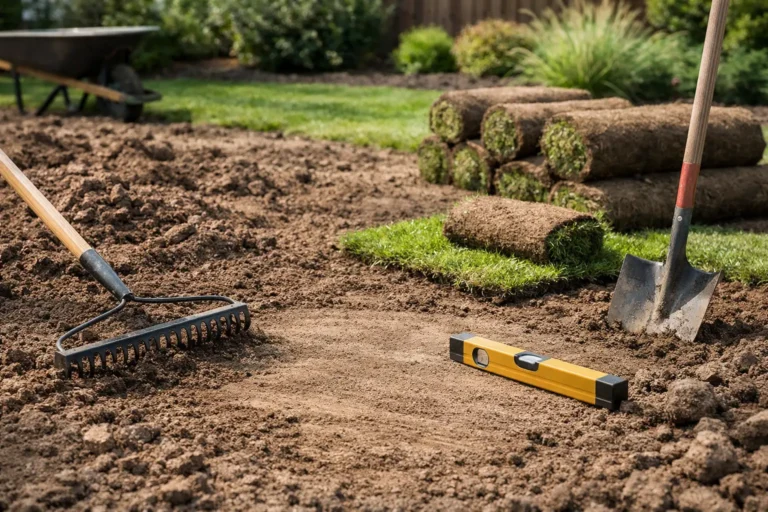
Once the soil is clean, loose, and properly graded, the surface still needs finishing. This is the step that creates the smooth seedbed-like layer the sod will sit on. It should be firm enough to walk on without sinking, but not so hard that roots struggle to penetrate.
A careful final rake removes small stones, levels minor imperfections, and creates even contact across the whole yard. This is also the stage where starter fertilizer may be applied, depending on the soil condition and installation plan. The goal is not to make the ground look fluffy. The goal is to create a consistent, stable surface that supports fast rooting.
Good finish work also makes the lawn look better on day one. Tight seams, even elevation, and a smooth visual plane all start with this part of the prep.
What homeowners often underestimate
Time is one issue. Soil prep can take longer than people expect, especially if the yard has access challenges, heavy compaction, or years of neglected grade problems. But rushing this stage rarely saves money in the long run.
Moisture is another factor. Prep done in overly wet conditions can smear and compact the soil instead of improving it. Prep done in very dry, hard ground can leave clods and uneven texture if it is not handled properly. Weather matters, and so does knowing when to push forward and when to wait.
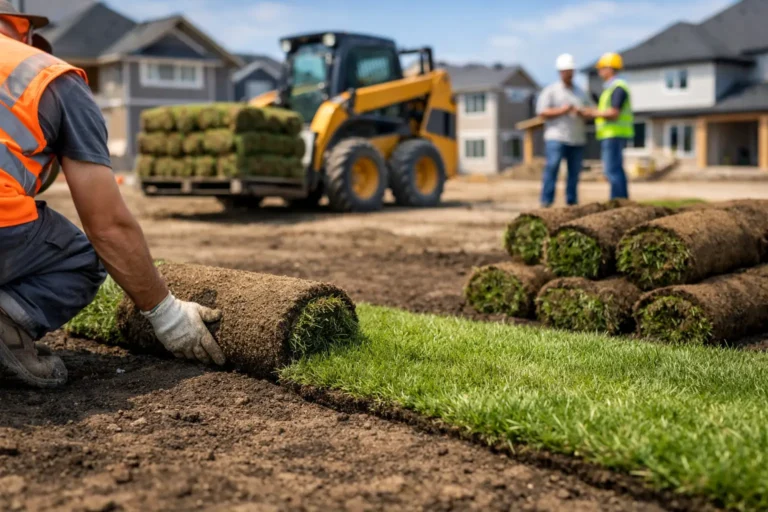
The last thing people underestimate is how specialized this work really is. Sod installation looks simple from the street. The prep underneath it is where experience shows. A dedicated sod contractor is usually thinking about root contact, final elevations, drainage flow, and the first few weeks of establishment before the sod even arrives.
After prep, installation and watering still matter
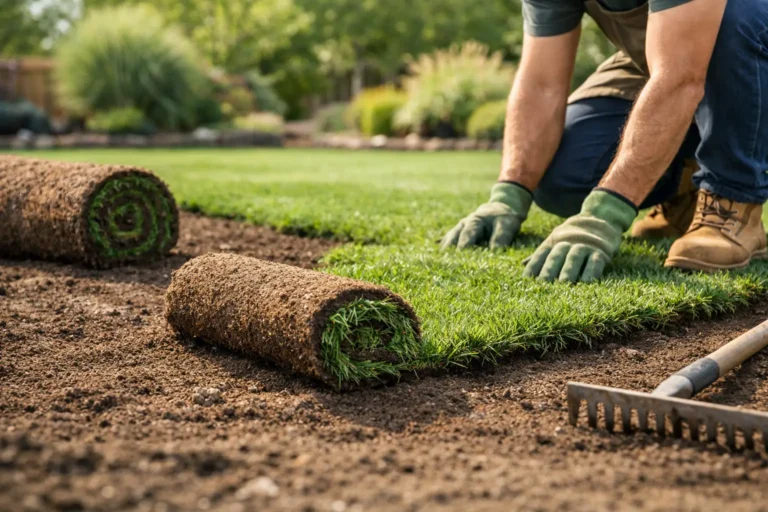
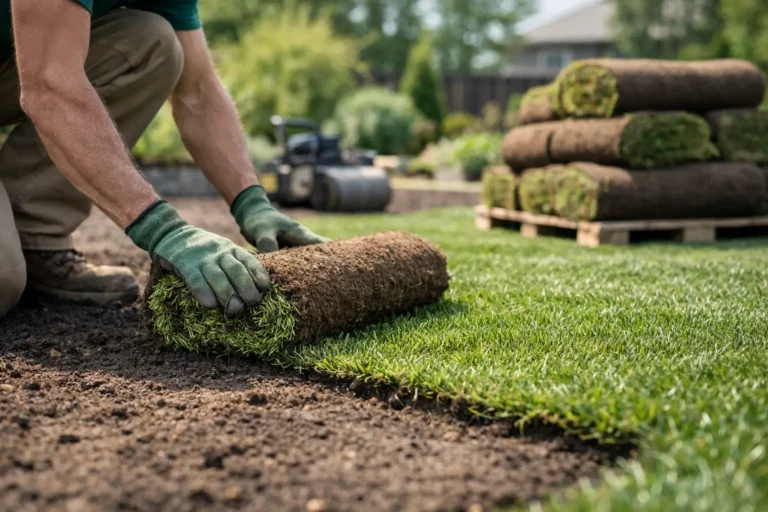
Even the best base can be undermined by poor follow-through. Sod should be installed promptly after prep so the surface stays clean and true. Once laid, it needs immediate watering to keep the sod and the upper soil zone moist enough for rooting.
This is where prep and aftercare connect. If the soil was properly prepared, watering is more effective, root establishment is more uniform, and the lawn has a better chance of taking off without weak sections. If the prep was poor, watering often becomes a constant struggle because the base is working against the sod instead of supporting it.
A premium lawn is not created by sod alone. It comes from the combination of proper grading, quality soil, careful installation, and the right early maintenance. That is the difference between a lawn that only looks good for a week and one that settles in, roots down, and stays strong.
If you want your new lawn to last, start by taking the ground seriously. Soil preparation for sod is not the extra step. It is the job.
15 Comments