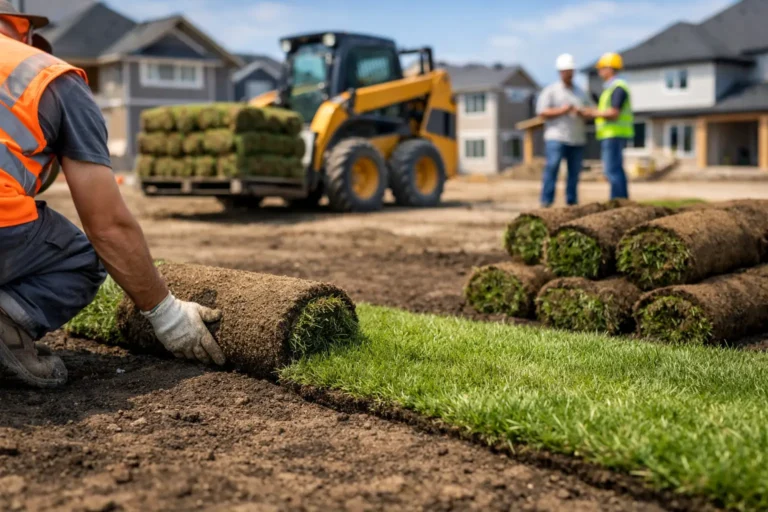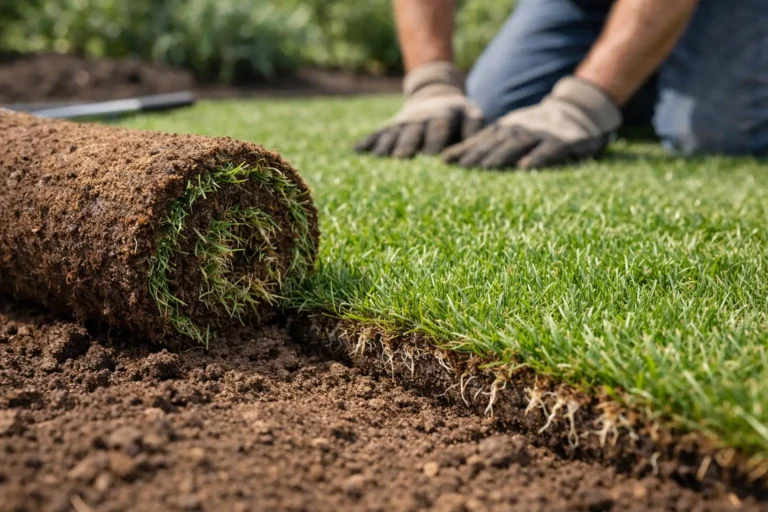

A lawn can look finished in a day and fail within weeks. That usually comes down to what happened before the sod hit the ground. Premium sod installation is not just about rolling out fresh grass. It is about grading, soil preparation, drainage, timing, and making sure the new lawn can actually root and last.
For homeowners, builders, and property managers, that difference matters. A quick cosmetic fix may look good for move-in day, but if the base is uneven, compacted, or poorly drained, the lawn will struggle almost immediately. When the goal is a clean, healthy, durable lawn, the prep work is what separates a short-term result from a proper one.
What premium sod installation really means
The word premium gets overused, but in sod work it should mean something specific. It should mean high-quality, farm-fresh sod, yes, but that is only one part of the job. It also means the installation is handled by a crew that understands how to prepare the site so the sod can establish quickly and evenly.
That includes removing failing turf when needed, correcting rough grade, improving the soil base, and addressing drainage before installation starts. It also means tight seams, clean cuts, proper rolling, and a watering plan that matches the season. If any of those steps are skipped, even excellent sod can underperform.
A dedicated sod specialist will usually catch issues a general landscaper may treat as minor. Low spots, runoff paths, shallow topsoil, and post-construction compaction are common examples. They do not always show up in a quote photo, but they show up later in the lawn.
Why prep matters more than the grass itself
Good sod gives you immediate coverage. Good preparation gives you a lawn that survives the first month, the first winter, and the stress that comes after that.
In many new builds and lawn replacement projects, the existing soil is the real problem. Construction traffic compacts the ground. Subsoil gets left too close to the surface. Grade can slope the wrong way, or water can collect in one corner after every rain. Laying sod over those conditions is like putting flooring over an uneven subfloor. It may look finished, but the problem is still underneath.
Premium sod installation should start with an honest look at the site. Does the old lawn need a full tear-out, or can the area be repaired? Is the grade functional, or does it need to be reshaped? Is there enough quality soil to support new root growth? The right answer depends on the property.
There is a trade-off here. Some customers want the fastest possible install at the lowest possible price. Others want the lawn done once and done properly. Those goals do not always line up. If a property has drainage or grading issues, the cheapest route is rarely the most cost-effective route over time.
When a full lawn replacement is the better move
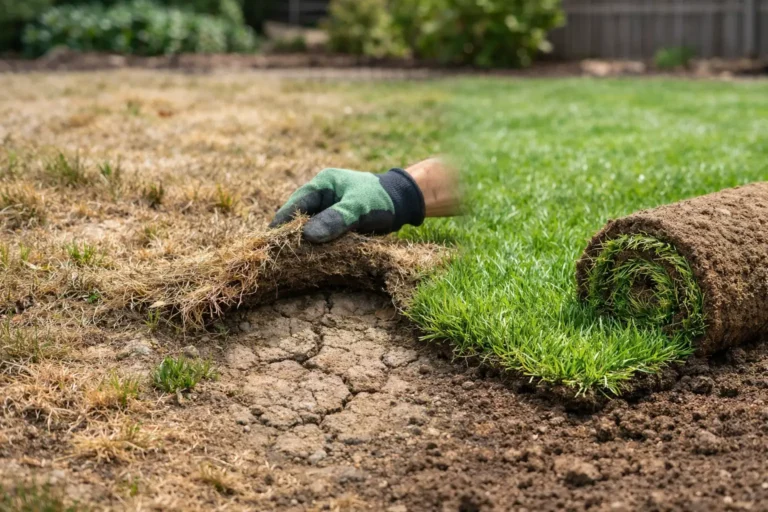
Spot repairs work in some situations. If the damage is isolated and the rest of the lawn is healthy, targeted sod replacement can make sense. But if the lawn has widespread grub damage, heavy thinning, severe unevenness, or years of poor soil conditions, patching tends to become a cycle.
A full replacement gives the crew a chance to reset the lawn properly. Old turf can be removed, the base can be regraded, fresh soil can be added where needed, and the new sod can be installed across a consistent surface. The result is better visually, but more importantly, it performs better.
This is especially true after major renovation work or on newly built homes where the yard was never truly finished in the first place. A clean install over a properly prepared base creates a much more predictable result than trying to rescue a lawn that was set up to fail.
Premium sod installation and Ontario conditions
Lawns in Ontario deal with a specific mix of challenges: freeze-thaw cycles, heavy spring moisture, summer heat, clay-heavy soils in some areas, and varied drainage across subdivisions and older properties. That means installation methods need to match local conditions, not just general lawn advice.
For example, watering a new lawn is essential, but overwatering a poorly drained site can create just as many issues as underwatering. Sod also roots differently depending on temperature, rainfall, sun exposure, and soil condition. A shaded backyard with dense soil needs a different level of attention than a sunny front lawn with better drainage.
That local understanding is a big part of what makes premium work worth it. In places like Kitchener, Waterloo, and Cambridge, a crew that installs sod regularly in the region will usually know what to watch for before the first roll is laid.
What a strong installation process looks like
A good process is straightforward, but it has to be thorough. The first step is assessing the site properly. That means measuring the area, checking access, reviewing slope, and identifying any signs of drainage, compaction, or pest damage.
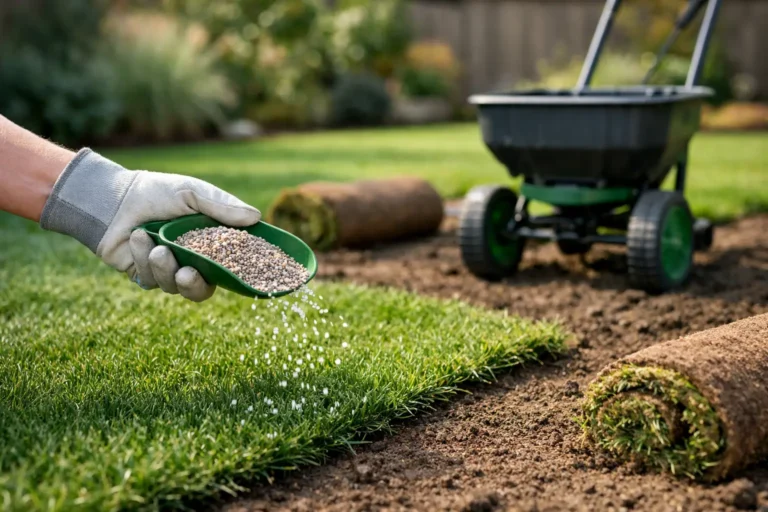
From there, the ground has to be prepared. Depending on the project, that may involve removing old grass, loosening compacted soil, adding or leveling topsoil, and creating the right final grade. This is where many lawn problems are either solved or ignored.
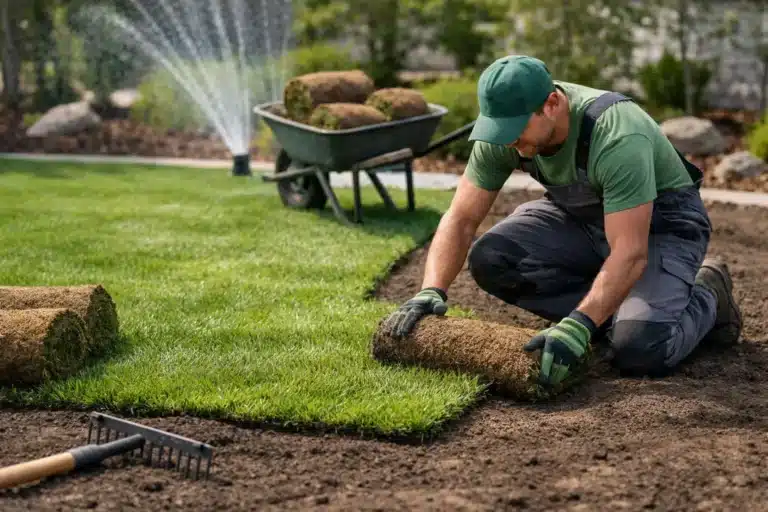
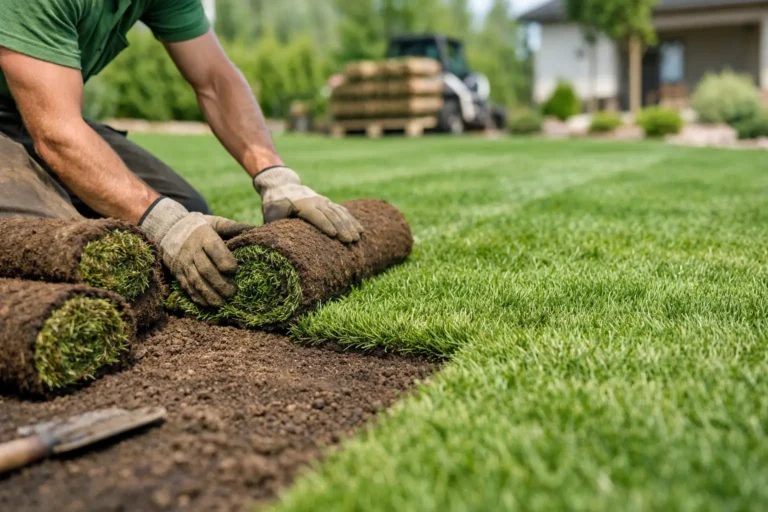
Once the base is ready, the sod should be installed quickly and cleanly. Fresh sod should not sit around longer than necessary. Seams should be tight, edges should be trimmed properly, and the lawn should be rolled to improve contact between the sod and the soil underneath.
After that, the handoff matters. A homeowner or property manager should know exactly how to water the lawn, when to stay off it, when to mow, and what signs of stress to watch for. A professional job does not stop at installation day.
Who benefits most from premium sod installation
The obvious answer is anyone who wants a better-looking lawn fast. But the real value is strongest for people who do not have time for trial and error.
Homeowners benefit because they get immediate curb appeal and a more reliable result than seeding. New buyers benefit because they can finish a bare or damaged yard without waiting through a full growing cycle. Renovators benefit because they can complete the exterior with the same clean finish they expect inside.
Builders and commercial property managers also gain something important: predictability. Deadlines matter, visual standards matter, and call-backs cost time. A specialized sod crew can usually move faster and more accurately than a general contractor treating lawn work as one item on a longer list.
The cost question – and what drives it
Customers usually want a simple number, but sod pricing depends on the condition of the site. The square footage matters, of course, but preparation often has a bigger impact on cost than the sod itself.
A flat, accessible area with decent soil is one kind of project. A backyard with poor access, old turf removal, grade correction, and drainage concerns is another. Both may end with new sod, but they are not the same job.
That is why transparent estimating matters. A quote should make clear whether you are paying for basic coverage or for actual problem-solving. If the lawn needs more than a surface fix, that should be addressed upfront instead of becoming a surprise after the install or a disappointment after the first heavy rain.
How to tell if a contractor is selling quality or just speed
The fastest promise is not always the best one. A reliable sod specialist should ask questions about site conditions, explain what preparation is included, and be willing to say when a lawn needs more than a simple lay-and-go install.
Look for clear scope, realistic timelines, and direct advice. If a contractor avoids talking about grading, drainage, or soil condition, that is usually a red flag. The lawn may still look great on day one, but day thirty is a better test.
Right On Sod has built its work around that difference. Not just premium grass, but the kind of prep and installation that gives the lawn a better chance to thrive.
A new lawn should feel like progress, not another project waiting to happen. When the site is prepared properly and the sod is installed with care, the result is immediate, practical, and built to hold up long after the first green-up fades.