
A lawn usually tells you when patching is no longer worth it. You water more, fertilize more, reseed bare spots, and still end up staring at thin grass, weeds, mud, or damage that keeps coming back. This residential lawn replacement guide is for homeowners who are tired of temporary fixes and want a lawn that looks better fast and holds up over time.
For most properties, the real issue is not just the grass on top. It is what is happening underneath – compacted soil, poor grading, grub damage, weak root zones, or construction debris left behind after a build. Replacing a lawn properly means solving those problems before fresh sod goes down. That is what separates a quick cosmetic change from a lawn that actually establishes and stays healthy.
When full lawn replacement makes more sense
There are situations where repair is still reasonable. If you have a few isolated dead spots, light pet damage, or small areas thinned out by shade, targeted repair can be enough. But once the lawn has widespread decline, patching often becomes more expensive and frustrating than starting over.
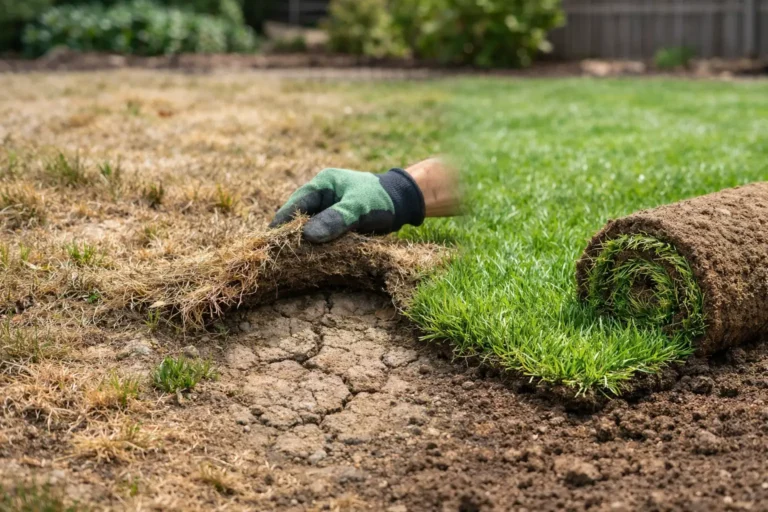
A full replacement is usually the better call when more than a third of the lawn is failing, when weeds have taken over, when drainage leaves standing water, or when grubs have caused broad damage across the root zone. It also makes sense after major construction, new home completion, or backyard projects that leave the yard torn up and uneven.
Many homeowners wait too long because they assume replacement is excessive. In reality, if the base is wrong, adding seed or fertilizer on top will not fix it. New sod over bad prep will struggle too. The smart move is to address the full system once and do it right.
What a proper residential lawn replacement guide should include
A good residential lawn replacement guide starts with the part most people do not see. The visible result matters, but the process below the surface is what determines whether the lawn roots in evenly and drains the way it should.
The first step is evaluating the existing lawn and soil conditions. That means looking at slope, low spots, water flow, sun exposure, soil compaction, pest history, and the amount of organic material or debris in the ground. If your property has had repeated lawn issues, there is usually a pattern behind them.
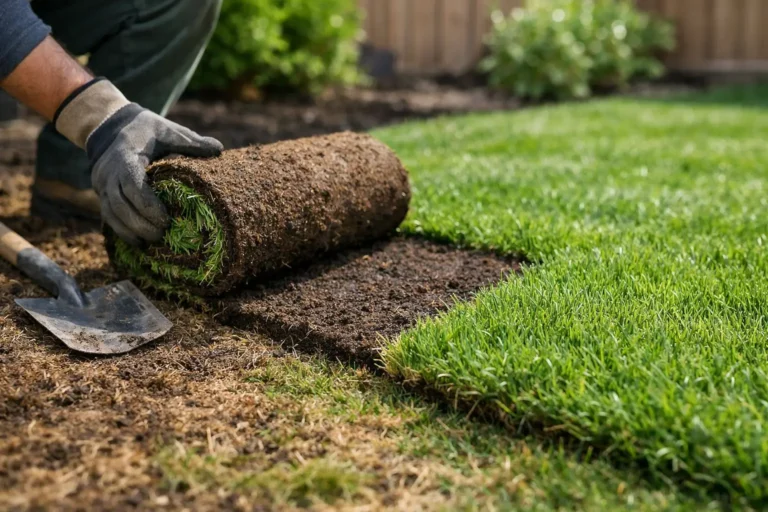
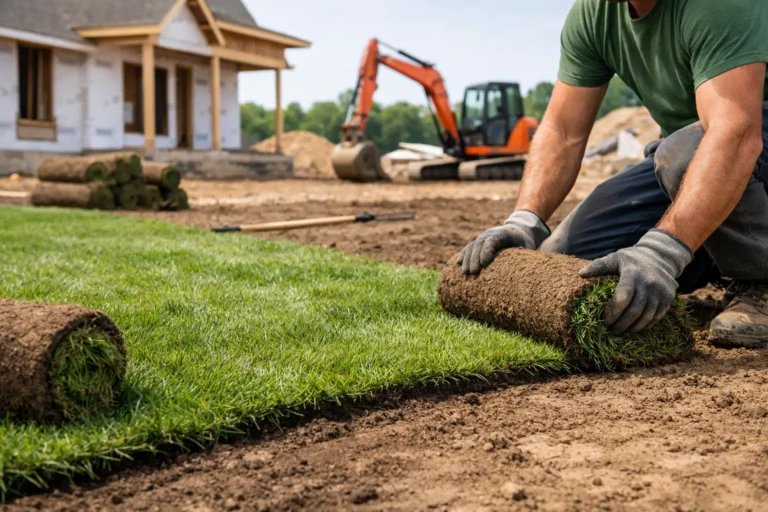
Next comes tear-out. The old lawn, weeds, and damaged root layer need to be removed cleanly. On some properties, that also means getting rid of stones, builder scraps, and shallow rubble that block root growth. Skipping this step can leave you with a fresh-looking lawn that declines quickly once the roots hit poor material underneath.
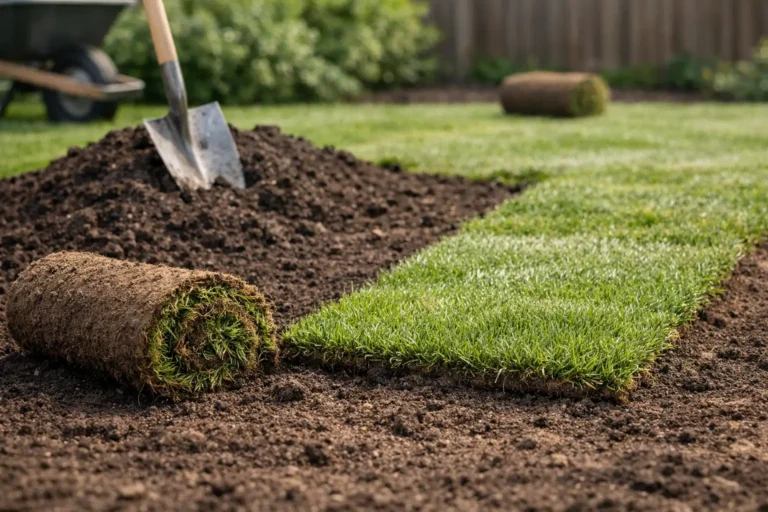
Then comes grading and soil preparation. This is where a lawn replacement job is won or lost. The surface needs to be shaped for proper runoff without creating a slope that causes erosion or makes mowing awkward. Soil needs to be loosened and leveled so the sod sits tight to the ground and roots can establish quickly. In Ontario conditions, this matters even more because freeze-thaw cycles and spring moisture can expose every prep shortcut.
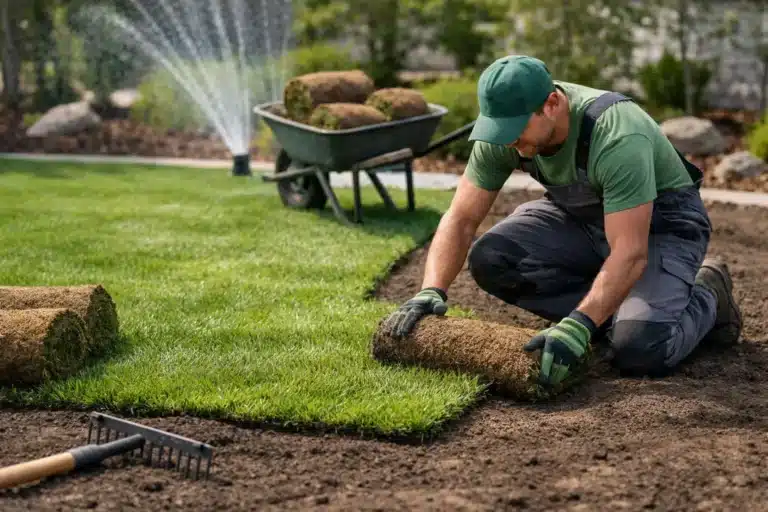
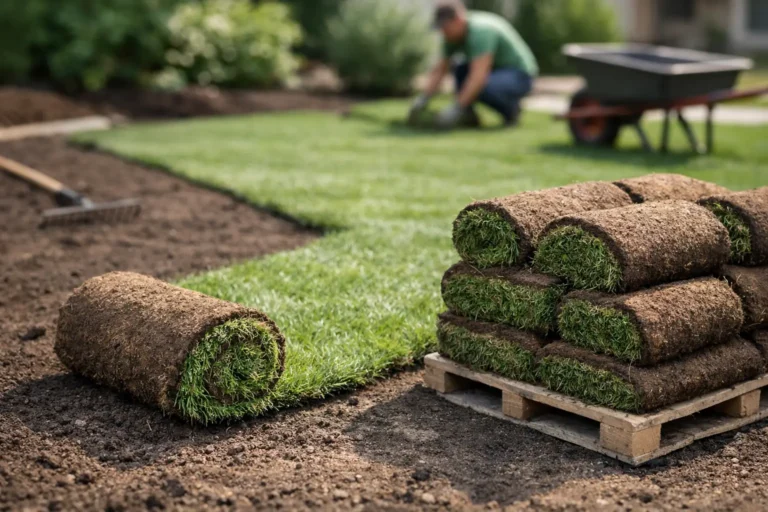
Once the base is ready, fresh sod is installed tightly and consistently, then rolled and watered to encourage root contact. Good installation is fast, but it is not rushed. There is a difference.
Why grading and soil prep matter more than most homeowners think
A lot of lawn problems get blamed on bad luck or bad weather. Sometimes weather is part of it, but poor prep is the bigger issue more often than people realize.
If the grade is uneven, water collects in low areas and drowns roots. If the soil is compacted, roots stay shallow and the lawn dries out faster in hot weather. If the top layer is thin or poor quality, sod may green up at first and then stall once the initial moisture is gone.
This is why lawn replacement should not be treated like simply rolling out grass. Premium sod matters, but even premium sod can fail on a weak base. A dedicated sod specialist looks at drainage, soil structure, and root conditions first because that is what gives you a lawn that holds its color and density beyond the first few weeks.
Timing matters, but so does the plan
Homeowners often ask for the best time to replace a lawn. The honest answer is that it depends on the site and how prepared you are to water it properly afterward.
Spring and fall are usually the easiest seasons for establishment because temperatures are milder and moisture conditions are more forgiving. Summer installation can still work well, but it needs tighter watering discipline and quicker response if heat stress shows up. If your property has major grading or drainage issues, it is better to solve them at the right time than keep waiting for a so-called perfect season while the lawn continues to decline.
The bigger point is planning. Sod is a fast transformation, but it still needs the right prep, install window, and aftercare. If those pieces line up, the lawn can establish quickly and start looking finished right away.
What to expect during the replacement process
Most homeowners want to know how disruptive the job will be. A professional lawn replacement is straightforward when the crew has a clear process.
First, the site is assessed and measured so the scope, material needs, and grade changes are clear. Then the old lawn is removed and the base is corrected. After that, new soil is added or adjusted as needed, the area is leveled, and the sod is installed. Final rolling and cleanup leave the property looking complete rather than halfway done.
The timeline depends on the size of the lawn and the condition of the site. A relatively standard front or backyard can move quickly. A yard with drainage corrections, heavy compaction, grub damage, or post-construction mess will take more prep. That extra prep is not wasted time – it is what protects the finished result.
Cost questions homeowners should ask
Price matters, but asking only for the cheapest number usually leads to disappointment. Two lawn replacement quotes can look similar on paper while including very different levels of prep.
Ask what is included in tear-out, grading, soil preparation, and cleanup. Ask whether debris removal is part of the job. Ask what kind of sod is being installed and how fresh it is. Ask how low spots, drainage concerns, and rooting conditions will be handled.
That is where transparent estimating helps. A fair quote should show you what is actually being done to produce a durable lawn, not just a quick green surface. If a bid feels unusually low, there is often a reason.
Aftercare is simple, but it is not optional
Fresh sod gives immediate curb appeal, but the first few weeks still matter. Watering needs to be consistent enough to keep the sod and root zone moist while roots knit into the soil below. Too little water causes shrinkage and stress. Too much can create soft ground and shallow rooting. The right schedule depends on weather, soil, and sun exposure.
You also want to stay off the lawn as much as possible early on, especially with kids, pets, or repeated foot traffic. Mowing should wait until the sod has started to anchor and the grass height justifies a proper cut. Fertilization and pest control should follow a sensible plan based on the condition of the site, not guesswork.
This is another reason many homeowners prefer a specialist. You are not just buying sod. You are getting a process and clear direction on how to protect the investment after installation.
Choosing the right contractor for lawn replacement
If you are comparing companies, look for one that treats lawn replacement as a specialized service, not a side offering. The key signs are strong attention to grading, soil prep, realistic timelines, and clear communication about what your property actually needs.
You also want responsiveness. When a homeowner is dealing with a dead lawn, grub damage, or a rough new-build lot, they usually do not want weeks of vague back-and-forth. They want a straight answer, a clear scope, and a finished result that improves the property quickly.
That is why many homeowners in Kitchener, Waterloo, and Cambridge choose a dedicated sod company instead of a general landscaper. The work is more focused, the prep is usually better, and the result tends to show it.
A new lawn should not feel like a gamble. If the site is assessed properly, the base is prepared right, and the sod is installed with care, the change is immediate and the long-term payoff is real. If your yard has reached the point where repair keeps failing, replacing it the right way is often the fastest path back to a lawn you are proud to look at every day.