

If you lay fresh sod over hard, tired, or poorly graded ground, the lawn may look great for a week and struggle for months. That is why homeowners keep asking, does new sod need topsoil? The honest answer is yes, in most cases – but not always in the way people think.
New sod needs good soil under it so roots can grab fast, hold moisture, and grow deep enough to survive summer heat. Sometimes that means adding screened topsoil. Sometimes it means improving or regrading the soil you already have. The goal is not simply to put down a layer of dirt. The goal is to create the right base for sod to root properly.
Does new sod need topsoil before installation?
Usually, yes. Most new sod installations benefit from at least a modest layer of quality topsoil, especially on new builds, compacted yards, and properties with poor drainage or construction debris left near the surface.
A lot of lawns fail because the ground below the sod was never truly prepared. Builders often leave behind subsoil, clay-heavy fill, rocks, and compacted earth. Sod can survive on that for a short time because it arrives green and healthy from the farm. But once the initial moisture fades, the roots need somewhere to go. If they hit hardpan, rubble, or nutrient-poor soil, the lawn stalls out.
That is why topsoil matters. It gives new sod a cleaner, looser, more root-friendly layer to establish in. It also helps with leveling, moisture retention, and overall consistency across the yard.
When topsoil is absolutely worth adding
There are situations where adding topsoil is less of an upgrade and more of a requirement. New construction is the biggest one. If your lot was recently built on, the existing grade may be rough, compacted, and low in organic material. Sod laid directly over that kind of surface rarely performs as well as sod installed over properly prepared soil.
Topsoil is also important when the yard has low spots, uneven drainage, shallow rooting from previous lawn failure, or visible signs of poor soil structure. If water ponds after rain or the surface bakes hard in dry weather, that is a warning sign that the base needs work before sod goes down.
In these cases, adding topsoil is not about making the lawn look better for installation day. It is about preventing callbacks, thin spots, and rooting issues later.
When new sod might not need added topsoil
There are a few exceptions. If the existing soil is already healthy, well-draining, properly graded, and free of compaction, you may not need to import much or any topsoil at all. That can happen on established properties where the lawn is being replaced after damage, but the base underneath is still in good condition.
Even then, the soil should still be loosened, cleaned up, and reworked before installation. Skipping topsoil does not mean skipping prep. A solid sod job still depends on grading, rake work, and creating direct contact between the sod and the soil below.
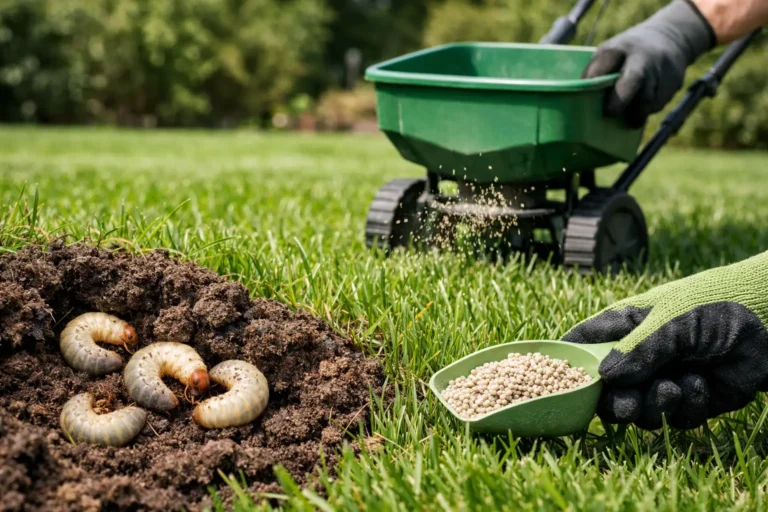
This is where experience matters. Many people assume all brown or patchy lawns need brand-new topsoil, when the real issue may be grubs, compaction, drainage, or an uneven base. Others assume they can save money by laying sod over whatever is there, only to pay more later when sections fail.
How much topsoil do you need under new sod?
For many residential projects, a couple of inches of quality topsoil is enough to create a better rooting layer and smooth out minor imperfections. On rougher sites, more may be needed to correct grade, improve drainage flow, or build up thin areas.
The right depth depends on what is already there. If the yard has decent soil and just needs a refreshed upper layer, a thinner application may work well. If the lot has been scraped down to poor subsoil or compacted by heavy equipment, a deeper rebuild is usually the smarter move.
What matters most is not chasing a one-size-fits-all number. It is making sure the final base is level, stable, and loose enough for roots to move through. Too little topsoil can leave the sod stressed. Too much, especially if it is not compacted and graded correctly, can create settling problems later.
Not all topsoil is good topsoil
This is the part many property owners do not hear until after the job is done. Topsoil quality varies a lot. Some blends are clean, screened, and consistent. Others are heavy, rocky, full of clumps, or loaded with weed seeds.
Bad topsoil can create its own problems. If it compacts too easily, drains poorly, or contains a lot of debris, the sod above it will not establish evenly. You may end up with spongy sections, low areas, or weak root development.
For sod installation, the best topsoil is typically screened and workable, with enough structure to hold moisture without staying saturated. It should support grading and root contact, not fight against it. This is one reason dedicated sod installers tend to get better long-term results than general contractors treating soil prep as an afterthought.
Soil prep matters as much as the sod itself
People naturally focus on the product they can see – the fresh green rolls of sod. But the hidden work below is what determines whether that lawn still looks good six weeks from now.
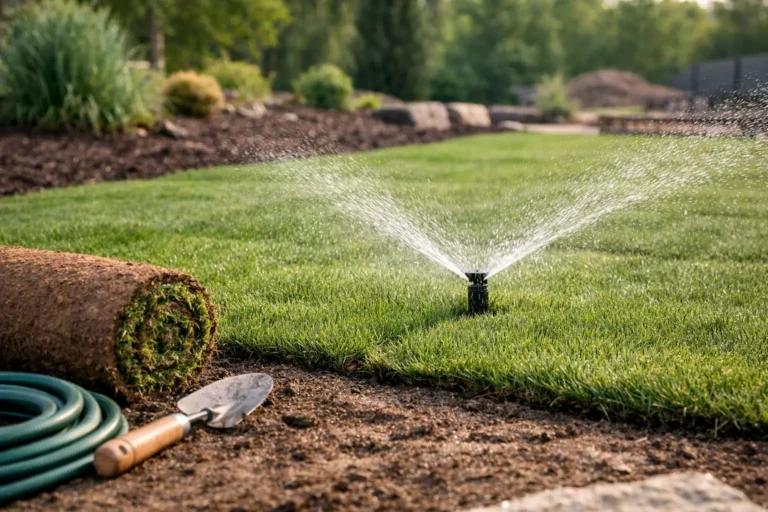
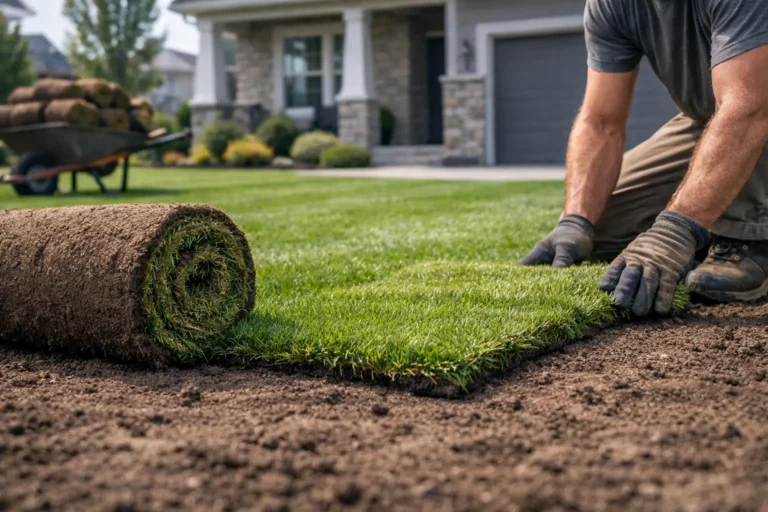
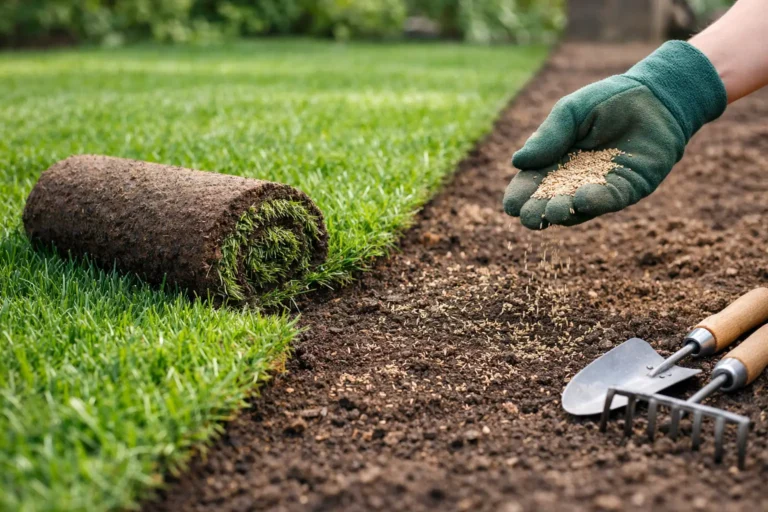
Proper prep usually includes removing dead turf or debris, addressing grading issues, loosening compacted areas, applying topsoil where needed, and fine-raking the surface so the sod sits flush and tight. Fertilizer may also be part of the prep, depending on soil condition and timing.
If the base is uneven, the lawn can end up with visible seams, air pockets, or dry edges. If the grade is off, water may run toward the house or collect in low areas. If the soil is too hard, the sod roots stay shallow and become more vulnerable to heat stress.
A fast lawn transformation only works if the groundwork is done right.
Does new sod need topsoil for drainage problems?
Sometimes yes, but topsoil alone is not a cure for drainage issues. That is a key distinction.
If your yard holds water because of poor grading, adding a thin layer of topsoil on top will not fix the underlying slope. In fact, it may just cover the problem temporarily. Real drainage improvement usually starts with correcting the grade so water moves away properly.
That said, topsoil can absolutely be part of the solution. It helps reshape low spots, improve surface consistency, and create better growing conditions once the grade is corrected. In problem yards, the right approach is usually grading first, topsoil second, sod third.
The cost question homeowners always ask
Many people ask whether they can skip topsoil to save money. In some cases, yes. In many cases, that shortcut costs more later.
When sod fails to root well, you can end up paying for patch repairs, extra watering, fertilizer, labor, or even partial replacement. That is especially common on new build lots where the soil underneath was never suitable for a healthy lawn in the first place.
Good prep is part of the installation, not an optional extra. If you are investing in premium sod, it makes sense to protect that investment with a base that supports it.
What to expect from a properly prepared sod base
When the soil is right, new sod roots faster, knits together better, and handles weather swings more effectively. The lawn feels firmer underfoot, looks more even across the surface, and usually requires fewer corrections after installation.
You are also more likely to get the result people want in the first place: a lawn that looks finished right away and keeps improving instead of declining after the first two weeks.
For homeowners in Kitchener, Waterloo, and Cambridge, this matters even more because local yards often deal with a mix of clay, construction compaction, and drainage challenges. A clean install can look impressive on day one, but lasting results come from matching the soil prep to the site conditions.
If you are wondering whether your property needs added topsoil before sod, the safest answer is this: do not guess from the surface alone. A lawn can look flat and still be compacted. It can look dry and actually have drainage issues. It can look ready and still be missing the root zone sod needs to thrive.
The best lawns are not just rolled out. They are built from the ground up. If you want sod to establish quickly and stay healthy, give as much attention to the soil below as the grass above.
2 Comments