
If you keep watering, fertilizing, and patching the same problem spots and your yard still looks tired, you may be past the point of simple repair. One of the top signs your lawn needs replacing is when effort and money keep going in, but the grass never really comes back strong, even during the growing season.
A lawn does not usually fail all at once. It fades in stages. First, you notice a few thin areas. Then weeds start taking over, water sits where it should drain, and the grass that does grow looks weak and uneven. At some point, continuing to treat symptoms costs more than starting fresh with proper grading, soil prep, and new sod.
For homeowners, property managers, and builders, the real question is not whether the lawn looks bad on a given week. The question is whether the lawn still has a solid base worth saving. Here is how to tell the difference.
Top signs your lawn needs replacing instead of repairing
Some lawns respond well to overseeding, spot repair, grub treatment, or fertilizer. Others are too far gone. When the root problem is poor soil, drainage failure, severe pest damage, or widespread die-off, replacement is usually the faster and more reliable fix.
1. More than half the lawn is dead or bare
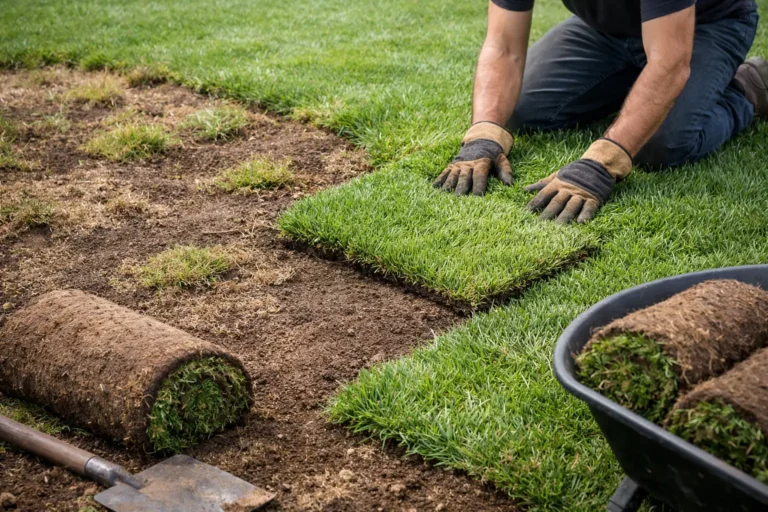
If large sections of your yard are bare dirt, straw-colored, or fully dead, repair work becomes less practical. Small patches can often be fixed. But once dead areas spread across a significant part of the lawn, you are no longer doing touch-ups. You are trying to rebuild the entire surface in pieces.
That approach rarely gives a consistent result. You end up with uneven color, uneven texture, and a lawn that still looks patchy months later. In most cases, full replacement is cleaner, faster, and more cost-effective than chasing dead zones one section at a time.
2. Grubs or pests have caused widespread damage
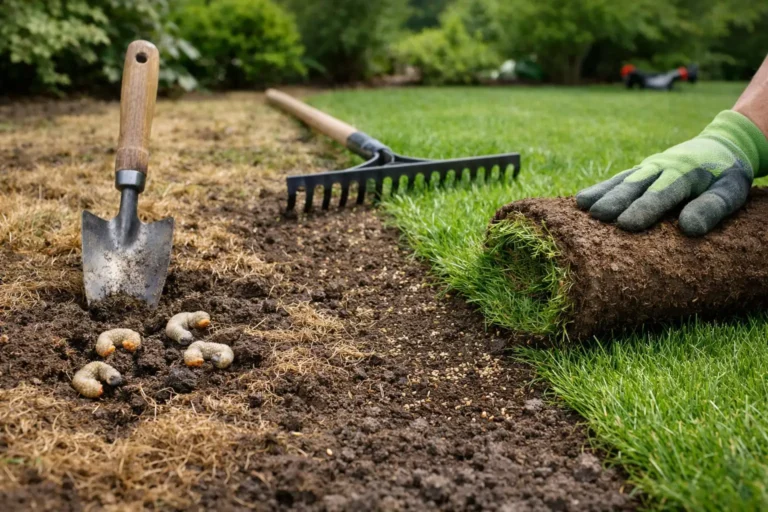
Grub damage is one of the clearest signs that a lawn may need a full reset. If the turf lifts easily like loose carpet, the roots are gone. At that point, even if some grass is still green on top, it may not have enough root mass left to recover.
Treatment can stop the pests, but it does not rebuild the lawn for you. If the damage is isolated, repair might be enough. If the lawn has widespread thinning, dead patches, and root loss, replacing the turf after treatment usually gives the best result.
3. The lawn stays soggy after rain
Grass struggles when water has nowhere to go. If puddles sit for days, the issue is often below the surface. Compacted soil, improper grading, and low spots can all keep roots too wet, which leads to thinning, disease, and muddy areas that never firm up.
This is where replacement makes sense, but only if the underlying drainage issue is fixed first. New sod laid over poor grading will not solve the problem. It may look good briefly, then fail for the same reason the old lawn did. A proper tear-out, regrade, and soil preparation give the new lawn a real chance to root and last.
4. Weeds have taken over more than grass has
A few weeds are normal. A lawn that is mostly crabgrass, clover, dandelions, and other invasive growth is a different story. Heavy weed pressure often points to thin turf, weak soil, poor mowing habits, or years of decline.
You can fight weeds chemically or manually, but if there is not enough healthy grass left to compete, the weeds usually come back. When the lawn has lost density across most of the property, replacing it can be the more efficient move, especially if the soil is corrected at the same time.
5. The ground is uneven, bumpy, or full of trip hazards
Sometimes the problem is not just the grass. It is the lawn surface itself. Settling, old construction debris, rough grading, and repeated patch jobs can leave the yard uneven and awkward to use. Mowing becomes frustrating, water collects in low areas, and the finished look never feels clean.
In that case, repair only hides the issue temporarily. Lawn replacement gives you the chance to strip the old turf, correct the grade, improve the soil bed, and install a smooth, even lawn that actually performs better.
When bad soil is the real problem
A lawn can look like it needs more seed or more fertilizer when what it really needs is better growing conditions. Thin topsoil, heavy clay, construction compaction, and buried rubble are all common reasons lawns fail, especially on newer lots.
6. Grass grows unevenly no matter what you do
If one area grows fast, another stays yellow, and a third never fills in at all, the issue may be inconsistent soil conditions. You might have pockets of poor drainage, shallow topsoil, or compacted ground that roots cannot penetrate.
This kind of uneven performance is one of the top signs your lawn needs replacing because it often points to a base problem, not a maintenance problem. You can keep feeding the lawn, but if the roots cannot establish properly, results will stay inconsistent.
7. Seeding has failed more than once
Seeding has its place, but it is not always the best fit for a struggling lawn. If you have already seeded, watered carefully, and waited through the right season without getting good coverage, it may be time to stop repeating the same plan.
This is especially true when bare spots keep returning or when erosion, shade, soggy ground, or poor soil structure prevent new grass from establishing. Sod gives immediate coverage, but the bigger advantage is that it can be installed after the site has been corrected properly.
8. The lawn is a mix of different grasses, colors, and textures
A lawn that looks mismatched can make the whole property feel unfinished. This often happens after years of patching with different seed blends or repeated repairs that never fully blend in. The yard may be technically alive, but it does not look uniform or healthy.
For homeowners focused on curb appeal, this matters. So does the time spent trying to make inconsistent sections look like one lawn. Full replacement creates a clean slate and a more polished finish right away.
Signs replacement makes more financial sense
A full lawn replacement costs more upfront than a simple repair. That part is obvious. What many property owners overlook is how expensive repeated repair attempts become when the lawn has deeper structural issues.
9. You are spending money every season without getting results
If you are paying for seed, fertilizer, weed control, grub treatment, soil, and ongoing patch repairs year after year, it is worth stepping back and looking at the total. A struggling lawn can quietly become a money drain.
Replacement makes sense when it solves several problems at once – failed grass, poor grade, weak soil, and surface unevenness. Instead of managing decline, you are investing in a lawn built to establish properly from the start.
When a lawn can still be repaired
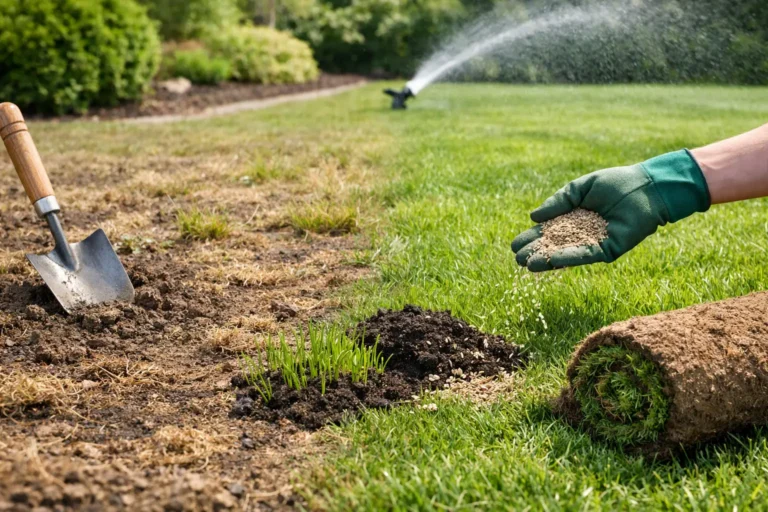
Not every rough-looking lawn needs to be torn out. If the damage is limited, the soil is decent, and drainage is working, repair may be the right call. Thin areas after winter, a few dog spots, or isolated pest damage can often be fixed without replacing the full yard.
The key is honest assessment. If the lawn has a strong base and the problem is local, repair is reasonable. If the base is failing across the whole property, replacement is usually the smarter move.
That is why the prep work matters as much as the sod itself. A quick cosmetic fix may look good for a short time, but it will not hold if the grading and soil are wrong.
What to expect if you replace your lawn
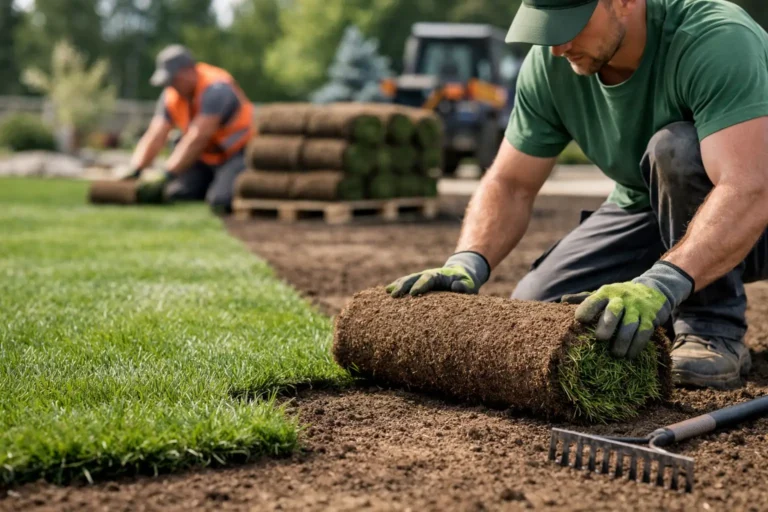
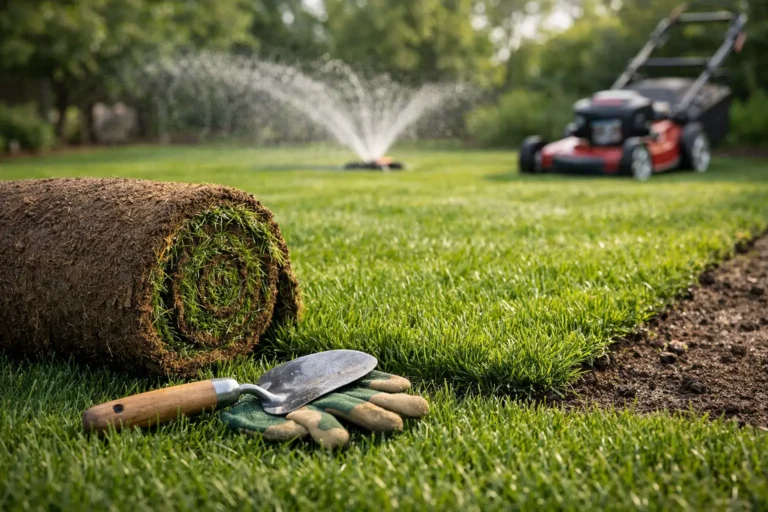
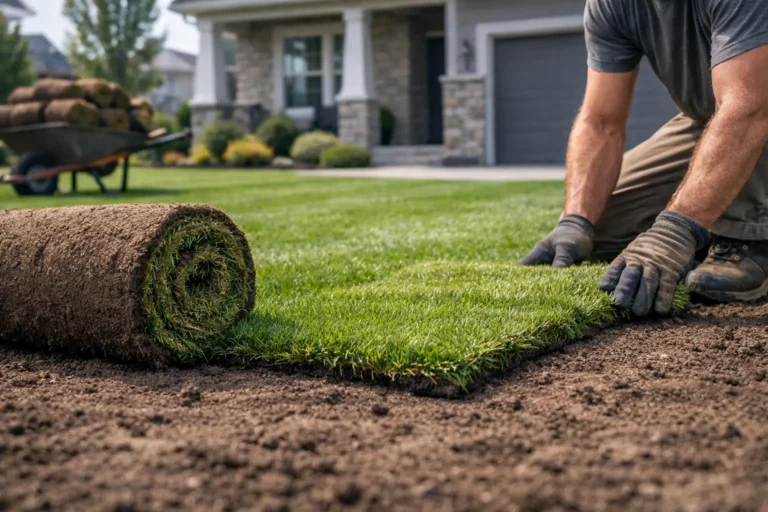
A proper lawn replacement is more than rolling out new turf. The old lawn should be removed, the surface regraded as needed, the soil prepared for rooting, and the sod installed tightly and evenly. Watering after installation is critical, but so is what happened before the sod arrived.
That is where a specialist makes a difference. A dedicated sod company looks at drainage, root zone preparation, and long-term performance, not just the final appearance on day one. For many properties in Kitchener, Waterloo, and Cambridge, that technical step is the difference between a lawn that thrives and one that slips back into the same problems.
If your yard keeps fighting you, trust what it is showing you. A lawn that will not recover is not asking for another bag of seed. It is asking for a better foundation, done properly, so you can finally get the result you have been paying for.