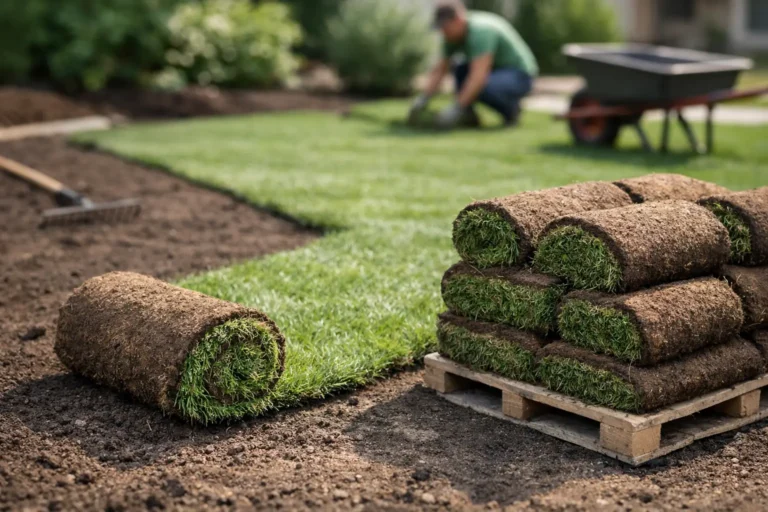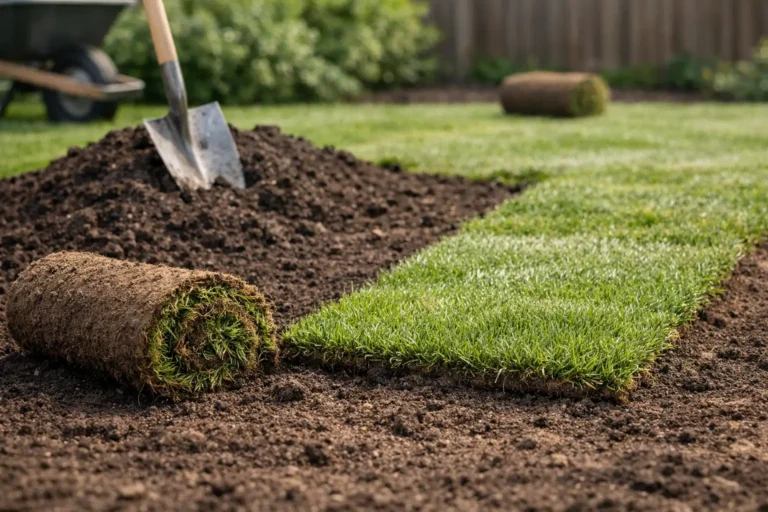

A lawn can look finished in a day or look like a problem for the next two years. That usually comes down to what happened before the sod hit the ground. Premium sod installation is not just about laying green rolls across bare soil. It is about grading, soil preparation, drainage, timing, and using fresh sod that can root fast and stay healthy.
For homeowners, that means real curb appeal without gambling on seed. For builders and property managers, it means a cleaner handoff, fewer callbacks, and a landscape that looks complete right away. If you want a lawn that looks good now and performs later, the install process matters as much as the product itself.
What premium sod installation actually includes
A premium result starts with site preparation, not the sod delivery. If a lawn has low spots, compacted subsoil, leftover construction debris, grub damage, or poor drainage, covering it with sod will not solve the problem. It just hides it until the lawn starts struggling.
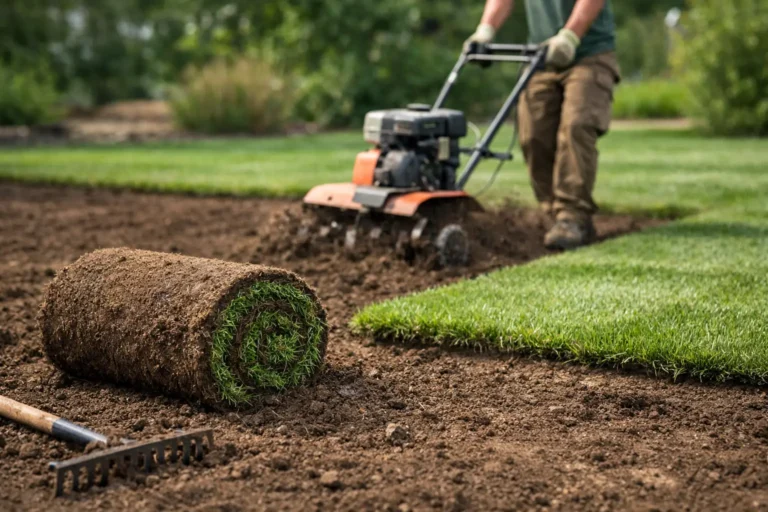
That is why premium sod installation usually includes tearing out failed grass when needed, reshaping the grade, bringing in the right amount of quality soil, and creating a smooth surface that supports even rooting. Once that base is ready, fresh sod is installed tightly, rolled properly, and watered with a clear aftercare plan in mind.
This is where specialist work stands apart from a basic landscaping add-on service. A dedicated sod crew knows what to look for under the surface. They know when a lawn needs more than a cosmetic fix and when a smaller repair is enough.
Why prep work makes or breaks the lawn
Most lawn failures trace back to poor prep. The sod may be healthy when it arrives, but if it is laid over hardpan, ruts, weak topsoil, or inconsistent grade, it has a harder time establishing. You may see dry edges, sinking spots, puddling, thin growth, or sections that peel back because roots never took hold.
Good preparation improves three things at once. It helps water move properly, gives roots a better medium to grow into, and creates a smoother finished look. That last part matters more than many property owners expect. Even premium sod can look average on a bumpy base. A properly graded lawn looks sharper from every angle and is easier to mow once established.
In Ontario conditions, that prep work matters even more. Freeze-thaw cycles, spring moisture, summer heat, and compacted soils around newer homes all put pressure on a new lawn. If the base is wrong, the sod has to fight uphill from day one.
Fresh sod matters, but handling matters too
People often focus on sod quality, and they should. Fresh, farm-cut sod gives you a better starting point than material that has been sitting too long on a pallet. But even good sod can underperform if it is mishandled.
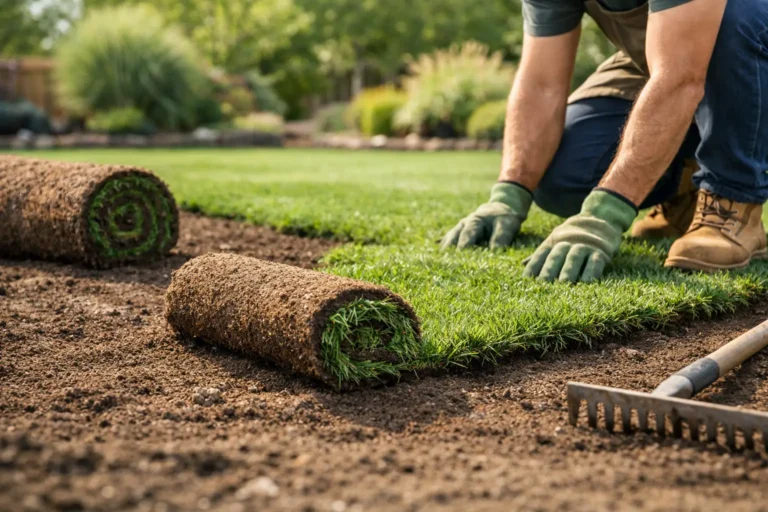
Timing matters from harvest to installation. Sod should be delivered fresh, installed promptly, and laid on prepared soil that is ready to receive it. Gaps between pieces, stretched seams, poor contact with the soil, or delayed watering can all set the lawn back.
That is part of what separates premium sod installation from a quick green cover-up. The goal is not just to make the property look finished for photos. The goal is to create the conditions for rooting, recovery, and long-term performance.
When sod is the better choice than seed
There are cases where seeding makes sense, especially for very large rural areas or projects where timeline is not important. But for most residential properties and many commercial sites, sod is the faster and more predictable option.
If the lawn is visible from the street, if the property is newly built, if erosion is a concern, or if you are trying to correct a failed lawn quickly, sod offers a clear advantage. You get immediate coverage, less mud, and a much shorter path to a usable yard. For busy homeowners, that speed matters. For builders and managers, it can also reduce complaints and improve presentation right away.
The trade-off is upfront cost. Sod costs more than seed at the start, especially when proper prep is included. But that comparison can be misleading. A cheap install that skips grading or soil work can end up costing more when the lawn needs repair, patching, or full replacement later.
Signs you need more than a simple re-sod
Not every lawn problem is solved by removing old grass and laying new sod. Sometimes the real issue is below grade or tied to site conditions. If your yard holds water after rain, slopes toward the foundation, feels hard as concrete in dry weather, or has repeated grub damage, the right fix may include grading changes, soil amendments, or pest treatment before any sod goes down.
That is why estimates should be based on the property, not a one-size-fits-all square foot number. Two lawns of the same size can require very different levels of work. One might be ready for a straightforward installation. The other might need tear-out, added soil, drainage correction, and lawn repair around walkways or beds.
A dependable contractor should tell you which one you have. Straight answers save money and frustration.
Premium sod installation for homes and commercial sites
Residential and commercial projects share the same basics, but the priorities are a little different. Homeowners usually care most about appearance, durability, and how fast the yard will be usable. Builders and property managers often add timing, access, scheduling, and scale to the equation.
On a residential property, details like smooth grading near patios, clean edges along driveways, and careful blending around existing landscape features make a big difference. On commercial sites, consistency and logistics matter more. The work has to be efficient, well-coordinated, and capable of handling larger open areas without sacrificing finish quality.
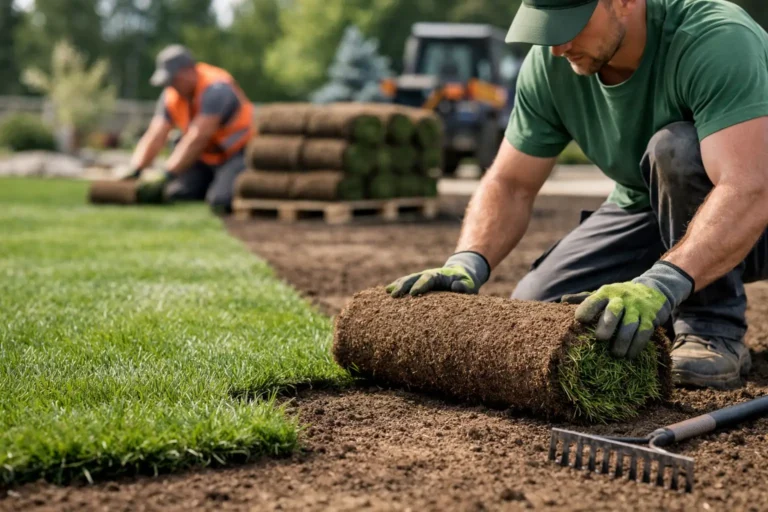
That is where a sod-focused company brings real value. Specialized crews are built for this kind of workflow. They understand how to quote accurately, prepare sites properly, and complete installation on schedule without treating sod as an afterthought.
What to expect after installation
A new sod lawn looks finished right away, but it is not fully established on day one. The first few weeks are about root development. During that period, watering is critical. The sod needs enough moisture to knit into the soil below, especially in warm or windy weather.
Traffic should stay limited at first. Mowing should wait until the roots begin to anchor and the grass reaches the right height. Fertilization timing also matters. Too much too soon is not helpful, but the right feeding plan supports establishment and color.
This is another place where premium service shows. Clear aftercare guidance protects the investment. You should know how often to water, when to mow, what to watch for, and when to ask questions. Good installation gets the lawn off to the right start. Good support helps keep it there.
Choosing the right contractor for the job
If you are comparing quotes, look beyond the price per square foot. Ask what is included in site prep, whether old turf is removed, how grading is handled, what type of soil is used, and how fresh the sod will be at installation. Ask who is actually doing the work and whether lawn replacement is a core service or just one of many seasonal offerings.
The best value is not the lowest number. It is the quote that addresses the real condition of your property and gives you a lawn that lasts. A clean-looking install that fails after one tough season is not a bargain.
For property owners in Kitchener, Waterloo, and Cambridge, local experience also helps. Soil conditions, new-build compaction, drainage patterns, and seasonal timing are not the same everywhere. A contractor who works in this region regularly will usually spot issues faster and prepare the site more accurately.
Right On Sod is built around that specialist approach. The focus is not on doing a bit of everything. It is on doing sod installation, lawn replacement, grading, and prep work the right way so the finished lawn looks better and roots properly.
A premium lawn should not feel like a gamble. When the grading is right, the soil is right, and the sod is fresh, the results are fast, visible, and worth paying for. If you are going to replace a lawn, do the part underneath with the same care as the green surface on top.