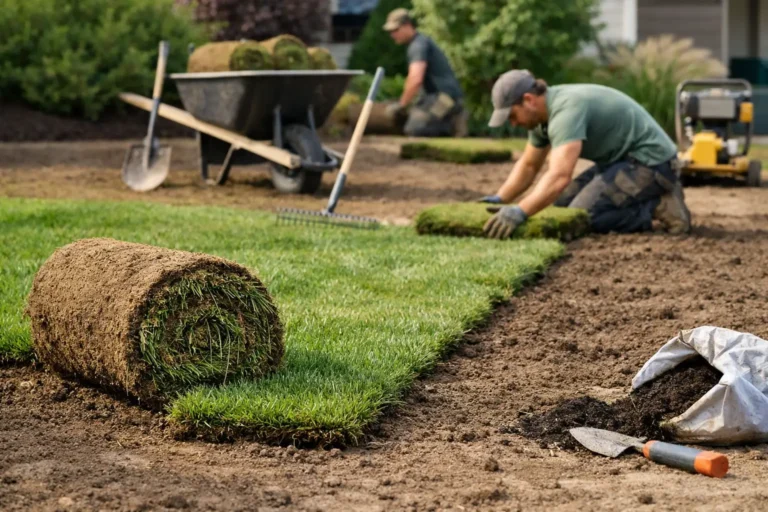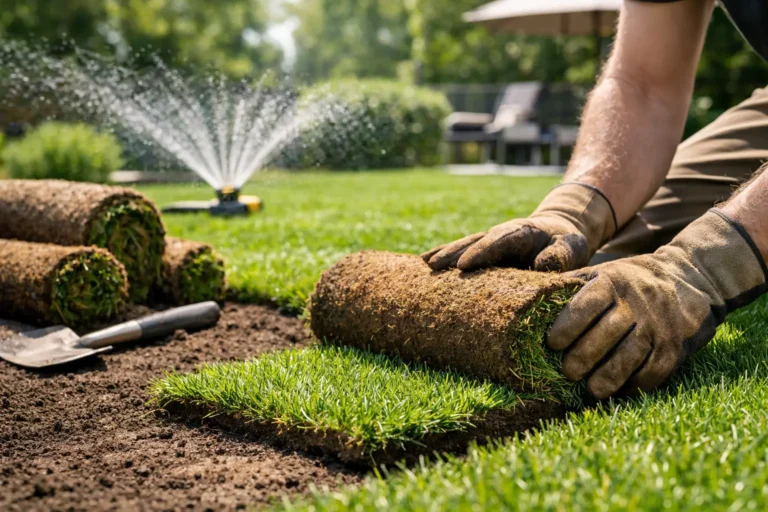

If your lawn looks like it lost a fight with grubs, drought, construction, or bad grading, timing matters more than most people think. The best time to resod lawn areas is usually when temperatures are moderate, the soil is workable, and new sod can root before weather gets extreme. Get that timing right, and your lawn has a real shot at taking off quickly instead of just hanging on.
For most homeowners, the sweet spot is either spring or early fall. Those seasons give fresh sod the best mix of cooler air, decent soil warmth, and more reliable moisture. Summer can work, but it demands more watering and closer attention. Winter is mostly a hard no unless you enjoy paying for grass to struggle.
The best time to resod lawn in most climates
If you want the short answer, early fall is often the best time to resod lawn spaces, with spring coming in as a close second. Early fall usually gives sod a better rooting window because the brutal heat is fading, weeds are less aggressive, and the soil is still warm from summer. Warm soil helps roots establish, while cooler air reduces stress on the grass blades.
Spring is also a strong option, especially if your yard took a beating over winter and you want results fast. The trade-off is that spring weather can swing around a lot. Too much rain can slow prep work, and a sudden warm-up can put pressure on brand-new sod before the roots are fully settled.
That is why the right answer is not just about the calendar. It is about conditions. Sod cares less about what month it is and more about whether the site has good soil contact, enough moisture, and a realistic stretch of weather to establish roots.
Why fall is often the winner
Fall has a lot going for it. The air is cooler, which means less stress on fresh sod. The soil is still warm enough to encourage rooting. There is often more natural rainfall, which helps reduce how much you need to baby the lawn with constant watering.
There is another advantage people forget about. In fall, many lawns are coming out of a long summer of wear, heat, dry spots, and insect damage. If your yard is thin, uneven, or full of dead patches, replacing it in early fall lets you reset the surface before winter. By the time spring rolls around, the lawn is not starting from scratch.
The catch is timing. Wait too long into late fall and root development slows way down. Sod installed just before freezing weather may survive, but it will not establish nearly as well as sod laid earlier in the season. If you are planning a full tear-out and replacement, you want enough time for proper prep and rooting before cold weather shuts things down.
Spring is a close second
Spring is a popular time to replace a lawn because everything outside suddenly looks fixable again. If your property has bare areas, winterkill, muddy zones, or serious damage from pets or pests, spring resodding can deliver a fast visual turnaround.
It also lines up well with other outdoor projects. New builds, drainage corrections, grading work, and backyard renovations often wrap up in spring, making it a practical time to install sod. When the base is prepped correctly and watering is handled well, spring sod can establish nicely.
Still, spring is not perfect. Heavy rain can delay grading and soil prep. Weed pressure is usually stronger than in fall. And if late spring turns hot quickly, fresh sod can dry out faster than people expect. A spring install works best when the prep is done right and the watering plan is realistic from day one.
Can you resod in summer?
Yes, but summer is the high-maintenance option. If spring and fall are the easy lanes, summer is the lane with traffic cones and a warning sign.
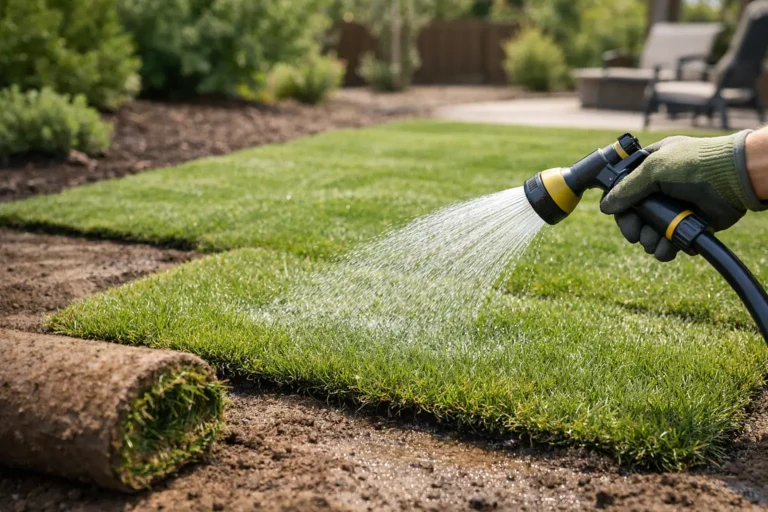
Hot weather increases stress on newly installed sod because the grass is losing moisture fast while the roots are still shallow. That means watering has to be consistent, not casual. Miss a day during a heat wave and you may end up with shrinking seams, dry edges, or sections that never fully recover.
That does not mean summer resodding is a mistake. Sometimes it is simply the right move. Maybe you are selling a house, finishing a build, dealing with major lawn failure, or trying to fix a drainage problem before it gets worse. In those cases, summer installation can still work very well, but only if the soil prep, grading, and watering are taken seriously.
This is where experience matters. A fresh lawn laid on poor soil, over compacted ground, or without proper drainage is going to struggle no matter what month it is.
When not to resod
The worst time to replace a lawn is when the ground is frozen, saturated, or heading straight into extreme heat or hard frost. Fresh sod needs root contact with the soil. If the site is muddy, frozen, or impossible to prepare properly, you are setting the job up for weak establishment.
Late fall can also be risky if temperatures are dropping fast. The sod may still look green at install, but looks can be deceiving. If root growth stalls, winter can heave sections, create gaps, or leave you with a lawn that needs repair as soon as the snow is gone.
There is also a practical point here. If your existing lawn problems come from grading issues, shade, compaction, grub damage, or standing water, changing the grass without fixing the cause is like putting fresh paint on a wall with a leak behind it. It looks better for a while, then the problem comes right back.
Signs your lawn is ready for resodding
Not every rough lawn needs a full replacement, but some do. If more than a small portion of the lawn is dead, uneven, infested, or full of weeds, patching starts to become a slow and expensive way to stay frustrated.
Resodding makes sense when the lawn has widespread damage, the soil grade is poor, drainage is causing standing water, or the yard is a mess after construction. It is also a smart option when you want a clean, immediate result instead of waiting through the uncertainty of seed.
That is especially true for homeowners who care about curb appeal and want the front yard to look finished now, not maybe by next season.
The timing depends on prep more than people expect
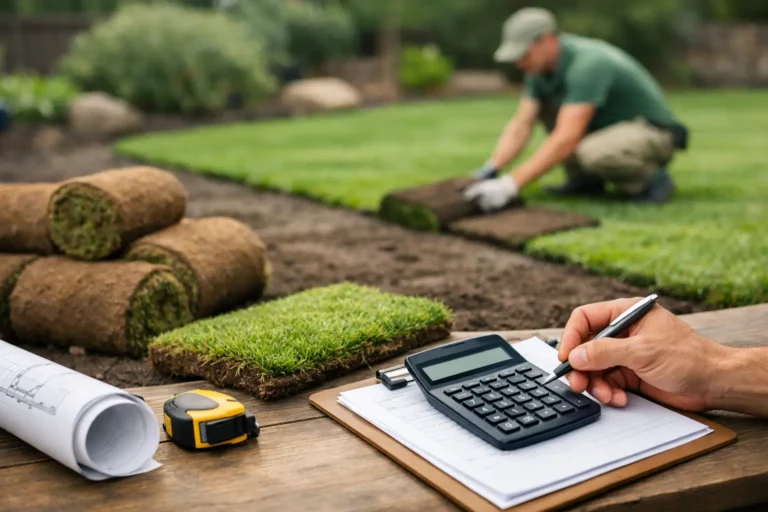
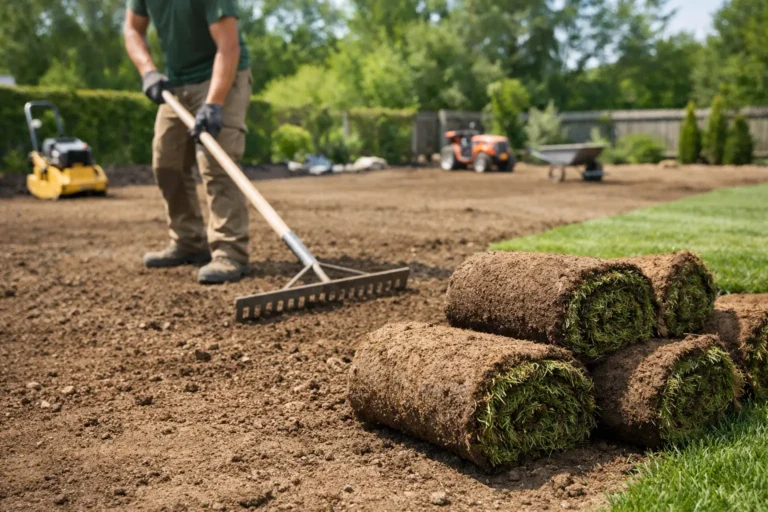
A lot of people focus on season and forget the groundwork. Good sod needs a stable base, proper grading, quality soil, and full contact between the root layer and the prepared surface. If the site is rushed, uneven, or compacted, even the best timing will not save the job.
This is why specialized sod installers tend to get better results than general contractors treating lawn work like an add-on. The difference shows up in drainage, smoothness, root establishment, and how the lawn looks a month later when the honeymoon period is over.
In places like Kitchener, Waterloo, and Cambridge, weather can shift quickly, and yards often come with clay-heavy soil, drainage issues, or post-construction mess. That makes prep just as important as picking the right season.
How to choose your window
If you have flexibility, aim for early fall first and spring second. If you need the lawn done during summer, plan for more watering and more supervision. If temperatures are swinging hard or the site is not ready, waiting a little can save you a lot of trouble.
The best window is the one where the lawn can actually establish. That means workable soil, no extreme weather on the immediate horizon, and enough time to prep the area correctly. Fast results come from doing the job at the right time and doing it right the first time.
A fresh lawn should not feel like a gamble. Pick the season with the best rooting conditions, fix the issues under the surface, and your sod has a much better chance of looking great long after installation day.