
If you’ve ever gotten a sod quote and thought, “Okay, but what am I actually paying for?” you’re asking the right question. A lot of homeowners want to know what is included in sod installation because the price can look simple on paper while So what is sod installation, once the marketing is stripped away? Mostly groundwork.
A proper sod job is not just rolling out green grass and calling it a day. The visible part happens fast. The real value is in the prep, the grading, the soil work, and making sure that fresh sod has a real shot at rooting properly instead of struggling two weeks later.
What is included in sod installation on a quality job?
At the basic level, sod installation usually includes site preparation, grading, soil preparation, laying the sod, and watering it in. On some projects, it also includes removing the old lawn, dealing with weeds or grub damage, adding new topsoil, and cleaning up the site once the work is done.
That said, not every quote covers the same scope. One contractor may price for sod only, while another includes tear-out, disposal, and proper grading. That is why two estimates for the same yard can be very different. One is pricing a lawn. The other is pricing a lawn that actually lasts.
The first part is usually lawn removal or site clearing
If you already have grass, weeds, dead patches, or a rough post-construction yard, the first step is getting the surface ready. That often means removing the existing lawn, scraping out old material, clearing debris, and dealing with any obvious obstacles that would prevent the sod from sitting flat.
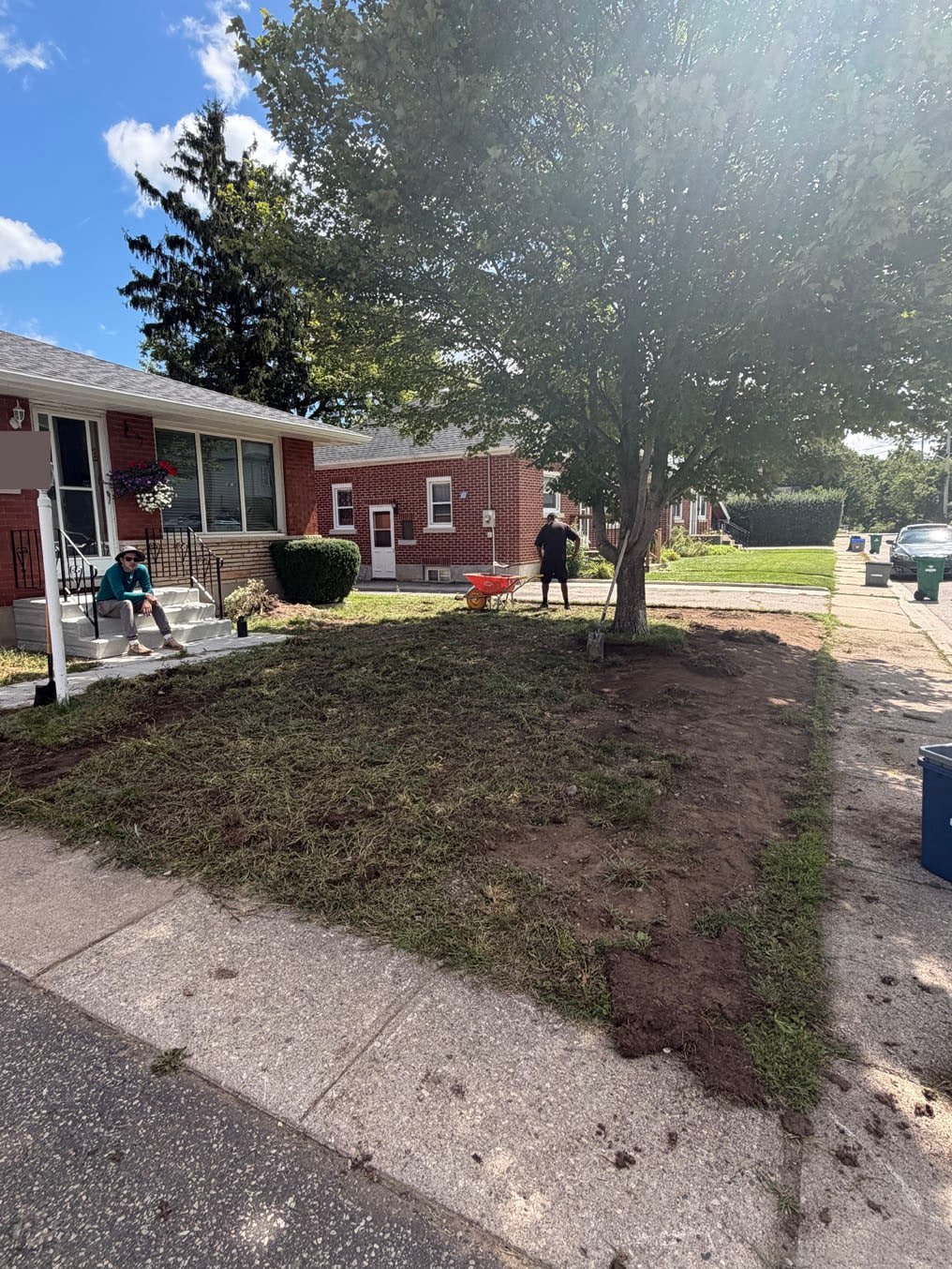
For lawn replacements, tear-out matters more than people think. Installing fresh sod over a weak, uneven, or weed-heavy surface is a shortcut that usually shows up later as poor rooting, bumps, thin spots, or drainage problems. If the old lawn failed for a reason, that reason needs to be addressed before new sod goes down.
On newer properties, site clearing can involve construction debris, compacted soil, stones, or uneven fill. That is common after home builds, and it is one reason new lots often need more prep than homeowners expect.
Grading is one of the biggest things included in sod installation
This is where a sod specialist earns their keep. Grading shapes the surface so water moves away from the house, the lawn sits evenly, and the final result does not feel lumpy underfoot.
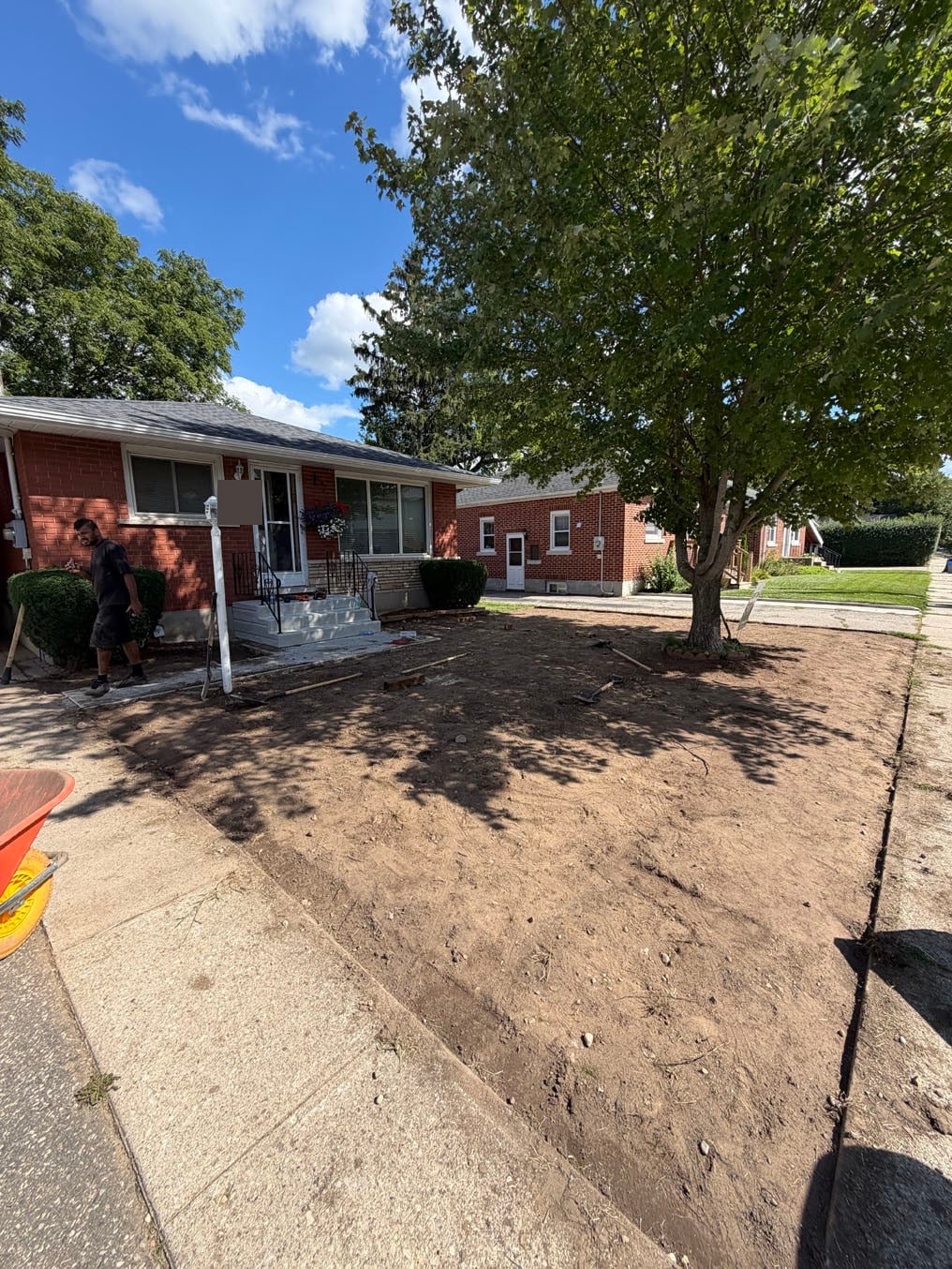
A proper grade helps prevent puddling, soft spots, and low areas where water hangs around too long. It also improves the finished look. Fresh sod can look amazing on day one even over a bad grade, but once it settles, every dip and hump starts showing itself.
There is a difference between rough grading and finish grading. Rough grading deals with larger shaping issues. Finish grading creates the smooth final surface the sod will be installed on. Depending on the property, a sod installation quote may include one or both.
In places like Kitchener, Waterloo, and Cambridge, grading is especially important because clay-heavy soils and drainage issues are common. If the water has nowhere to go, your lawn will let you know.
Soil preparation is where lawn success starts
People love to talk about premium sod, and fair enough, good sod matters. But even the best sod will struggle on poor soil. That is why soil prep is one of the most important parts of the job.
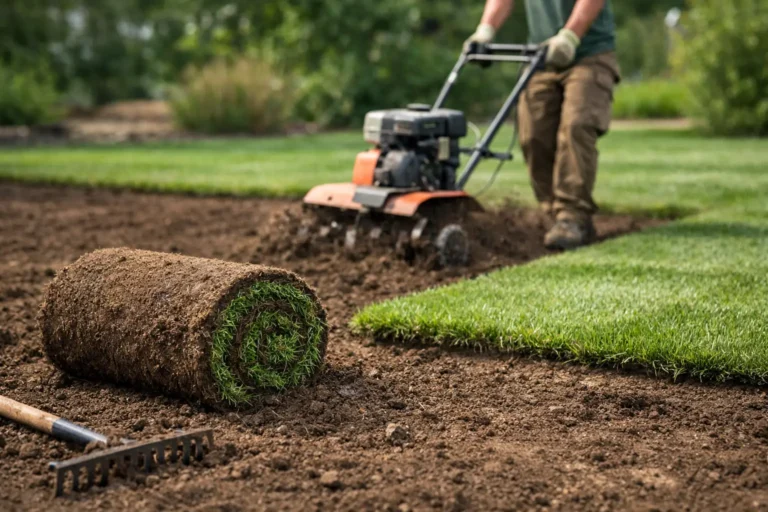
This step can include loosening compacted ground, adding screened topsoil, leveling the surface, and creating a clean bed for the sod to root into. If the soil is hard, thin, or full of rubble, new sod may dry out quickly or fail to establish evenly.
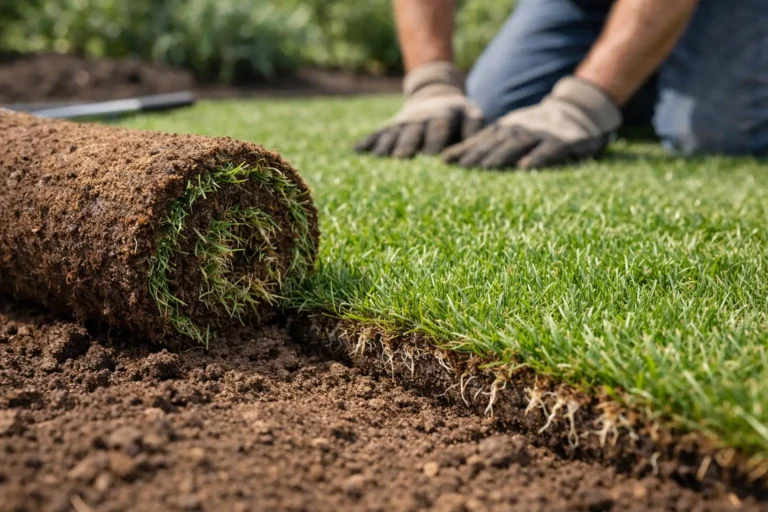
Good installers also pay attention to final soil depth and contact. Sod needs to sit tightly against prepared soil so roots can move down and anchor. If there are gaps, hard spots, or loose uneven fill, that rooting process becomes slower and less reliable.
Some projects also need amendments like starter fertilizer or treatment for issues such as grub damage. That depends on site conditions. Not every lawn needs the same prep, and that is exactly the point. Real sod installation is not a one-size-fits-all service.
The sod itself should be fresh, consistent, and installed quickly
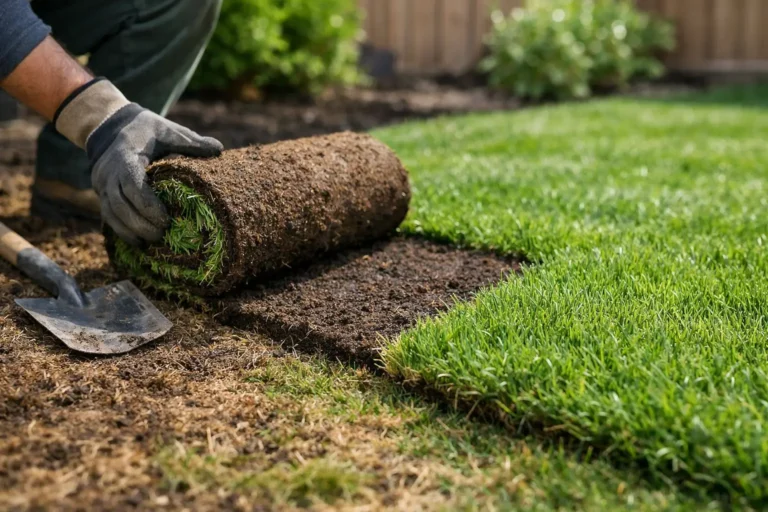
Once the base is ready, the sod is laid in a staggered pattern with tight seams and careful trimming around edges, beds, walkways, and other hard surfaces. This is the part most people picture, and yes, it makes an immediate difference.
But installation quality still matters here. Sod should be placed snugly without large gaps or overlapping pieces. It should follow the grade cleanly, and the crew should avoid stretching pieces to make them fit. Sloppy seams can dry out faster and leave visible lines in the finished lawn.
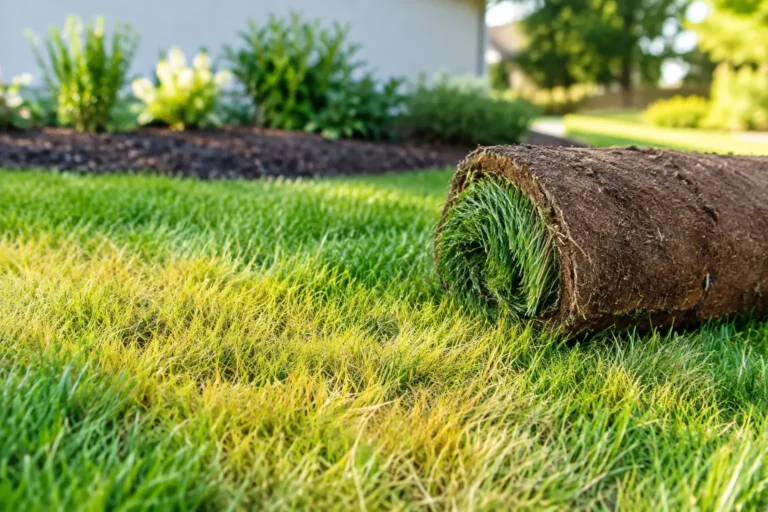
Timing matters too. Fresh sod is a living product. It is best installed quickly after delivery, especially in warm weather. The longer it sits, the more stress it takes on before it even reaches your yard.
Watering in the sod is usually part of the install day
A proper sod installation includes an initial watering once the lawn is down. This helps settle the sod, reduces transplant stress, and starts the rooting process right away.
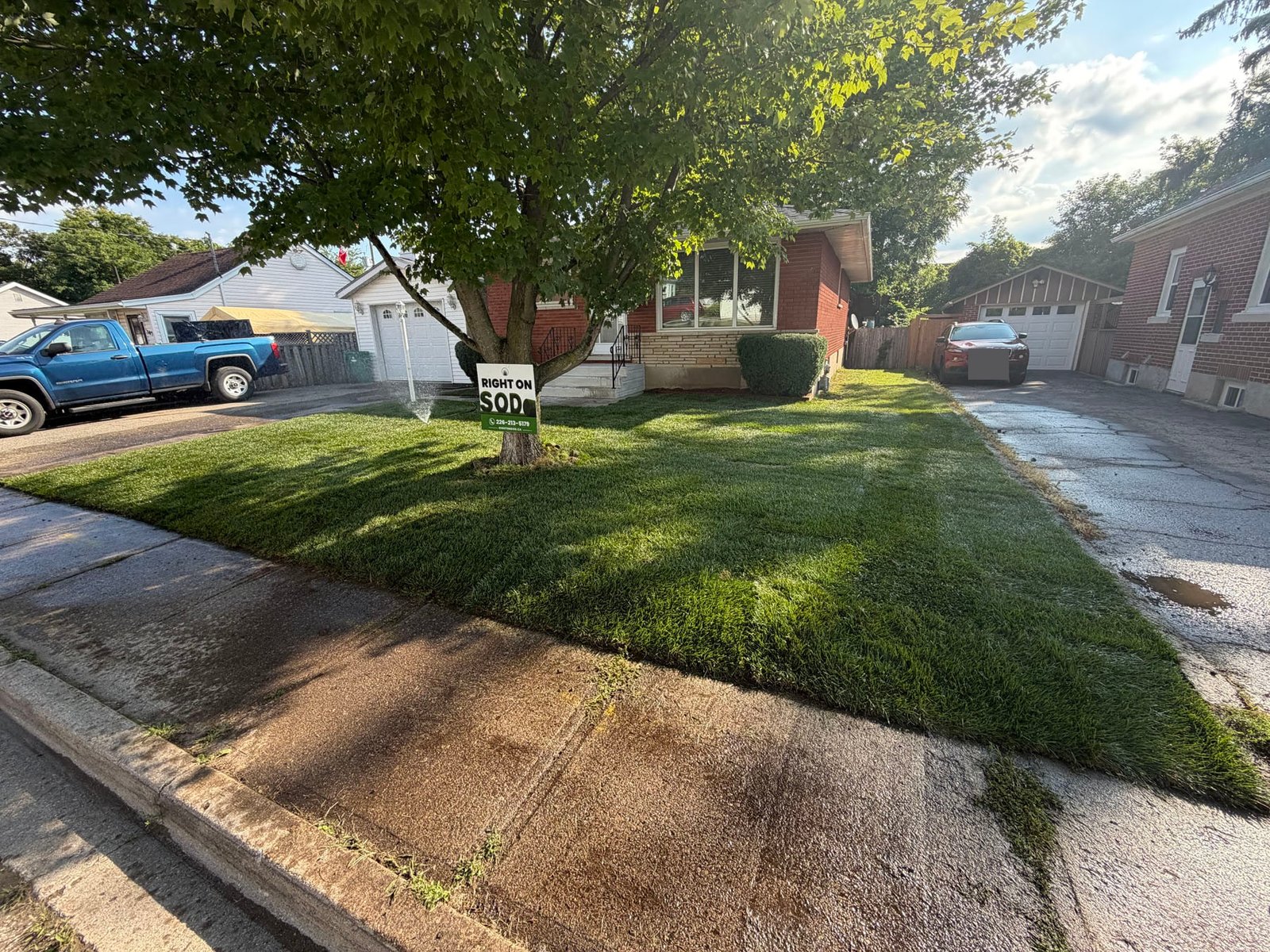
That does not mean the contractor handles all watering after that. In most cases, ongoing watering becomes the homeowner’s responsibility unless a separate maintenance service is arranged. This is an important thing to clarify before the job starts.
New sod needs consistent moisture, especially in the first couple of weeks. Too little water and it dries out. Too much water and you can create soft conditions, disease pressure, or weak rooting. A good installer should give you clear aftercare instructions so you are not left guessing with a hose in your hand at 7 a.m.
What might not be included in sod installation
This is where people get tripped up. Some quotes include everything needed for a true lawn replacement. Others cover only the installation of sod on an already prepared surface.
Items that may or may not be included are old lawn removal, disposal fees, imported topsoil, extensive grading correction, grub treatment, sprinkler adjustments, and post-installation maintenance. If a yard has accessibility issues, heavy slope, drainage complications, or tight gate access, that can also affect scope and pricing.
The fix is simple. Ask what the estimate includes before comparing numbers. A lower quote is not necessarily the better deal if it leaves out the work your lawn actually needs.
How to tell if you’re getting a real sod installation or a rushed cover-up
A real sod installation starts with questions about the condition of your current lawn, drainage, soil, sun exposure, and how the space is used. It does not begin and end with square footage.
If no one is talking about grade, prep, soil quality, or what caused the lawn to fail in the first place, that is a red flag. Laying sod is fast. Building a lawn that performs well is the actual job.
This is especially true for replacement lawns. If your yard has had standing water, grub damage, poor growth, or constant patchiness, simply covering the problem with new sod is like painting over a crack in the wall. It may look better for a bit, but the issue is still there.
Why the scope matters so much for pricing
Sod installation pricing depends on what the property needs before the sod ever arrives. A flat, accessible yard with decent soil is a very different project than a compacted new build lot or a lawn that needs full tear-out and regrading.
That is why transparent estimates matter. A good quote should explain whether you are paying for sod only, a basic install, or full-service lawn replacement. If the scope is clear, you can compare apples to apples instead of apples to mystery grass.
For homeowners, this makes budgeting easier. For builders and property managers, it helps avoid delays and change orders once the project starts.
The best sod installation includes a plan for what happens next
The job is not truly done when the last roll is laid. A quality installation should leave you knowing when to water, when to mow, when to stay off the lawn, and when fertilizer may be needed.
That guidance matters because new sod is in a transition phase. It looks finished right away, but it still needs time to root and establish. The first few weeks are where good prep and good aftercare come together.
At Right On Sod, that is how we look at the work. Fast transformation is great, but the goal is not to hand you a lawn that only wins on install day. The goal is a lawn that roots well, drains properly, and still looks sharp after the novelty wears off.
If you are reviewing quotes and wondering what should really be included, the simplest answer is this: enough prep to give the sod a real chance to succeed. Green rolls are easy. A lawn that lasts takes more than that.