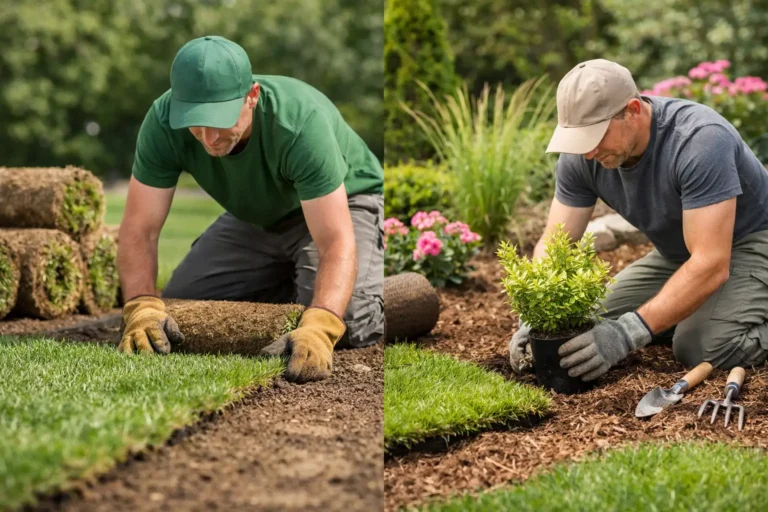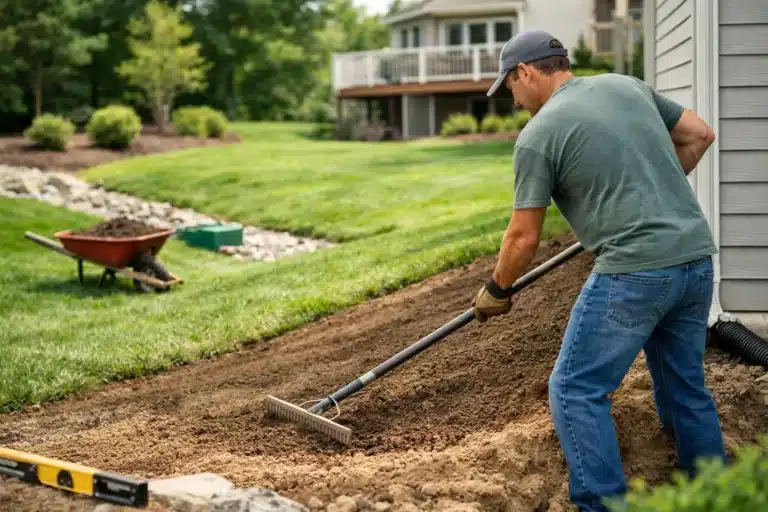

A lawn can look simple from the street. Underneath, it is all grading, soil condition, drainage, timing, and installation quality. That is why professional sodding versus DIY is not just a question of who rolls out the grass. It is really a question of how much risk you want to carry, how fast you want results, and whether the base under the sod is being built to last.
For some property owners, doing it yourself makes sense. For others, especially when the lawn has drainage issues, rough grading, grub damage, or years of neglect, hiring a sod specialist is usually the better investment. The right choice depends on the condition of the site, your timeline, and how much room you have for mistakes.
Professional sodding versus DIY: what are you really paying for?
Most people compare the two options based on the price of the sod itself. That is only part of the job. A good lawn replacement includes tear-out if needed, soil preparation, leveling, proper contact between sod and soil, watering strategy, and the timing of the install.
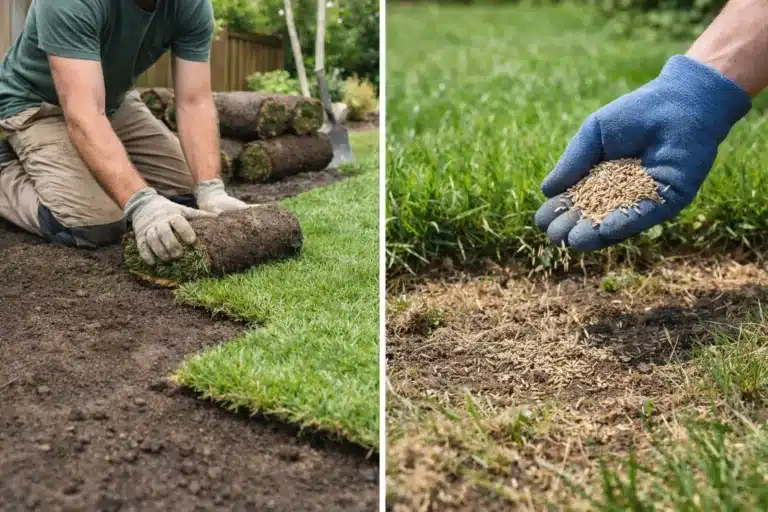
With DIY, the appeal is obvious. You can save on labor, work on your own schedule, and feel more in control of the project. If you already have equipment, access to quality topsoil, and enough time to prep the site carefully, the savings can be real.
With professional installation, you are paying for more than manpower. You are paying for efficiency, proper grading, material coordination, and fewer costly errors. You are also paying for a faster turnaround. A lawn that might take a homeowner several weekends can often be transformed in a day.
That speed matters more than many people expect. Sod is a live product. Once it is cut, delivered, and unrolled, the clock is ticking. Delays during a DIY project can dry it out, stress the roots, and reduce the chances of a smooth establishment.
Where DIY often goes wrong
The biggest DIY mistake is assuming the old lawn is the problem when the real issue is underneath. If the soil is compacted, full of debris, uneven, or unable to drain properly, fresh sod will not fix it. It may look great for a few weeks, then start thinning, yellowing, or separating.
Improper grading is another common problem. A yard can appear mostly flat and still hold water near the house, along the fence line, or in low traffic areas. If the grading is off, sod can struggle almost immediately. Water pools, roots stay too wet, and sections fail unevenly.
Soil preparation is where many DIY jobs lose ground. Homeowners often spread too little topsoil, skip soil amendments, or fail to loosen the base enough for rooting. The sod may survive, but it does not establish as strongly or as evenly as it should.
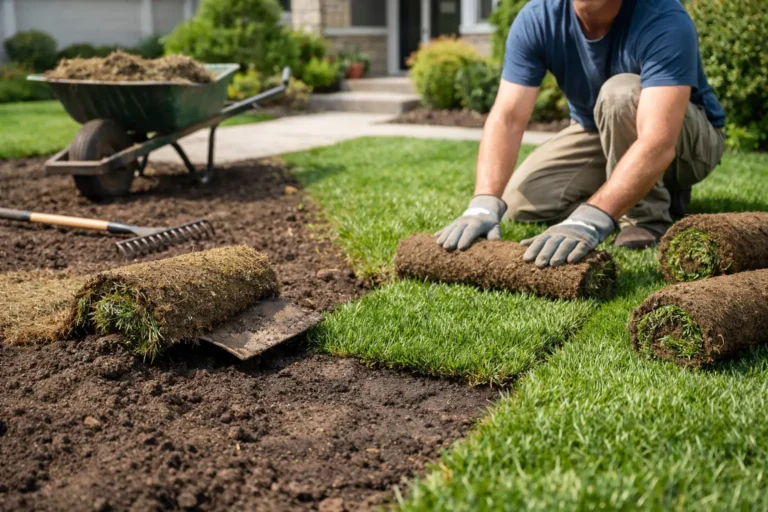
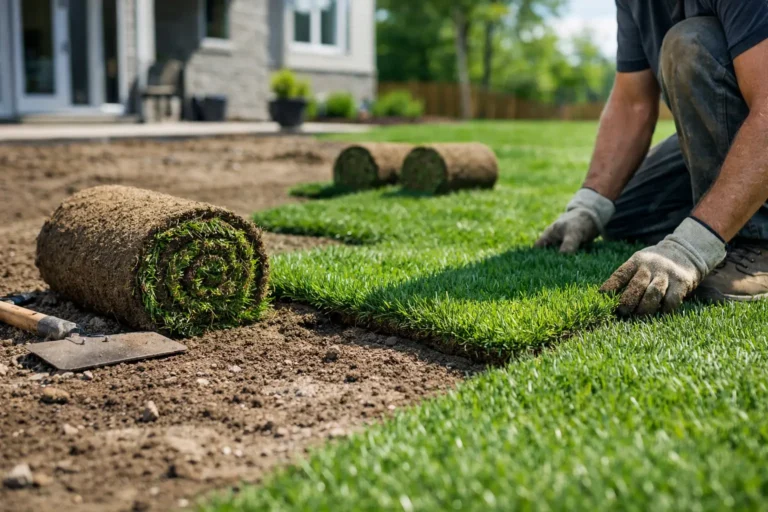
Then there is installation technique. Seams need to be tight without overlapping. Rows should be staggered. Air pockets need to be removed. The sod has to make solid contact with the soil. If those details are rushed, the lawn can dry out in strips, develop gaps, or root inconsistently.
Watering is another place where good intentions are not always enough. New sod needs deep, consistent moisture early on, but not constant saturation. Too little water dries the edges and shrinks the rolls. Too much water can cause rot, fungus, and weak rooting. The first two weeks matter a lot, and many DIY lawns struggle because the watering plan is not adjusted for weather, sun exposure, and soil conditions.
When DIY can make sense
DIY is not automatically the wrong choice. If you are working on a small, simple area with good existing grade, decent soil, and easy access to materials, handling it yourself can be reasonable. A backyard patch, side yard refresh, or compact front lawn may be manageable if you know what proper prep looks like.
It also helps if your timeline is flexible. DIY takes longer than most people expect, especially once you factor in removal, cleanup, soil delivery, leveling, and hauling materials. If the area is small enough that timing the sod delivery is easy, the risk is lower.
The key is being honest about the condition of the site. If you are replacing a damaged lawn after a light renovation, that is one thing. If you are dealing with standing water, poor subgrade, builder-grade soil, or a full property reset, the difficulty goes up fast.
When professional sodding is usually worth it
Professional installation makes the most sense when the lawn problem is bigger than surface appearance. If the yard needs tear-out, grading correction, fresh topsoil, or coordinated installation across a large area, experience matters.
That is especially true on newer homes and renovated lots. Construction often leaves compacted ground, buried debris, thin topsoil, and uneven drainage. On those sites, laying sod without rebuilding the base is usually money wasted.
A professional crew also makes sense when curb appeal matters right away. If you are preparing to sell, finishing a new build, cleaning up a rental property, or upgrading a commercial space, the speed and consistency of a specialized team can be hard to match.
There is also the issue of material handling. Sod is heavy, perishable, and time-sensitive. Soil, grading equipment, and disposal add another layer. For many homeowners, the real value of hiring a pro is not just avoiding physical labor. It is avoiding the chain reaction of delays, material waste, and rework.
Cost versus value
DIY usually wins on upfront cost. Professional installation usually wins on predictability.
That distinction matters. Saving on labor sounds great until a grading issue causes water problems, or poorly prepared soil leads to patchy rooting and early decline. Then the project gets more expensive because you are not just correcting sod. You are redoing the foundation under it.
A properly installed lawn can improve curb appeal immediately and hold up better over time. That is where value comes in. If the lawn is visible from the street, tied to property value, or part of a broader exterior upgrade, the cheapest route is not always the most cost-effective one.
For many customers, the better question is not, “Can I lay sod myself?” It is, “Can I prep this site properly, install it on time, and get the same long-term result?”
Professional sodding versus DIY in real-world conditions
On paper, DIY looks straightforward. In real conditions, weather, access, drainage, and site quality can change the equation quickly.
A shaded yard behaves differently than a sunny one. Heavy clay soil behaves differently than looser soil. A narrow gate or sloped lot can turn a simple delivery into a difficult install. Areas with grub damage or poor drainage need more than a fresh surface. They need the cause of the damage addressed before new sod goes down.
That is where a specialized installer has an advantage. A company focused on sod work sees patterns early. It knows when the base needs more attention, when grading should be corrected, and when the site is not ready for installation yet. That kind of judgment protects the finished lawn.
In places like Kitchener, Waterloo, and Cambridge, where seasonal timing and soil conditions can vary, local experience also matters. The lawn has to be installed for the conditions it will actually face, not just for how it looks on day one.
How to decide which route is right for you
If your lawn area is small, the grade is already correct, the soil is healthy, and you have the time to do the prep carefully, DIY may be a solid option. You can save money and still get a good result.
If the lawn is large, uneven, damaged, poorly drained, or tied to a bigger property improvement, professional installation is usually the safer move. The bigger the project, the more expensive mistakes become.
That is why many property owners choose professional sodding not because they cannot do the work, but because they do not want to gamble on the result. A lawn replacement should look better fast, root properly, and hold up after the crew leaves.
Right On Sod takes that approach seriously because sod is not just about appearance. It is about building the lawn correctly from the ground up.
If you are weighing the choice, start with the condition of the site, not just the price of the rolls. A good-looking lawn is easy to buy. A lawn that establishes well and stays healthy takes better decisions before the first piece is ever laid.