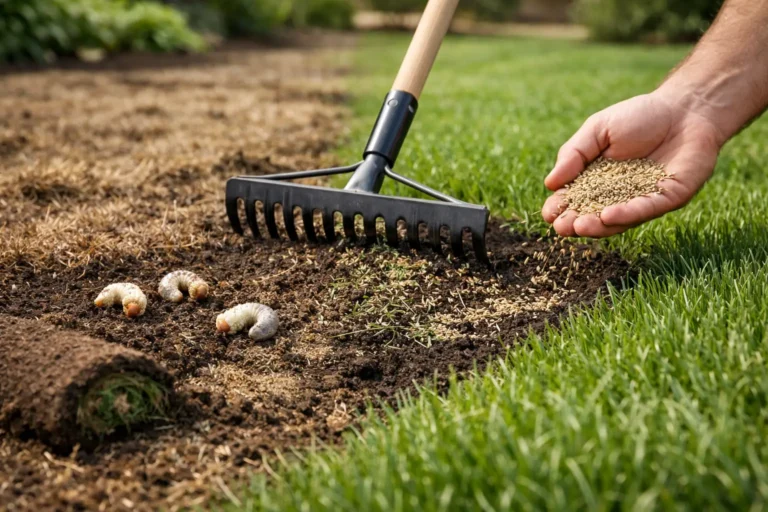

A lawn can look rough for very different reasons. Maybe grubs turned sections into loose brown carpet. Maybe construction left hard, compacted soil behind. Maybe the grass is thin, weedy, and tired after years of patch jobs. Lawn replacement versus reseeding is not just a question of price – it is a question of how quickly you need results and whether the ground underneath can support a healthy lawn.
For homeowners in Kitchener, Waterloo, and Cambridge, sod is often the faster answer. But reseeding has its place, especially when the lawn has a solid foundation and only needs a reset. Here is how to choose without throwing money, seed, or weekends at a problem that needs a different fix.
Lawn Replacement Versus Reseeding: The Real Difference
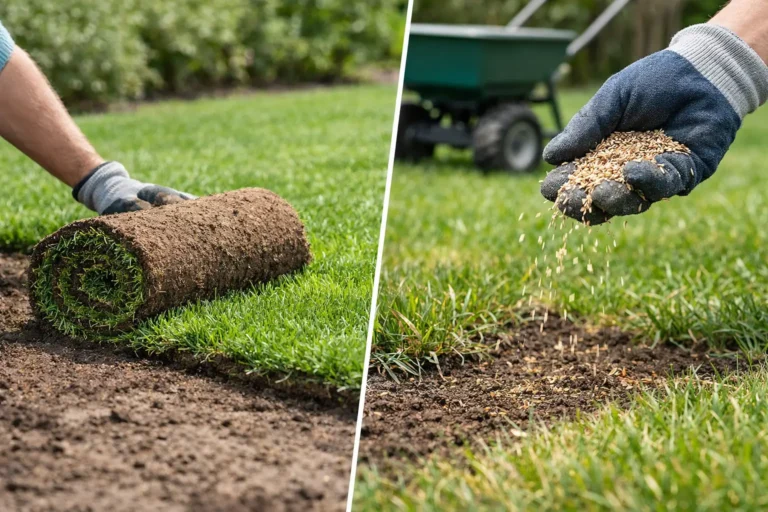
Reseeding means spreading grass seed over bare or thin areas, then keeping the seed consistently moist while it germinates and establishes. It is a gradual process. Depending on the seed type, weather, and watering, you may see sprouts in a week or two, but a durable lawn takes much longer.
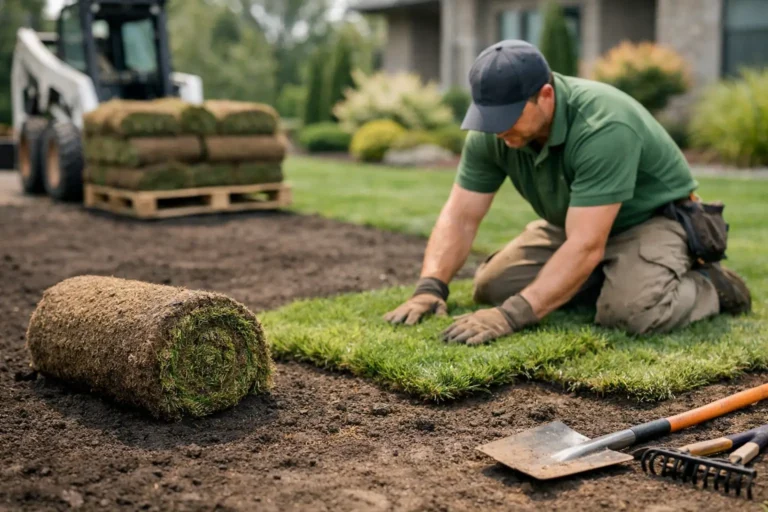
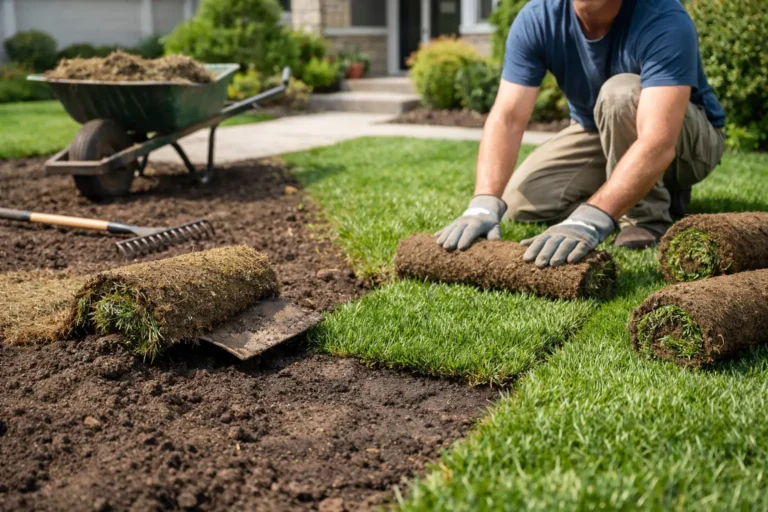
Lawn replacement means removing the existing grass and debris, correcting the grade where needed, preparing the soil, and installing fresh sod. You get a green lawn the same day. That does not mean it is instantly ready for backyard football or a dog sprinting laps, though. Fresh sod still needs attentive watering and time for roots to knit into the soil.
The visible difference is immediate. The bigger difference is what happens below the surface. A professional replacement gives you the chance to fix compacted soil, poor drainage, low spots, and uneven grading before the new lawn goes down. Seed placed on bad soil is still dealing with bad soil. Grass is talented, but it is not magic.
When Reseeding Makes Sense
Reseeding can be a smart, budget-conscious choice when most of your lawn is healthy and the problem is limited. If you have a few bare patches from summer stress, a thin area beneath a tree, or minor damage after a small project, reseeding may restore coverage without tearing out the whole yard.
It also works well after aeration or when overseeding an existing lawn that has decent soil, good drainage, and manageable weed pressure. Early fall is usually the most forgiving time in Southern Ontario. The soil is still warm, temperatures are cooler, and seed faces less stress than it would during a hot, dry stretch of summer.
The trade-off is maintenance. Newly seeded areas need frequent, gentle watering until germination, followed by careful watering as roots develop. Birds, heavy rain, weeds, pets, and a missed watering cycle can all set the project back. You will also need patience. A lawn seeded today may not look truly full until the following growing season.
Reseeding is usually the wrong choice when more than half the lawn is failing, the surface is uneven, or the existing turf is packed with weeds and dead material. In those situations, adding seed can become the lawn-care version of painting over water damage.
When Full Lawn Replacement Is Worth It
Full replacement is built for lawns that are beyond a simple repair. Think widespread grub damage, major thinning, chronic puddles, heavy construction compaction, an old lawn full of weeds, or a yard that slopes toward the house instead of away from it.
The biggest advantage is speed. Fresh, farm-grown sod gives your property a finished appearance immediately. That matters when you have just moved into a new build, are preparing to sell, have a renovation wrapping up, or are simply done apologizing for the front yard.
Replacement is also the better route when grading and drainage need attention. Water should move away from your home and should not sit in low spots long after a storm. During a proper tear-out, the old turf is removed and the base can be shaped, leveled, and prepared for better performance. A beautiful lawn that turns into a pond after every rainfall is not a finished job.
Sod is more expensive upfront than a bag of seed, but comparing material prices alone misses the point. The replacement cost includes preparation, labor, disposal, soil work, and a mature-looking result from day one. If you are reseeding a large failed lawn, buying topsoil, fighting weeds, watering constantly, and reseeding thin spots again next year, the gap can narrow quickly.
The Cost Question: Cheap Now or Reliable Later?
Reseeding is generally less expensive for small areas because seed costs less than sod and installation is simpler. If the underlying lawn is healthy, that is a perfectly reasonable way to spend less.
For a full yard, the decision depends on site conditions. A flat, clean lot with good soil is easier and less expensive to sod than a yard with old landscaping debris, poor access, drainage problems, or several inches of grade correction needed. The same is true for reseeding: the more preparation it requires, the less “cheap” it becomes.
Ask for an estimate that separates the key work: removal, grading, soil preparation, sod or seed, and cleanup. Clear pricing helps you compare the scope of work, not just the bottom-line number. A low quote that skips base preparation can leave you with sod that looks great for a month and struggles later.
Soil Prep Decides More Than Sod or Seed
The best lawns are built from the ground up. Whether you choose sod or seed, the soil needs to be loose enough for roots to grow, level enough to mow, and graded well enough to manage water.
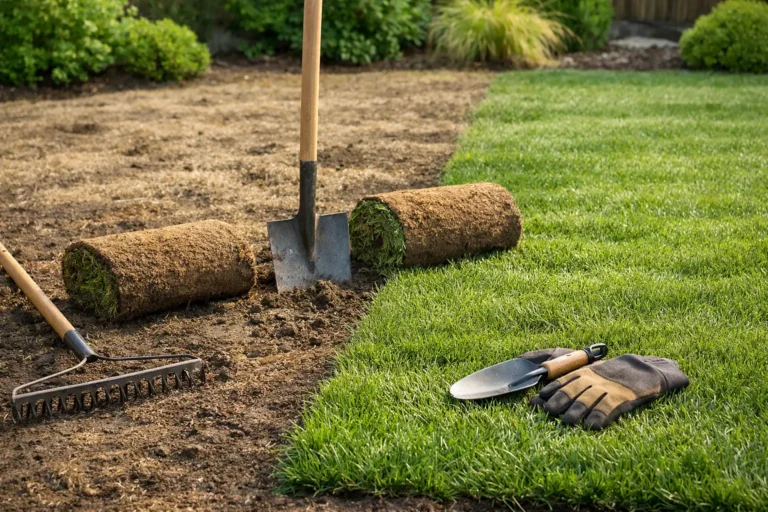
For a replacement project, that normally means removing old turf, clearing rocks and debris, addressing compaction, adding or improving topsoil where necessary, and finish-grading the surface. Fresh sod should have full contact with the soil beneath it, with seams fitted tightly and the lawn rolled as needed.
For reseeding, the existing surface needs similar attention on a smaller scale. Bare soil should be raked loose, seed should be spread evenly, and the area should be lightly covered or pressed into the soil. Seed tossed onto hard ground or a layer of dead thatch rarely produces the thick lawn people expect.
If your yard has recurring standing water, severe shade, or tree-root competition, be realistic about what grass can do. Drainage improvements, tree pruning, or a different landscape approach may be part of the solution. Throwing down more seed every spring will not fix a shade problem caused by a mature maple.
Timing Matters in Waterloo Region
Spring and early fall are strong windows for both sod installation and reseeding, provided conditions are workable. Sod can be installed through much of the growing season when it is watered properly, but hot weather demands more attention. Fresh sod can dry out quickly in July, especially along edges, slopes, and areas exposed to full sun.
Reseeding is more weather-sensitive. Heavy spring rain can wash seed away, while summer heat can make consistent moisture difficult. Fall seeding gives grass a better chance to establish before winter, but waiting too late can leave seedlings too young to handle freezing conditions.
No matter the season, the first few weeks determine the outcome. Sod needs deep, consistent watering to encourage rooting. Seed needs frequent surface moisture during germination, then a gradual transition to deeper watering. In both cases, avoid heavy foot traffic until the grass is established.
A Simple Way to Choose
Choose reseeding if the lawn is mostly healthy, the damage is limited, you can commit to watering, and you are comfortable waiting for results. It is a practical repair method, not a shortcut to an instant finished yard.
Choose lawn replacement if the lawn has widespread failure, weed pressure, uneven ground, drainage concerns, or construction damage. It is the stronger option when you want a clean, fast transformation and a chance to correct the conditions that caused the old lawn to fail.
Right On Sod approaches replacement as more than rolling out green squares. Proper grading, soil preparation, and fresh sod are what turn a quick visual upgrade into a lawn that has a real chance to thrive through Ontario heat, rain, and winter.
Before committing to either route, take a walk around the yard after rainfall and look past the grass blades. Notice where water sits, where soil feels hard, and where damage keeps returning. The right solution starts with fixing the reason your lawn failed – then giving the new grass the conditions to stay green.