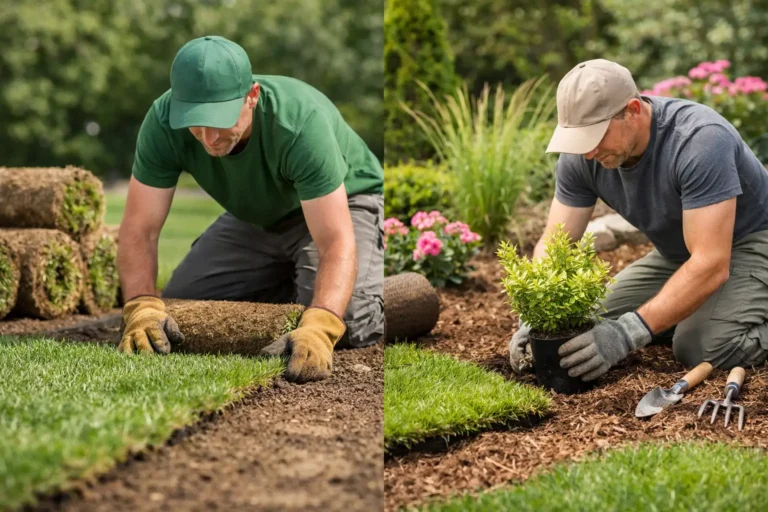

A fresh sod lawn can make a rough property look finished by the weekend. But sod is only as good as the ground beneath it. Ask the right questions before hiring a sod installer, and you can avoid the classic expensive mistake: beautiful green grass laid over compacted soil, low spots, or a drainage problem waiting for the next hard rain.
The installer you choose should be able to explain the work plainly, price it honestly, and tell you what happens before, during, and after the rolls hit your yard. If the answers feel vague, rushed, or suspiciously cheap, trust that feeling. Lawns have a way of exposing shortcuts.
Questions Before Hiring a Sod Installer
1. Will you inspect the grade and drainage first?
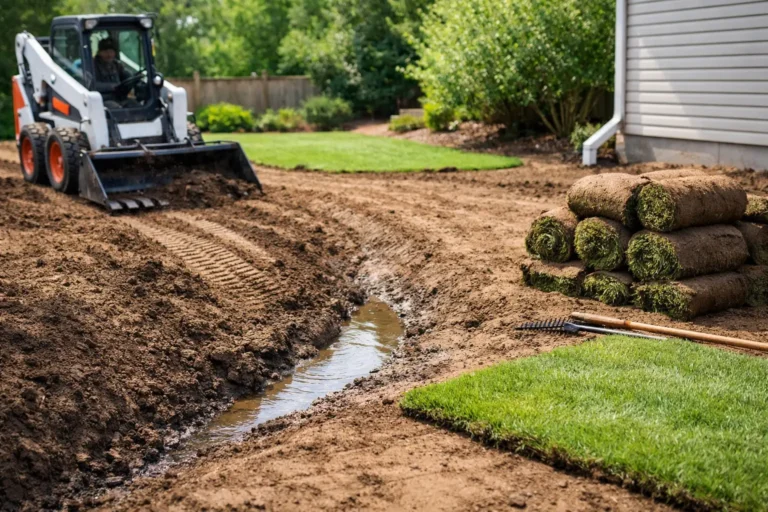
This is the big one. Water should move away from your home, not settle along the foundation, patio, or low corner of the yard. A sod crew that simply measures the lawn and quotes new grass may be skipping the part that determines whether your lawn succeeds.
Ask how they identify low areas, slopes, standing water, and drainage paths. Some yards need a light correction before installation. Others need more substantial grading or additional topsoil. There is no one-size-fits-all answer, especially on lots affected by new construction, heavy clay, or years of settling.
A good installer will explain what can be corrected within the sod project and when a larger drainage solution may be needed. That is not upselling. It is better than installing a lawn that turns into a shallow pond every spring.
2. What is included in the site preparation?
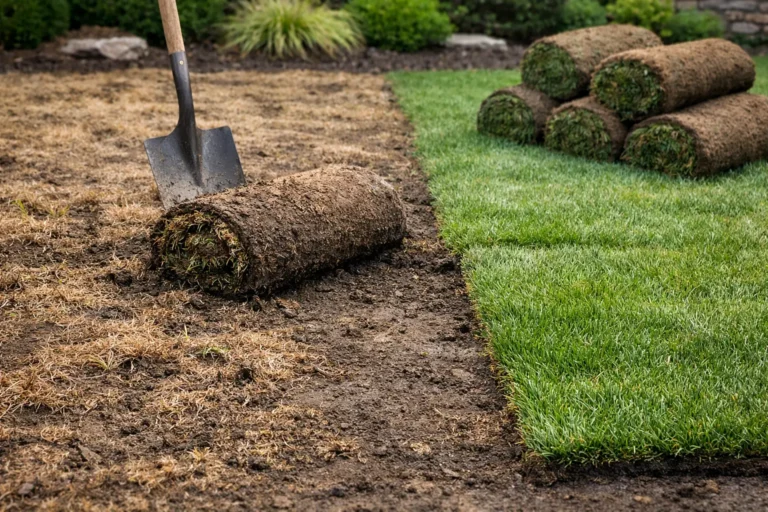
“Installation” can mean very different things from one company to another. One quote may cover sod delivery and rolling it out. Another may include removing the existing lawn, clearing debris, grading, adding soil, and preparing the surface so the sod can root.
Ask for a clear description of the prep work. For a lawn replacement, find out whether the old turf will be cut out or killed, whether weeds and roots are removed, and where the waste goes. For a bare new-build lot, ask how compacted ground will be loosened and leveled.
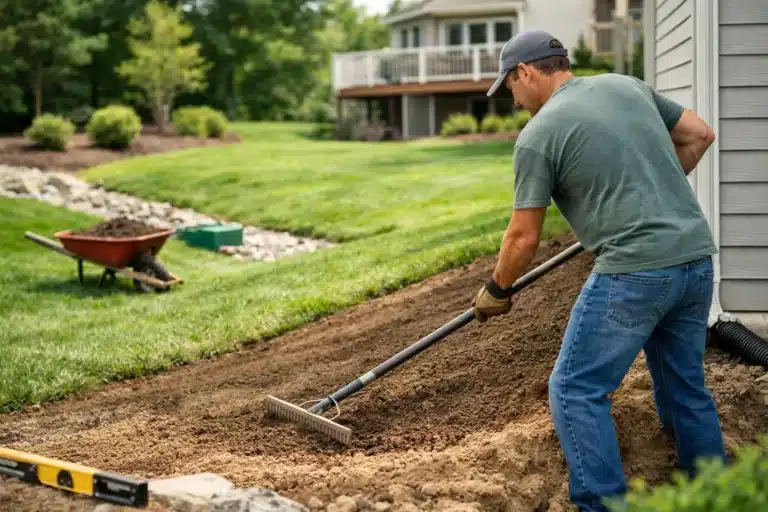
Proper prep usually includes creating a smooth final grade, adding or working in suitable topsoil where needed, and firming the surface without packing it hard as concrete. Sod roots need contact with soil, but they also need air, moisture, and room to establish.
3. What type of sod are you installing, and how fresh is it?
Not all sod is grown, cut, transported, or stored the same way. Ask what grass type is being installed and why it suits your property. Sun exposure, shade, foot traffic, pets, and your willingness to water all matter.
Freshness matters too. Farm-fresh sod installed quickly has a better shot at rooting evenly than sod that has been sitting rolled up for too long. Rolls generate heat, especially in warm weather. That does not mean every summer installation is a bad idea, but it does mean timing, delivery, and immediate watering need to be handled properly.
A specialist should be comfortable telling you where the sod comes from, when it is typically cut, and how it will be protected before installation.
4. How much topsoil will my yard actually need?
Be wary of anyone who promises a certain depth of topsoil without seeing the property. A thin layer may be enough to improve a reasonably healthy lawn after light grading. A scraped, compacted lot may need considerably more material and more work to establish a stable growing base.
Ask whether the quote includes screened topsoil, how much is included, and how the crew will determine if additional material is required. Also ask whether soil will be blended into the existing surface or simply spread on top. Both approaches can make sense, depending on conditions, but the goal should be a smooth, root-friendly transition rather than a temporary cosmetic layer.
In Kitchener, Waterloo, and Cambridge, clay-heavy soil and post-construction compaction are common reasons a lawn needs more than a quick green cover-up.
5. Who handles tear-out, debris, and access issues?
Old sod, weeds, rocks, leftover construction material, and buried surprises can change the scope of a project. Get clear on what the crew removes, what gets hauled away, and what happens if they find extra debris or unsuitable soil.
Access matters just as much. A wide, open backyard is straightforward. A fenced yard with a narrow side gate, fresh driveway, retaining wall, or limited street parking takes more planning. Ask whether equipment can access the property and whether wheelbarrow labor, hand work, or extra protection is required.
This conversation prevents the dreaded “that was not included” moment once a crew is already in your driveway.
6. Is the quote itemized, and what could change the price?
A low number is not automatically a good deal. It may simply leave out soil, disposal, grading, delivery, or the labor needed to fix what is actually wrong with the lawn.
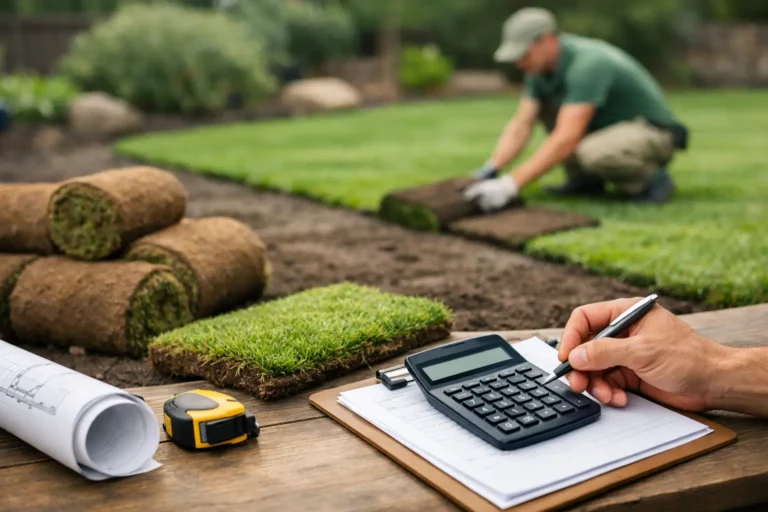
Ask for an estimate that separates the major parts of the job: sod, preparation, topsoil, removal, grading, delivery, and any optional treatments. You do not need a novel, but you should understand what you are paying for.
Then ask what conditions could affect the final price. Hidden rubble, unexpected low areas, extra soil requirements, or difficult access are reasonable variables if they are discussed upfront. Surprise charges are not. A dependable contractor explains the possibilities before work starts and gets approval before expanding the scope.
7. How will you install the sod to promote rooting?
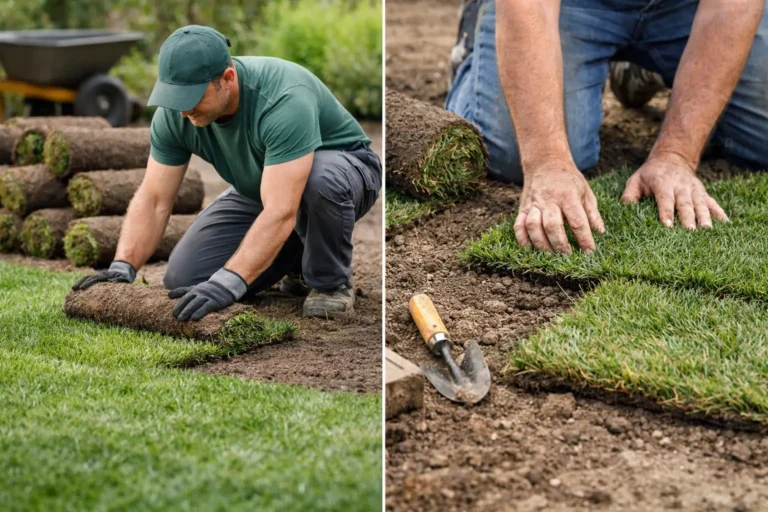
Sod should be laid tightly with staggered seams, trimmed cleanly around edges, and rolled after installation to improve soil contact. Those details sound basic because they are basic. They also separate a lawn that establishes evenly from one that dries out along the seams and starts looking patchy fast.
Ask how the crew handles edges, slopes, sprinkler heads, trees, and irregular spaces. On sloped areas, they should have a plan to keep the sod from shifting before roots take hold. If an installer cannot describe their process, they may be treating a technical lawn installation like unrolling carpet.
8. What watering instructions will I receive?
Your contractor installs the lawn, but the first few weeks belong to the homeowner or property manager. New sod needs consistent moisture while it roots. The exact schedule depends on weather, soil, sun, and rainfall, so anyone promising a single magic watering rule is oversimplifying it.
Ask for practical post-install instructions: how soon to water, how deeply to water, how often to check the soil beneath the sod, when to reduce watering, and when the first mowing should happen. You should also know when it is safe for kids, pets, furniture, and regular foot traffic.
Good advice is specific. “Water it lots” is not a care plan.
9. What happens if there are grubs, weeds, or lawn disease concerns?
Sod can transform a grub-damaged lawn, but it does not make the underlying pest disappear. If grubs are active in the soil, ask whether treatment is recommended before installation or as part of the project. The same goes for persistent weeds, fungus, and thin turf caused by poor soil conditions.
A reputable installer will not pretend sod solves every lawn problem. Sometimes replacement is the right answer. Sometimes targeted treatment, soil work, or drainage correction should happen first. The right recommendation depends on what caused the lawn to fail in the first place.
10. What warranty or workmanship guarantee do you provide?
Read the terms, but also use this question to judge accountability. A quality contractor stands behind installation workmanship while being realistic about factors outside their control, such as watering, extreme weather, pet damage, pests, or homeowner traffic.
Ask what is covered, how concerns should be reported, and how quickly the company responds if an issue appears. A guarantee is only useful if there is a real process behind it.
11. Can you show me similar completed work?
Photos of finished lawns are helpful, but ask about jobs similar to yours. If you have a new-build lot, look for new-build transformations. If you have drainage trouble, ask to see grading and replacement work. Commercial clients should ask about larger projects, scheduling, and site coordination.
The best proof is not a stock-perfect lawn. It is evidence that the installer has solved the same kind of problem before, on a property with similar challenges.
The Answer You Want Is a Clear Plan
You are not hiring someone to place green squares on dirt. You are hiring a team to create the conditions for a healthy lawn to take root. That means measuring carefully, preparing the base, selecting quality sod, installing it efficiently, and giving you straight answers when the yard needs more than a surface fix.
Right On Sod approaches every installation with that full-picture mindset because a fast transformation should still hold up after the first rain, the first heat wave, and the first season of real life. Ask direct questions, compare what is included, and choose the installer who gives you a clear plan instead of a quick pitch. Your lawn will tell you whether the groundwork was done right.