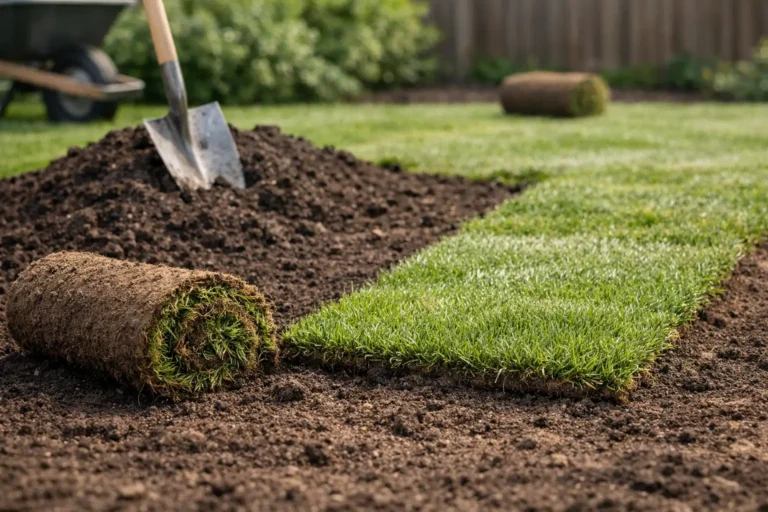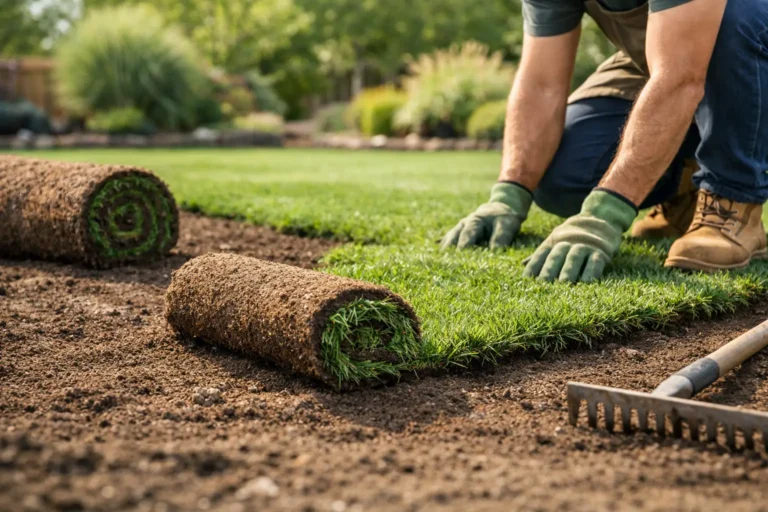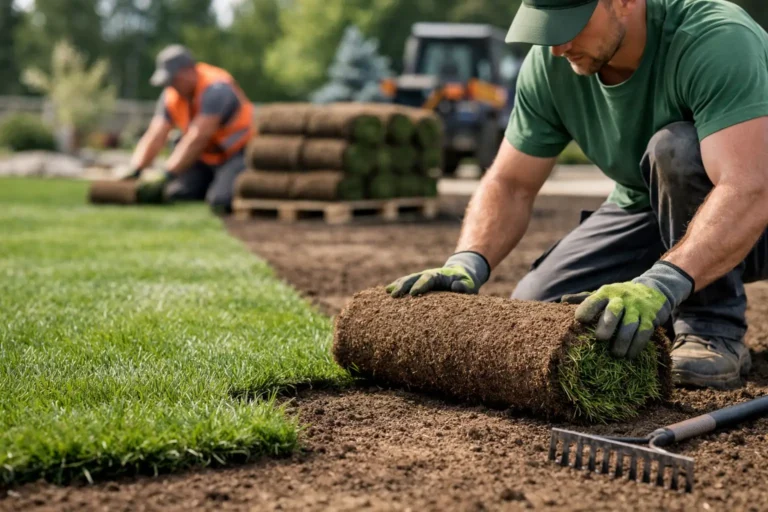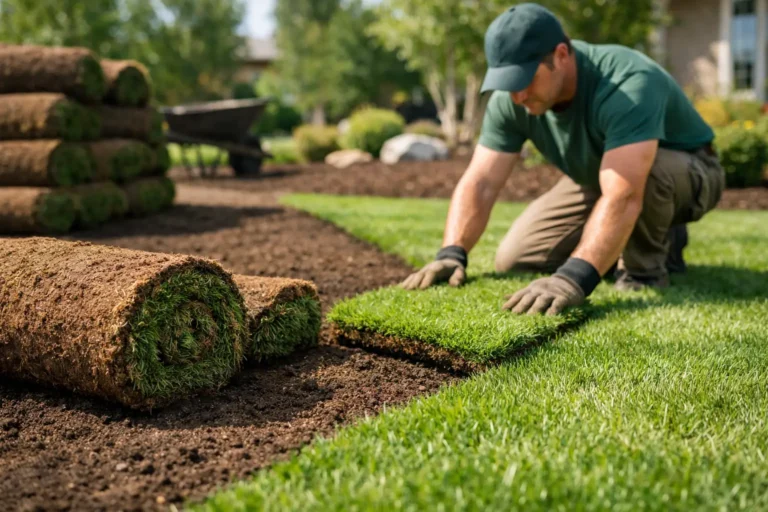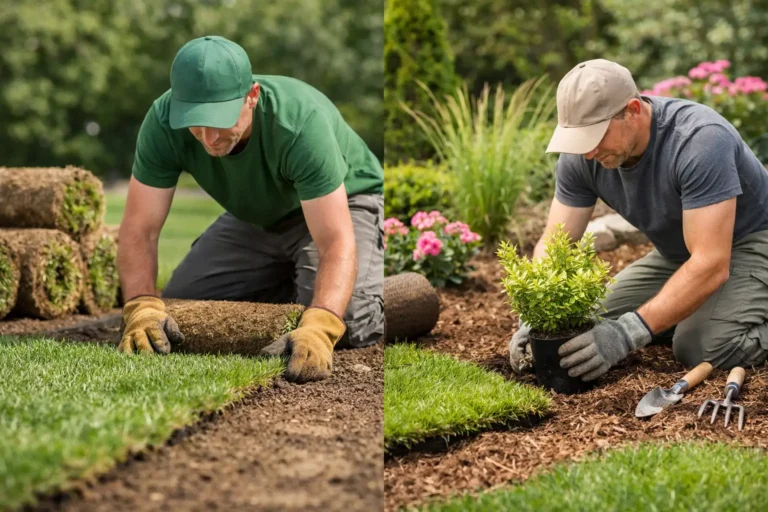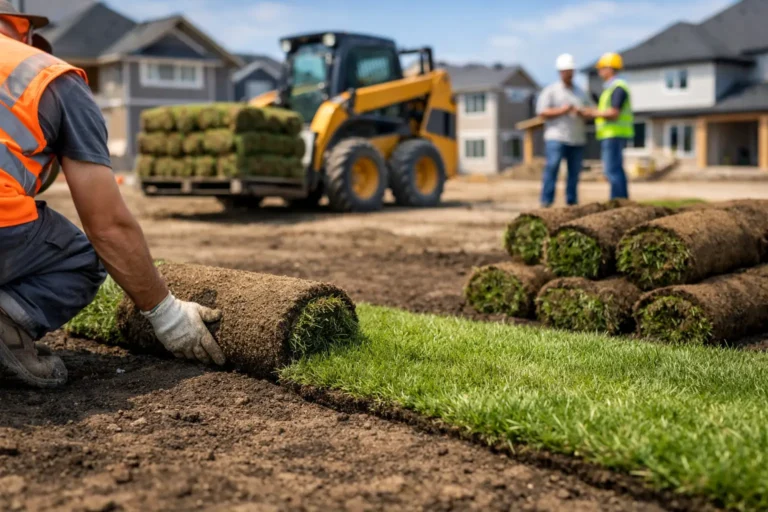

If you’ve ever looked at a dead lawn, a muddy new build lot, or a backyard full of weeds and thought, “How much is this actually going to cost me?” – you’re asking the right question. A real guide to sod estimates should do more than toss out a price per square foot and hope for the best. It should explain what you’re paying for, what changes the number, and where cheap quotes usually come back to bite you.
That matters because sod pricing is never just about the grass. The lawn you see at the end is the result of removal, grading, soil prep, delivery, installation, and aftercare planning. If one of those pieces gets skipped, you may save money up front and spend more fixing a lawn that never rooted properly.
What a sod estimate is actually measuring
A sod estimate starts with square footage, but that is only the first layer. Most people assume the contractor measures the yard, multiplies by a rate, and sends the number over. Nice idea. Real life is messier.
The estimate usually reflects the condition of the site, how accessible the yard is, whether the old lawn needs to be torn out, and how much prep work is needed before fresh sod can go down. A flat, clean lot with good soil is faster and cheaper to install than a yard with ruts, compacted clay, grub damage, poor drainage, and a narrow gate that turns every wheelbarrow trip into a workout.
That is why two lawns with the same square footage can get very different estimates. The grass area might match, but the labor, equipment time, and prep requirements do not.
How to measure your lawn before you price it
You do not need surveying equipment to get close. A tape measure, a measuring wheel, or the property plan from your purchase documents will get you a number good enough to start the conversation. Break the lawn into simple shapes, work out each one, and add them together.
For a rectangle or a square, multiply length by width: a strip 30 feet wide and 40 feet long is 1,200 square feet. For a triangle, multiply the base by the height and divide by two. For a circle, multiply the radius by itself and then by 3.14. Curved beds, winding walkways and irregular property lines are where this stops being tidy, and the practical move is to cut the area into smaller rectangles, triangles and circles and round each one up rather than down.
If you would rather not do the arithmetic, our sod calculator adds the shapes up for you and turns the total into a roll count.
Measure only what will actually receive sod. Patios, decks, garden beds, sheds, driveways and mulched areas all come out of the total. That sounds obvious until you are standing in the yard with a tape measure and a rough idea of where the bed ends.
Add a realistic waste allowance
Sod arrives in pieces and gets cut to fit around gardens, trees, patios, utility boxes and curved borders. Those cuts create offcuts, and the offcuts are not free. A clean open rectangle needs very little allowance. A yard with tree rings and a rounded patio needs more.
Five to ten percent is the usual range for estimating purposes – the low end for simple lots, the high end for detailed ones. That is not padding the number. It is the difference between finishing the last section and standing in a bare corner waiting on a second delivery. If your measured area is 1,200 square feet and the layout is irregular, ordering for 1,320 gives you the ten percent.
Your own measurement is the opening number, not the order. Before any sod is cut the area gets measured properly on site, because a figure taken off a property plan does not know about the slope, the tree roots, or the gate that will not take a pallet.
The biggest factors that affect sod estimates
If you want a useful guide to sod estimates, focus on the variables that move the price the most.
Lawn size
Bigger lawns cost more overall, but the price per square foot can sometimes improve on larger projects. Setup, travel, and delivery costs are spread over more area. On a small patch job, those fixed costs have less room to hide.
Tear-out and disposal
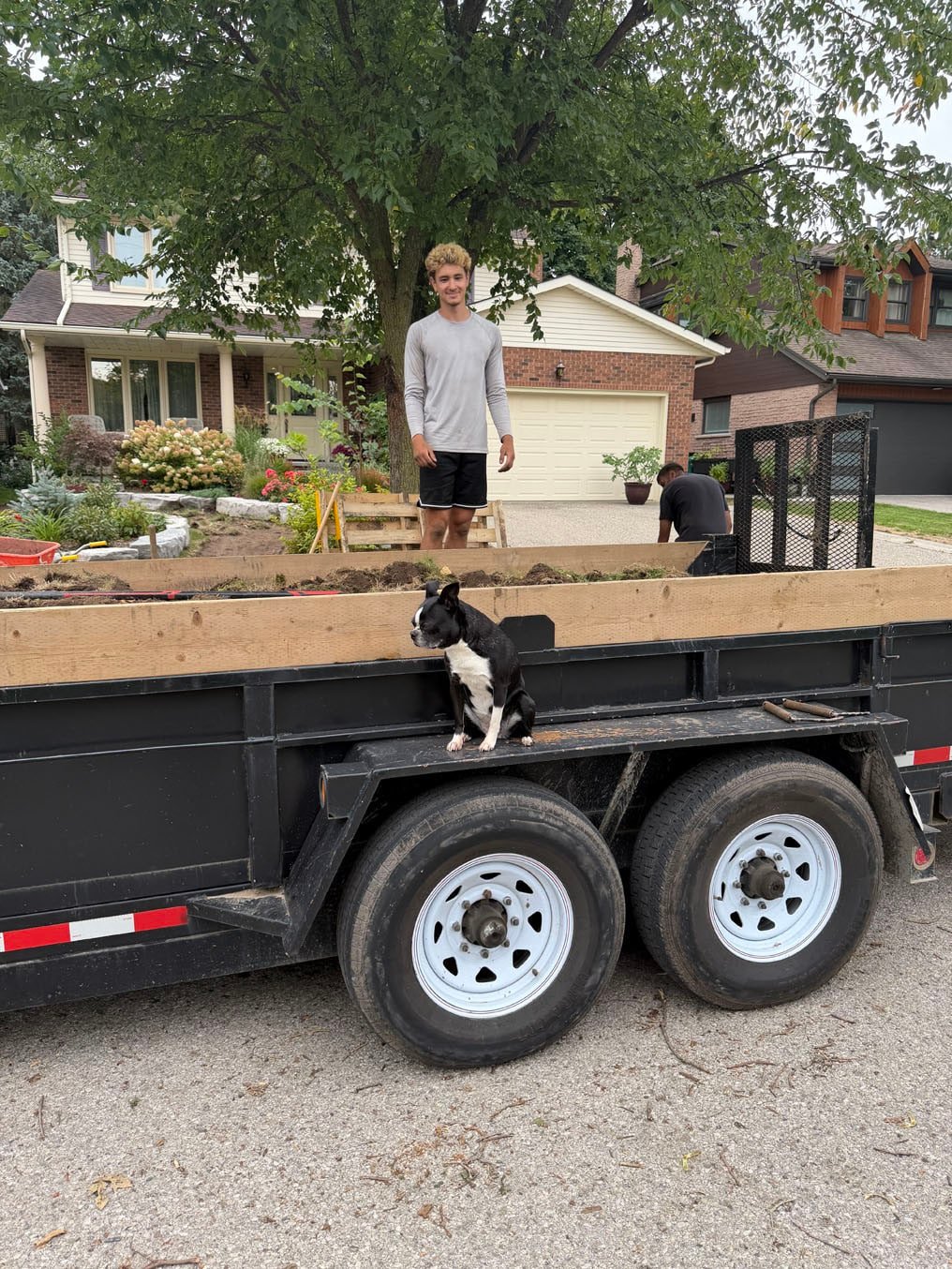
If your existing lawn is dead, full of weeds, or uneven, old material often needs to come out before new sod goes in. That includes removing grass, roots, debris, and sometimes construction leftovers that somehow ended up where topsoil should be. Disposal adds labor, dump fees, and machine time.
Grading and leveling
This is where estimates can change fast. If water pools near the house, the yard slopes badly, or the surface is full of dips and humps, grading is not optional. It is the part that helps the new lawn look good and function properly after the install.
A lawn can be green and still be wrong. If water sits in the wrong spots, sod struggles, roots stay weak, and the finish looks rough once everything settles.
Soil preparation
Fresh sod needs a good base. That can mean adding topsoil, loosening compacted ground, correcting low areas, and creating a surface that allows rooting. Good prep is not glamorous, but it is the reason one lawn establishes cleanly while another starts peeling back at the seams.
Access to the site
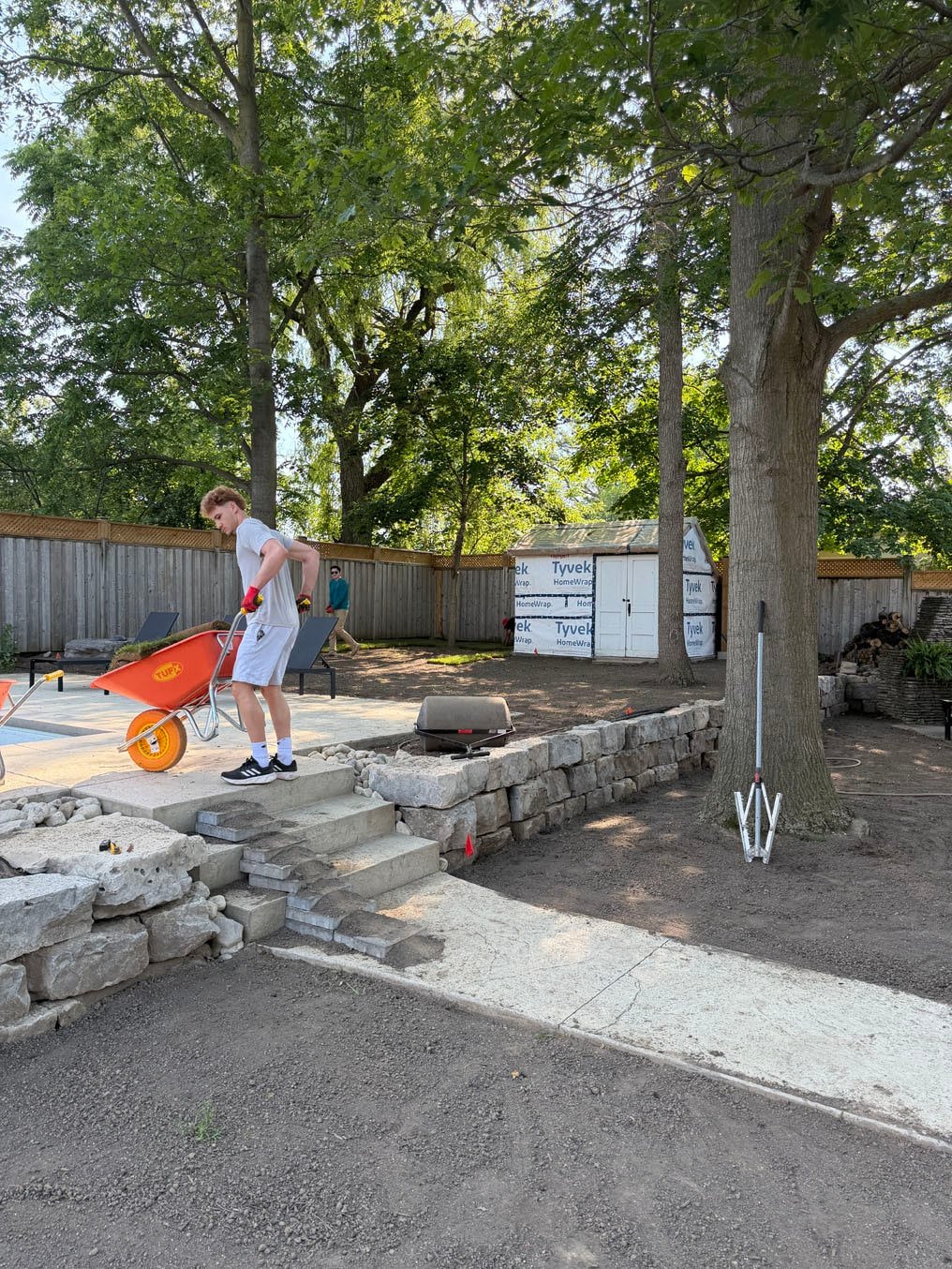
If installers can back a truck close to the lawn, the job is simpler. If they need to move pallets through a tight side yard, around fences, across a long driveway, or into a backyard with limited access, labor goes up. It is not dramatic. It is just time, and time shows up on the estimate.
Shape of the property
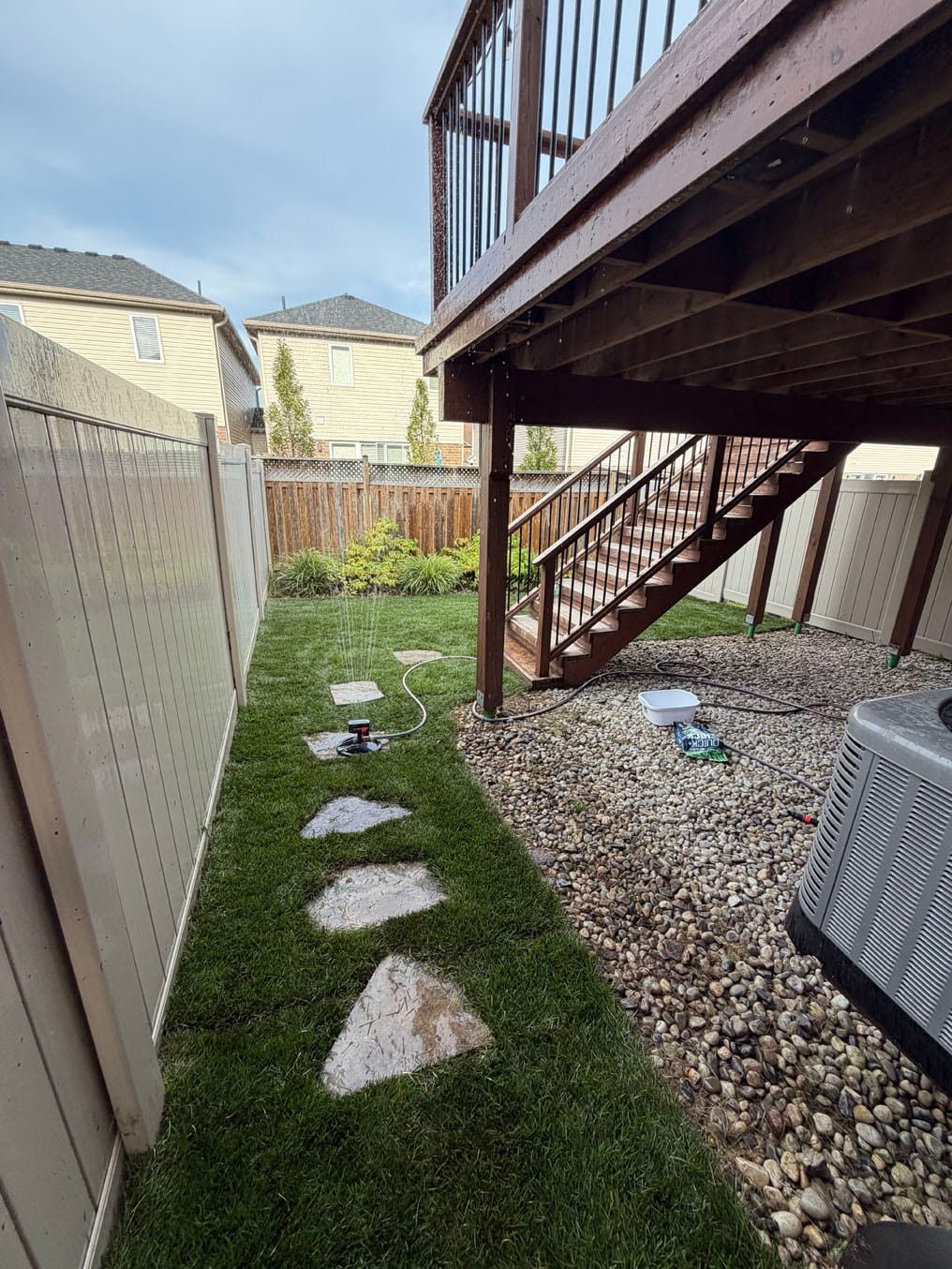
Simple rectangles are efficient. Curved beds, narrow side strips, tree rings, and lots of obstacles create more cuts and more waste. Sod is a natural product, but it does not magically trim itself around every garden edge.
What should be included in a sod estimate?
A solid estimate should be clear enough that you know what is happening before the crew shows up. If the quote is vague, the final bill has more room to get creative, and that usually does not work in the customer’s favor.
At minimum, the estimate should identify the scope of work. That may include removal of old lawn, rough or finish grading, topsoil or soil amendments, sod supply, installation labor, cleanup, and any recommended treatments such as grub control or starter fertilizer. Watering and aftercare instructions should also be part of the conversation, because even perfect installation still depends on proper care during the rooting period.
Ask about the finish as well as the scope. Will the seams be staggered and the sod rolled once it is down? How will the edges be finished along walkways, driveways, garden beds and fences? Is the first watering done before the crew leaves? Those details shape how the lawn looks on day one and how evenly it roots after that.
You should also know whether the estimate is based on an in-person site visit or a rough online measurement. Online tools are useful for ballpark pricing. A site visit is what gives you a number that actually reflects the yard you own instead of the yard a satellite image thinks you own.
Why the cheapest quote is often the most expensive lawn
Everybody likes saving money. Nobody likes paying twice.
Low sod estimates often look attractive because they strip out the parts homeowners do not see right away. Maybe the old turf is not fully removed. Maybe the grading is rushed. Maybe the soil is barely touched. Maybe the sod quality is lower, or the install team is trying to finish three jobs in one day.
The problem is that sod is not paint. You cannot just slap it over a bad surface and hope curb appeal does the heavy lifting. Weak prep leads to gaps, uneven rooting, drainage issues, soft spots, and a lawn that looks tired way too soon.
A fair estimate is not the lowest number. It is the one that matches the real condition of the site and includes the work needed to get a lasting result.
That does not make the most expensive quote the right one either. A higher price is only worth paying when you can see what it buys: preparation a cheaper quote left out, fresh sod, or a careful install.
Where you can save money
You can keep the cost down in sensible ways. If most of the lawn is healthy, repairing the damaged sections can make more sense than replacing the whole yard. Doing the front and back yard in one visit can cost less than booking two small jobs, because the setup is spread over more square footage.
What should not be trimmed is the work under the sod: whatever removal of the old lawn, grading and topsoil the yard needs stays in the quote.
How homeowners can get a more accurate estimate
There are a few ways to make the estimating process faster and more accurate without turning your weekend into a surveying project.
Start by knowing the rough size of the area and being honest about the condition of the lawn. If there are drainage issues, pet damage, grub problems, or large bare sections, mention them. If access to the backyard is tight, say that too. Photos help, especially when they show slopes, gates, patios, and problem spots.
It also helps to be clear about your goal. Are you replacing the whole lawn? Fixing sections after a renovation? Installing sod on a new build lot that still needs grading and soil work? The estimate changes based on the outcome you want, not just the grass area.
If you are comparing quotes, compare scope, not just price. One contractor may be quoting premium sod, proper soil prep, and finish grading. Another may be pricing little more than delivery and roll-out. Those are not the same job, even if both use the word installation.
Sod estimates for new builds vs lawn replacement
New construction and lawn replacement projects often get priced differently because the site conditions are different.
On a new build, the lawn area may be bare, but that does not mean it is ready. Builders’ lots often need cleanup, grading correction, and quality topsoil before sod can be installed. The ground may be compacted from construction traffic, and drainage around the home needs to be considered carefully.
For lawn replacement, the challenge is usually removal and recovery. There may be an old lawn to strip, weeds to deal with, pest damage to address, and existing grade problems to correct without disturbing surrounding features. In established neighborhoods, access can also be trickier than on open lots.
Neither type is automatically cheaper. It depends on what the site needs.
What to expect after you approve the estimate
Once the estimate is approved, the next steps should be straightforward. You should know the installation timeline, what prep work is included, and what you need to do after the sod is laid.
That last part matters more than people think. Fresh sod needs consistent watering from day one. Miss that window, and even the best installation can struggle. A good contractor will tell you exactly how to care for it during the first few weeks and what signs to watch for as the roots establish.
This is one reason specialized sod installers tend to stand out from general contractors. They are not just putting down a product. They are managing the conditions that help it take hold.
Weather is one of those conditions. Heavy rain, or ground too wet to grade without leaving soft spots, can move an install date.
The smartest way to read a sod estimate
Read it like a scope of work, not just a price tag. Look for what is included, what is assumed, and what could change once the site is inspected. Ask questions if something sounds too broad or too cheap.
A professional estimate should give you confidence, not homework. It should show that the contractor understands the lawn, the prep, and the real work required to make the yard look finished fast and stay healthy after install. Right On Sod approaches estimates that way because the goal is not just to lay green grass – it is to leave you with a lawn that looks like it belongs there.
The best estimate is not the one that tells you what you want to hear. It is the one that tells you what your lawn actually needs, before the first roll of sod ever hits the ground.