
A lawn can go from “a few thin spots” to a full-blown eyesore faster than most homeowners expect. Grubs, compacted soil, shade, poor grading, dog traffic, and construction damage all leave their mark. When patching has become a yearly ritual with nothing to show for it, it is time to look at the best lawn replacement options and choose a fix that actually fits your property.
The right answer is not always the cheapest material on day one. It is the option that works with your soil, sunlight, drainage, budget, and tolerance for maintenance. Here is how the major choices stack up.
Best Lawn Replacement Options: Start With the Site
Before choosing sod, seed, artificial turf, or ground cover, figure out why the original lawn failed. Replacing grass without correcting the cause is like putting fresh paint over a water stain. It might look better for a while, but the problem is still there.
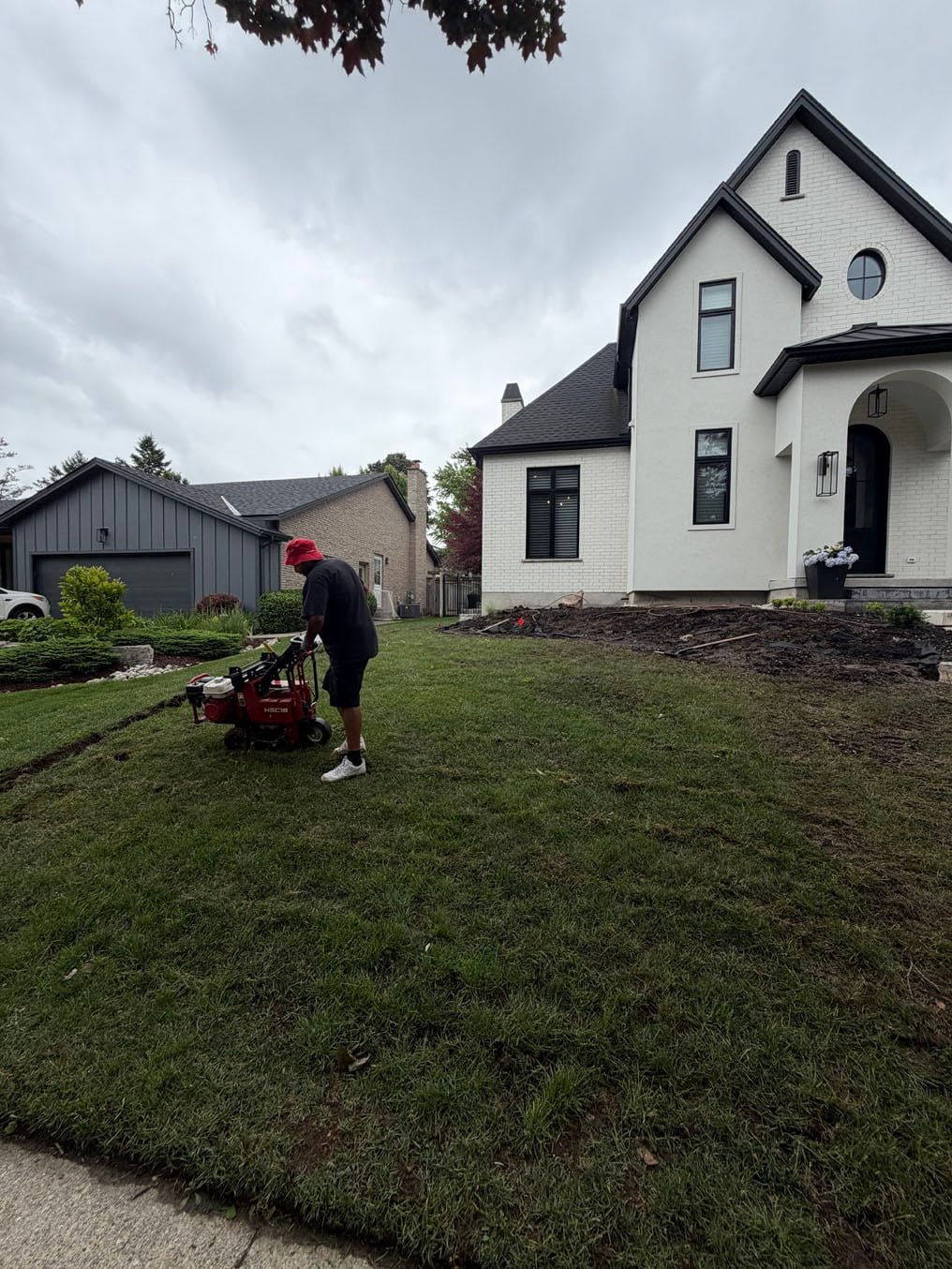
Walk the yard after a heavy rain. Water that sits for more than a day points to a grading or drainage issue. Check how many hours of direct sun the area receives, especially around mature trees and between homes. Dig into the soil, too. Hard, pale, rocky, or construction-compacted soil will not give new grass much of a fighting chance.
For many Waterloo Region properties, the work below the grass matters most. Proper grading, weed removal, quality topsoil, and soil preparation create the conditions for healthy roots. Skip that work, and even premium grass can struggle.
Premium Sod: The Fastest Complete Reset
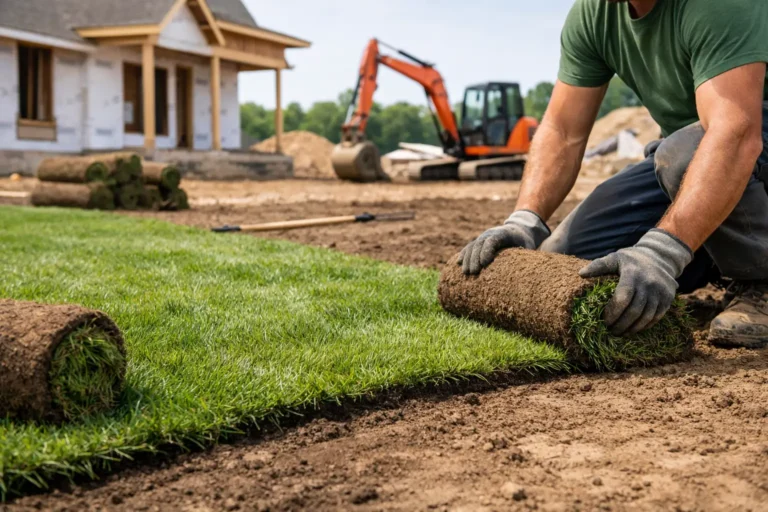
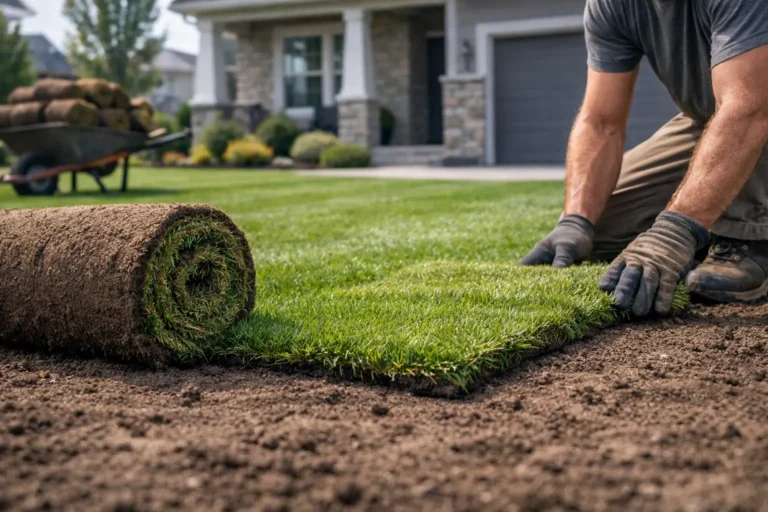
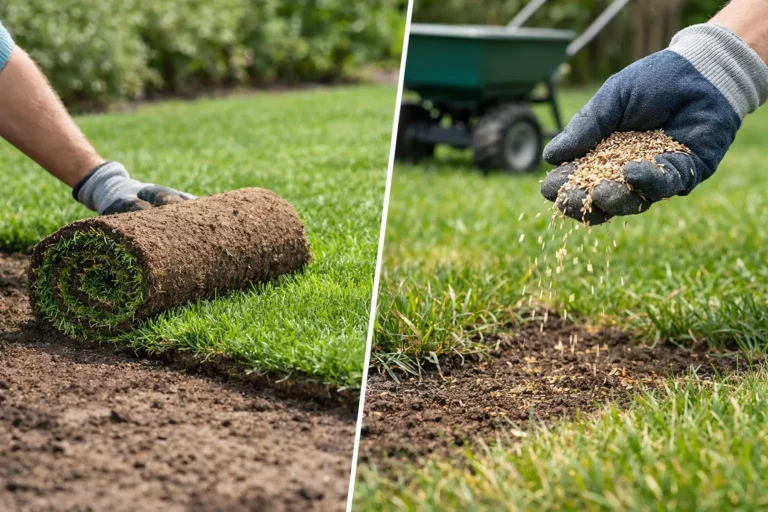
Sod is the go-to choice when you want a real lawn now, not a hopeful patchwork project. It arrives as mature, farm-grown turf with an established root system and gives a property an immediate, finished look.
This makes sod especially practical for dead or heavily damaged lawns, new builds, homes being listed for sale, and commercial properties that need curb appeal on a schedule. It also reduces the long waiting period when a seeded lawn is vulnerable to washouts, weeds, and foot traffic.
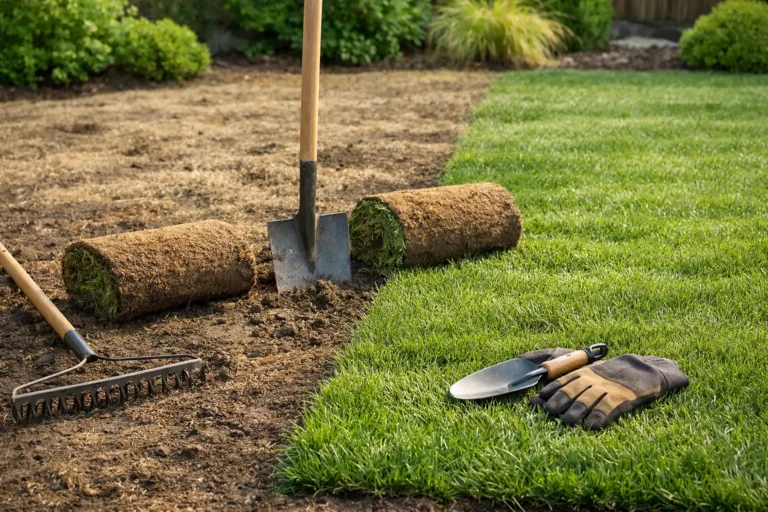
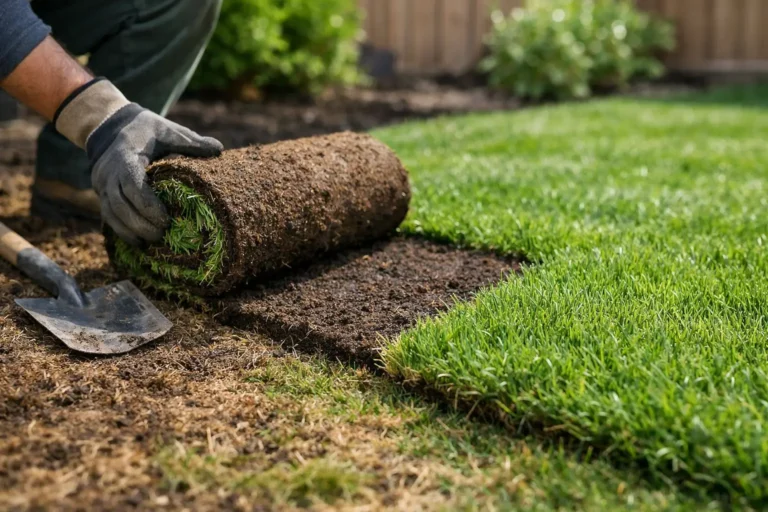
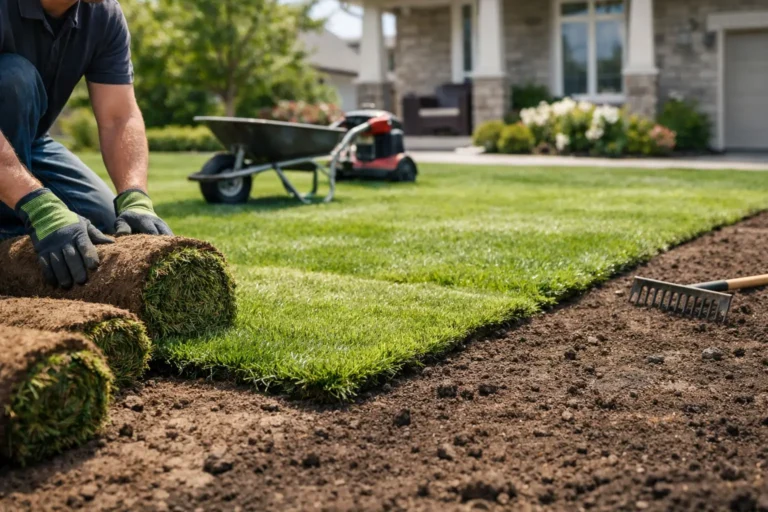
The catch is that sod is only as good as its installation. New sod needs level, prepared soil, tight seams, firm contact with the ground, and consistent watering while it roots. Laying rolls over old weeds, ruts, or poor drainage is not a lawn replacement. It is an expensive cover-up.
For sunny residential yards, a quality Kentucky bluegrass blend is often a strong fit because it creates the classic dense, green lawn many homeowners want. It can recover from ordinary wear and has excellent visual appeal. In partial shade, a mix with fine fescue may be the better call. A sod specialist can match the turf type to the yard rather than treating every lot the same.
Sod costs more upfront than seed, but it gives you reliable coverage immediately and avoids much of the uncertainty. For homeowners who are tired of looking at dirt, this is usually the best balance of speed, value, and long-term results.
Seed: Lower Upfront Cost, More Patience Required
Grass seed is a legitimate lawn replacement option when the budget is tight, the area is large, or you have time to nurture the lawn through establishment. It also offers flexibility in selecting grass varieties for sun, shade, traffic, or drought tolerance.
The trade-off is simple: seed requires patience and careful timing. A newly seeded yard needs steady moisture, protection from traffic, and ongoing weed management. Heavy rain can move seed, birds can snack on it, and summer heat can dry out emerging grass before it has built strong roots.
Fall is often the friendliest season for seeding because the soil is warm while air temperatures are cooler. Spring can work, but new grass must compete with vigorous weeds and may enter summer before it is well established.
Seed makes sense for smaller repairs and less visible areas where immediate results are not essential. For a front yard that needs to look finished quickly, or for a property with serious soil and grading problems, seed may save money initially but demand more time and follow-up work.
Artificial Turf: Green Without Mowing, But Not Without Trade-Offs
Artificial turf delivers a permanently green appearance without mowing, watering, or fertilizing. It can be useful in narrow side yards, pet runs, small shaded spaces where grass repeatedly fails, or areas that receive constant foot traffic.
It is not, however, a magic carpet for every backyard. Artificial turf can heat up significantly in direct summer sun, does not provide the cooling effect of living grass, and needs a carefully built drainage base. Pet waste, leaves, and debris still need regular cleaning. Lower-quality products can also look flat, shiny, or tired over time.
For most full-size residential lawns, artificial turf is a major upfront investment and can feel less natural than the real thing. It is generally best used strategically, not automatically as a replacement for every square foot of grass.
Clover and Low-Grow Ground Covers
Clover has earned a second look from homeowners who want a softer, lower-input alternative to traditional turf. It stays green through dry spells better than many grass types, fixes nitrogen in the soil, and can reduce the need for fertilizer. Microclover is often blended with grass or used on its own for a tidy, low-growing look.
Still, clover is not for everyone. It attracts pollinators when blooming, which is great for biodiversity but may not suit a play area for people with bee allergies. It can also develop an uneven appearance under heavy traffic and does not always deliver the crisp, classic lawn look expected around a formal front yard.
Other ground covers, such as creeping thyme or sedum, can work in small sunny spaces, slopes, and difficult planting beds. They are not built for soccer games, frequent pets, or regular mowing. Think of them as landscape solutions for problem zones rather than replacements for an active family lawn.
Mulch, Stone, and Planting Beds for No-Mow Areas
Some sections of a yard should not be lawn at all. Deep shade beneath trees, narrow strips beside a house, steep slopes, and areas with constant drainage problems can be better served by mulch, stone, shrubs, and perennial beds.
This approach reduces mowing and can add structure to a property, but it needs thoughtful installation. Stone can trap leaves and radiate heat. Mulch needs periodic topping up. Planting beds need the right plants for the light and moisture conditions. Done well, though, converting the hardest-to-grow areas can make the remaining lawn easier to maintain and much better looking.
Do Not Ignore Grading and Soil Preparation
The material gets the attention, but preparation gets the result. A proper replacement project starts by removing failed turf, weeds, and debris. Next comes grading to direct water away from the home and eliminate low spots. Fresh, properly leveled topsoil creates a rooting zone that can hold moisture and nutrients without becoming compacted.
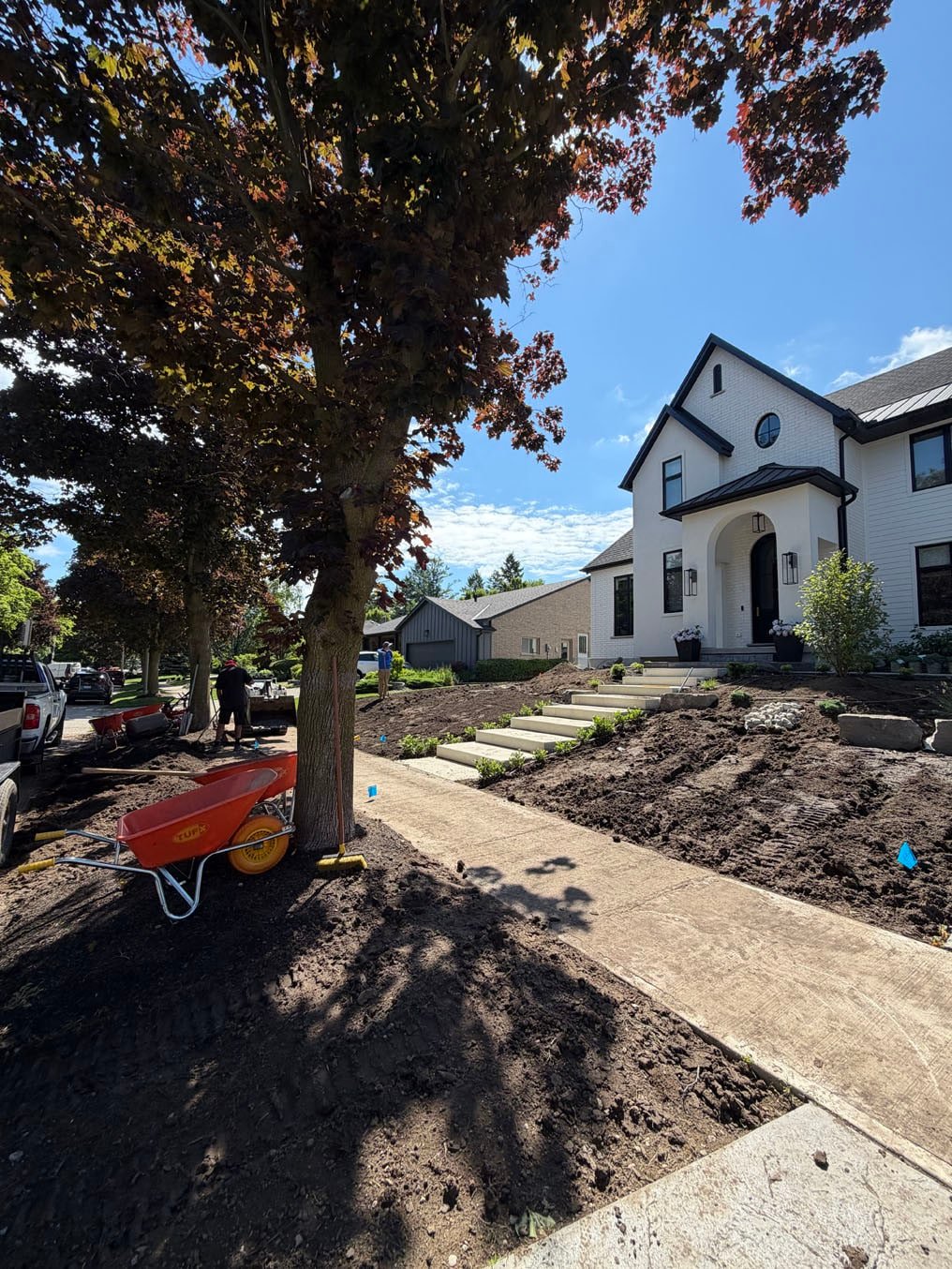
This is where a professional installation earns its keep. A lawn that is rough, uneven, or poorly drained will keep reminding you about shortcuts every time it rains or you mow. Right On Sod focuses on the complete process because great sod deserves a foundation that lets it root, spread, and stay healthy.
Which Option Is Right for Your Yard?
Choose sod when you want a fast, polished transformation and are willing to invest in professional preparation. Choose seed when you can wait for results and are ready to manage watering and weeds closely. Use artificial turf for targeted high-wear or low-light areas where real grass has repeatedly failed. Consider clover, ground covers, or planting beds where low maintenance and ecological value matter more than a traditional turf appearance.
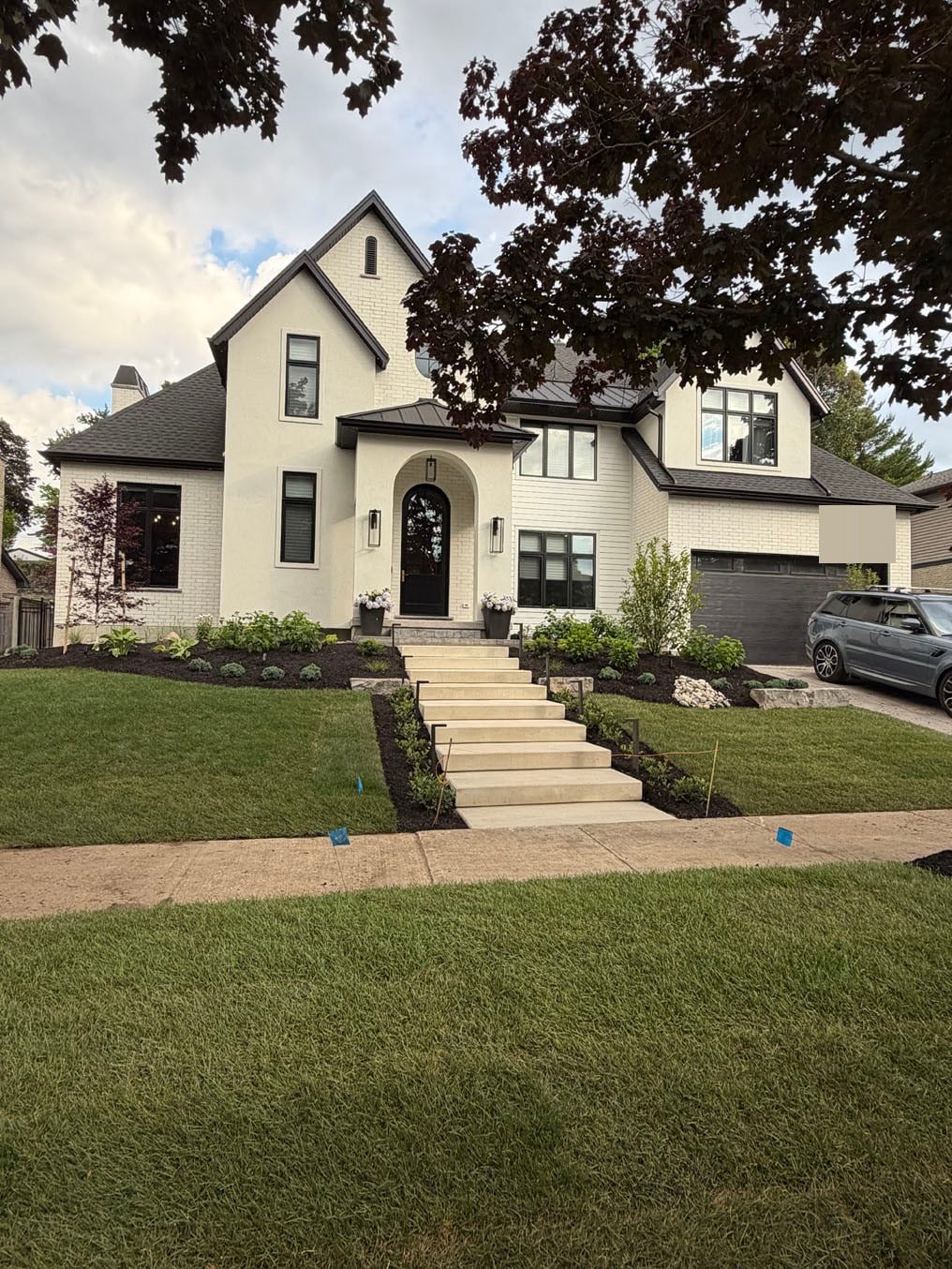
Many of the best yards use more than one approach. A fresh sod lawn can handle the open, sunny center of the yard, while mulch beds solve the shaded perimeter and turf handles a small pet run. That is not a compromise. It is smart design.
A replacement lawn should make weekends easier, improve the view from the street, and hold up to the way you actually live. Start with the condition of your property, fix what caused the failure, and choose the surface that will still look right after the first season is over.