

A yard can look simple from the street. Then the crew shows up, the old lawn comes off, and suddenly the real issues appear – compacted soil, low spots, poor drainage, grub damage, and uneven grade left behind by construction. That is where the question of sod specialist versus landscaper stops being theoretical. It becomes a decision that affects how your lawn looks in two weeks and how it performs next season.
If your project is mainly about creating or replacing a healthy lawn, the right hire is not always the broadest service provider. A general landscaper may handle a little of everything. A sod specialist is focused on one result: a lawn that roots properly, drains correctly, and looks finished fast.
Sod specialist versus landscaper: what is the real difference?
The biggest difference is focus. A landscaper typically works across patios, planting beds, shrubs, mulch, retaining walls, seasonal cleanup, and general outdoor improvements. Some also install sod, but it is often one service among many.
A sod specialist builds the project around the lawn itself. That means tear-out, grading, soil preparation, sod selection, installation timing, watering guidance, and post-install care are treated as the main job, not an add-on. When a lawn fails, it is usually not because the grass was green on day one. It is because the prep underneath was rushed or the site conditions were not corrected before installation.
That difference matters more than most homeowners realize. Fresh sod can make almost anything look good for a short time. The real test is whether it roots evenly, drains well, and holds up after the first stretch of hot weather or heavy rain.
When a landscaper makes sense
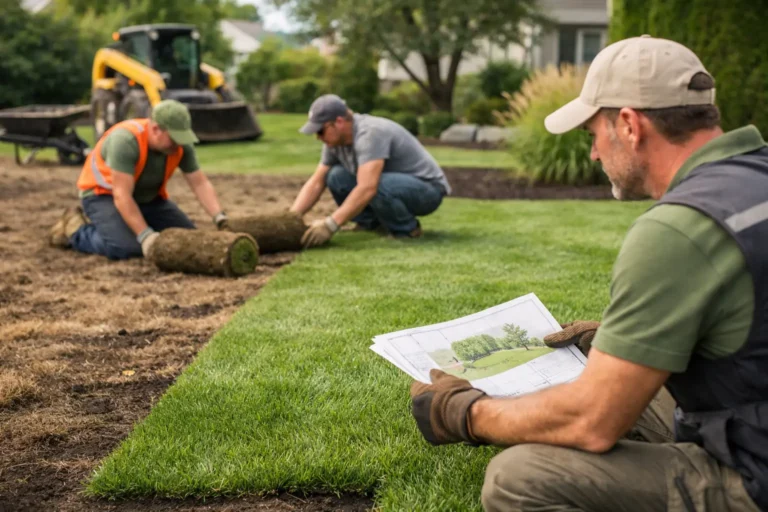
There are plenty of projects where a landscaper is the right choice. If you are redesigning the whole yard and the lawn is just one part of a bigger plan, a general landscaper can coordinate the complete outdoor build. That may include beds, edging, stonework, trees, irrigation, and final lawn finishing.
A landscaper can also be a practical fit for smaller touch-ups. If you only need a few small sod patches after another project, and there are no major grading or drainage concerns, a qualified landscaper may handle it just fine.
The key phrase there is qualified. Not every landscaper approaches lawn prep with the same level of attention. Some do excellent sod work. Others treat it like the last step after the more visible features are done. If the lawn is a secondary priority, the finished result often shows it.
When a sod specialist is the better hire
If your existing lawn is dead, thin, uneven, or full of problem areas, a sod specialist is usually the better fit. The same goes for bare lots, new builds, major lawn replacements, and properties with drainage concerns.
These projects are less about placing rolls of grass and more about fixing the conditions underneath. A sod specialist is looking at slope, water movement, topsoil quality, soil depth, compaction, and root establishment. That is what gives you a lawn that looks good after installation and continues to perform.
This is especially important when the site has been disturbed by construction. New home lots often have subpar soil, debris under the surface, and rough grading that creates pooling water. A lawn installed over those issues may green up at first, then struggle as soon as roots hit poor soil or saturated areas.
The part most people underestimate: soil prep and grading
If you only compare sod specialist versus landscaper based on who can lay sod, you are missing the most important part of the job. The real value is in prep.
Proper grading helps direct water away from the home and prevents puddling in low areas. Proper soil preparation creates a root zone that can support healthy growth. Without both, even premium sod can fail or become a maintenance headache.
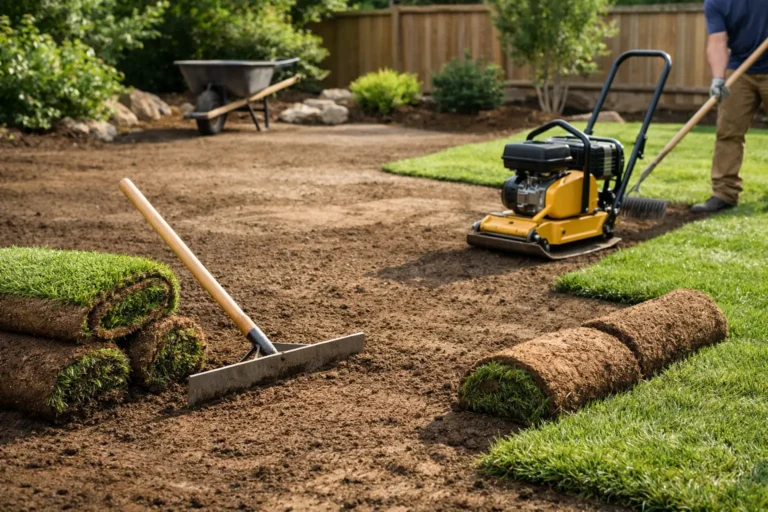
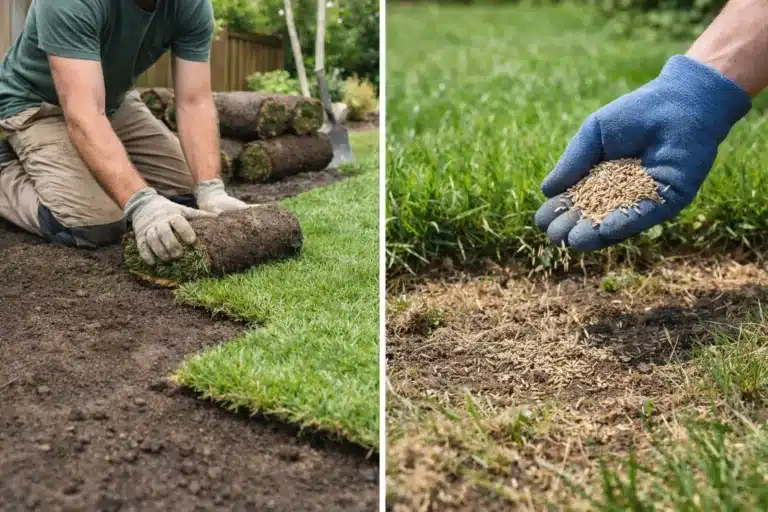
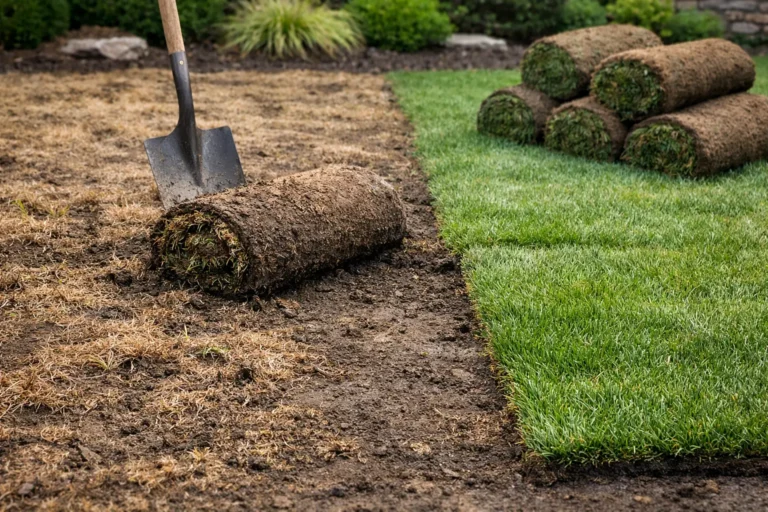
Good prep usually means removing old turf when needed, loosening compacted ground, bringing in quality soil, leveling rough spots, and creating the right final grade before any sod is installed. It may also mean addressing grub damage or correcting areas where the lawn has repeatedly thinned out for reasons that were never solved.
This is where specialization pays off. A sod-focused crew is trained to spot the details that affect rooting and long-term performance. They are not just trying to leave a yard looking tidy by the end of the day. They are trying to set up the lawn to succeed.
Speed matters, but only if the job is done right
One reason homeowners choose sod is speed. You do not want to wait through the uncertainty of seed, erosion, washout, and patchy germination. You want a finished lawn now.
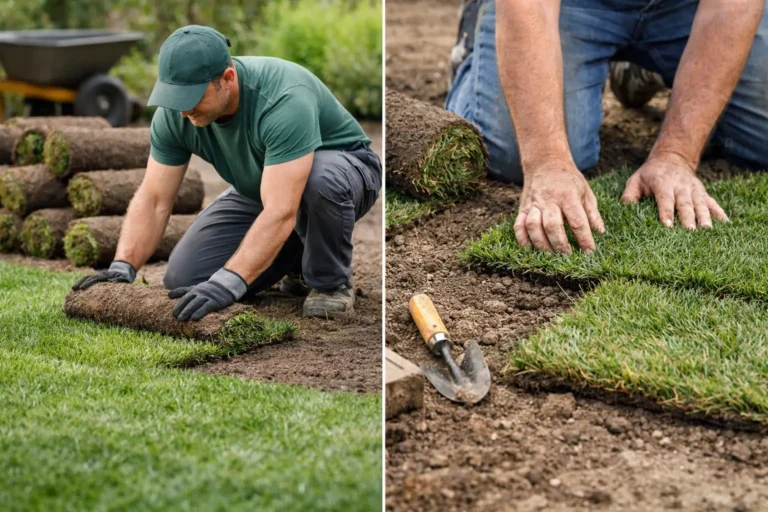
That makes installation efficiency a real advantage, but speed without process is not a benefit. A fast crew that skips proper tear-out or lays sod over poorly prepared soil can leave you with an expensive problem that takes months to fix.
A true sod specialist is built for both speed and precision. The workflow is tighter because the crew handles these projects every day. Materials are scheduled around freshness. Site prep is not improvised. The result is a lawn that transforms the property quickly without cutting corners where it counts.
Cost: cheaper upfront is not always cheaper overall
It is natural to compare estimates and look for savings. But when you are choosing between a sod specialist and a landscaper, price only makes sense if you understand what is included.
One quote may cover basic sod installation on the existing surface. Another may include tear-out, grading corrections, soil amendments, disposal, and aftercare instructions. Those are not equal scopes, even if both are described as a new lawn.
The cheaper number can become the expensive one if the lawn develops drainage issues, seams separate, or weak rooting leads to dieback. Rework costs more than doing the prep correctly the first time.
That does not mean the highest quote is automatically the best. It means you should ask where the money is going. If a contractor cannot explain how they are preparing the site for long-term success, the lower number may come with higher risk.
Questions worth asking before you hire
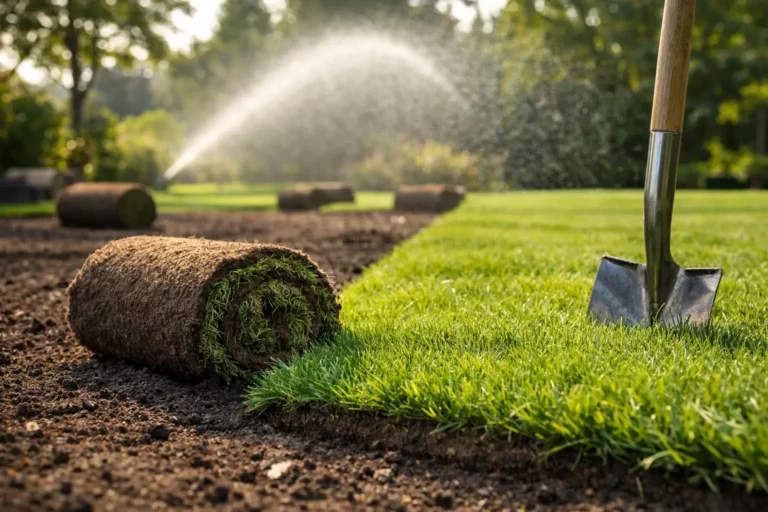
The best hiring decisions usually come from a few direct questions. Ask what the contractor will do with the existing lawn, how they handle grading, what type of soil prep is included, and how they assess drainage. Ask how soon the sod is installed after delivery and what kind of watering and first-cut guidance you will receive.
If your property has had recurring issues, bring those up early. Tell them where water sits, where the lawn dies off, or where grubs have caused damage before. A specialist should have a clear plan for addressing the cause, not just replacing the surface.
It is also fair to ask what kind of projects they do most often. If lawn installation is only an occasional service, that is useful information. If it is the core service, that usually means a more refined process and fewer surprises.
What this means for homeowners and property managers
For a homeowner, the right choice often comes down to whether the lawn is the project or just one part of a larger outdoor upgrade. If the lawn is the main issue, hire for lawn expertise. If the property needs a full redesign, a landscaper may be the better fit or may work alongside a sod-focused contractor.
For builders and property managers, reliability matters just as much as workmanship. Timelines, accurate estimating, site readiness, and consistent results across multiple properties are hard to achieve with a jack-of-all-trades approach. Specialized crews tend to be more predictable because the process is repeatable.
That is one reason companies like Right On Sod focus so heavily on end-to-end lawn installation rather than trying to be everything to everyone. The narrower the mission, the stronger the execution tends to be.
So who should you hire?
If your goal is a healthy, finished lawn with proper grading, solid soil preparation, and a fast turnaround, a sod specialist is usually the stronger choice. If your lawn is just one item inside a broader landscape renovation, a landscaper may make more sense.
The important thing is to match the contractor to the real job, not the label. Sod is not hard to roll out. Building a lawn that lasts is harder. That is where experience shows up.
A good yard should not just look better on installation day. It should drain right, root deep, and make the property easier to enjoy. Hire the team that treats that outcome like the main job, because it is.
One Comment