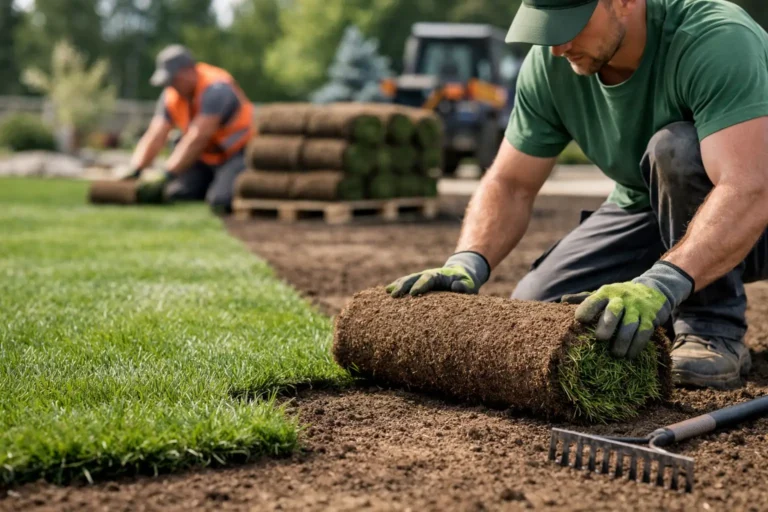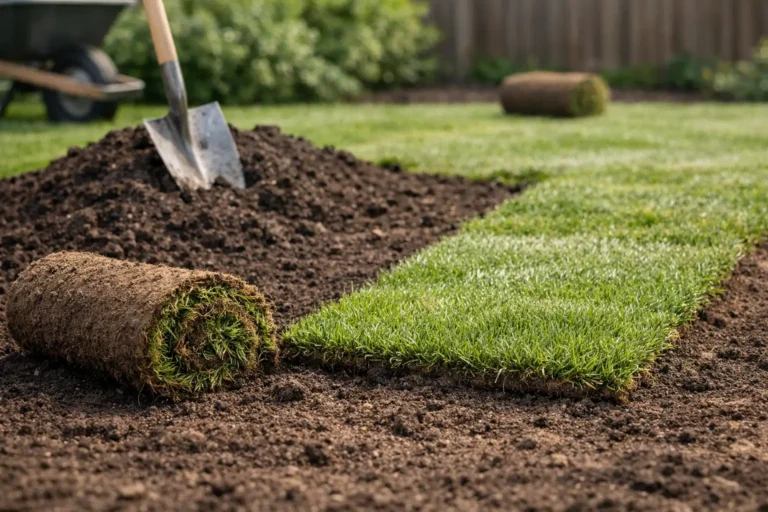

If your yard looks like it lost a fight with grubs, drainage, dog traffic, and a few bad seasons, patching it one more time usually will not save it. Lawn replacement Waterloo homeowners need is often less about making grass look prettier and more about fixing the reason the lawn failed in the first place. A fresh layer of sod on top of bad soil or poor grading is just an expensive way to repeat the same problem.
That is why full replacement makes sense when the lawn is more dead than alive, the surface is lumpy, water sits where it should drain, or the soil was wrecked during construction. In those cases, starting over is faster, cleaner, and usually more cost-effective than spending months throwing seed, fertilizer, and hope at a lawn that is already checked out.
When lawn replacement in Waterloo makes more sense than repair
A lot of lawns can be repaired. Thin areas, small grub patches, and light winter damage are not always a full reset. But if more than a third of the lawn is struggling, repair starts turning into a band-aid job.
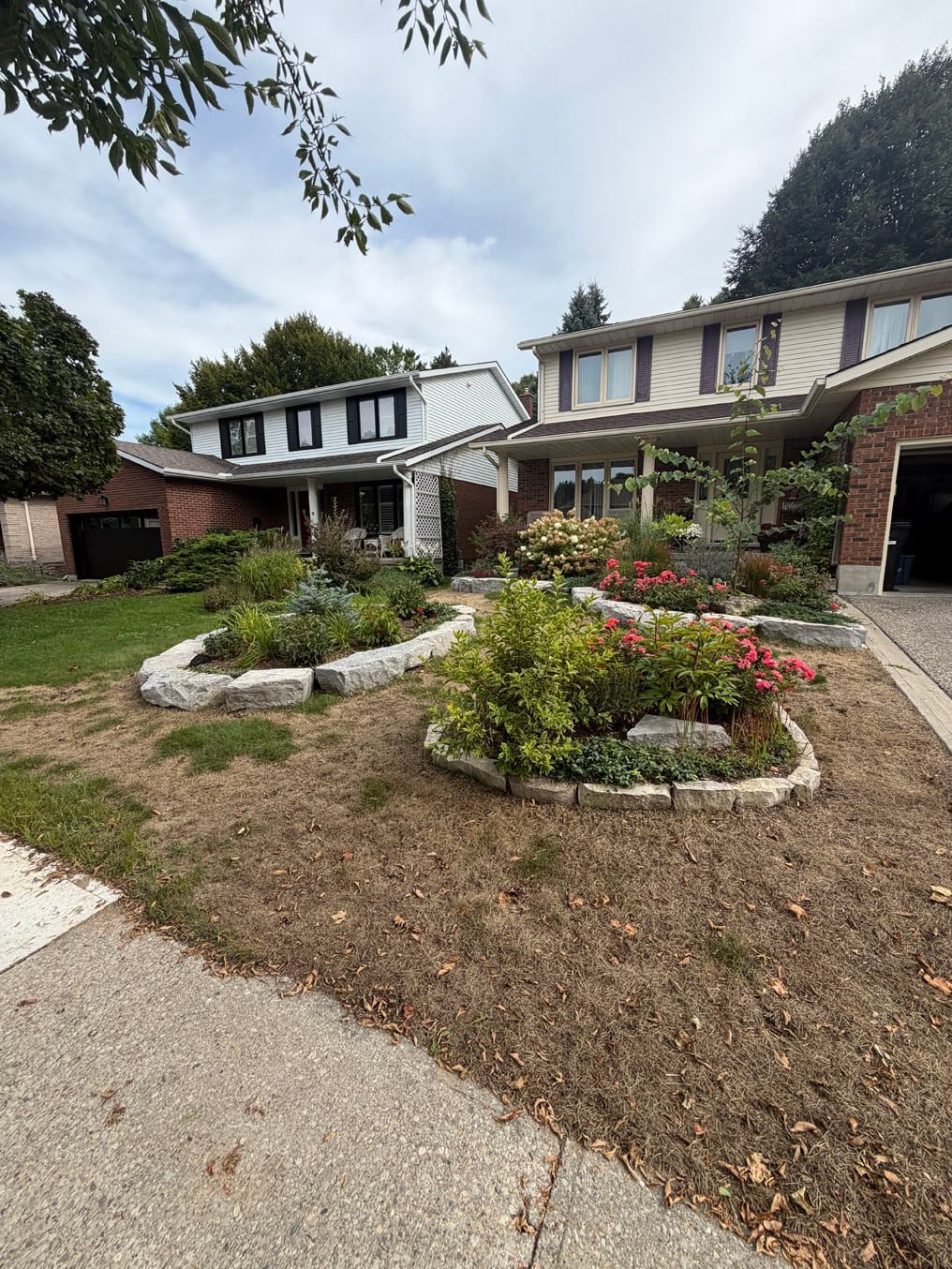
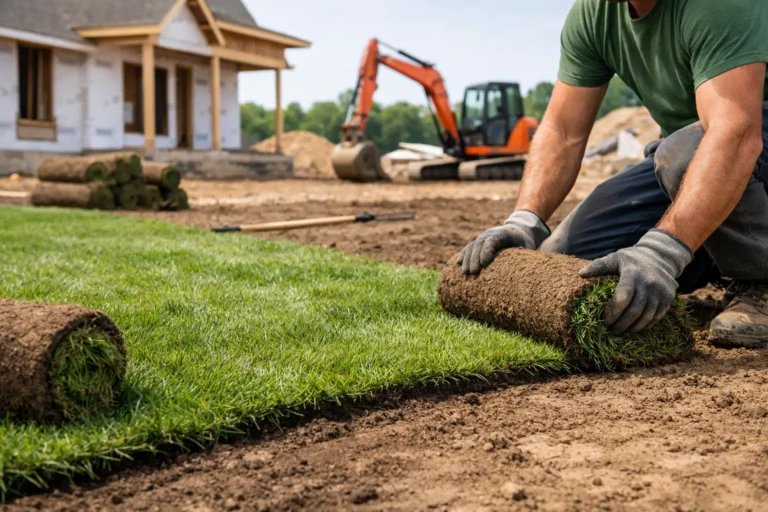
The usual red flags are easy to spot. You have widespread bare patches, deep ruts, heavy weed pressure, compacted soil, drainage issues, or turf that never rooted well in the first place. New-build homes are a common example. The lot may have been graded for construction, but that does not always mean it was finished for a healthy lawn. Subsoil gets exposed, topsoil is thin, and the surface may hold water near the house or slope the wrong way.
Older lawns fail for different reasons. Years of neglect, repeated grub damage, shade stress, pet wear, and poor mowing habits can leave the yard too far gone for a simple repair. If your lawn looks different every ten feet and none of it looks good, replacement is probably the smarter call.
What a proper lawn replacement actually includes
Good lawn replacement is not just old grass out, new grass in. The work under the sod is what decides whether the lawn looks great for a season or stays healthy long term.
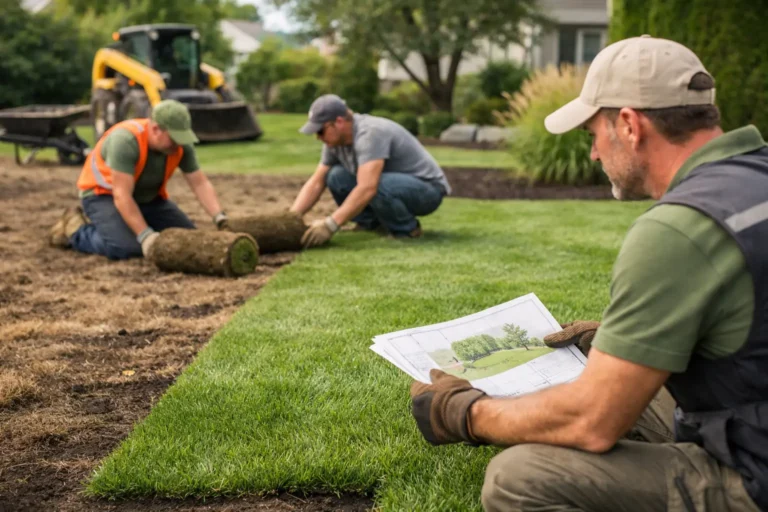
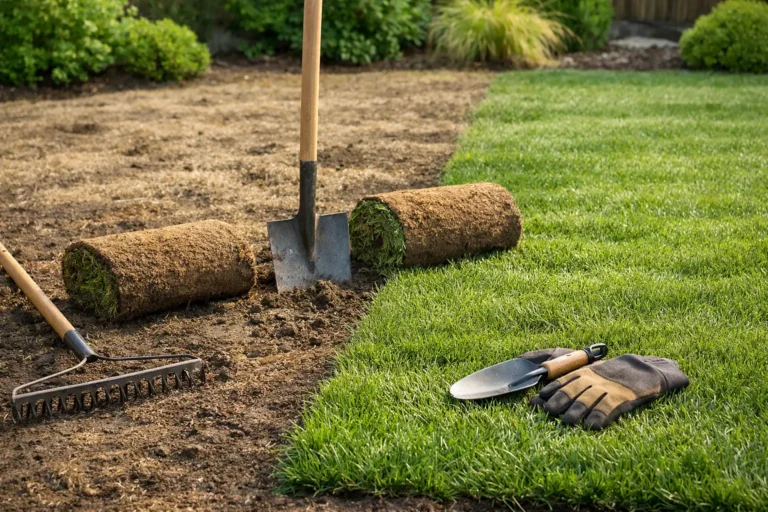
It starts with tearing out the existing lawn and clearing debris. That removes dead turf, weeds, and shallow root systems that keep getting in the way. After that comes grading and soil preparation. This is where a sod specialist earns their keep. The surface needs to be shaped for proper drainage, smoothed for a clean finish, and prepped with enough quality soil for the sod to root.
Soil prep is the part most people do not see and absolutely should care about
A lawn can only be as good as what it is growing in. If the soil is compacted, full of clay, stripped after construction, or unevenly spread, fresh sod will struggle to establish. It may green up at first because sod comes looking healthy, but if the roots cannot push into the soil below, problems show up fast.
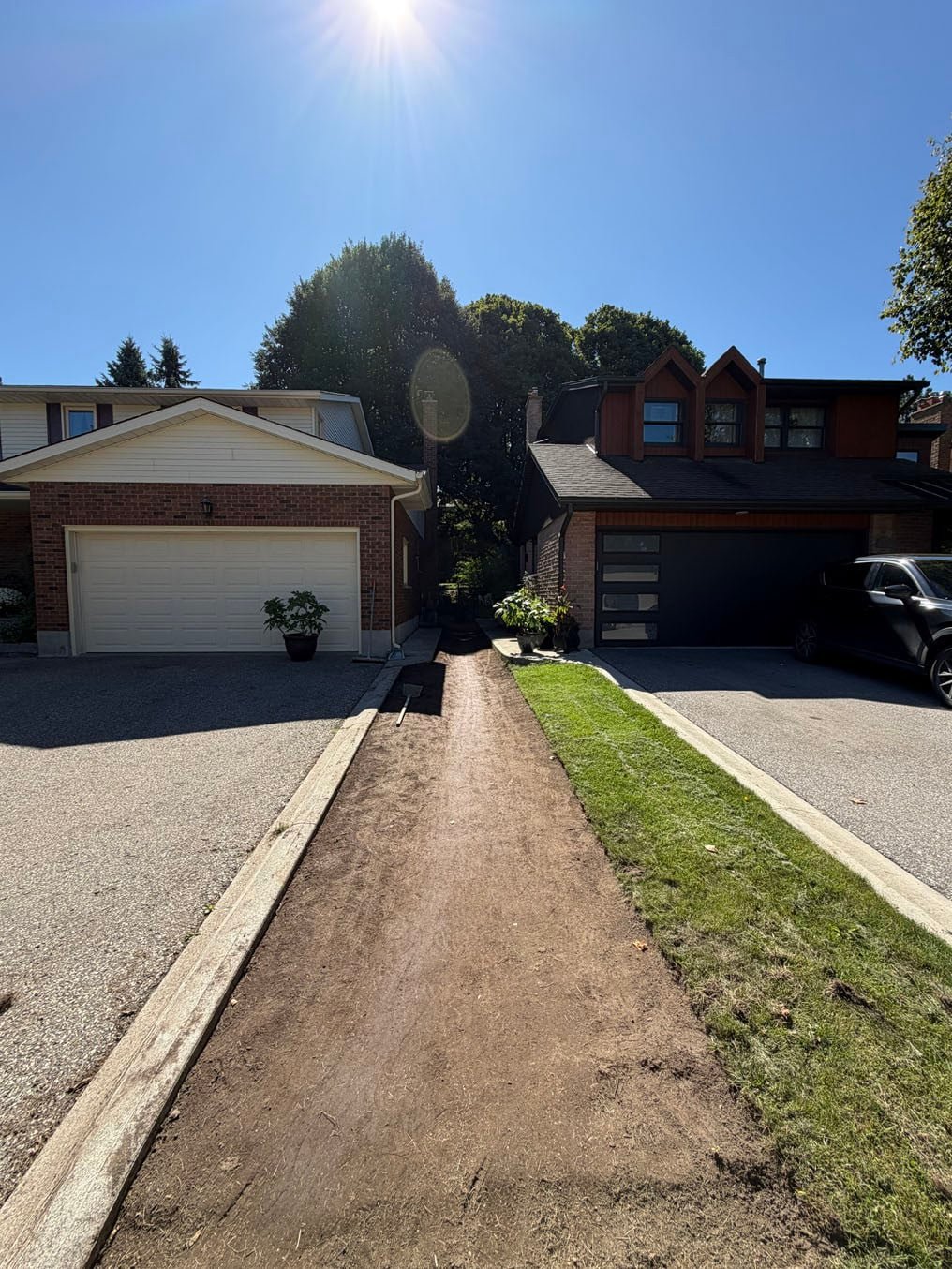
Proper prep can include loosening compacted areas, adding or leveling topsoil, and correcting rough grades. It can also mean addressing trouble spots where water collects or runs too hard. A dedicated sod crew treats this part as the job, not as background work before the “real” installation starts.
Fresh sod gives fast results, but timing and installation still matter
One reason homeowners choose replacement over seeding is speed. Sod gives you an immediate finished look instead of a muddy waiting period with patchy germination and a lot of crossed fingers. But fast results do not mean rushed work.
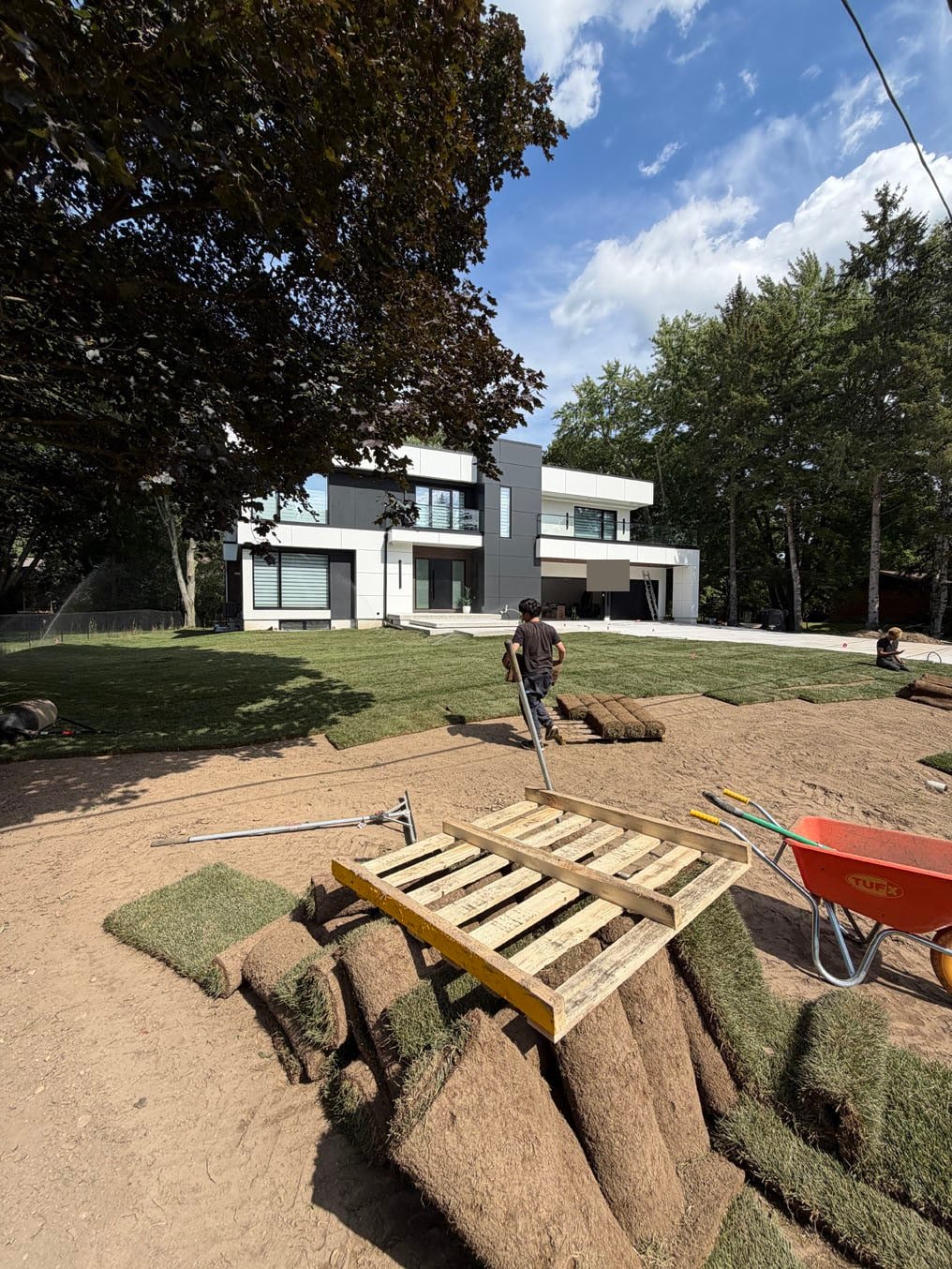
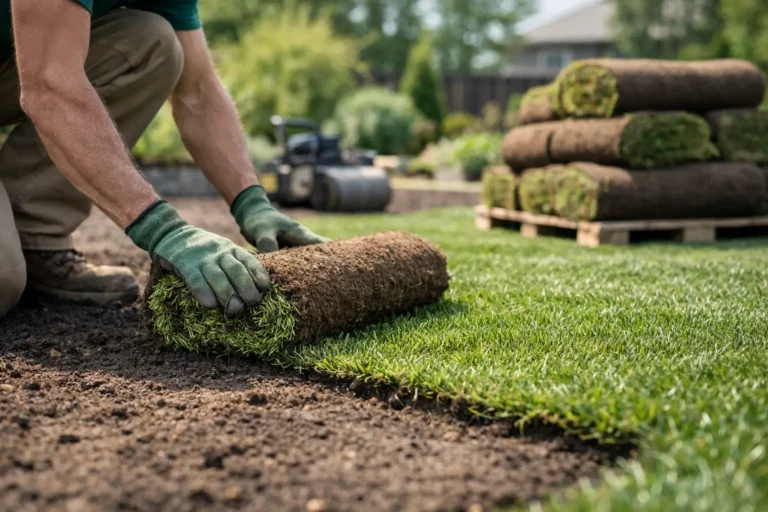
The sod should be fresh, installed tightly, and rolled properly so the roots make contact with the soil. Watering needs to start right away. Ontario conditions can be hard on a new lawn if the install is sloppy or the timing is off, especially in heat or dry stretches. Done properly, sod establishes quickly and gives you a lawn that looks finished almost immediately.
The Waterloo factor – why local conditions matter
Waterloo lawns deal with a mix of clay-heavy soils, variable drainage, summer heat, and spring moisture swings. Add in new subdivisions, compacted builder lots, and snow mold or salt stress from winter, and it becomes pretty clear why generic lawn advice does not always help.
A lawn that fails in this region usually has a reason. Maybe the grade sends water back toward the house. Maybe the topsoil layer is too thin to support healthy roots. Maybe grubs have been chewing through the same weak lawn for two summers in a row. Replacement works best when the solution matches the actual site conditions, not when someone just drops sod and heads to the next job.
That local experience matters for both homes and commercial properties. Residential customers want curb appeal and a yard they can actually use. Builders and property managers need clean, on-time work that looks finished and holds up. In both cases, the details below the surface affect the outcome above it.
What affects lawn replacement cost
The honest answer is that pricing depends on the size of the area and how much prep the lawn needs. A flat, accessible yard with minimal tear-out is a very different job from a backyard with poor access, drainage issues, old turf removal, and heavy grading.
The biggest cost factors are usually square footage, removal of the existing lawn, topsoil needs, grading complexity, access for crews and materials, and whether pest or damage issues need to be dealt with first. Grub damage, for example, may need treatment before new sod goes down. Otherwise, you are replacing the symptom and leaving the cause.
Cheap quotes can look good until you realize they skipped the part that keeps the lawn alive. If a price sounds too low, it often means little or no real prep, lower-quality sod, or a rushed install. That is fine if your goal is a green yard for a couple of photos. It is not fine if you want the lawn to root, drain properly, and still look good after the first heat wave.
Why specialist work beats general landscaping for sod replacement
There is a difference between a company that offers sod as one of twenty services and a crew that focuses on lawn installation and replacement every day. Sod replacement looks simple from the street. Underneath, it is a technical job.
The grading has to be right. The soil depth has to be right. The sod needs to be fresh and installed correctly. The watering guidance after installation has to be clear and realistic. If any of those pieces are weak, the lawn pays for it.
That is why homeowners often get better results from a dedicated sod company than from a general landscaper squeezing lawn work between patios, mulch jobs, and fence projects. Focus matters. When the crew understands rooting, drainage, and prep for local conditions, you get more than a quick cosmetic upgrade.
How to know you are ready to replace your lawn
If you are tired of chasing repairs, that is usually your answer. A lawn replacement is worth considering when you want immediate curb appeal, a more usable yard, and a clean reset from recurring problems.
It also makes sense when you are finishing a new build, cleaning up after major renovation work, preparing a home for sale, or fixing a lawn that has become more frustration than function. The best projects are not always the biggest disasters. Sometimes the lawn is just tired, uneven, and holding the whole property back.
If you want a fast transformation, this is one of the most direct upgrades you can make outside the house. You do not need to spend a season guessing whether seed will fill in. You can fix the grade, install premium sod, and move on with your life.
Right On Sod approaches lawn replacement the way it should be handled – with straight answers, solid prep, and no pretending that dead grass is a mystery. If the lawn can be repaired, that should be said. If replacement is the smarter investment, it should be done properly the first time.
A good lawn changes how the whole property feels. It makes the house look sharper, the yard easier to use, and the maintenance less of a headache. And if your current lawn is beyond saving, starting fresh is not overkill. It is just common sense with better grass.