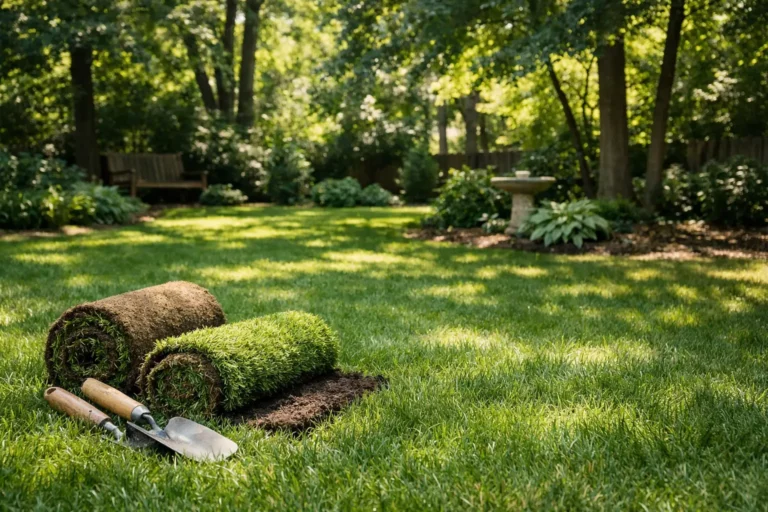

A fresh lawn can make a new build look finished, make a tired property look cared for, and make a backyard worth using again. But Kitchener new lawn installation is not just a matter of rolling out green sod and hoping for rain. What happens underneath that sod decides whether you get a thick, healthy lawn or an expensive patchwork of thin grass, puddles, and bare seams.
That is why the fastest-looking part of the job should never be the only part of the job. Quality sod gives you immediate results. Proper grading, soil preparation, and watering give those results a chance to last.
What a Proper New Lawn Installation Includes
A new lawn should start with the site, not the sod truck. Construction traffic, old lawn roots, compacted clay, leftover debris, and uneven grades can all work against new grass. If the surface is hard, low spots collect water, and the topsoil is thin, even premium sod will struggle to establish roots.
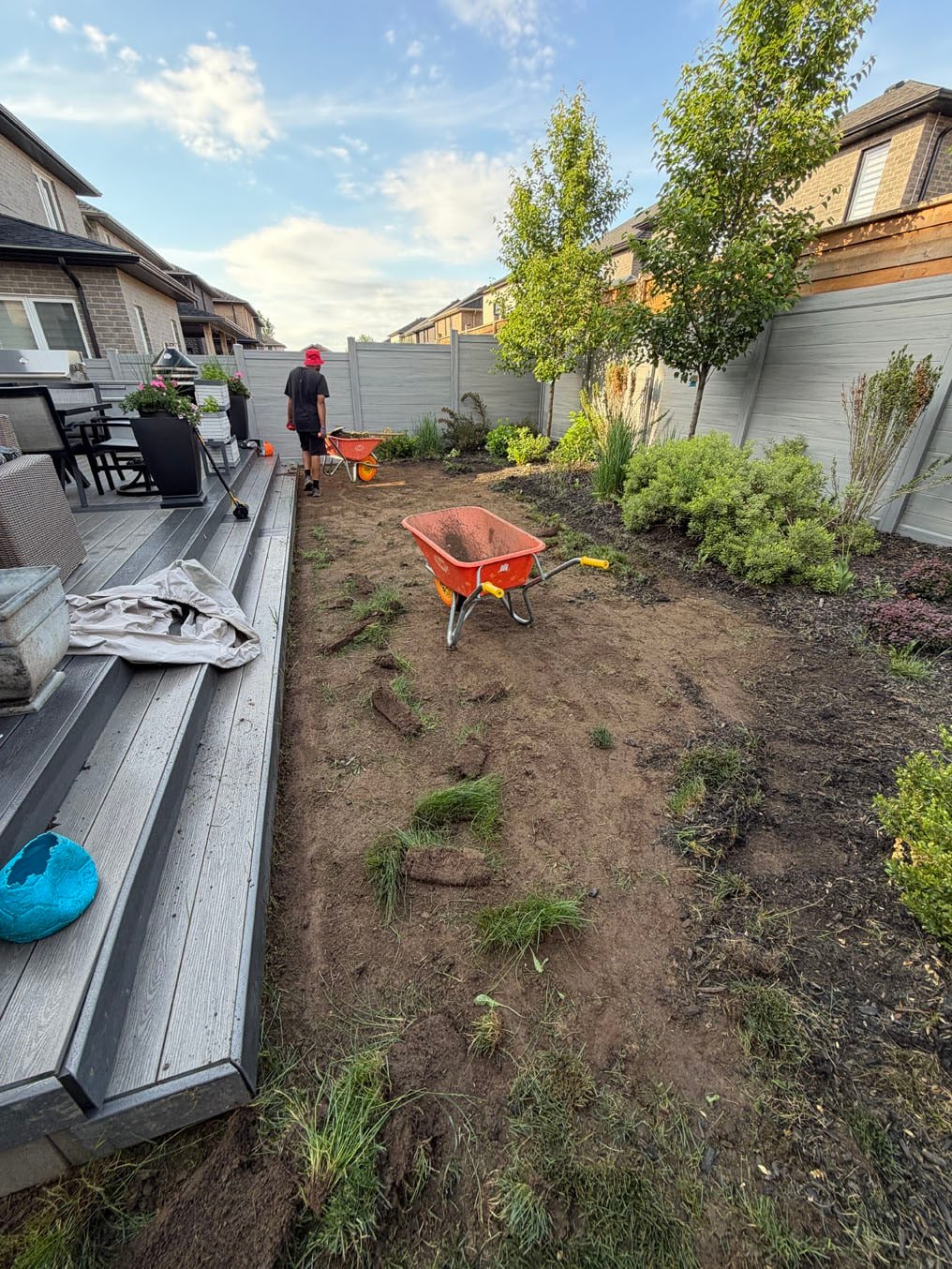
A professional installation begins by assessing the grade and drainage. The lawn should direct water away from the home without creating a swampy corner near a fence, patio, or neighboring property. Some properties need minor leveling. Others need more extensive grading before sod can go down. Skipping this step might save money on day one, but fixing drainage after a lawn is installed usually means lifting sod and doing the work twice. Nobody orders that project for fun.
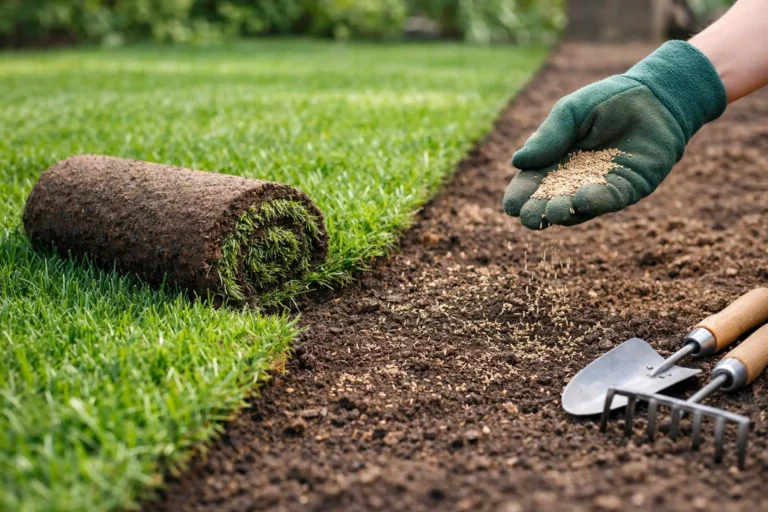
Once the grade is right, the ground needs to be cleared, cultivated, and prepared with suitable soil. Fresh, workable topsoil gives sod roots a place to grow downward rather than sitting on a compacted surface. The final grade is then smoothed and firmed so the lawn is level without being packed hard as concrete.
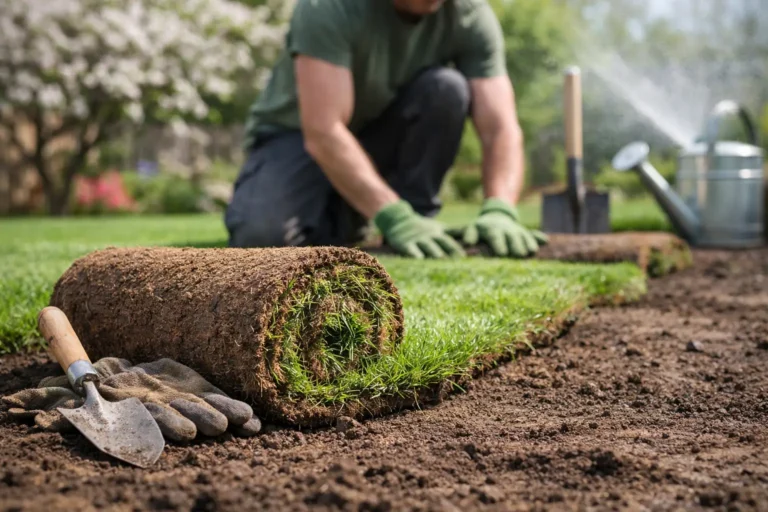
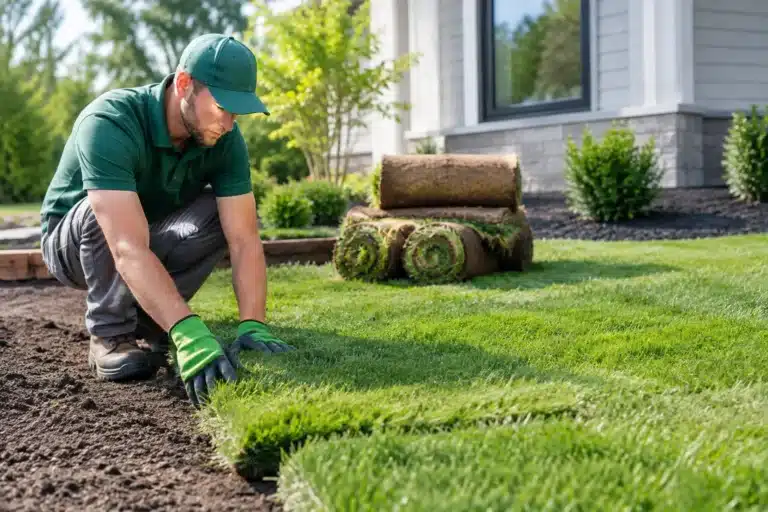
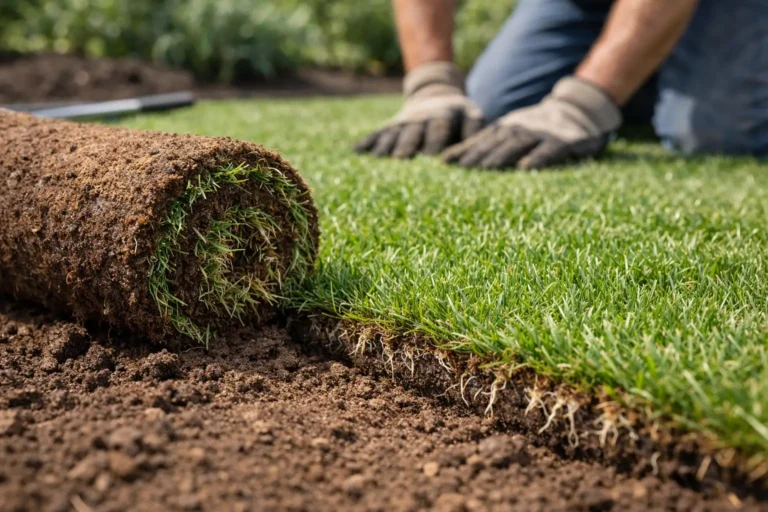
Only then is it time to install farm-fresh sod. The pieces should be laid tightly, staggered like brickwork, and rolled to create full contact with the soil below. Seams that are left open dry out quickly. Sod that bridges dips in the ground can look fine for a week, then sink or brown as it settles.
Why Sod Beats Seed When You Need Results Now
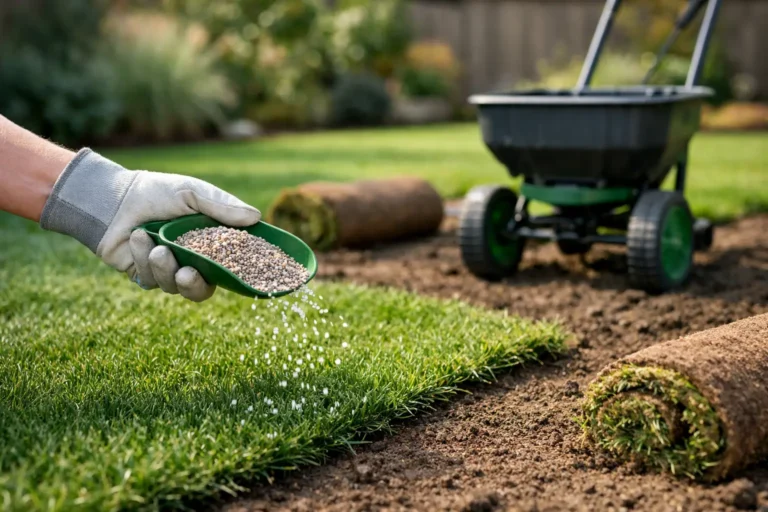
Seeding has its place, especially on very large properties or areas where timing and budget allow for a slower process. But it comes with variables: weather, birds, washouts, uneven germination, weeds, and weeks of keeping people off the area while it fills in.
Sod gives homeowners and builders an instant finished appearance. More importantly, it provides a dense grass surface from day one, which helps reduce erosion on newly graded soil. For a property coming out of construction, that matters. Bare soil can wash, rut, and turn into mud long before seed has a chance to establish.
Sod is also a strong option for lawn replacement after grub damage, renovation work, drainage repairs, or a failed patch-and-repair cycle. If you are tired of looking at more dirt than grass, a full reset is often more predictable than trying to rescue a lawn with years of problems hiding below the surface.
The trade-off is straightforward: sod costs more upfront than seed, and it needs disciplined watering immediately after installation. The payoff is speed, consistency, and a lawn that looks like a lawn instead of a science experiment.
Kitchener New Lawn Installation Needs the Right Prep
Waterloo Region properties often present a familiar mix of challenges: clay-heavy ground, compacted lots, new-build grading, shaded areas, and water that settles where it should not. A lawn installed without accounting for those conditions can look great at the handoff and disappoint by the next season.
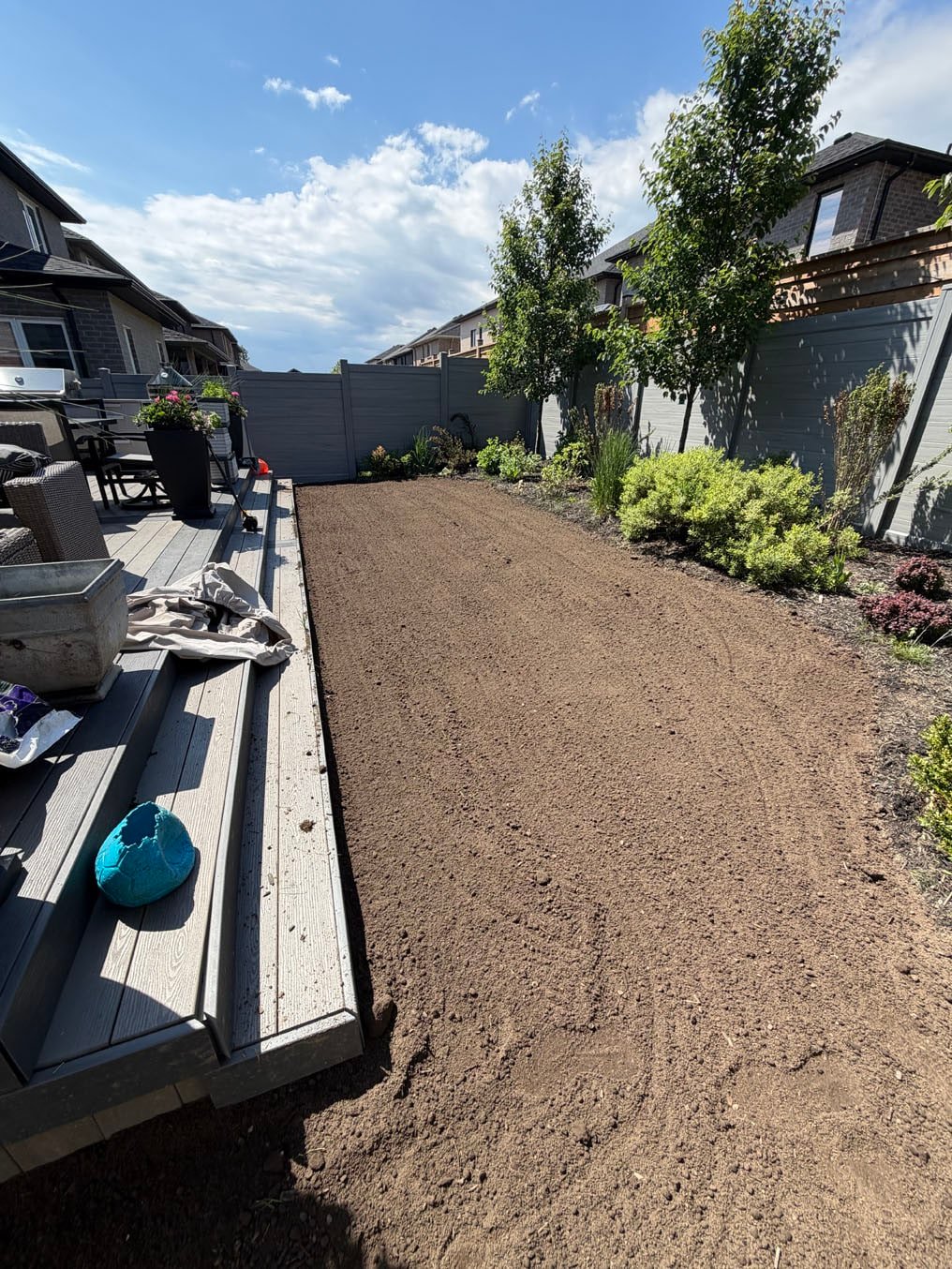
Clay soil is a good example. It can hold moisture for a long time, but when compacted, it can also prevent water and roots from moving through the soil properly. Adding the right depth of quality topsoil and loosening the base layer can make a major difference. This is not about dumping soil over a problem and calling it fixed. It is about creating a root zone that drains reasonably, retains enough moisture, and supports turf through summer heat and winter stress.
Shade is another factor worth discussing before installation. Grass needs light. A lawn beneath mature trees or beside a tall building may need a turf choice and maintenance plan that differs from a full-sun front yard. No installer can make dense sun-loving grass thrive in deep shade just by laying it neatly. Honest advice early is better than a pretty promise that fades by July.
The First Weeks Matter More Than Most People Think
New sod is living material. It has been cut from a sod farm, delivered, and placed in a new environment. For the first couple of weeks, its job is to root into the prepared soil. Your job is to make that possible.
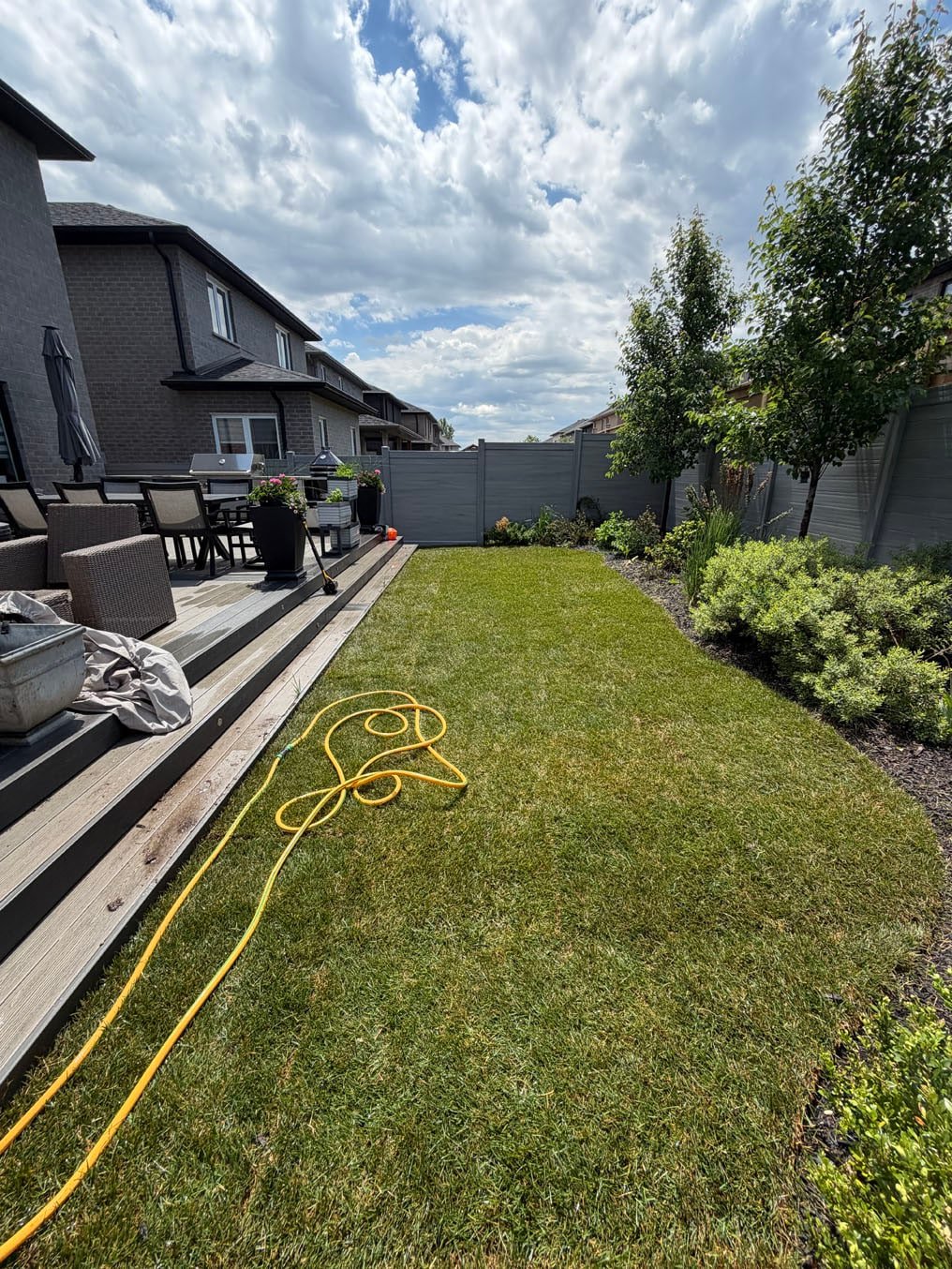
Water deeply enough to keep the sod and the soil underneath consistently moist, especially during warm or windy weather. The exact schedule depends on temperature, rainfall, soil type, and exposure, so there is no single timer setting that works for every yard. Lift a corner gently after several days. If the roots are beginning to grab the soil, you are on the right track. If the underside is dry or the sod lifts easily, it needs more attention.
Avoid heavy foot traffic until the lawn has rooted. Kids, dogs, patio furniture, and wheelbarrows can wait a little while. The first mowing should happen when the grass is established enough that the mower will not pull up edges or leave ruts. Use a sharp blade and never remove more than one-third of the grass height in a single cut.
A good watering routine does not mean keeping the lawn flooded. Constant saturation can create its own problems, particularly in low areas or heavy soils. The goal is even moisture during establishment, followed by deeper, less frequent watering as roots grow down.
When a Full Tear-Out Is the Smarter Call
Not every ugly lawn needs to be removed. Small bare spots, minor winter damage, or isolated grub issues can sometimes be repaired with targeted soil work and new sod. But when the lawn has widespread weeds, severe unevenness, persistent puddling, thin grass across most of the property, or poor soil from the start, patching can become a slow leak in your budget.
A full tear-out and replacement gives you the chance to correct what is causing the problem. That may mean removing old turf, addressing the grade, bringing in better soil, and installing a uniform new lawn. It costs more than a spot repair, but it also avoids the mismatched color, lumpy surface, and repeated callbacks that come with trying to patch a lawn that is fundamentally failing.
For builders and property managers, full replacement can also be the cleaner operational choice. One coordinated installation creates a consistent result, limits disruption, and makes the property ready to show, lease, or hand over sooner.
What to Ask Before You Hire a Sod Installer
The best estimate is not always the lowest number on paper. Compare what is actually included. Does the quote cover removal, grading, topsoil, sod, installation, and cleanup? Is drainage being assessed, or is sod simply being installed over the existing surface? What happens if the lawn has hidden grade issues once work begins?
You should also ask how fresh the sod is, what turf is being installed, and what aftercare guidance you will receive. Clear answers are a good sign. Vague promises about a “perfect lawn” without discussion of soil, water, shade, and site conditions are not.
Right On Sod approaches lawn installation as a complete ground-up job because the prep work is where a lawn earns its future. Premium sod matters. So does the work you do not see once the yard turns green.
A new lawn should feel like the end of a property headache, not the start of another one. Get the site assessed, make sure the base is prepared properly, and give fresh sod the water and breathing room it needs. A few careful decisions before installation can give you a yard that looks finished now and still looks good when the seasons start doing their thing.