
A fresh sod lawn can make a property look finished by dinner. But a professional sod installation review should look past the first-day green. The real test is what happens after the crew leaves: Does water drain correctly? Does the sod root? Does the lawn stay level instead of turning into a patchwork of seams, dips, and brown edges?
For homeowners replacing a tired lawn, builders finishing a new lot, and property managers dealing with high-traffic turf, professional sod installation is not simply a delivery-and-rollout job. The sod matters, but the preparation underneath matters more. A good crew gives you both.
What to Look for in a Sod Installer’s Reviews
The most useful reviews do not just say, “Looks great.” Of course it should look great on installation day. Look for comments that mention communication, cleanup, crew reliability, soil work, grading, and how the lawn performed weeks later. Those details tell you whether the contractor handled the work like a specialized sod job or treated it like a quick landscaping add-on.
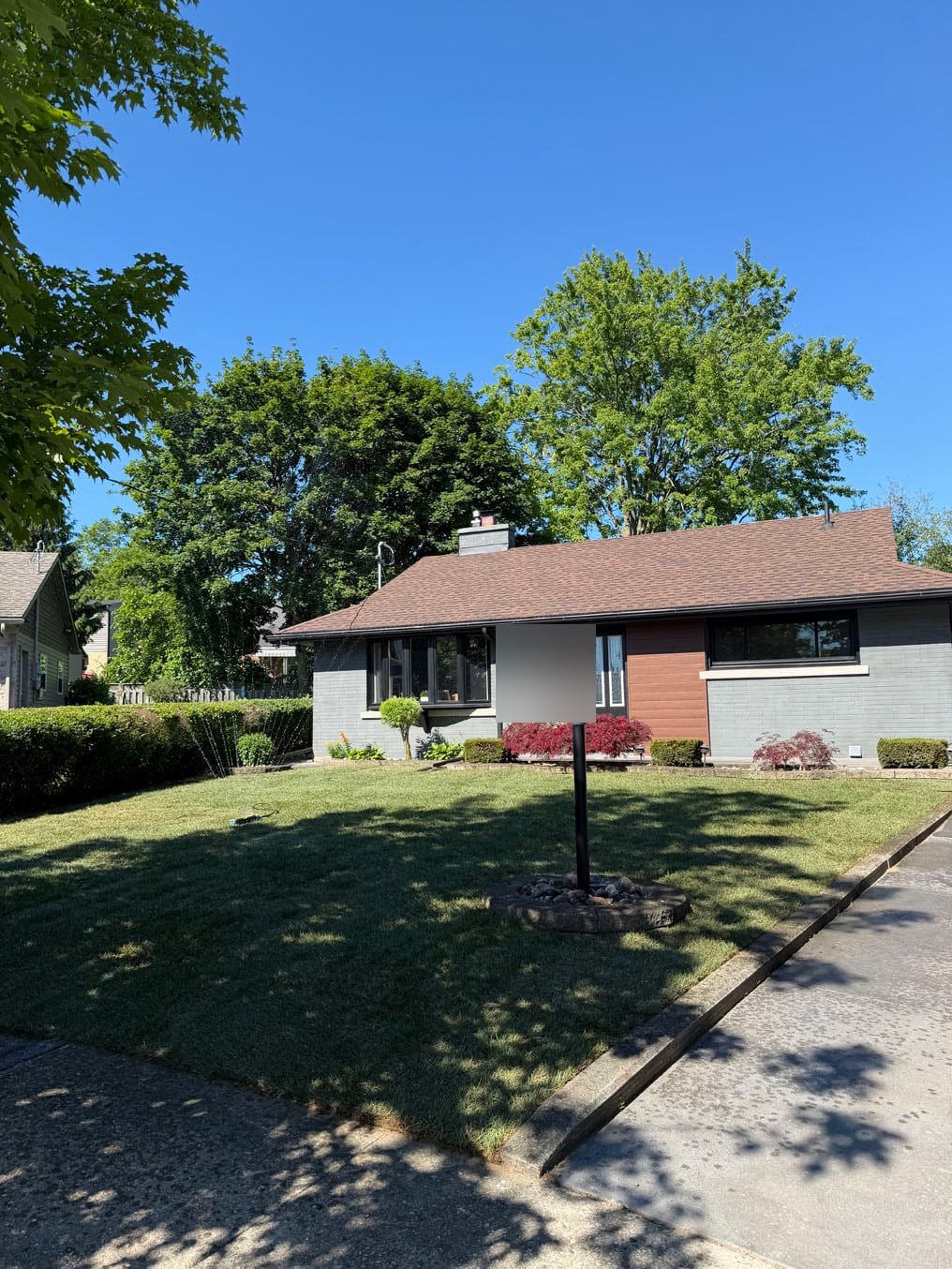
A strong review might mention that the team removed old turf, addressed low spots, brought in quality soil, or explained the watering schedule clearly. It may sound like small stuff, but it is exactly where a lawn succeeds or fails.
Be cautious with reviews that only praise a low price or a fast install without describing the scope. Fast is good. Fast without proper site prep is how a lawn gets installed twice.
The first-day look can fool you
Every roll of healthy, farm-fresh sod looks good when it is wet and newly laid. The trouble shows up later if the soil is compacted, the grade pushes water toward the foundation, or the sod was laid over weeds, debris, and uneven ground.
That does not mean every project needs a full tear-out and truckloads of new soil. Some lawns only need targeted repairs and a careful topdressing. Others, especially properties with grub damage, poor drainage, construction compaction, or major bare areas, need a more complete reset. The right recommendation depends on the property, not a one-size-fits-all package.
Professional Sod Installation: The Work Behind the Green
A proper sod installation starts with an honest assessment of the existing lawn. If old grass, weeds, or damaged turf are still competing underneath, the new lawn does not get the clean start it deserves. For replacement projects, removing the failed lawn is usually the right move.
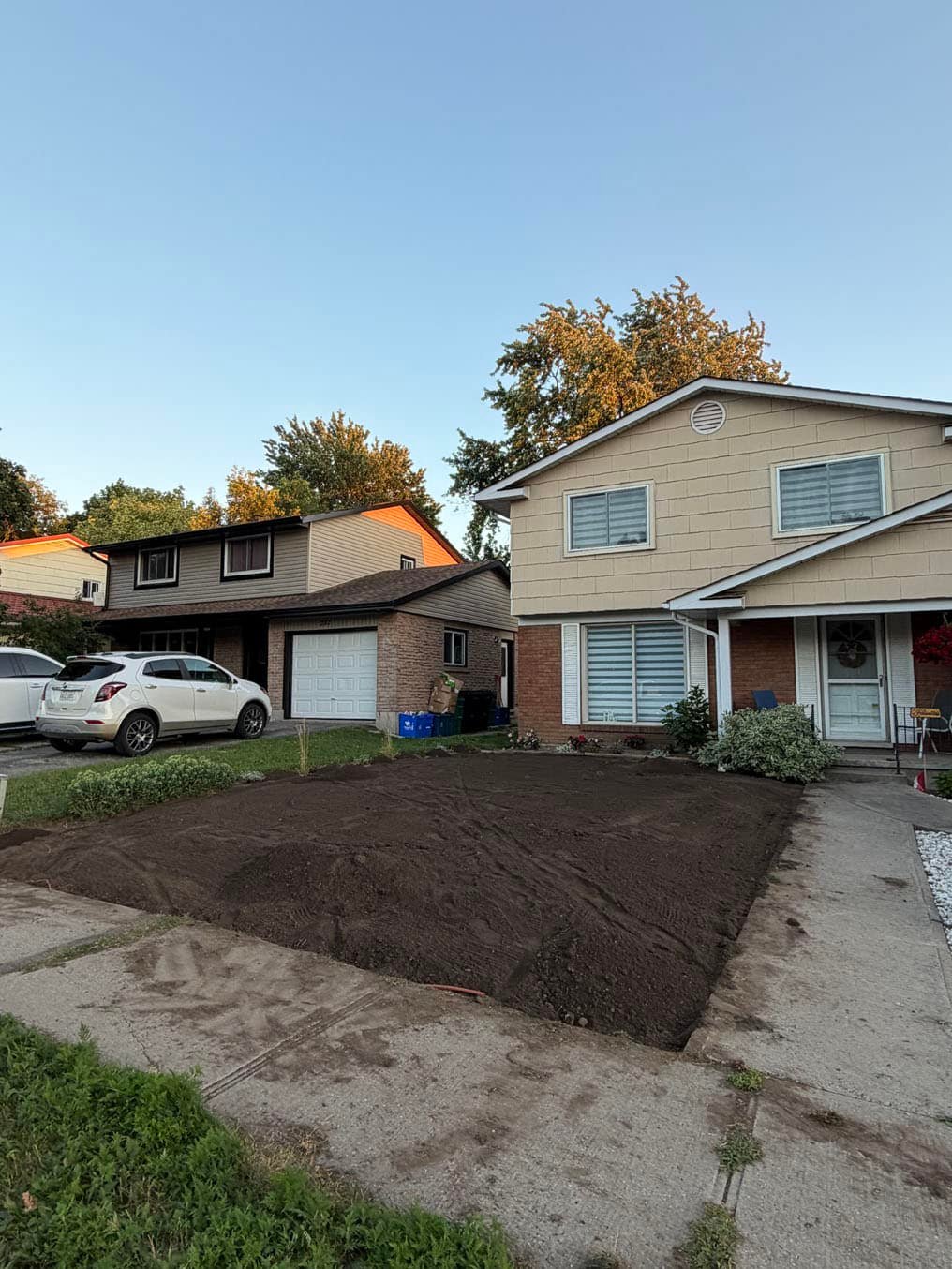
Next comes grading. This is where specialized experience earns its keep. The ground should be shaped to move water away from the home while keeping the lawn usable, attractive, and reasonably level. In the Waterloo Region, heavy clay soils and spring rain can expose a bad grade in a hurry. A lawn that stays soggy after every storm is not a lawn problem alone. It is often a drainage and soil-structure problem.
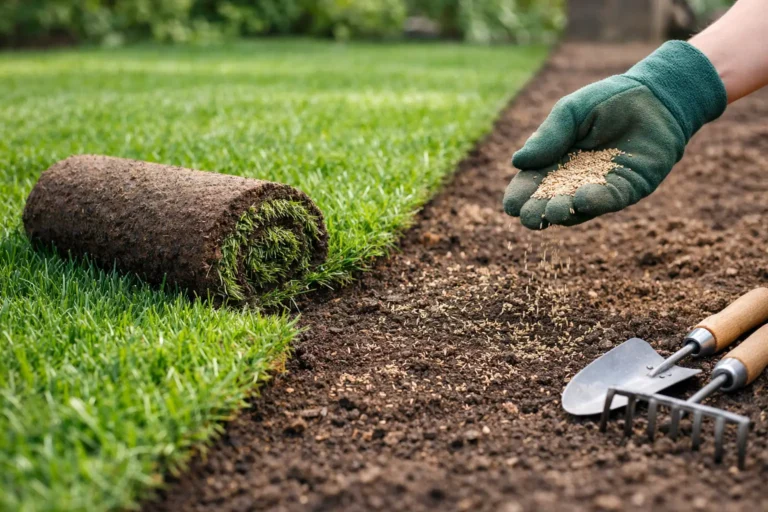
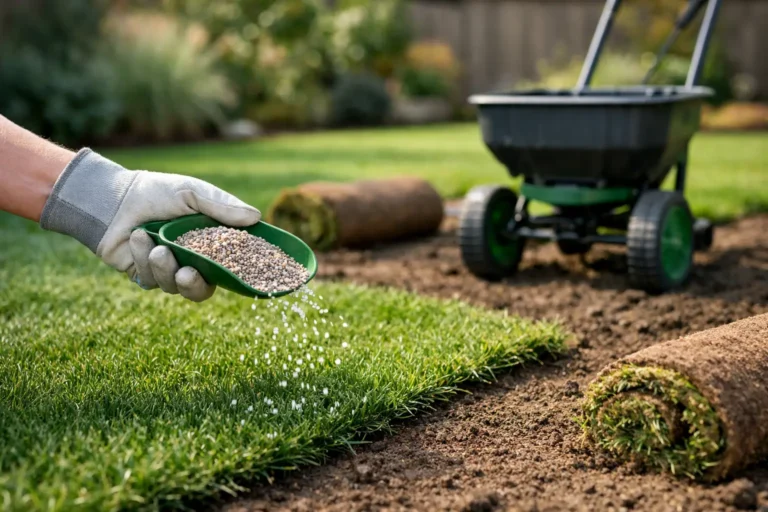
After grading, the crew should loosen compacted ground as needed and add suitable screened topsoil where the site calls for it. Soil is not just filler. It is the rooting zone that supplies moisture, oxygen, and nutrients to the new sod. If it is thin, hard, full of rubble, or poorly leveled, even premium sod has a tough road ahead.
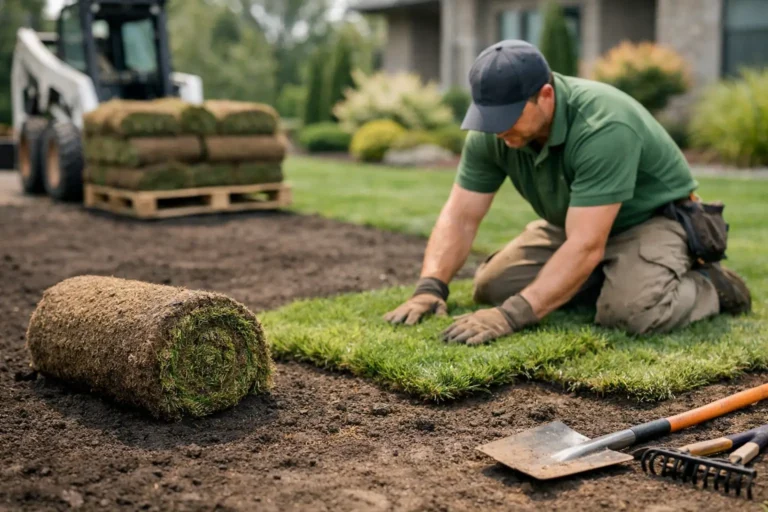
Then comes the installation itself. Good sod is installed promptly, fitted tightly at the seams, staggered like brickwork, and rolled to create solid contact between roots and soil. The crew should trim cleanly around beds, curbs, walkways, and trees instead of leaving random gaps that dry out first.
Finally, the site needs a thorough initial watering and clear care instructions. Sod is a living product, not green carpet. It needs consistent moisture while roots knit into the soil, then a gradual transition to deeper, less frequent watering as it establishes.
What You Should Expect to Pay For
Transparent pricing is a good sign because sod projects have real variables. The square footage is only part of the equation. Access, removal, grading, soil needs, drainage corrections, and the condition of the existing lawn all affect the final estimate.
A simple new-lawn installation on a clean, accessible lot is usually more straightforward than a full lawn replacement behind a narrow gate with old turf, roots, and uneven ground. Commercial sites may have the scale for efficiency, but they also need dependable scheduling, clear site coordination, and crews equipped to keep the job moving.
The cheapest quote is not always the bargain it appears to be. Ask what is included. Is old turf removed? Is soil included, and how much? Will the crew correct obvious low spots? Is delivery part of the price? Who handles cleanup? If the estimate skips these details, it leaves plenty of room for surprises.
A fair estimate should tell you what the contractor plans to do and why. You should be able to understand your own lawn project from the estimate alone.
Questions Worth Asking Before You Book
You do not need a long list of questions for a sod contractor. A few practical ones will show whether they know their trade, and there is a fuller list in 11 questions before hiring a sod installer.
Ask how they will prepare the existing surface, especially if you have weeds, dead grass, uneven areas, or visible drainage problems. Ask what type of sod they use and how quickly it is installed after delivery. Ask whether they will roll the lawn, how they handle seams and edges, and what watering plan they recommend for the first few weeks.
It is also smart to ask who will be on site and whether the work is completed by an in-house crew or passed to a subcontractor. There is no automatic problem with subcontractors, but accountability should be clear. You want one point of contact who answers the phone and stands behind the result.
For larger projects, ask about timing. Builders and property managers need more than promises. They need a crew that can coordinate around construction schedules, weather windows, access restrictions, and final inspections without holding up the rest of the job.
Red Flags That Belong in Any Honest Review
A sod company should not promise that every lawn can be fixed with a few rolls of grass. That is sales talk, not lawn expertise. Be wary when a contractor avoids discussing soil, drainage, or the condition of the property before quoting a price.
Another red flag is installing sod over a surface that has not been properly cleared or leveled. You may get a green lawn for a while, but buried debris, weak soil contact, and underlying weeds have a habit of making themselves known.
Poor communication is also a warning. If it takes days to get basic answers before the job, do not expect lightning-fast help when you have a watering question after installation. The best contractors set clear expectations about scheduling, weather delays, site access, payment, and lawn care from the start.
And watch for vague warranties. A dependable company can explain what it guarantees, what homeowner watering and maintenance are required, and what circumstances are outside anyone’s control. Weather is unpredictable. Poor workmanship should not be.
Your Part After the Sod Is Installed
Even the best installation needs follow-through. For the first couple of weeks, the goal is to keep the sod and the soil beneath it consistently moist, without turning the yard into a swamp. Lift a corner occasionally to check whether moisture is reaching the soil, not just darkening the grass blades.
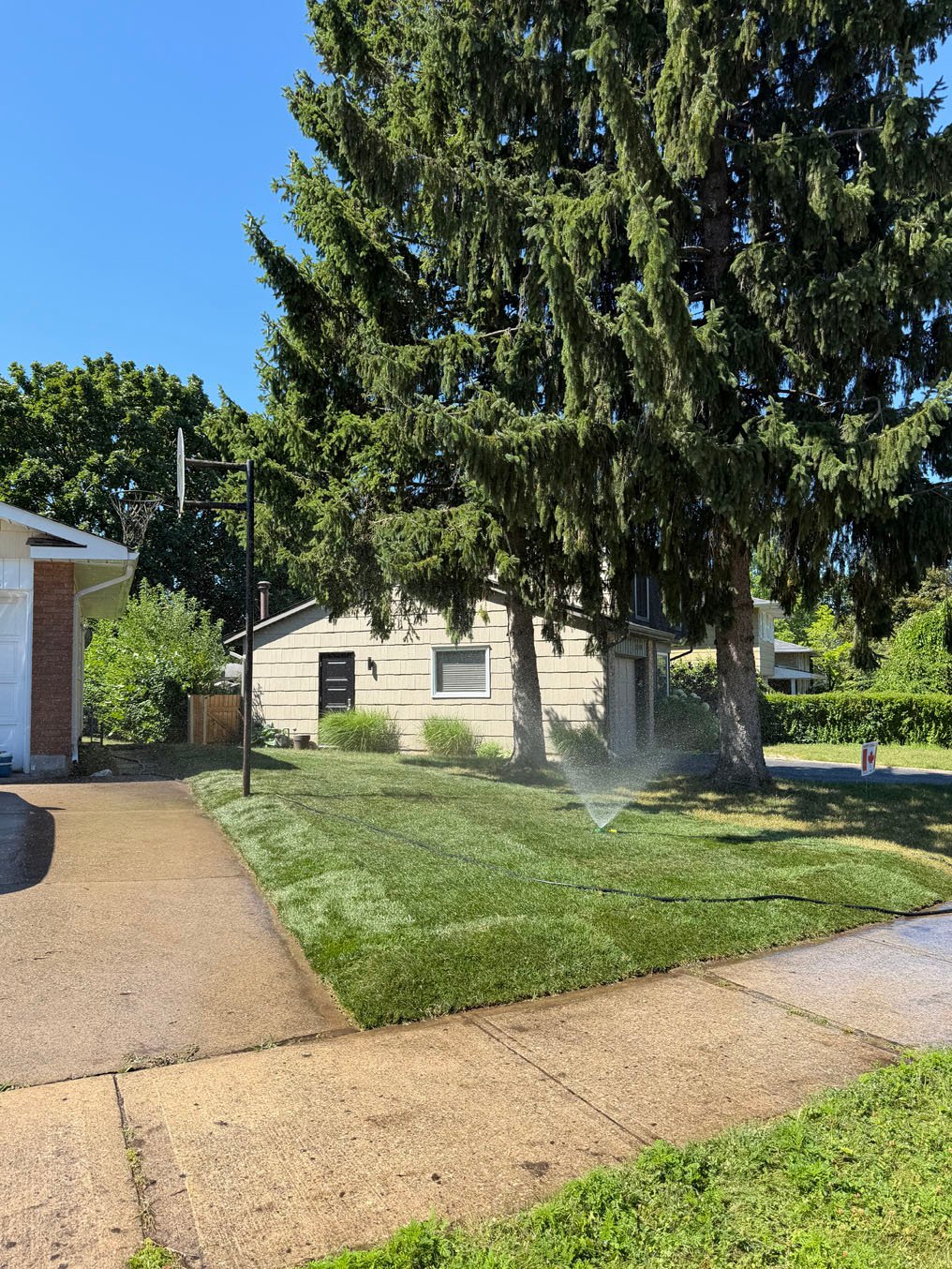
Avoid heavy foot traffic while roots establish. Keep pets, kids, furniture, and games off the new lawn as much as possible. When it is time for the first mow, use a sharp blade and avoid cutting too short. New sod is still under stress, and a short cut adds to it.
If you see edges drying, seams lifting, pooling water, or large areas that are not rooting, contact the installer early. Quick adjustments are easier than waiting for a small issue to become a full repair job.
Right On Sod approaches each project with that long-view mindset: prepare the ground properly, install premium sod efficiently, and give the owner a lawn that has a real chance to thrive after the truck pulls away. If your yard needs more than a cosmetic green layer, start with a site assessment and get the scope clear before the first roll is unloaded.