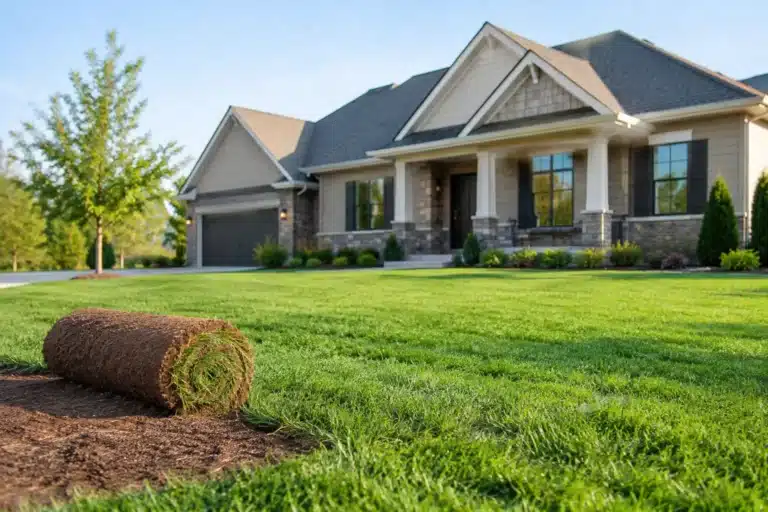

A new home can have fresh siding, a clean driveway, and a backyard that still looks like a construction site. Choosing the best grass for new homes is what turns that bare, compacted lot into a lawn that looks finished now and holds up after the moving trucks, kids, dogs, and spring rain arrive.
For most new properties in Kitchener, Waterloo, and Cambridge, premium cool-season sod is the smart answer. But the best choice is not just about picking a grass variety with a good photo on a tag. It comes down to sun exposure, soil quality, grading, drainage, and how you plan to use the yard. Skip those details, and even excellent sod can struggle.
Best Grass for New Homes Starts With the Right Type
Southern-style grasses are not built for our winters. New homes in this region need cool-season turf that can handle freezing temperatures, wet springs, warm summers, and the occasional stretch of dry weather when nobody remembers to move the sprinkler.
Kentucky bluegrass: the classic full-sun lawn
Kentucky bluegrass is a favorite for a reason. It creates that dense, rich green lawn people picture when they think of a finished home. It spreads through underground stems, which means it can gradually fill small gaps and recover from light damage better than bunch-type grasses.
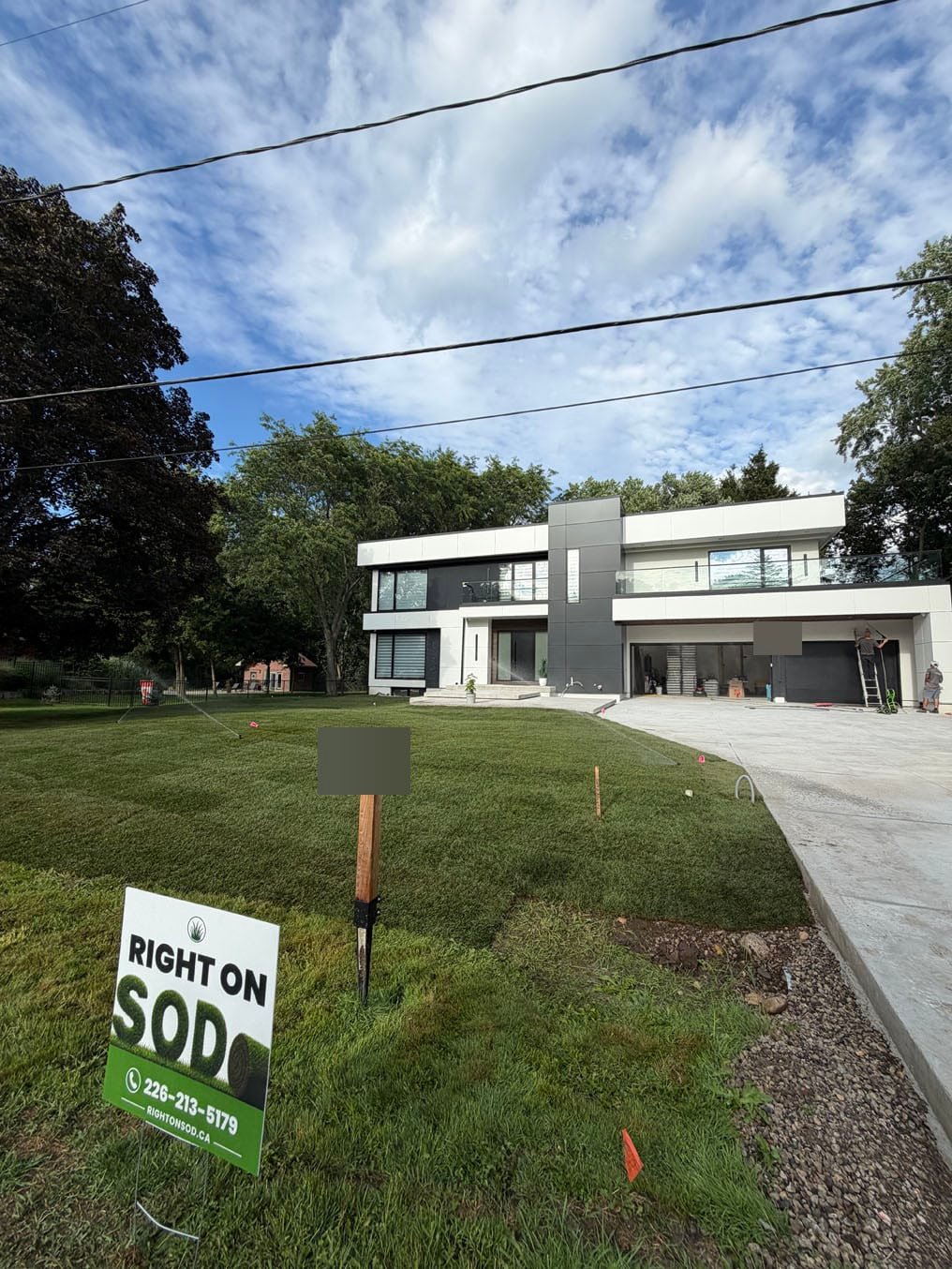
It performs best in full sun or mostly sunny yards with decent soil and regular watering during dry spells. For a new build with an open front yard and good drainage, Kentucky bluegrass delivers a polished, traditional look. The trade-off is that it is not a fan of deep shade, and it needs consistent care when summer gets hot and dry.
Perennial ryegrass: fast establishment and strong wear tolerance
Perennial ryegrass has a fine texture, deep green color, and strong ability to handle foot traffic. It is often included in premium sod blends because it establishes quickly and helps create a full, usable lawn right away.
That makes it a practical fit around walkways, side yards, and backyards where the action starts the minute the keys change hands. Ryegrass does not spread to repair itself the way Kentucky bluegrass does, so it benefits from proper mowing, fertilizing, and overseeding down the road if wear becomes heavy.
Turf-type tall fescue: a tougher option for dry or mixed conditions
Turf-type tall fescue earns attention for its deeper root system and better drought tolerance. It can be a good option for properties with challenging soil, long stretches of direct sun, or homeowners who want a lawn that needs less water once established.
It has a slightly coarser appearance than Kentucky bluegrass, and it grows in clumps rather than spreading aggressively. That means damaged spots do not heal themselves as quickly. Still, in the right setting, it is a hardworking grass that does not panic every time summer turns up the heat.
Why a Premium Grass Blend Usually Wins
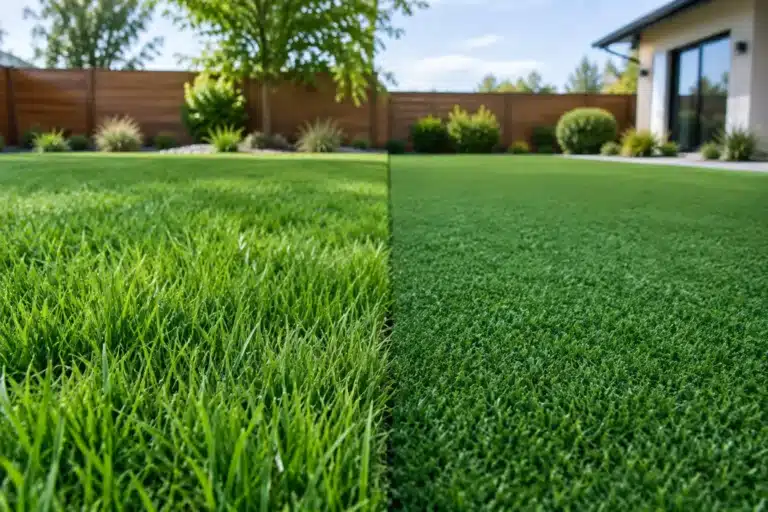
For most new homes, a blend of compatible cool-season grasses is more dependable than betting everything on one variety. Different grass types bring different strengths. Kentucky bluegrass can help a lawn recover, perennial ryegrass can provide quick cover and durability, and fescue can add resilience where soil moisture is less predictable.
A quality sod blend also gives the lawn a better chance of handling the real conditions across your property. The front yard may be wide open and sunny, while the side yard stays damp and shaded beside the house. One grass type rarely performs perfectly everywhere.
The key word is quality. Farm-fresh, professionally grown sod gives you mature turf with established density and a clean, uniform look. Cheap, thin, or poorly stored sod is a false bargain. It may arrive looking tired, dry out quickly, or leave you chasing weak seams and bare patches later.
Your Yard Conditions Matter More Than the Label
New construction soil has a reputation, and frankly, it earned it. Heavy equipment compacts the ground. Builders may leave subsoil close to the surface. Grade changes around the foundation can push water where it does not belong. A great grass variety cannot fix bad preparation by itself.
Sun and shade
Start by watching how much direct sun each part of the lawn receives. Areas with six or more hours of sun can support Kentucky bluegrass-heavy sod beautifully. Spots under mature trees, along north-facing fences, or between closely built homes may need a more shade-tolerant mix and a little more patience.
Shade also creates moisture issues. Grass in low light dries slowly, which can increase disease pressure if it is watered too often. The answer is not always more water. Sometimes it is better airflow, sensible mowing height, and choosing turf that suits the site.
Drainage and grading
Water should move away from your foundation without creating a swamp at the edge of the patio. Low areas, hard-packed clay, and rushed grading can leave sod sitting in water after every storm. Roots need moisture, but they also need oxygen. Constantly saturated soil is a fast way to turn new sod into a patchy mess.
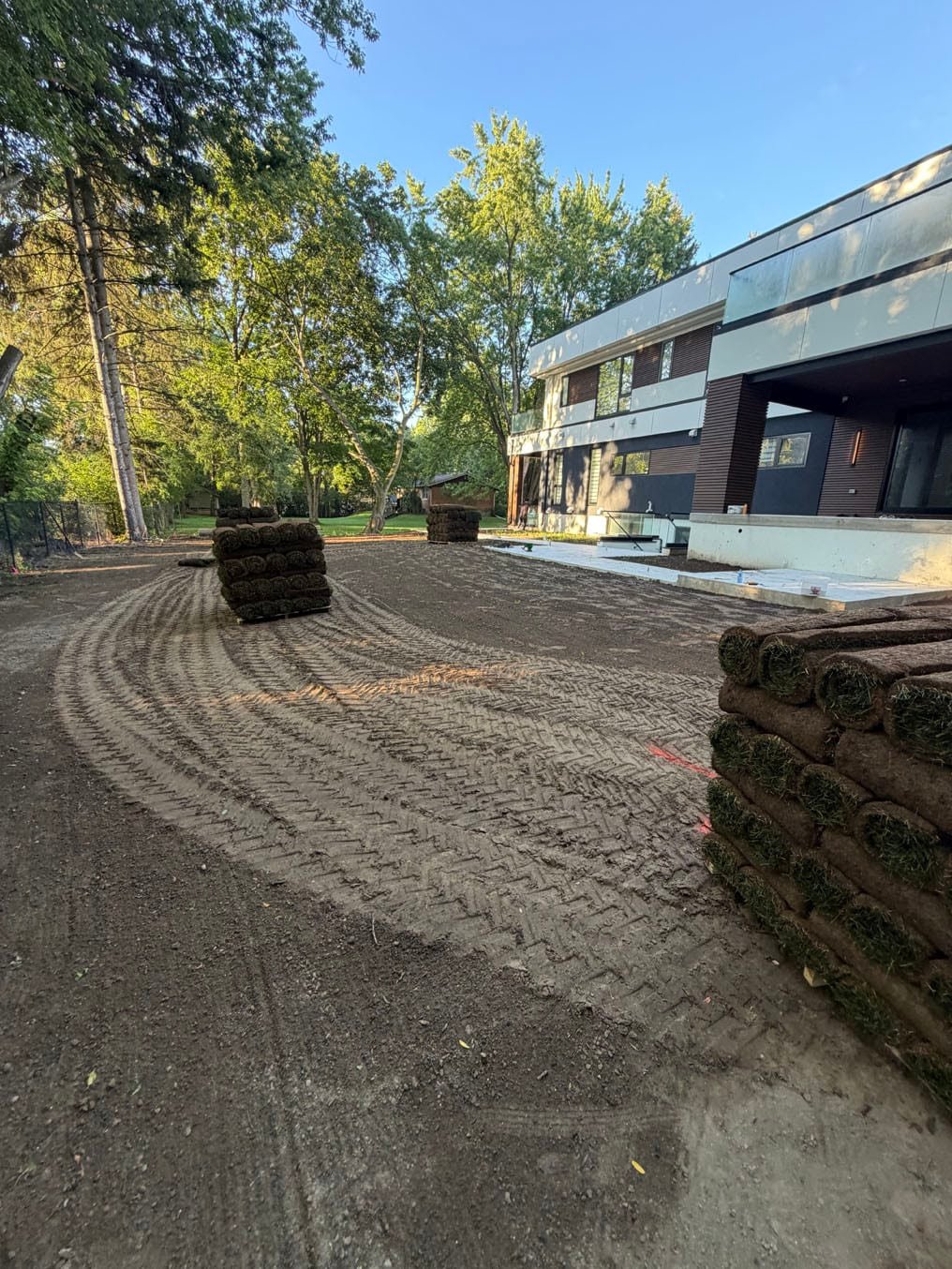
Before sod goes down, correct the grade, remove construction debris, loosen compacted areas where appropriate, and add quality topsoil where the existing soil lacks structure. This is the unglamorous part of a new lawn. It is also the part that decides whether the lawn still looks good next season.
How the lawn will be used
A front yard that gets admired from the sidewalk has different needs than a backyard used for soccer, dogs, and weekend barbecues. High-traffic areas benefit from dense, wear-tolerant turf and a plan for occasional repair. A quiet, sunny yard may lean more heavily toward the appearance and self-repair qualities of Kentucky bluegrass.
Be honest about the traffic. Every lawn gets walked on. Not every lawn needs to survive a daily backyard championship game.
Sod Beats Seed on a New Property
Seed can work, but a bare new lot is not the easiest place to grow it. Seeded lawns need time, careful watering, good weather, and protection from washout, weeds, birds, and curious boots. That is a lot of variables when you are already dealing with move-in lists, fencing, appliances, and a hundred cardboard boxes.
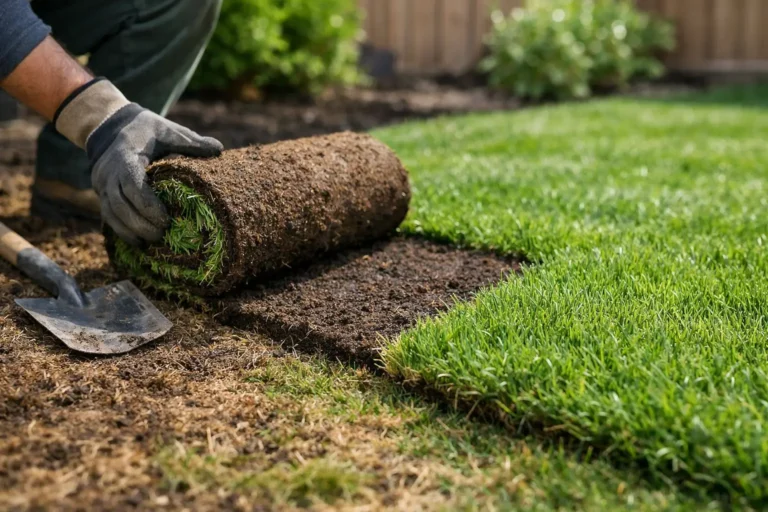
Sod gives you an immediate green surface, faster erosion control, and fewer opportunities for weeds to take over open soil. When installed on properly prepared ground, it establishes roots quickly and gives your property the finished look you wanted when you bought a new home in the first place.
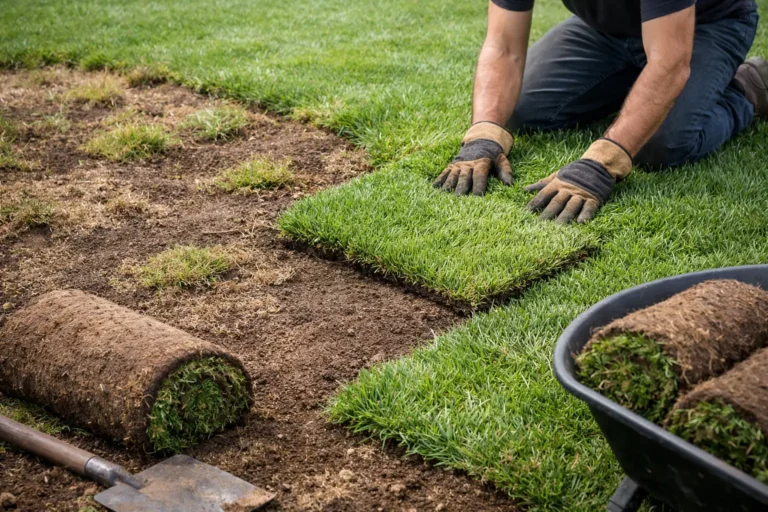
That does not mean sod is instant and maintenance-free. Fresh sod still needs serious watering during the rooting period. The first two weeks are especially important. Keep the soil beneath the sod consistently moist, avoid heavy traffic, and do not let the edges curl and dry out. After the turf begins rooting into the soil, gradually shift to deeper, less frequent watering.
The First Month Makes or Breaks the Lawn
Even the best sod needs a fair start. Watering should be adjusted for rainfall, heat, shade, and soil type, but the goal is simple: keep the root zone moist while the sod bonds with the prepared soil. Check beneath a corner of a roll rather than guessing from the surface. If the soil below is dry, the lawn is thirsty.
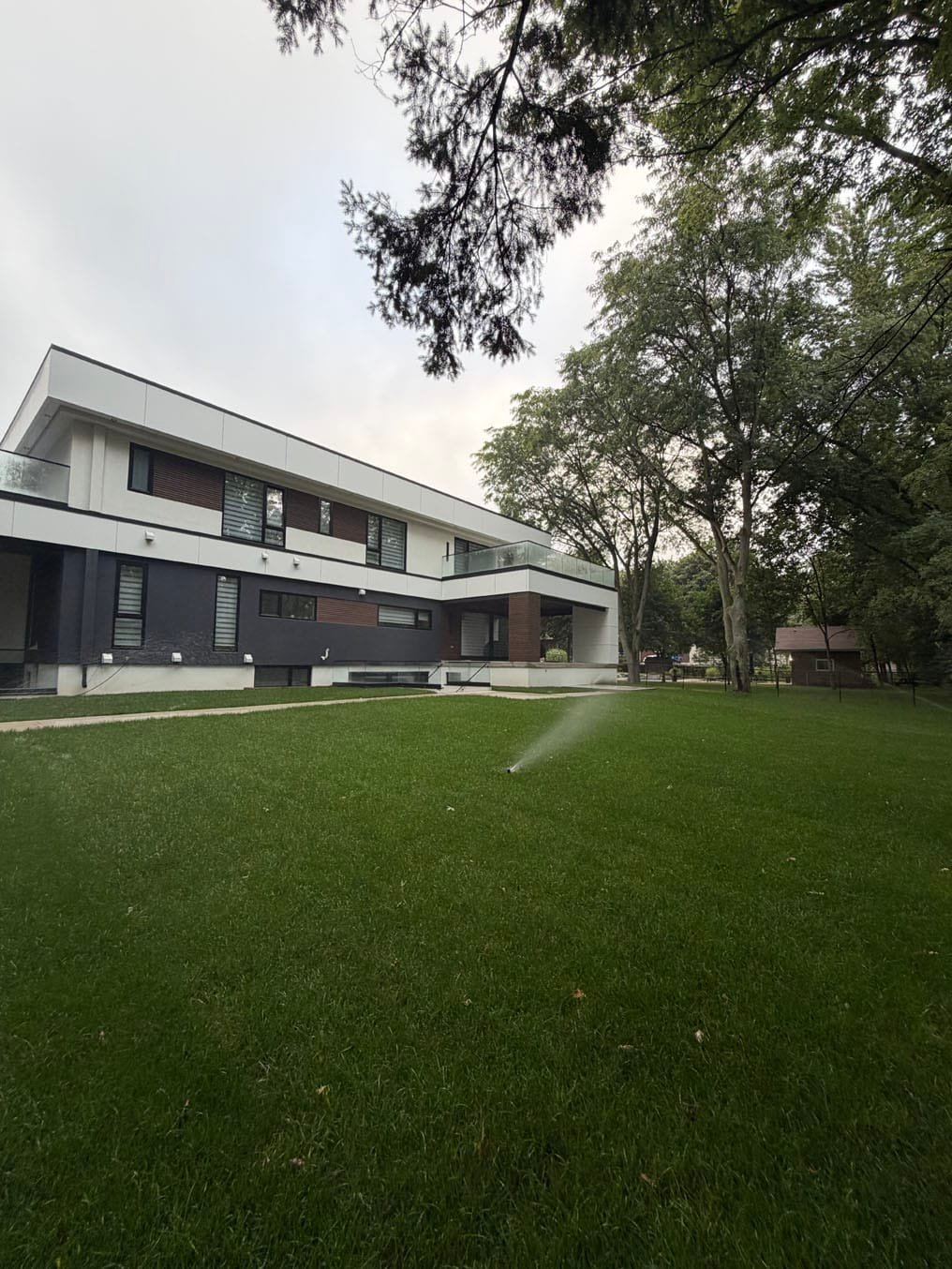
Mow once the sod has rooted enough that it does not lift when gently tugged. Use a sharp mower blade and avoid cutting more than one-third of the grass height at a time. Leaving the grass slightly taller helps protect new roots and shades the soil during warm weather.
Hold off on heavy play until the lawn is rooted. It is tempting to treat green sod like a finished sports field on day one. Give it a few weeks, and it will reward you with much better long-term density.
Do Not Let Grass Choice Distract From Soil Prep
Homeowners often spend a lot of time asking which grass is best, then accept whatever soil is already sitting in the yard. That is backward. The right grass matters, but proper grading and soil preparation matter just as much.
A sod specialist should assess the grade, drainage paths, soil depth, sun conditions, and any damaged or compacted areas before installation begins. The work should include a clean base, quality soil where needed, level transitions around hardscaping, and tight sod seams. That is how you avoid the lumpy, sinking, patchy look that makes a new property feel unfinished.
Right On Sod approaches new lawns as a complete installation job, not a quick roll-out-and-run project. The goal is a lawn that looks great immediately and has the conditions to root properly beneath the surface.
The best time to choose your lawn is before the sod truck arrives, not after puddles form or thin strips appear along the fence. Start with the conditions in your yard, choose premium cool-season sod that suits them, and give the ground the preparation it deserves. Your home will look finished faster, and your lawn will have a real chance to stay that way.