A lawn can look great in a showroom photo. The real test is a July heat wave, a muddy spring thaw, a dog doing laps around the fence, and kids dropping cleats by the back door. That is where the sod versus artificial turf decision gets real. Both can create a clean, finished yard fast, but they solve very different problems.
For most homeowners in Kitchener, Waterloo, and Cambridge, premium sod is the better long-term choice when they want a natural lawn that handles changing seasons, stays cooler underfoot, and adds living curb appeal. Artificial turf can make sense in a few specific areas, but it is not the maintenance-free miracle it is often sold as.
Sod Versus Artificial Turf: Start With How You Use the Yard
The right surface depends less on what looks good on installation day and more on what your property needs afterward. A front lawn, a shaded side yard, a rental property dog run, and a small backyard putting area should not all get the same answer.
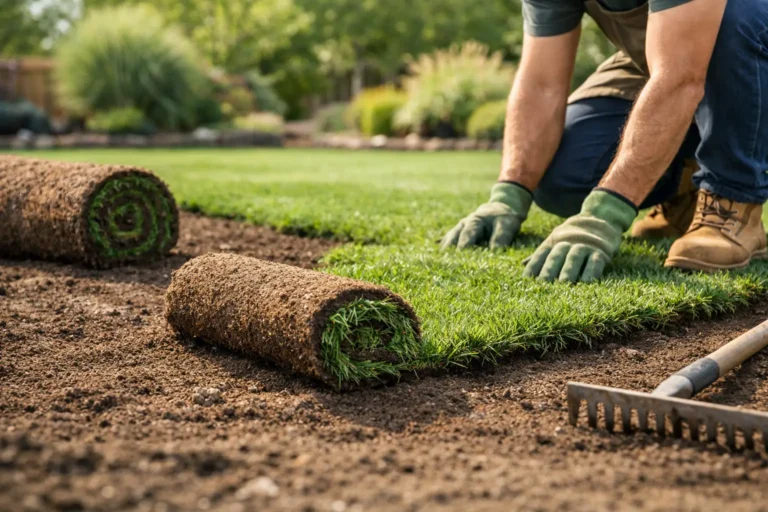
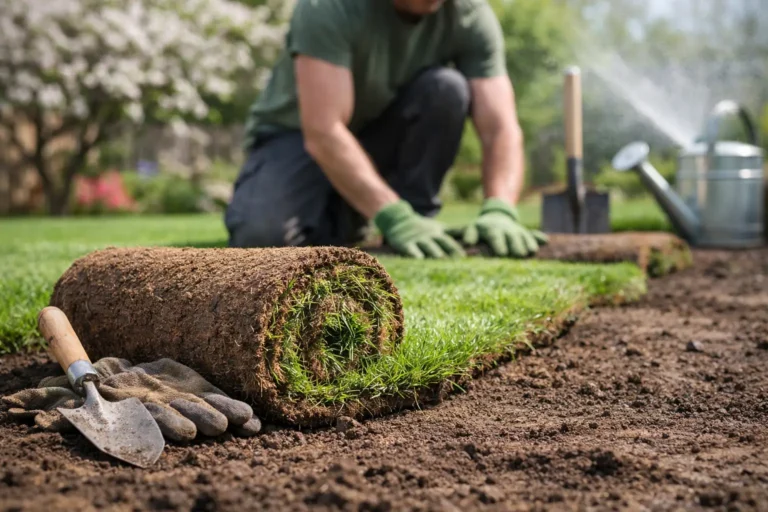
Sod is living grass installed as mature turf. With proper grading, quality topsoil, watering, and early care, it roots into the existing ground and becomes a real lawn. It is a strong fit for homeowners who want a natural outdoor space for family time, pets, gardens, and everyday curb appeal.
Artificial turf is a synthetic carpet installed over a compacted base, drainage layer, and infill. It gives an instant green appearance and can be useful where natural grass consistently fails, such as a narrow, heavily shaded strip or a high-wear pet area. But it needs a correctly built base. Put it over poor drainage or uneven ground, and the problems do not disappear. They just get covered in plastic.
Upfront Cost Is More Than Material Price
Artificial turf often carries the higher upfront price. The product itself is only part of the bill. A proper installation usually involves removing existing grass, excavating soil, building and compacting a granular base, adding edging, installing drainage where needed, securing seams, and applying infill. Skipping those steps can lead to wrinkles, sinking, poor drainage, and visible seams.
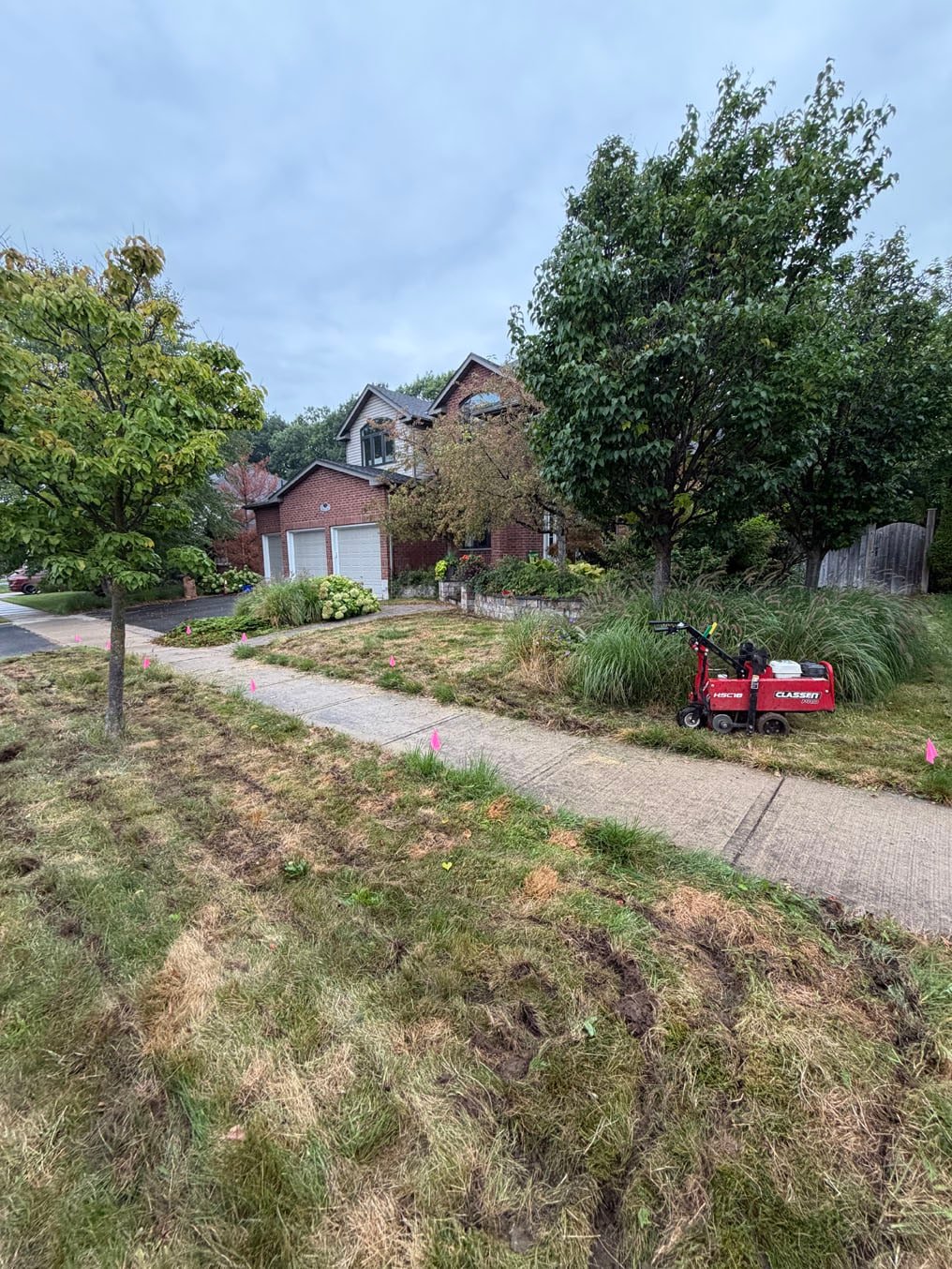
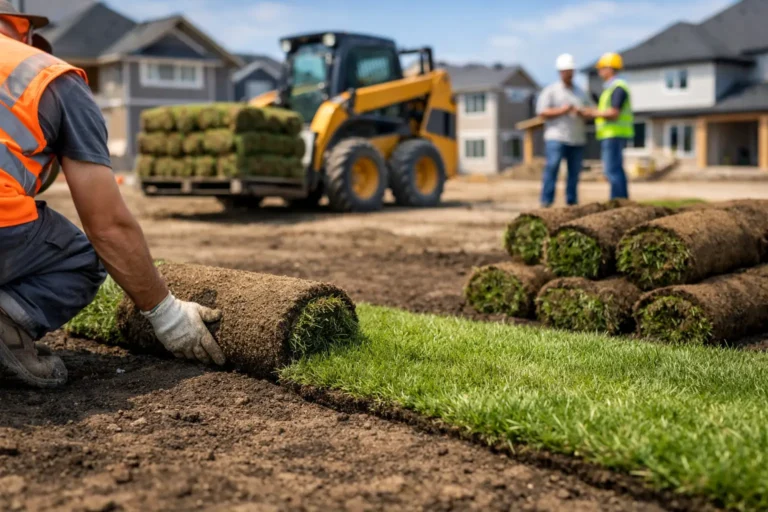
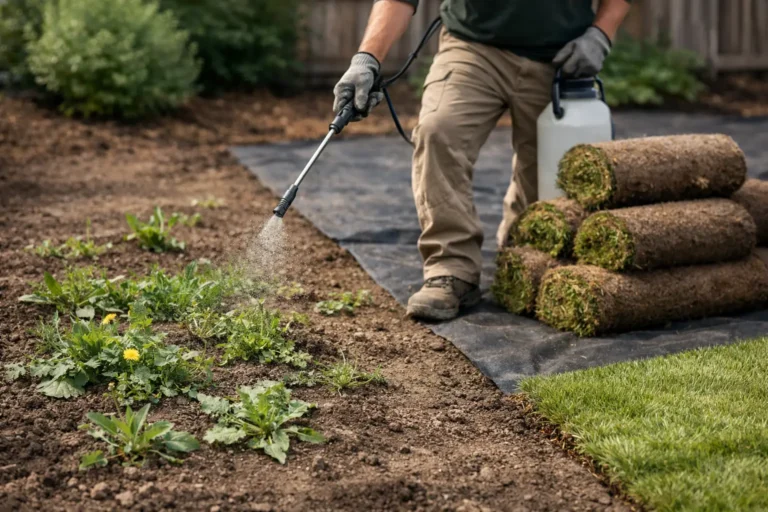
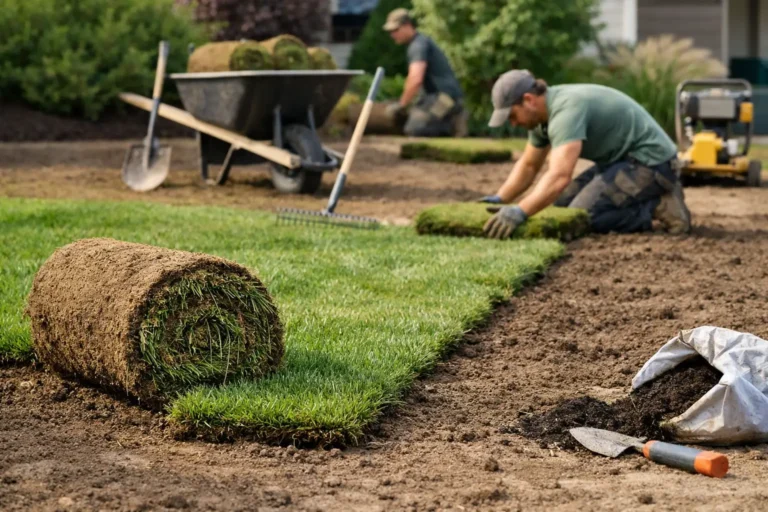
Sod installation also starts with preparation, especially when replacing a failed lawn. Old turf may need to come out. The area may need grading, fresh soil, and compaction before the sod goes down. The difference is that sod projects are generally simpler to repair or adjust later. If a low area settles or a section gets damaged, it can be addressed without rebuilding a synthetic surface.
A cheap quote is rarely a good deal when the base work is missing. That is true for either option. A green lawn sitting on bad grading is still sitting on bad grading.
Natural Grass Handles Summer Comfort Better
Artificial turf can get seriously hot in direct sun. On a warm day, synthetic fibers absorb and hold heat, making the surface uncomfortable for bare feet, kids, and pets. Spraying it with water can cool it temporarily, but that is hardly a selling point if the goal was a hands-off lawn.
Sod stays naturally cooler because living grass releases moisture as it grows. It is more forgiving for play, lounging, and normal backyard use. A healthy turf lawn also has a softer feel and a more natural cushion than many synthetic systems.
That does not mean sod is invincible. It needs water while establishing, and it can thin out if it is repeatedly compacted, scalped with a mower, or neglected during dry stretches. Still, damaged grass can recover through proper care, overseeding, or targeted repair. Artificial turf does not heal. Once fibers flatten, seams pull, or infill becomes contaminated, the fix can be more involved.
Drainage Matters More Than Either Surface
In the Waterloo Region, spring moisture and freeze-thaw cycles can expose every weakness in a yard. If water pools near the house, along a fence, or in the middle of the lawn, choosing between sod and turf is not step one. Fixing the grade is.
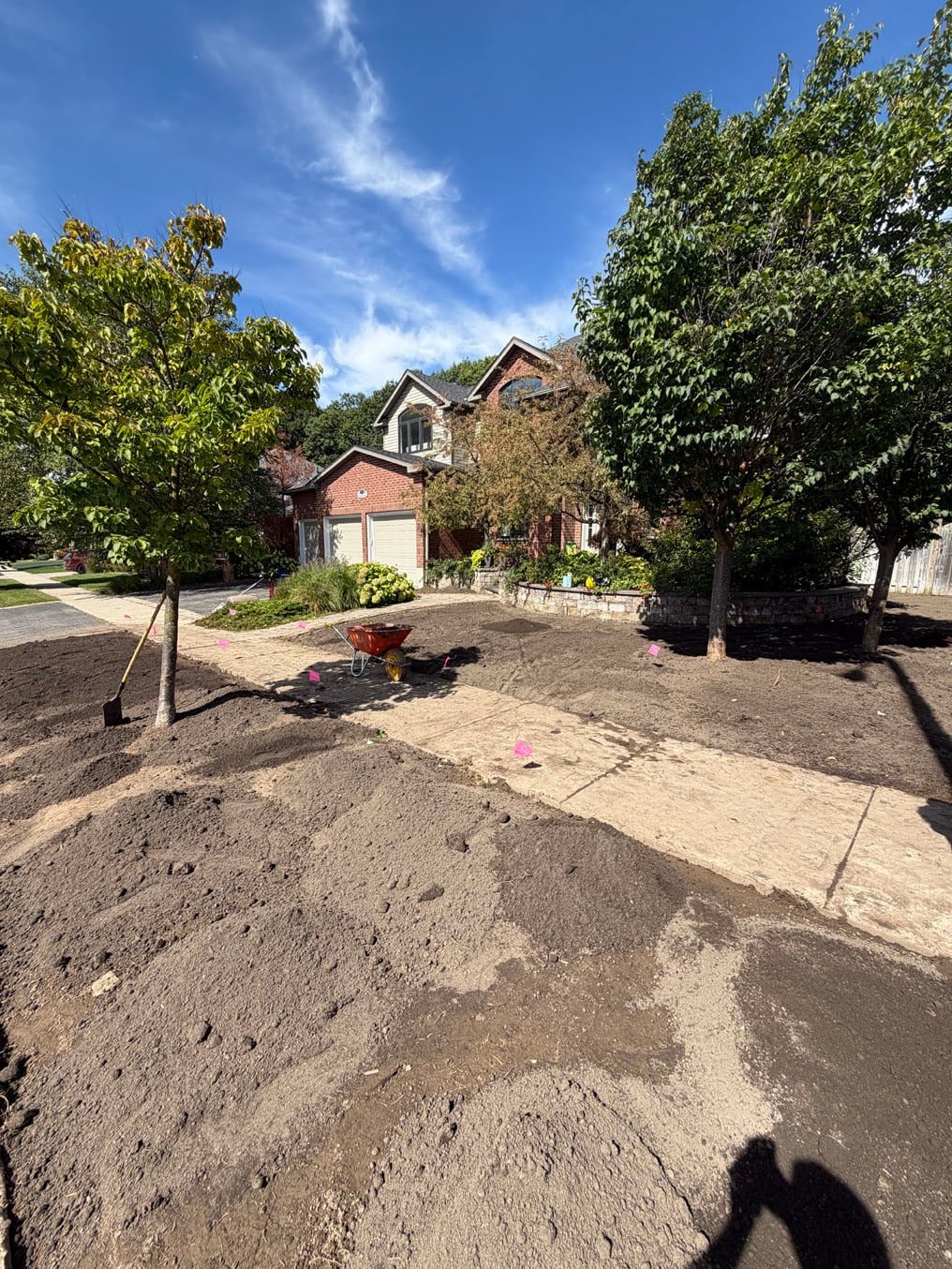
A properly graded sod lawn directs surface water away from the home and supports healthy rooting. Good soil preparation also helps water move through the profile instead of sitting at the surface. This is why a sod job should never be treated as simply rolling out green rectangles and calling it a day.
Artificial turf drains through perforations in the backing, but the entire system depends on the base below it. If the base is poorly compacted, clogged, or incorrectly sloped, water can collect underneath. Organic debris, pet waste, and infill can also reduce drainage over time. Turf may hide mud better than grass, but it cannot outsmart gravity.
What about muddy dog areas?
A small artificial turf dog run can be practical, particularly where paws have destroyed the same patch of grass for years. It needs regular rinsing, waste removal, odor control, and occasional grooming to keep it sanitary. For a whole backyard with pets, sod is often still the better value and better experience, especially when the lawn is graded well and given a durable grass variety.
Maintenance: Less Mowing Does Not Mean No Work
Artificial turf does not need mowing, fertilizing, or regular watering for growth. That is the main appeal. Yet it still needs maintenance to look decent. Leaves and debris must be removed, fibers need brushing to stand up, infill may need topping up, and pet areas need cleaning. Weeds can also appear at edges or through drainage holes when installation details are ignored.
Sod needs mowing, seasonal fertilization, watering during establishment and drought, and occasional aeration or overseeding. That is real work, but it is straightforward work. Many homeowners prefer spending a little time caring for a living lawn rather than cleaning synthetic grass that can trap debris and heat up like a patio mat.
If low maintenance is the priority, consider the size of the area. Installing artificial turf in a tiny problem strip may be sensible. Covering an entire family yard simply to avoid mowing can be an expensive workaround when a healthy sod lawn is easy to maintain with a sensible routine.
Curb Appeal and Property Feel
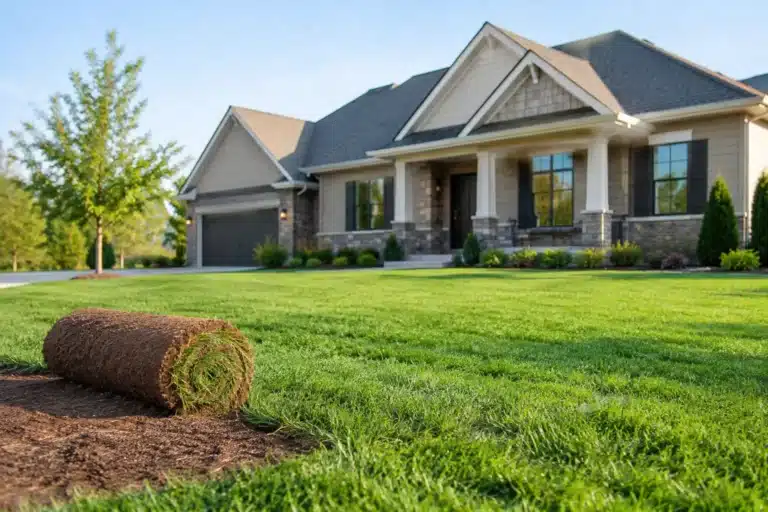
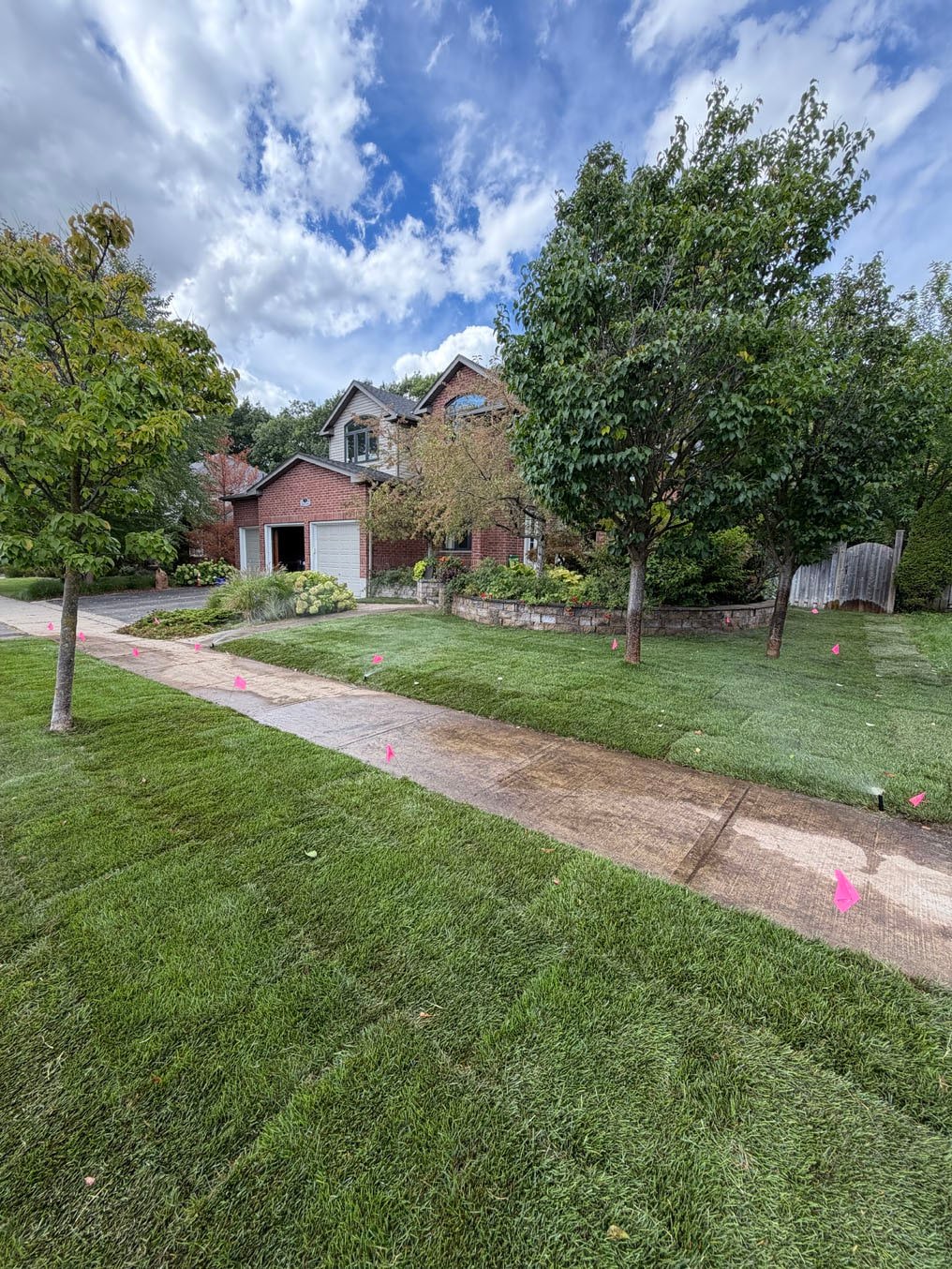
Fresh sod delivers an immediate transformation. It makes a new build look finished, gives a tired property a clean reset, and helps a repaired yard look intentional rather than patched together. As it roots in, sod blends into the landscape in a way synthetic turf cannot fully copy.
Artificial turf has improved, but it can still look too uniform, especially across large front lawns. The color and blade shape never change, which sounds helpful until the lawn looks disconnected from the trees, garden beds, and seasonal conditions around it. In winter, frost, snow, and debris can make synthetic turf look less polished than homeowners expect.
For resale appeal, a well-kept natural lawn is familiar and broadly appealing. Buyers understand it. They can garden beside it, change the landscape around it, and repair it without replacing a large manufactured surface.
Environmental Trade-Offs Are Not One-Sided
Sod needs water and lawn care inputs, particularly during the first few weeks after installation. That should be acknowledged. A new sod lawn must be watered correctly to establish deep roots, and careless overwatering wastes resources.
Once established, however, natural grass cools the surrounding area, absorbs rainfall, filters runoff through the soil, and supports a living landscape. It also can be repaired rather than discarded wholesale.
Artificial turf avoids routine irrigation but is manufactured from plastic-based materials and will eventually reach the end of its service life. It can contribute to heat buildup and does not provide the same soil health benefits as a real lawn. The best choice is not automatically the one that uses the least water at first glance. It is the one that fits the site, lasts well, and avoids unnecessary replacement.
When Sod Is the Clear Winner
Sod is usually the right call for full front lawns, family backyards, new construction lots, lawn replacements, and properties where natural curb appeal matters. It is also the better option when the real issue is poor soil, uneven grading, grub damage, or a lawn that has been neglected for too long. Address the cause, prepare the ground correctly, and give the new sod a fair start.
Artificial turf earns consideration for compact specialty spaces: a putting area, a small dog run, a dark strip where grass will not grow, or a commercial display area where a consistently green appearance outweighs natural feel. It is a targeted solution, not a universal lawn upgrade.
If your yard is patchy, muddy, bumpy, or bare after construction, do not let the green surface distract from the ground underneath. A clear assessment of grading, soil, drainage, sun exposure, and how your family uses the space will point you toward the option that looks good now and still works after the first hard season. For most real yards, a properly prepared, farm-fresh sod lawn is hard to beat.