

A new lawn can look finished by dinner or become a muddy headache for the next six weeks. That is the real difference homeowners are trying to sort out when comparing builder grade vs premium sod. The label on the roll matters, but so do the grass variety, how recently it was cut, the soil underneath it, and whether anyone bothered to fix the grade The types of sod sold in Ontario differ more in how they were grown and handled than in the name on the label.
Builder-grade sod is not automatically bad sod. Premium sod is not magic carpet. But when a lawn needs to survive kids, dogs, summer heat, spring rain, and the occasional missed watering, the cheaper option can get expensive fast.
Builder Grade vs Premium Sod: The Real Difference
“Builder grade” is not a strict industry standard. In most cases, it describes sod selected to meet a construction budget and installation deadline. It is commonly used on new builds, larger developments, rental properties, and sites where the goal is to create a green, sale-ready lawn quickly.
That can mean a perfectly acceptable turf variety installed over decent soil. It can also mean older rolls, thinner cuts, less consistent color, or a grass blend chosen more for price and availability than long-term performance. The problem is not the phrase itself. The problem is assuming every green roll delivers the same lawn.
Premium sod is generally grown, harvested, handled, and selected with performance in mind. It should arrive farm-fresh, have dense and even turf, carry a healthy root system, and suit the conditions where it will be installed. In the Waterloo Region, that usually means choosing turf that can handle cold winters, humid summers, shade patterns, clay-heavy soil, and plenty of foot traffic.
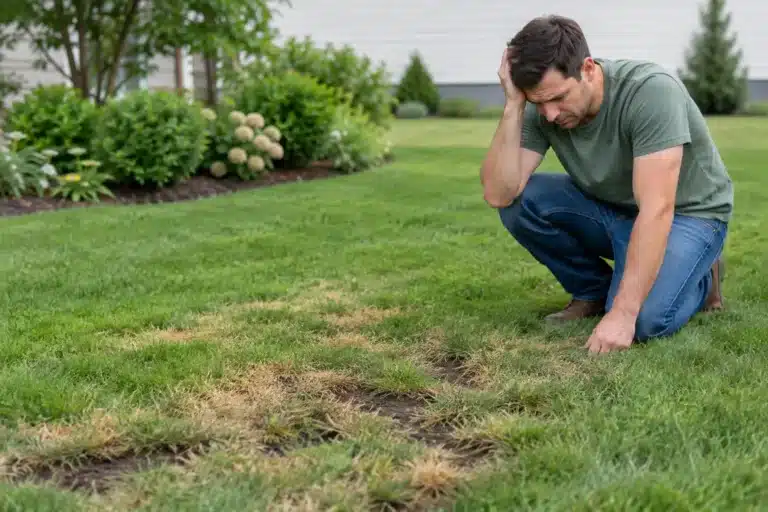
The visual difference can be immediate. Premium sod tends to have richer, more consistent color and fewer thin spots. The bigger difference shows up after installation, when it starts rooting into the prepared soil. A lawn that roots quickly is less likely to separate at the seams, dry out, shift, or turn patchy after the first stressful stretch of weather.
What you are usually paying for
The price gap between basic and premium sod is rarely just about the grass. You are often paying for better seed genetics, more consistent farm maintenance, cleaner harvesting, fresher delivery, and stronger quality control.
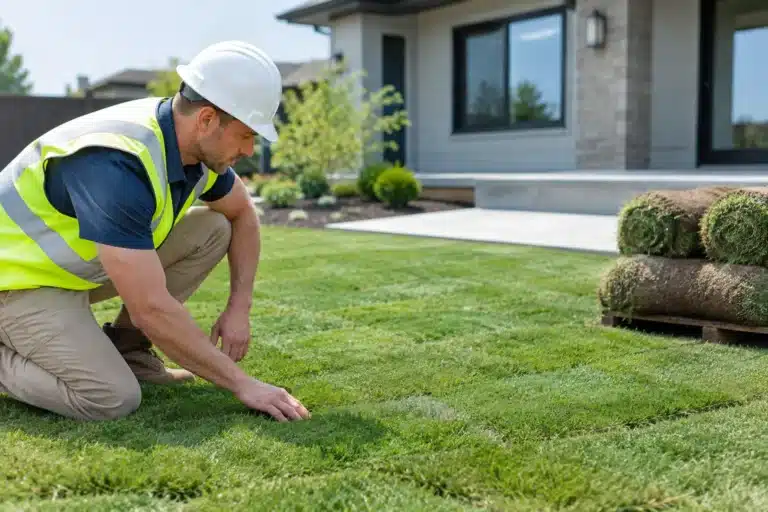
Premium material also gives an installer a better starting point. Rolls fit together more consistently, root zones are more uniform, and the lawn is less likely to contain surprise thin areas that need repair a month later. That matters when you want the job done once instead of spending the rest of the season babysitting problem spots.
Still, the sod itself is only part of the invoice. A premium roll installed over compacted construction soil and low spots will not solve drainage problems. It will just make them look nicer for a little while.
The Soil Prep Question Most Quotes Skip
If you are replacing a dead lawn or finishing a new build, pay attention to what happens before the sod arrives. This is where good lawns are made and bad lawns are hidden.
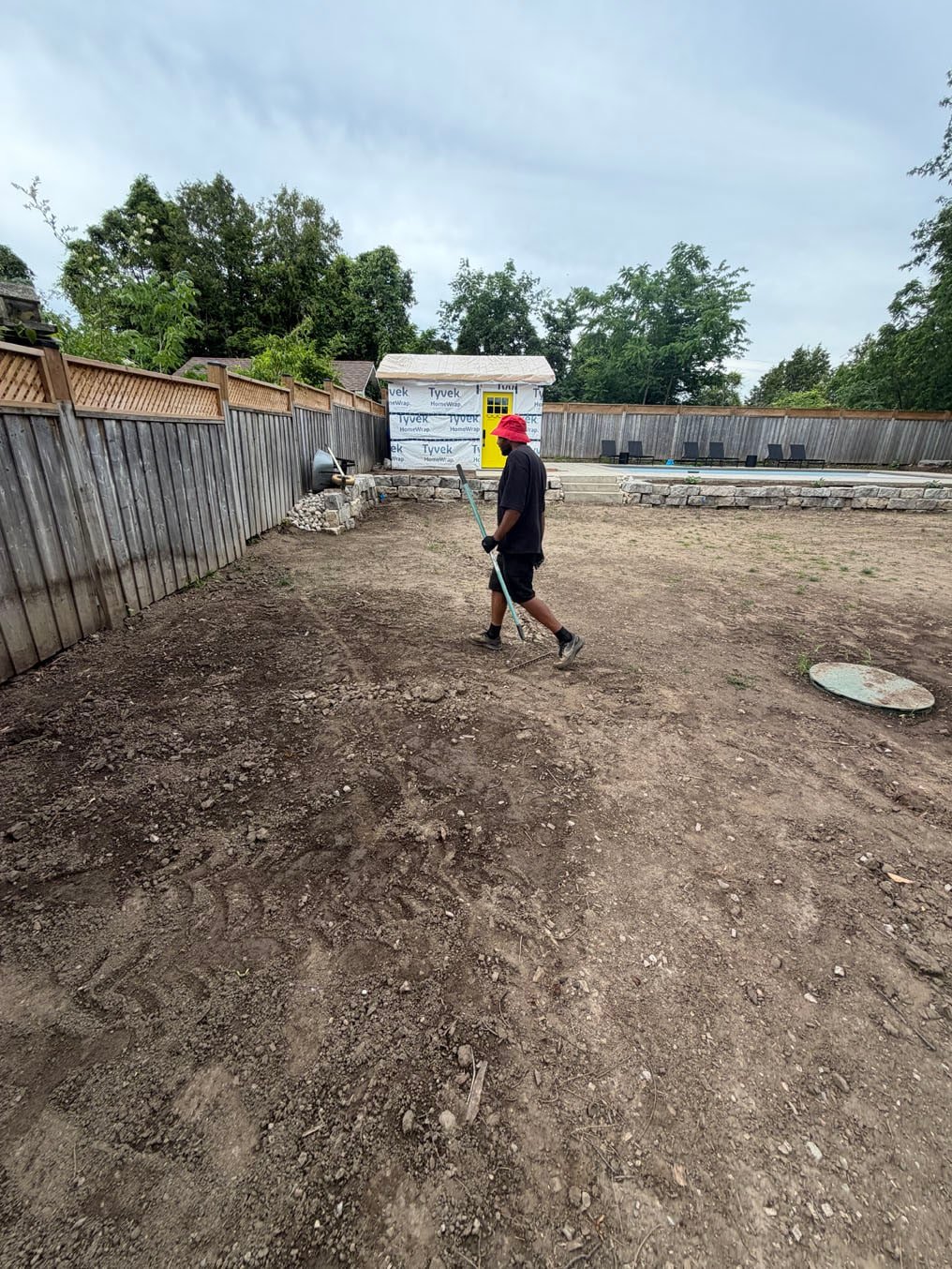
Construction sites often have compacted subsoil near the surface. It may drain poorly, lack organic matter, and be packed hard enough that new roots struggle to move through it. A quick layer of sod can create instant curb appeal, but it cannot correct a base that holds water after every rainstorm.
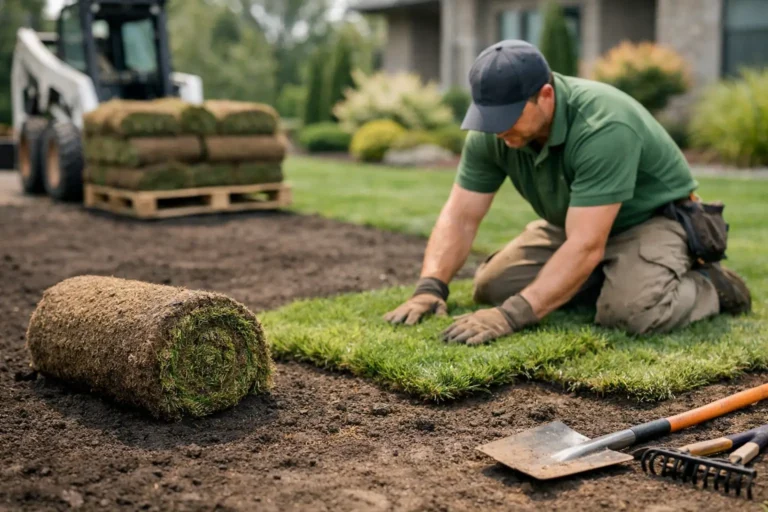
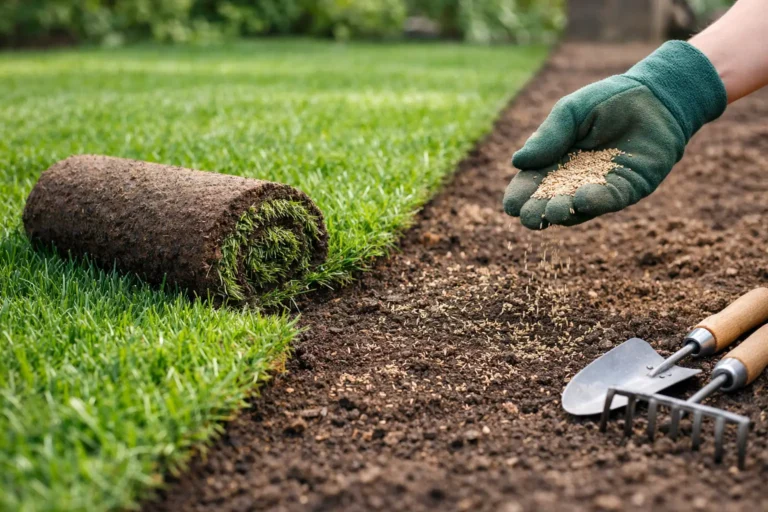
A proper installation starts by assessing the grade. Water should move away from the home, not settle beside the foundation or pool in the middle of the yard. The existing lawn or debris may need to be removed, low areas built up, compacted areas loosened, and quality topsoil added and leveled before installation.
This is especially relevant for homes in Kitchener, Waterloo, and Cambridge, where clay soil and new-construction grading can create plenty of surprises. The lawn should be graded for drainage and prepared for roots, not just made flat enough to roll sod across it.
A low builder-grade sod price may exclude that work. That does not make the quote dishonest, but it does make it incomplete if your property needs more than a cosmetic cover-up. Ask what soil preparation, grading, cleanup, and watering guidance are included. A cheap square-foot number tells you very little on its own.
When Builder-Grade Sod Makes Sense
There are situations where builder-grade sod is the practical choice. If you are sodding a large area with a tight budget, preparing a property for sale, or covering an area that will soon be disturbed by fencing, a deck, or other construction, paying for top-tier material may not be necessary.
It can also work well when the sod is fresh, the soil is properly prepared, and the homeowner has realistic expectations. Basic sod still needs immediate watering, regular mowing, and time to establish. It is grass, not a painted backdrop.
For builders and property managers, the decision may come down to scope. A large development needs reliable supply, fast installation, and consistent results across many lots. In that setting, the best value may be a dependable turf product paired with professional grading and installation, rather than simply choosing the lowest-priced rolls available.
The key is matching the material to the job. If the lawn is temporary, low-use, or part of a larger project still underway, a more economical sod option can be sensible.
When Premium Sod Is Worth It
Premium sod makes the strongest case when you want a lawn that will be part of daily life for years. Think front yards that carry your home’s curb appeal, backyards where children play, dog runs, commercial entrances, and properties where patch repairs would be more frustrating than spending a little more up front.
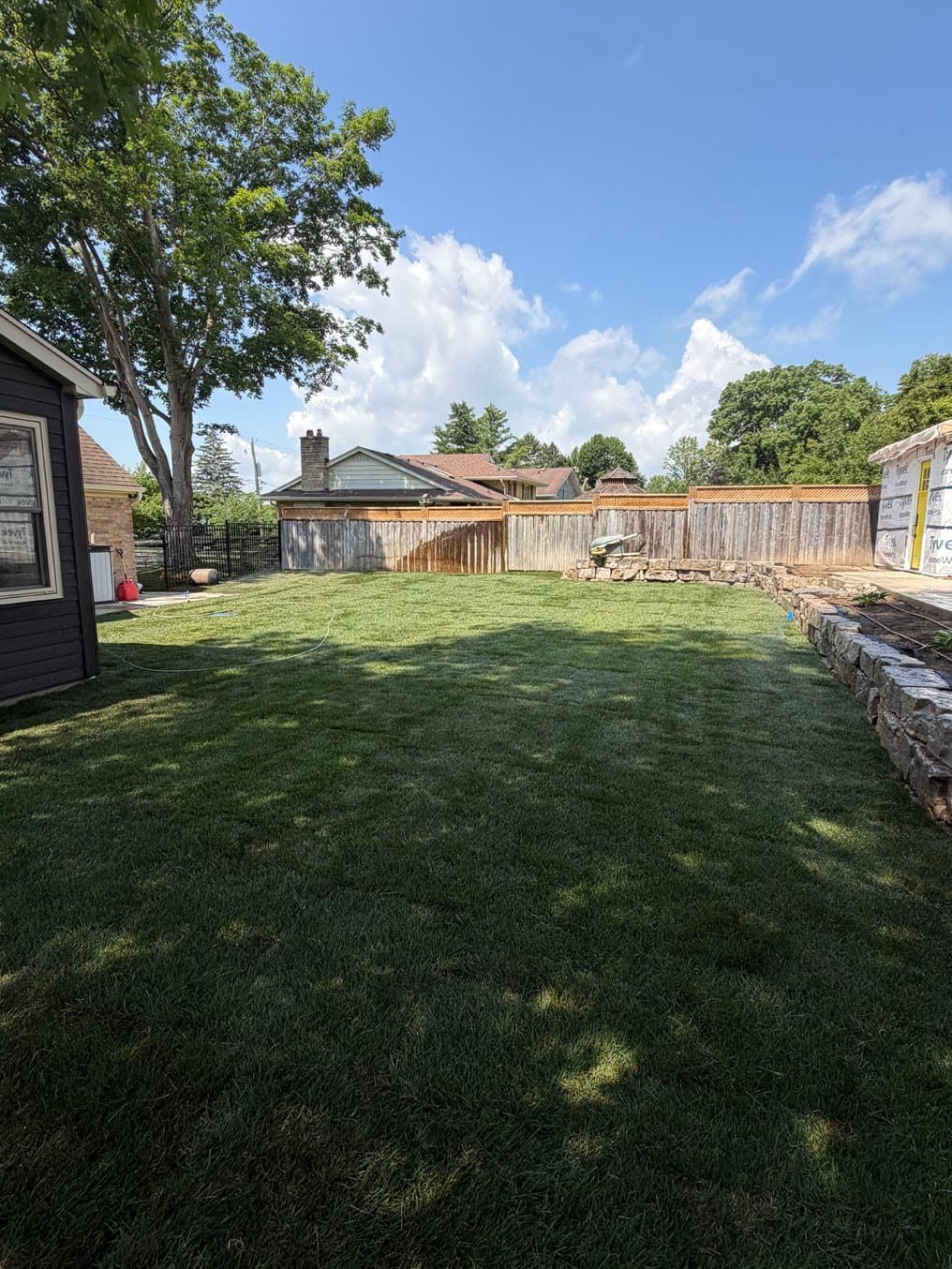
It is also the smarter choice when timing matters. A high-quality, fresh-cut sod installation paired with proper soil prep gives you a faster path to a lawn that looks established and is ready to root. You still need to stay off it during early establishment and follow a watering plan, but you are not gambling on weak material from day one.
Premium sod is particularly useful for homeowners replacing a lawn damaged by grubs, drought, poor drainage, or years of thin turf. If you are doing a full tear-out, it makes little sense to invest in removal, grading, and soil work only to finish with inconsistent material.
That does not mean every yard requires the most expensive option on the market. A shady lot, for example, may benefit more from selecting a shade-tolerant blend and correcting drainage than from paying extra for a generic “premium” label. The right sod is the one that fits the conditions, not the one with the fanciest name.
How to Compare Sod Quotes Without Getting Burned
When comparing estimates, make sure each company is pricing the same job. One quote may include sod only. Another may include stripping the old lawn, spreading topsoil, correcting grade, delivering fresh sod, rolling it in, cleaning up, and explaining the aftercare plan. Those are not competing prices. They are different scopes of work.
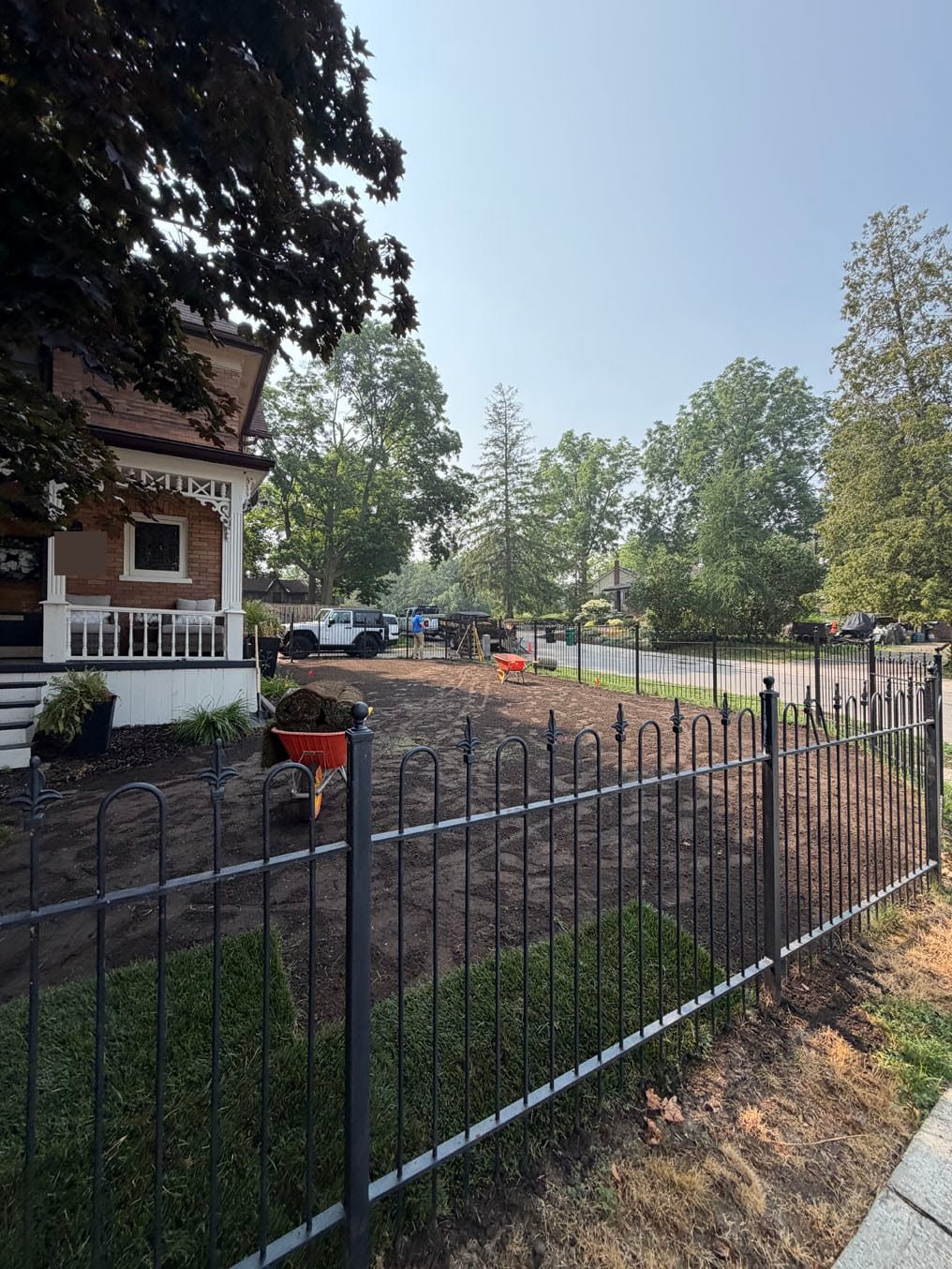
Ask how fresh the sod will be, what grass blend is being installed, and whether the supplier is local. Ask whether the existing lawn will be removed or simply covered. Ask how drainage concerns are handled and whether the price includes topsoil and final leveling.
You should also ask what happens if a section fails to establish. Good contractors do not promise that nature will follow a calendar, but they should be clear about their workmanship, their process, and what they expect from you during watering and early care.
At Right On Sod, the goal is not to sell the most expensive lawn possible. It is to install a lawn that fits the property, budget, and timeline without cutting the corners that cause trouble later.
A Better Lawn Starts Below the Green
Premium sod can give your property a sharper, healthier-looking finish from day one. Builder-grade sod can be a reasonable value when the site, budget, and expectations line up. But neither choice can outwork poor drainage, compacted soil, or an installer who treats preparation like an optional extra.
Before choosing a roll of grass, look at the ground it will call home. Get the grade right, use fresh material suited to the yard, and follow the watering plan closely in those first critical weeks. That is how a new lawn stays green after the “before and after” photo is over.
One Comment