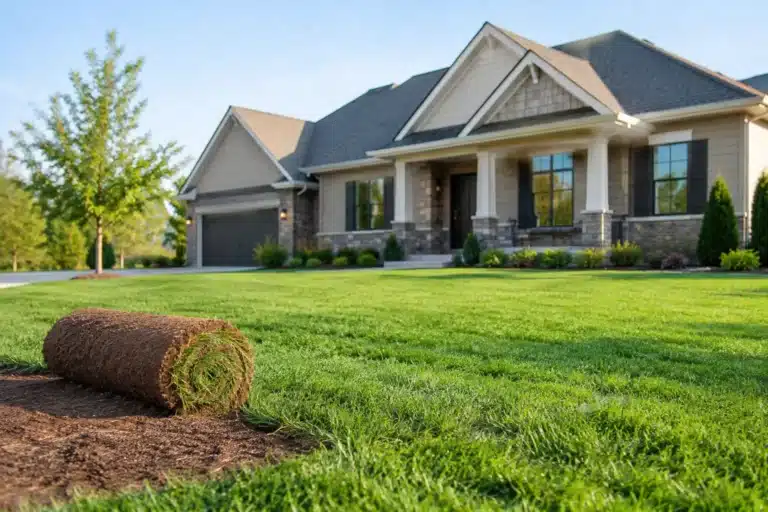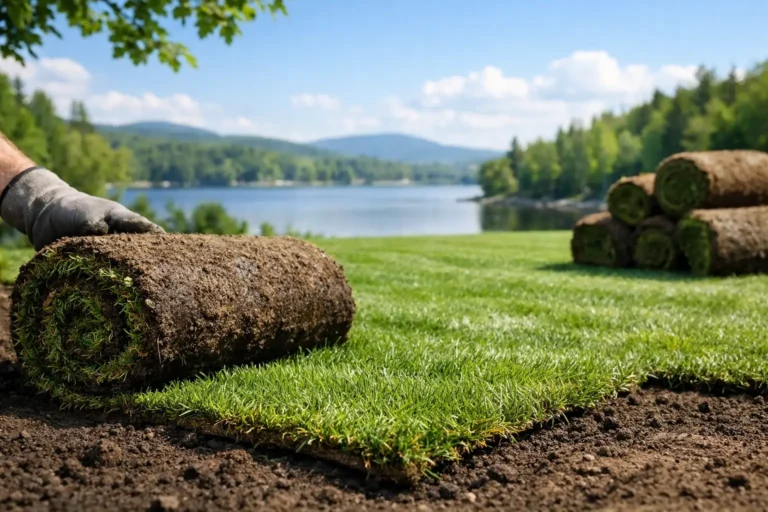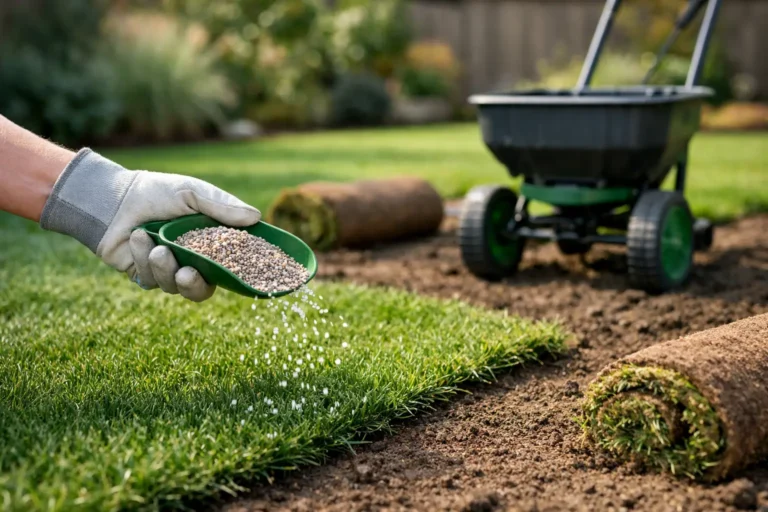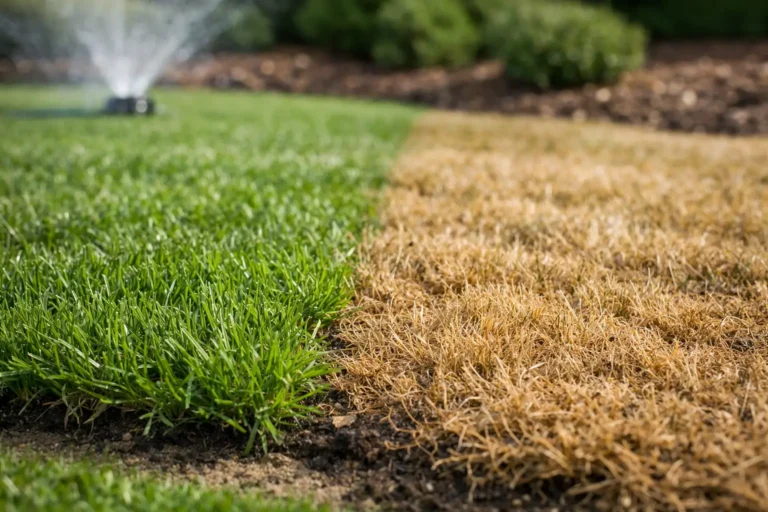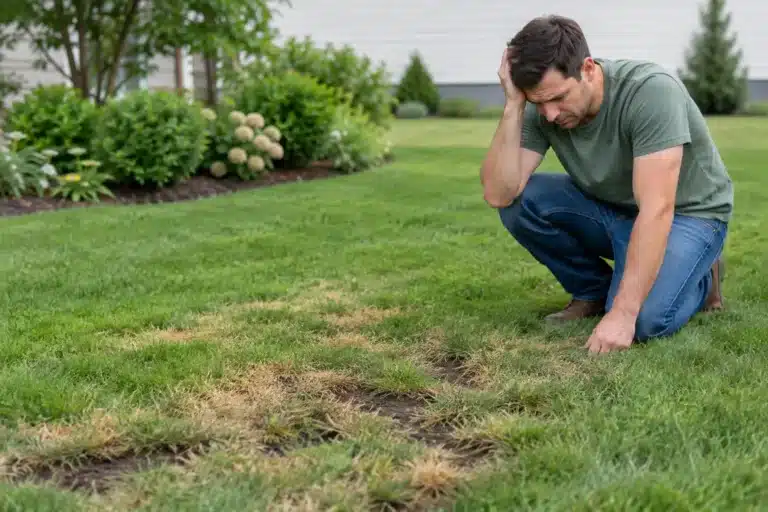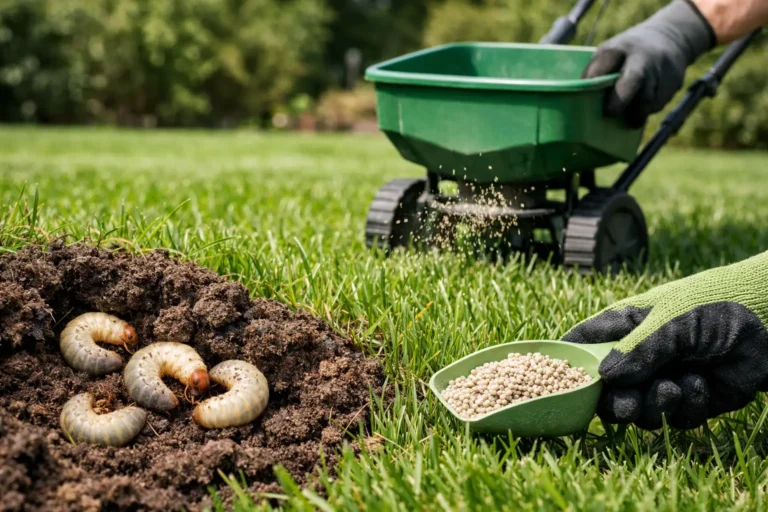

A backyard can look finished from the kitchen window while hiding the exact problems that create warranty calls later: low spots along the fence, compacted clay, downspout discharge, buried construction debris, and grades that send water toward the house. Sod is the final visual layer, but it cannot fix what sits underneath it. This builder backyard sodding checklist helps builders prepare lots for a clean, dependable handoff – not a green lawn today and a muddy complaint next spring.
Start With the Finished Grade, Not the Sod
The sod crew should arrive after the backyard grade is truly complete. That sounds obvious, but it is where plenty of jobs go sideways. If fencing, deck work, utility repairs, concrete work, or final exterior trades still need backyard access, sod installation is probably premature. Fresh sod does not enjoy skid steers, wheelbarrows, or a crew cutting through it with lumber.
Confirm the finished grade has positive drainage away from the foundation. Water should move away from the home without creating a steep, awkward backyard that is hard to mow or use. The goal is a smooth, usable surface with controlled drainage, not a roller coaster with grass on top.
Walk the lot after a rainfall if timing allows. Look for standing water, soft footprints, runoff channels, and water collecting beside patios, window wells, air-conditioning pads, or fence lines. Small low spots are cheap to correct before sod goes down. After installation, they become a removal-and-repair job.
Check transitions around hard surfaces
Patios, walkways, window wells, curbs, and garden edges need clean grade transitions. Soil should sit low enough that the finished sod surface will not trap water against a hard surface or cover drainage openings. Remember that sod adds thickness. If final soil is already too high, the lawn can end up above the intended edge once installed.
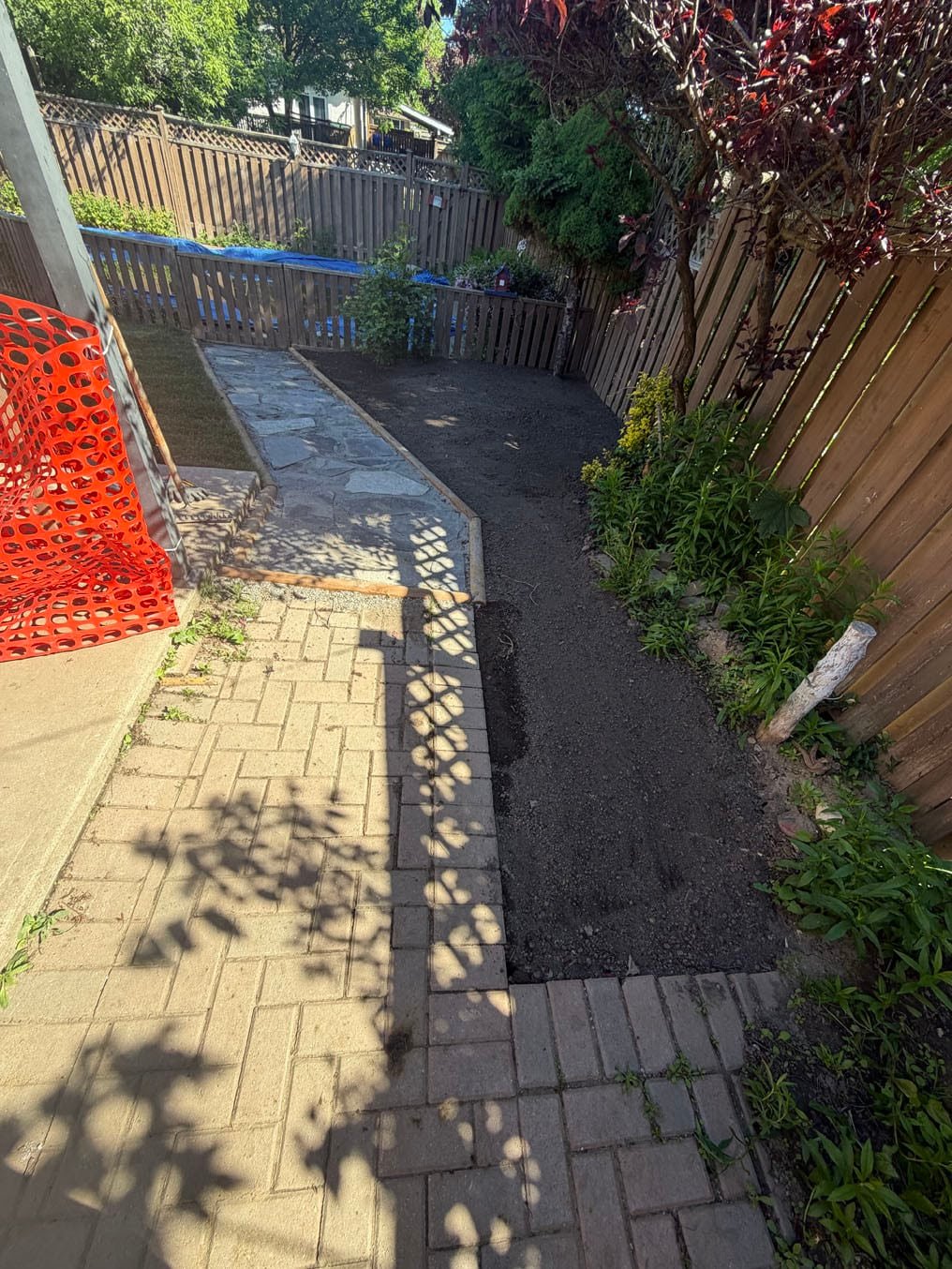
This is especially relevant on new construction lots, where topsoil placement and final grading sometimes happen fast near closing. A few minutes spent checking elevations can save a landscaping crew from trying to make impossible corrections with a rake.
Inspect Soil Depth and Quality
A builder backyard does not need golf-course soil, but it does need enough quality topsoil for roots to establish. Sod roots need loose soil, air, moisture, and nutrients below the seams. They cannot establish properly in a thin layer of topsoil spread over compacted subsoil.
Aim for a consistent, workable topsoil layer across the lawn area. The exact depth depends on site conditions and the approved landscape plan, but consistency matters as much as the number. A backyard with deep topsoil in the middle and thin, rocky soil along the perimeter will establish unevenly and show stress first at the edges.
Check for construction leftovers before soil preparation begins. Rocks, lumber scraps, chunks of concrete, plastic, excess gravel, and buried debris all make rough grades and poor rooting zones. They also make homeowners very unhappy when they discover them while planting a shrub six months later.
Compaction deserves the same attention. Heavy equipment can pack soil tight enough that water runs off instead of soaking in. In that case, loosening the upper soil layer before final raking may be necessary. The right fix depends on the soil and grade. Aggressive tilling can create problems on slopes or bring poor subsoil to the surface, so the plan should match the lot rather than follow a one-size-fits-all routine.
Builder Backyard Sodding Checklist Before Delivery
Before scheduling sod, confirm these jobsite essentials with the superintendent, site manager, or homeowner:
- Final grading is complete, with drainage directed away from the foundation and no visible ponding areas.
- Topsoil is spread evenly, free of major debris, and prepared for roots rather than left compacted and crusted over.
- Fence, gate, deck, patio, and utility work that requires lawn access is complete or coordinated before installation.
- Downspouts, sump discharge, and drainage outlets are directed so they will not wash out new sod.
- The backyard access route is clear, safe, and wide enough for material handling without damaging finished features.
- Sprinkler work, if included, has been tested before sod covers the lines and heads.
- The site has a reliable water source and a clear plan for watering immediately after installation.
- The lot is free of parked equipment, stored materials, and loose garbage that can slow the crew down.
That last point is not glamorous, but it matters. A clear site allows the sod crew to focus on preparation and installation instead of moving someone else’s materials. Fast work is good. Fast work on a prepared site is better.
Plan Access Before the Truck Arrives
Backyards are often the hardest part of a new-home landscape installation because the best access disappears once driveways, garages, fences, and finished front lawns are in place. A delivery plan should be settled before sod is cut at the farm.
Consider where pallets can be placed, how crews will move material into the backyard, and whether the route crosses finished concrete, decorative stone, or a newly installed front lawn. If the only available route is through a narrow gate, that affects labor, timing, and sometimes the best order of installation.
For larger developments or multiple lots, coordinated scheduling matters. Grouping nearby installations can improve efficiency, but only when each lot is actually ready. Sending a sod crew to an unprepared backyard just to hold a schedule is false economy. The crew loses time, the sod sits longer than it should, and the final result takes the hit.
Coordinate Sod Timing With Closing and Weather
Fresh, farm-cut sod is perishable. It needs to be installed promptly and watered right away. Builders should avoid having sod delivered before the site is ready or before someone is assigned to water it.
The best installation window depends on temperature, rainfall, sun exposure, and access to water. Cooler weather can make establishment easier, while hot, dry periods demand more attentive watering. That does not mean summer installation is off the table. It means the watering plan has to be real, not a vague promise that someone will handle it later.
For occupied homes, explain the first two weeks clearly. New sod needs deep, consistent moisture while roots knit into the soil. It should not be left to dry out, and it should not be flooded until water pools on the surface. The lawn may look ready for a barbecue the day it is installed, but it still needs protection from heavy foot traffic during early establishment.
If closing dates are tight, build in a practical buffer. Weather delays, final inspections, fence timing, and incomplete grading can all affect installation. A good sod partner communicates early when a lot is not ready. That is not a delay for the sake of it. It is how you avoid installing a premium lawn on a poor foundation.
Do a Final Walk Before Sign-Off
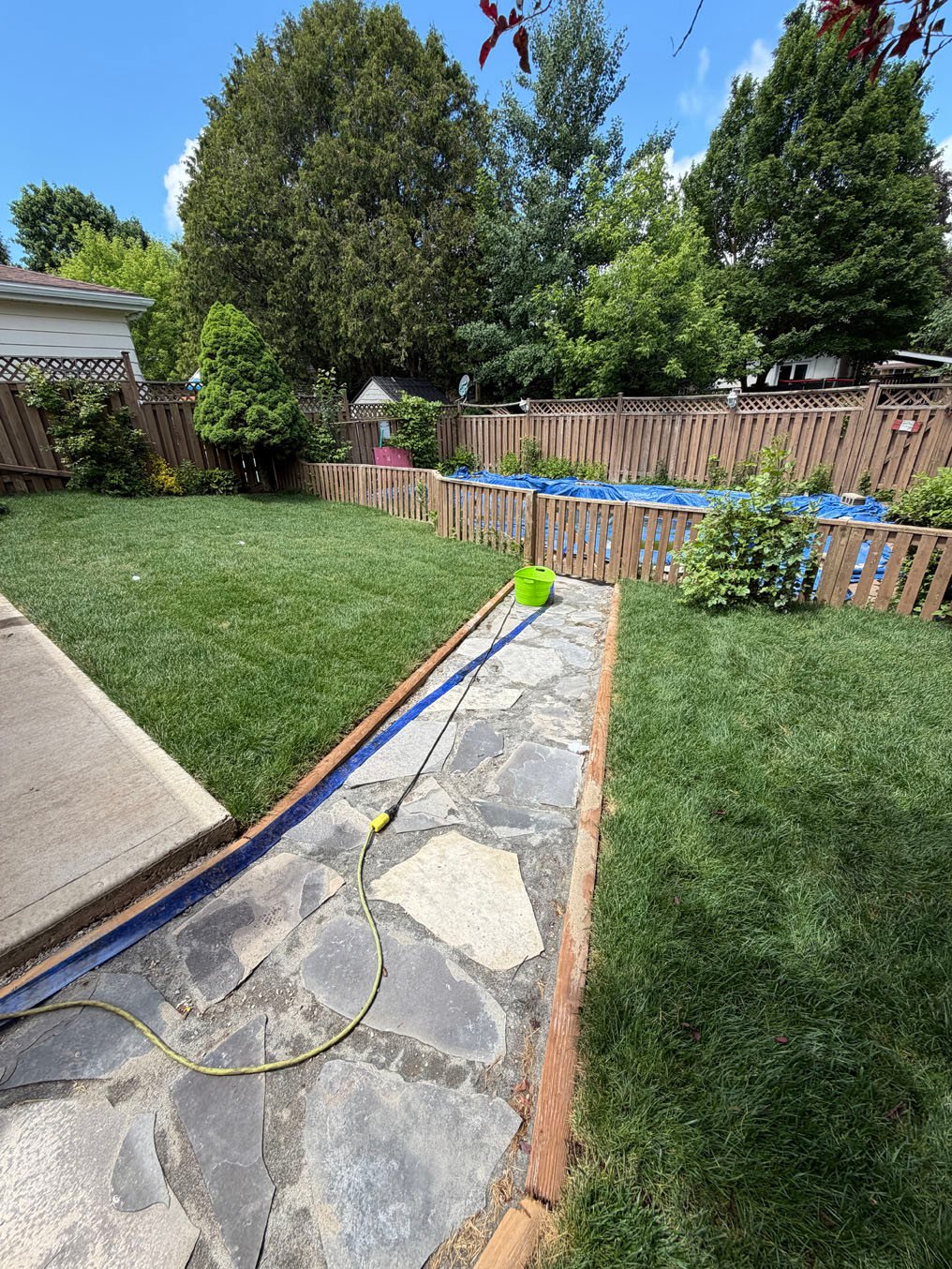
After sod is installed, inspect the backyard from the homeowner’s point of view. Stand at the patio door. Look along fence lines. Walk the perimeter. Check that seams are tight, edges are clean, grades are smooth, and the lawn meets hardscape without obvious gaps or high spots.
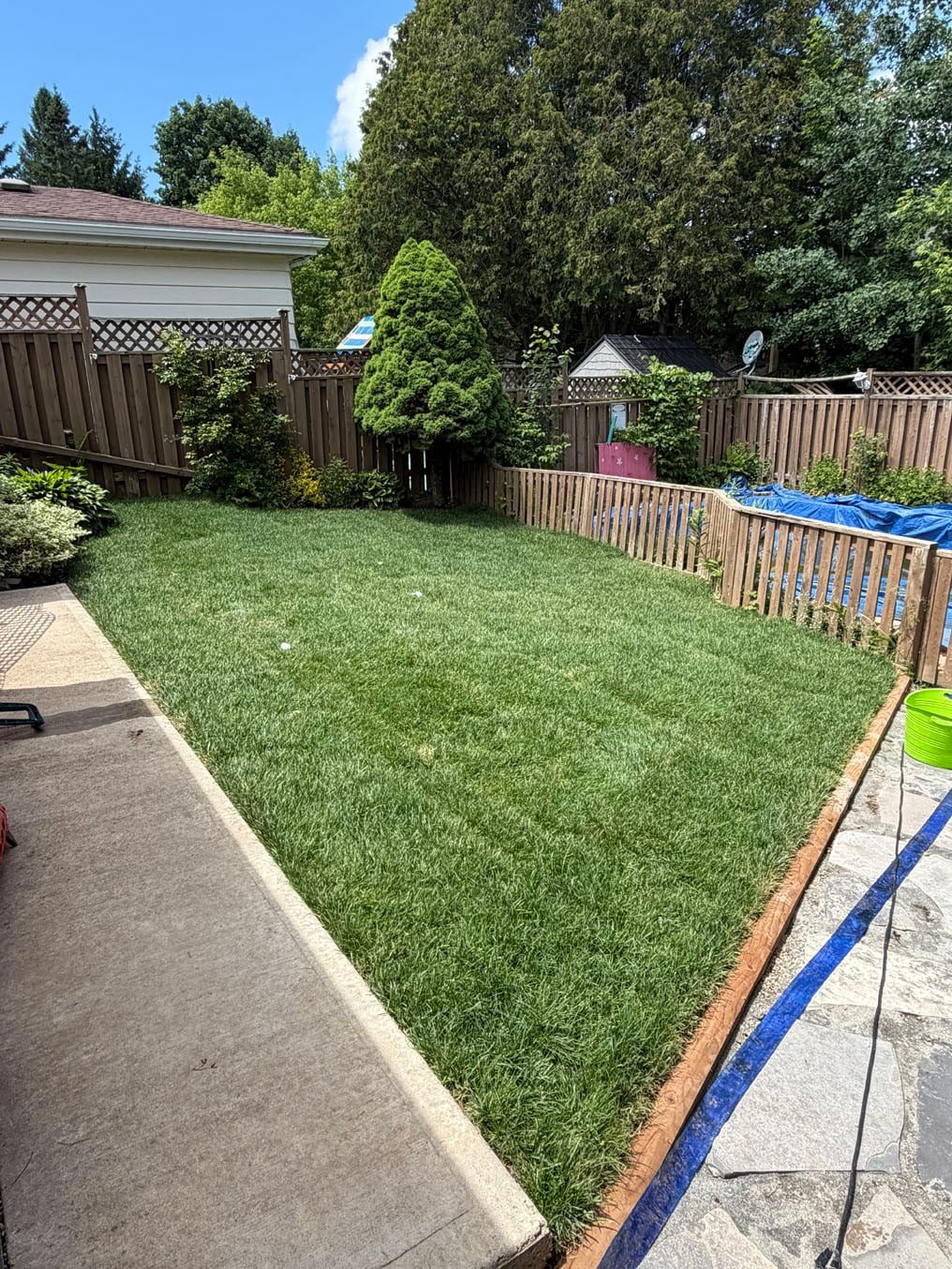
Then check the functional details. Are downspouts discharging safely? Are sprinkler heads visible and working? Is there soil or sod blocking drains? Did the crew leave the site clean? A green lawn makes a strong first impression, but clean finishing work is what makes it feel complete.
For builders working in Kitchener, Waterloo, and Cambridge, local clay soils and changing seasonal conditions make soil preparation and drainage more than a box to tick. They are the difference between a backyard that establishes evenly and one that starts showing thin spots after the first hard weather swing.
Right On Sod approaches builder work with that reality in mind: prepare the base properly, install fresh sod efficiently, and leave a lawn that helps the property look ready on handoff day. Get the grade, soil, access, and watering plan right before installation, and the sod gets to do what it does best – make a new backyard look like a backyard.