

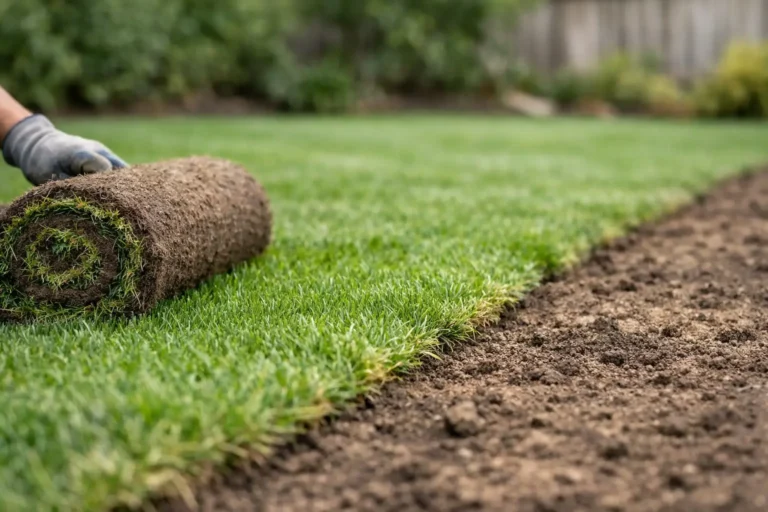
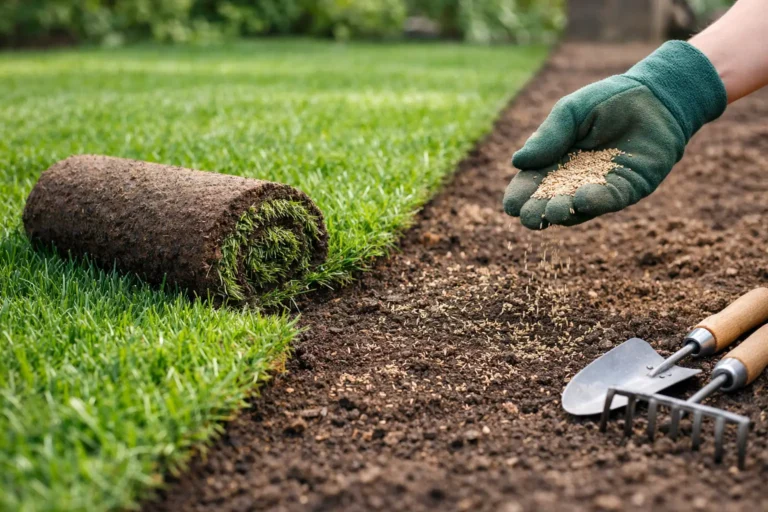
If you are wondering when to install sod, the short answer is this: install it when the soil is workable, temperatures are moderate, and you can keep it watered properly for the first few weeks. That usually makes spring and early fall the strongest windows for most lawns, while midsummer and frozen-ground installs come with more risk. The right timing is not just about convenience. It directly affects rooting speed, water demand, stress on the new turf, and how quickly your lawn turns into something you can actually enjoy.
For property owners who want fast curb appeal, timing matters because sod is a premium product. You are paying for an instant lawn, and the goal is to protect that investment from day one. A well-timed installation roots faster, establishes more evenly, and usually needs less correction work later.
When to install sod in Ontario conditions
In Southern Ontario, the best times to install sod are usually spring and early fall. Those seasons give you a strong mix of cooler air, milder sun, and soil conditions that help roots take hold without the same level of heat stress you get in July or August.
Spring is often ideal because the ground is waking up, moisture levels are usually better, and new sod has time to establish before peak summer heat arrives. If your lawn was damaged over winter, hit by grubs, or left rough after construction, spring installation can quickly reset the property before outdoor season starts.
Early fall is just as strong, and in some cases better. The soil is still warm from summer, which helps rooting, but the air is cooler and the sun is less aggressive. That combination reduces stress on fresh sod and can make watering more manageable. For homeowners replacing a failed summer lawn, early fall is often the smartest time to start over.
Late fall can still work if the ground is not frozen and the sod can make contact with prepared soil. But the closer you get to freezing temperatures, the less active root growth you will see. You may still get successful establishment, but it will be slower and more weather-dependent.
Spring is the most popular time for a reason
Spring installation makes sense for most residential and commercial properties because it lines up with how people use their outdoor space. You get the visual upgrade right away, and the lawn has a full growing season ahead of it.
There are trade-offs, though. Early spring can be wet, and that matters more than many people realize. If the yard has drainage issues, soft spots, or poor grading, installing sod before those problems are addressed can lead to uneven settlement, soggy areas, or weak rooting. Sod is only as good as the base underneath it.
That is why professional preparation matters. If the subsoil is compacted, the grade is wrong, or the topsoil depth is inconsistent, timing alone will not save the project. A properly prepared surface gives spring sod the best chance to establish evenly.
Early fall is a close second, and sometimes the better choice
A lot of people assume they missed their chance if they did not install in spring. That is not the case. Early fall is one of the best times to install sod, especially if summer heat has already exposed the weak points in your lawn.
If your grass is thin, burned out, torn up by pests, or constantly drying out, fall gives you a cleaner reset. Cooler weather reduces transplant shock, and weed pressure is often lower than in spring. That can mean less competition while the sod is trying to root.
The main caution is timing. You do not want to leave the job too late and run into cold nights, frost, or frozen soil before roots start establishing. There is still a workable fall window, but it narrows as temperatures drop.
Can you install sod in summer?
Yes, but this is where experience and follow-through matter most. Summer sod installation is possible, and sometimes it is necessary for builders, renovations, property sales, or urgent lawn replacements. But summer puts more pressure on everything. The sod dries out faster, the roots face more stress, and the watering schedule becomes less forgiving.
If you install sod during hot weather, you need consistent moisture right away. Not occasional watering. Not when convenient. Fresh sod must stay adequately moist while roots anchor into the soil below. Miss that window during a heat wave, and sections can dry out, shrink, or fail.
This does not mean summer is a bad time in every case. It means summer is a higher-risk time if the lawn was not prepared properly or the aftercare is weak. On a professionally graded and prepped lawn, with a realistic watering plan, summer installs can still succeed and look excellent.
Winter and frozen-ground installs are not the goal
Once the ground is frozen, sod installation stops being practical. Roots need soil contact and workable conditions. If the base is hard, icy, or covered in snow, you are no longer setting the lawn up for healthy establishment.
There can be edge cases late in the season when temperatures are cool but the ground is still workable. That is different from a true winter install. In general, if the soil is frozen or close to it, waiting is the better call.
The best time depends on your property, not just the calendar
This is where a lot of lawn advice gets too generic. The best answer to when to install sod depends on site conditions as much as season.
A newly built home with rough grade, compacted fill, and no proper topsoil may not be ready in perfect spring weather. A mature property with severe grub damage may need tear-out, soil repair, and fresh grading before new sod goes down. A shady backyard and a full-sun front lawn can also perform differently even when installed on the same day.
Drainage is another big factor. If water sits against the house, pools in low corners, or runs across the lawn unevenly, that should be solved before installation. Sod can make a property look finished fast, but it should not be used to cover up a base problem.
Signs your lawn is ready for sod now
A lawn is usually ready for installation when the soil is workable, the grade is set, and you have a clear plan to water it properly after the sod is laid. If the old lawn has been removed, problem areas corrected, and the base prepared to the right level, you are in a good position.
It also helps if your schedule matches the demands of a new lawn. Fresh sod needs attention right away. If you are leaving town, managing a major renovation, or cannot monitor watering for the first stretch, even a good season can become the wrong time.
For many homeowners, the right install date is the earliest date when preparation and aftercare can both be done properly. That is the practical answer, not just the seasonal one.
Why preparation matters more than most people think
People often focus on the day the sod arrives. Professionals focus on what happens before that. Proper grading, solid soil preparation, and clean installation are what make the timing pay off.
If the lawn is uneven, too compacted, or lacking healthy growing medium, sod can struggle no matter when it is installed. You may still get the green look on day one, but long-term performance will be weaker. That is why specialized sod contractors usually approach the project as a full system, not just a delivery and roll-out job.
For properties in Kitchener, Waterloo, and Cambridge, timing also needs to account for the local mix of clay-heavy soils, construction disturbance, and drainage challenges. Those conditions can change how quickly a lawn is truly ready, even if the season looks ideal on paper.
So when should you book the job?
If you want the widest scheduling options, book in advance for spring or early fall. Those are the busiest periods because they offer the best conditions and the strongest results for most properties. Waiting until the exact week you want the lawn installed can limit availability, especially if the project also needs tear-out, grading, or soil work.
If the lawn is damaged now and you want it fixed fast, do not assume you need to wait for the perfect month. A properly planned summer installation may still be the right move, especially if appearance, usability, or property value cannot wait.
The real question is not just when to install sod. It is when your property can support a successful install with the right prep, the right weather window, and the right follow-through. Get those three pieces right, and the lawn usually tells the story pretty quickly.
A great sod job should not feel like a gamble. It should feel like a clear upgrade, done at the right time, for the right reasons.
2 Comments