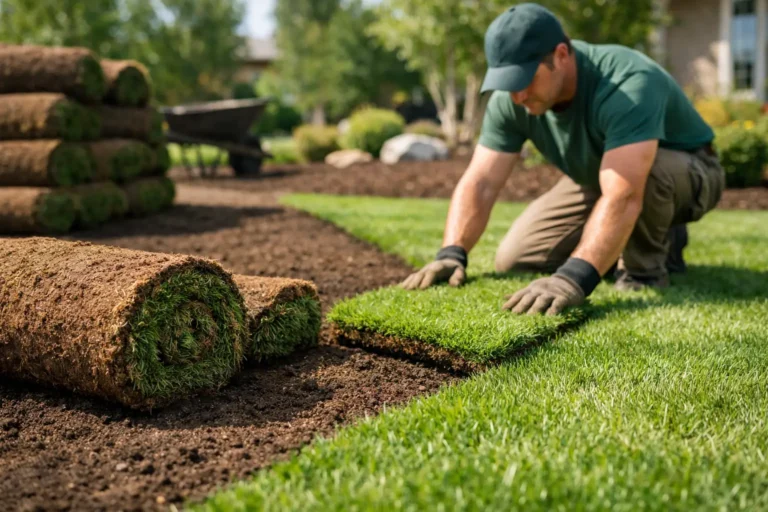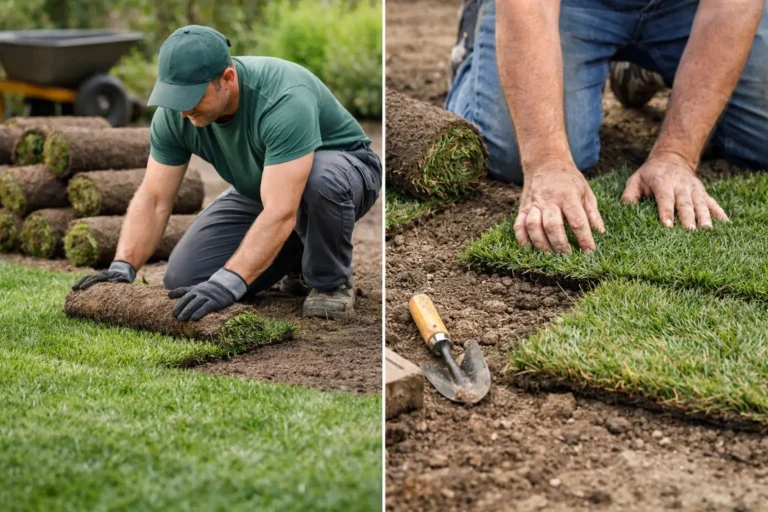

New sod can look perfect the afternoon it is installed and still fail a week later if it dries out at the seams. The best sod watering tools do one simple but critical job: they put water down evenly enough to keep the soil beneath the turf moist while new roots grab hold. No gimmicks, no complicated irrigation setup required – just the right equipment, used consistently.
For homeowners replacing a dead lawn, finishing a new build, or repairing grub damage, watering is the part that determines whether fresh sod becomes a tough, healthy lawn or an expensive patchwork project. Here is what actually helps.
What Fresh Sod Needs From a Watering Setup
Fresh sod needs broad, even coverage. A quick spray that leaves the grass blades wet but the soil underneath dry does not count. Water has to move through the sod and into the prepared soil below it. That is where roots need moisture.
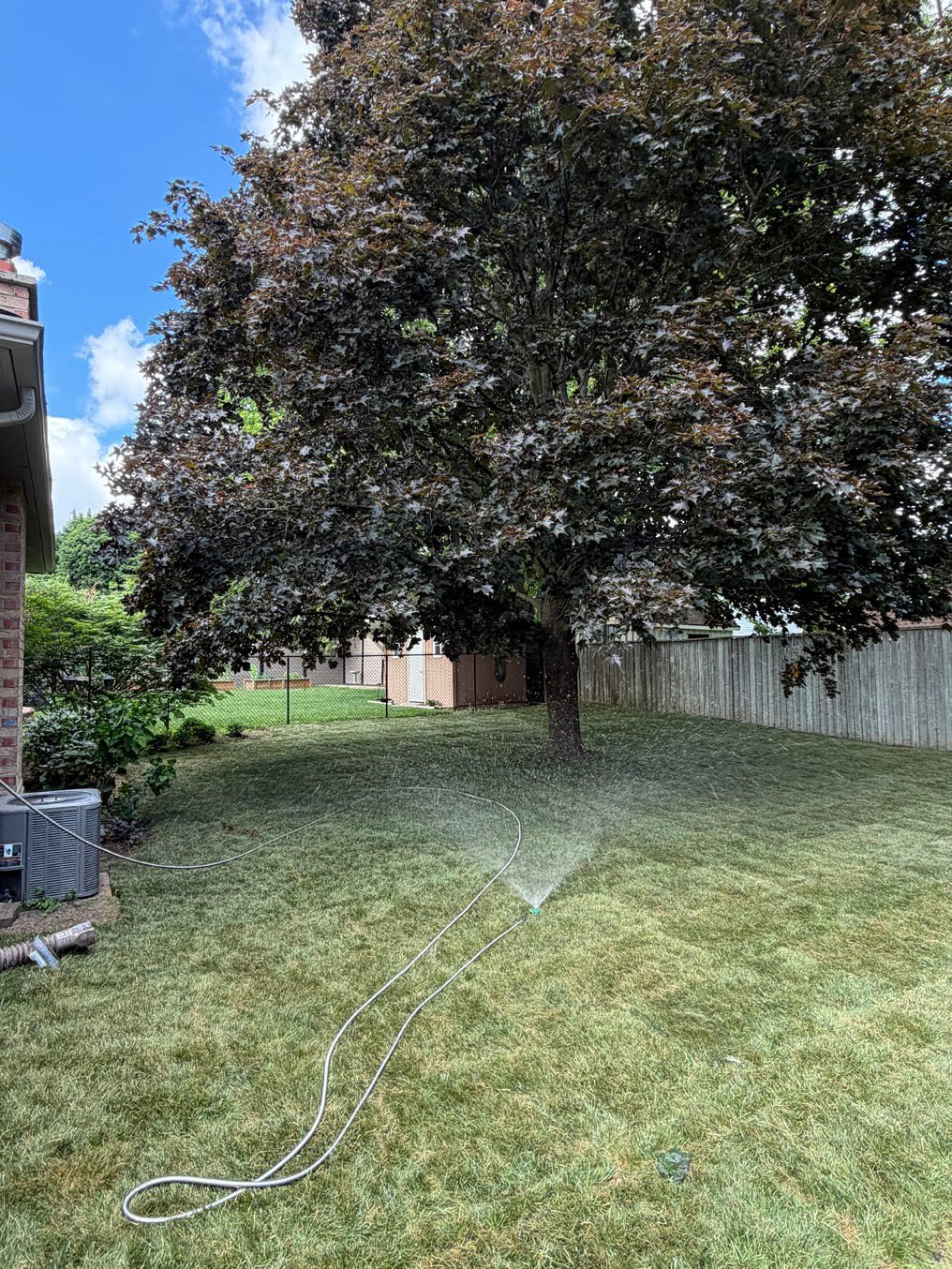
During the first seven to 14 days, the goal is consistently moist soil, not a muddy swamp. On hot, windy days, new sod can dry quickly, especially along edges, sidewalks, driveways, and sloped areas. Those spots are usually the first to turn gray-green, curl up, or pull back at the seams.
The best tool depends on the lawn shape, its size, water pressure, and whether someone can be home to move a sprinkler. A small front yard may need one quality sprinkler and a timer. A large corner lot or commercial lawn needs a more deliberate layout. Either way, coverage beats brute force.
The Best Sod Watering Tools for New Lawns
Oscillating sprinklers for square and rectangular lawns
An oscillating sprinkler is often the best starting point for a typical residential lawn. Its moving spray bar throws a gentle fan of water across a broad rectangular area, making it well suited to front lawns, backyards, and the straight runs common around newer homes.
The biggest advantage is evenness. Set it on a stable, level surface, adjust the width and length of the spray, and overlap each watering zone slightly. That overlap matters. If one section gets soaked while another gets skipped, the sod will tell on you fast.
These sprinklers work best on mostly flat ground. On a slope, water may run downhill before it soaks in. Use shorter cycles in those areas, then repeat later. It takes a little more attention, but it prevents runoff and keeps the top of the slope from drying out.
Tripod sprinklers for large or awkward areas
A tripod sprinkler is a smart upgrade when a standard ground-level sprinkler cannot clear taller grass, reach over a garden edge, or cover a large open area. The raised spray pattern is useful on wider lawns and properties with irregular shapes.
Tripod models can cover a lot of ground, but bigger is not automatically better. High-output sprinklers may throw water past the sod, into a driveway, or onto a neighbor’s fence if they are not adjusted properly. Test the pattern for five minutes before leaving it alone. You want water landing on the lawn, not performing a free car wash.
For larger sod installations, use the tripod as one zone in a planned rotation rather than expecting it to handle every corner. Edges and narrow side yards usually still need a second tool.
Spot sprinklers for narrow strips and missed corners
Small spot sprinklers are not glamorous, but they earn their keep. They are ideal for side yards, thin strips between a driveway and fence, curved edges, and spots a larger sprinkler cannot reach without wasting water.
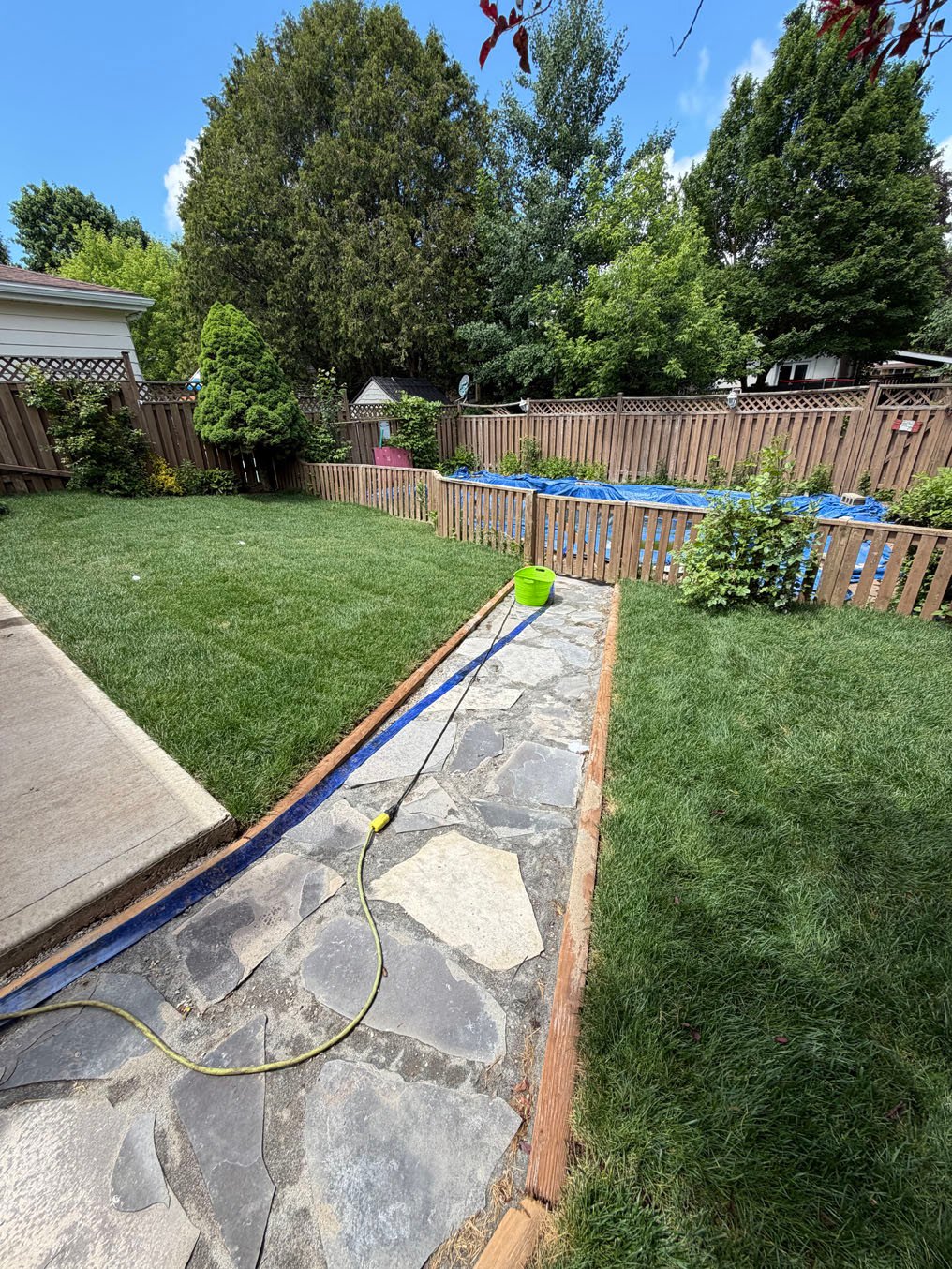
A simple low-profile sprinkler can also be useful for hand-watering problem areas during the first week. If one sod seam starts to lift or a section feels dry underneath, give that area focused attention rather than flooding the entire lawn again.
Think of a spot sprinkler as the cleanup crew. It should support your main watering plan, not replace it.
A quality garden hose that will not fight you
A sprinkler is only as useful as the hose feeding it. For sod watering, choose a kink-resistant hose that is long enough to reach every planned zone without being stretched tight across the lawn. A hose that is too short gets dragged over fresh seams and creates more work than it saves.
For most homeowners, a 5/8-inch hose provides dependable flow for a sprinkler setup. If your water pressure is modest or you are watering a larger lawn, avoid running multiple sprinklers from one hose line unless you have confirmed that each one still delivers adequate coverage. Two weak sprinklers are not better than one that works.
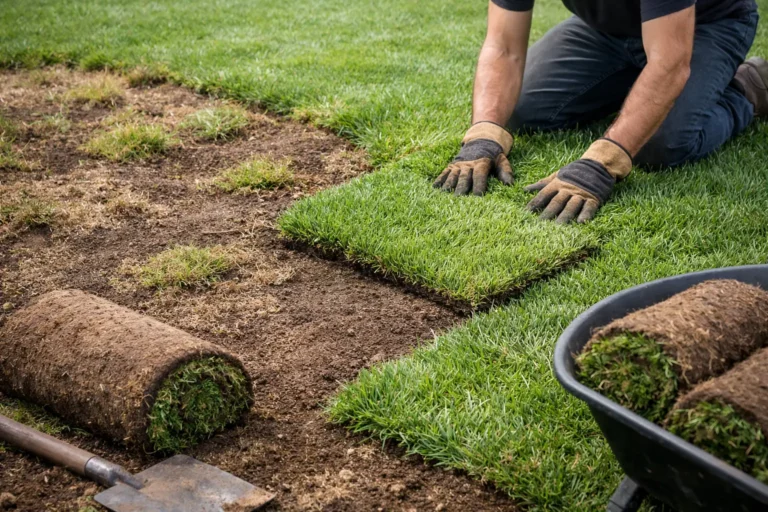
Move hoses carefully. Fresh sod has not rooted yet, and a hard pull can separate pieces or wrinkle an edge. Walk the hose into position instead of yanking it from the far end.
Hose timers for consistency when life gets busy
A hose-end timer is one of the best sod watering tools because it solves the most common problem: forgetting. New sod does not care that you had meetings, school pickup, or a weekend away. If it needs water, it needs water.
A basic mechanical timer works well for a single watering zone. A programmable digital timer gives you more control if the lawn has several areas with different exposure. For example, a sunny front yard may need a different schedule than a shaded backyard.
Timers are especially helpful when sod is installed during a warm stretch in the Waterloo Region, where summer heat and dry wind can pull moisture out of a new lawn quickly. Still, do not set a timer and disappear for two weeks. Check the soil under the sod every day at first. A timer controls duration, but it cannot tell you if rain, heat, shade, or poor drainage has changed what the lawn needs.
Rain gauges and soil checks for avoiding guesswork
A rain gauge is inexpensive, simple, and more useful than staring at dark clouds. If a storm drops enough rain to thoroughly wet the sod and soil below, you may be able to skip a scheduled cycle. If it only spits for 10 minutes, it probably did not replace a proper watering.
The better test is physical. Lift a corner of a sod piece gently and feel the soil underneath. It should be moist, cool, and dark – not dusty, bone dry, or soupy. After the first week, a gentle tug can also tell you whether roots are beginning to anchor. Resistance is good news. If the piece lifts easily, keep focusing on consistent moisture.
Tools That Sound Helpful but Can Cause Trouble
Spray nozzles are useful for wetting small edges or watering freshly laid sod before it is rolled, but they are not efficient as the main tool for a full lawn. Hand watering a large area almost always creates uneven coverage. Some parts get drenched because they are easy to reach; other parts get a polite mist and quietly dry out.
Soaker hoses can work for narrow beds or thin sod strips, but they are harder to monitor on a broad lawn. They can also leave uneven moisture when pressure varies along the hose. Use them only where a conventional sprinkler genuinely cannot fit.
Above-ground irrigation kits may be worthwhile for a large property or a new build, but temporary systems need to be laid out carefully. A hose or sprinkler base sitting in one spot too long can create puddling, while poor placement leaves dry bands. For a full lawn replacement, it is often simpler and more reliable to use a few well-placed sprinklers and rotate them deliberately.
How Long Should You Water New Sod?
There is no honest one-size-fits-all number. Soil type, temperature, shade, wind, drainage, sprinkler output, and rainfall all change the answer. Sandy soil drains faster than heavier soil. A lawn in full afternoon sun needs more attention than one shaded by mature trees.
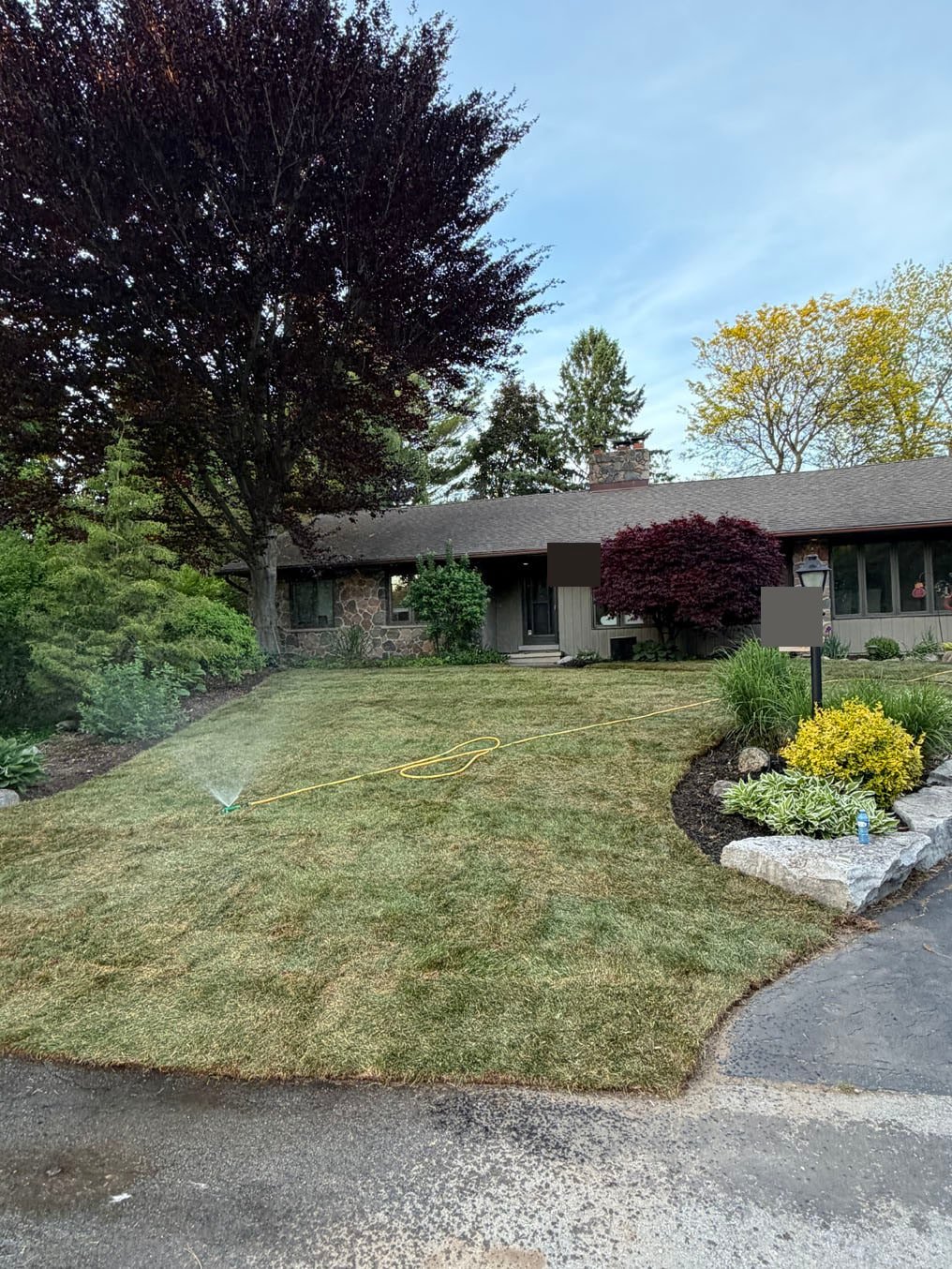
Start with a thorough watering immediately after installation. For the first week, water often enough to keep the sod and the upper soil layer consistently moist. In warm weather, that may mean watering once or twice a day. As roots begin to establish, water less frequently but for longer periods so moisture reaches deeper into the soil.
Avoid watering late in the evening whenever possible. Morning is usually the best window because the lawn has time to dry at the surface while the roots get the moisture they need. Constantly wet grass overnight can encourage disease, especially when humidity is high.
Do not mow until the sod has started to root and feels anchored. When it is ready, use a sharp mower blade and avoid cutting more than one-third of the grass height. Dull blades and heavy mowing equipment are a rough welcome to a lawn that is still settling in.
A Better Watering Plan Starts Before the Sod Arrives
Even the best sprinkler cannot fix poor grading, compacted soil, or a yard that holds water in all the wrong places. If puddles form after a normal watering cycle, or one section dries out far faster than the rest, the issue may be below the sod rather than above it.
Before installation, identify your hose connection, test water pressure, and decide where each sprinkler will sit. After installation, check the lawn daily instead of assuming every zone is getting the same result. That small bit of attention protects the investment and gives new roots the conditions they need to do their job.
If you are planning a full lawn replacement, Right On Sod can help you start with properly prepared soil, clean grading, and fresh sod that is ready to establish. Then give it even water, a little patience, and a fighting chance to become the lawn you wanted in the first place.