
A lawn can look thirsty, worn out, or simply offended by the weather. But when grass turns brown in widening patches and lifts up like loose carpet, it is time to look below the surface. Knowing how to identify lawn grubs helps you act before root damage turns a few weak spots into a costly lawn repair.
Grubs are the C-shaped larvae of beetles. They live in the soil and feed on grass roots, which means the top of the lawn may be the first place you notice trouble. The good news is that grub damage has a few telltale signs. The less-good news is that drought, compacted soil, poor drainage, and several other lawn problems can look similar from a distance.
What Lawn Grubs Look Like Below the Turf
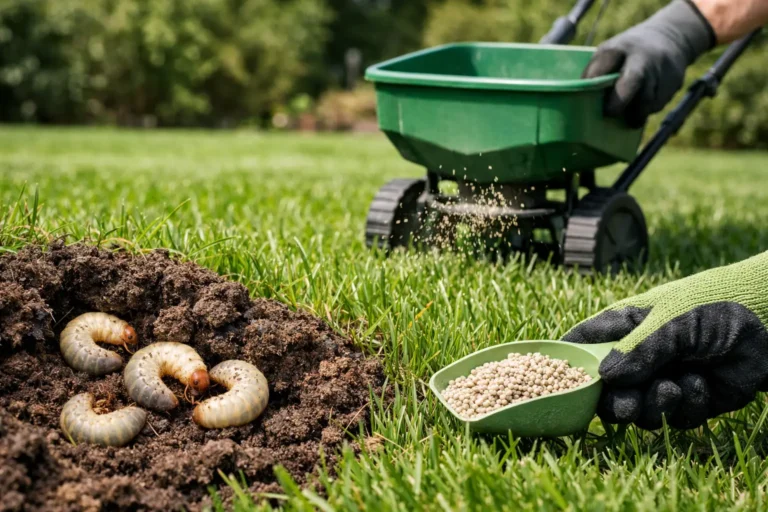
A lawn grub is usually creamy white with a brown head and a curled, C-shaped body. Depending on its age and species, it may be less than half an inch long or closer to an inch. You will often find it in the top few inches of soil, right around the root zone where it has an all-you-can-eat buffet of turf roots.
In Kitchener, Waterloo, and Cambridge, grubs are commonly associated with beetles such as European chafer and Japanese beetle. The exact species matters when choosing treatment timing, but you do not need to become an amateur entomologist to confirm there is a problem. Start by checking whether live grubs are present and whether they are causing meaningful root loss.
One grub found while gardening is not automatically a lawn emergency. Healthy, well-rooted turf can tolerate a small population. Damage becomes more likely when several grubs occupy the same square foot, especially if the lawn is already stressed by heat, dry soil, shade, or shallow roots.
How to Identify Lawn Grubs From Surface Damage
Grubs do not chew grass blades. They eat the roots that keep the lawn anchored and supplied with water. That difference creates a distinct pattern: grass may first look dull or drought-stressed, then turn yellow or brown even after rain or watering.
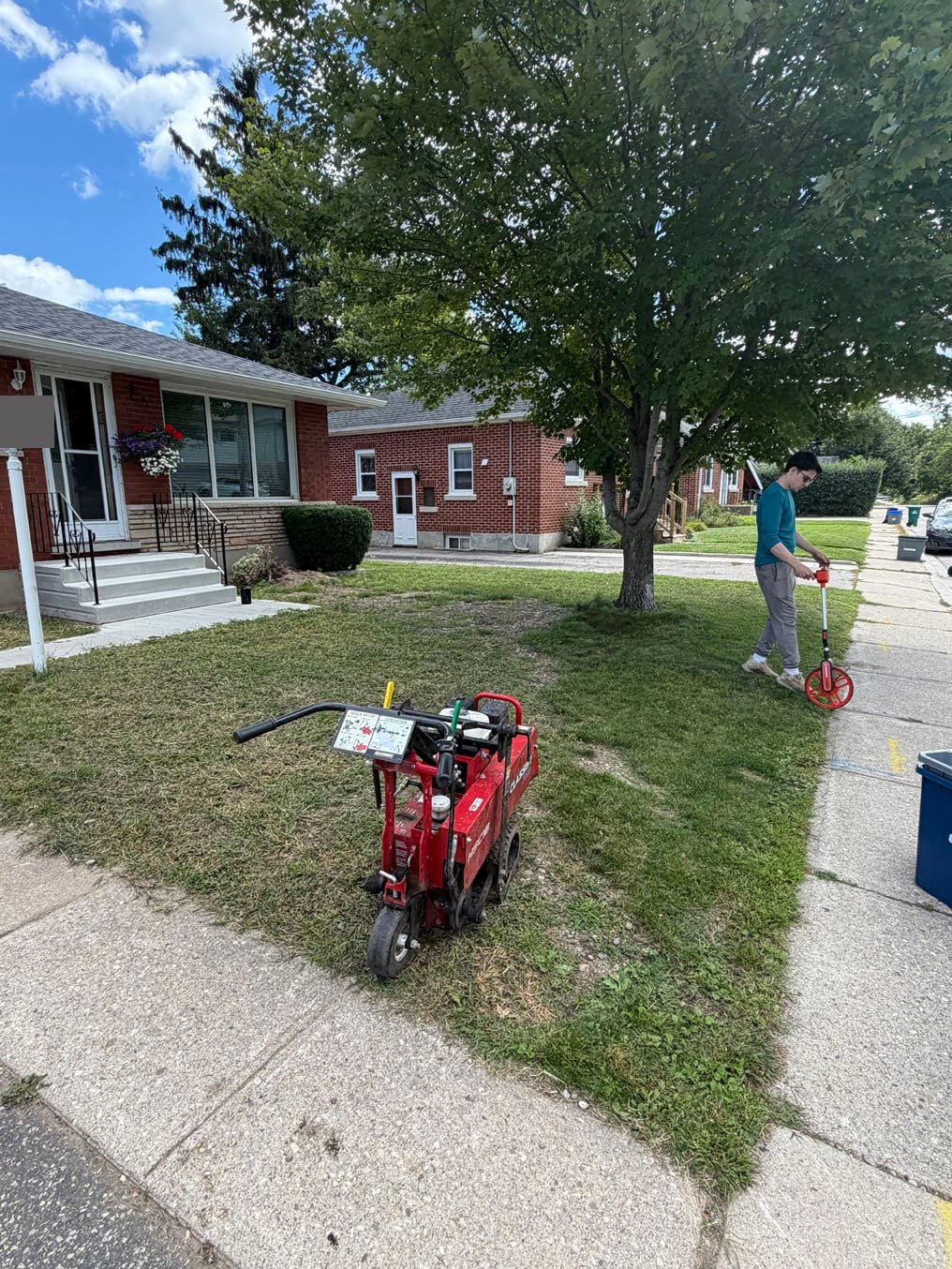
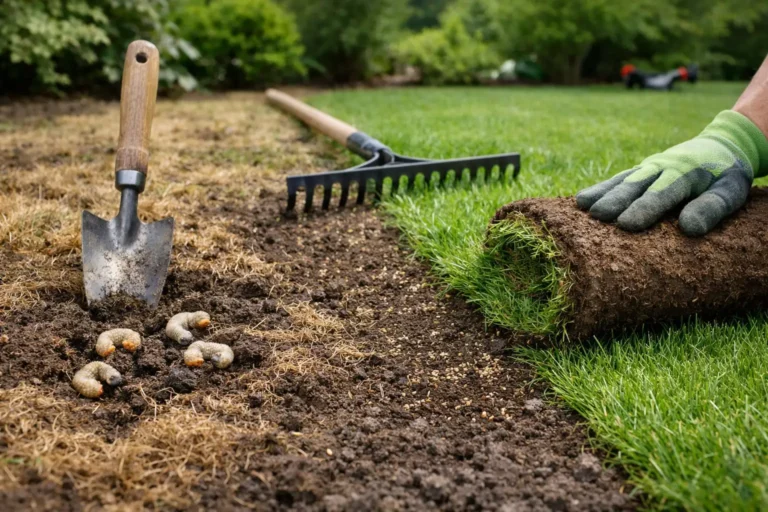
The most useful clue is loose sod. Grab the edge of a damaged patch and pull gently. If it peels back easily with very few roots holding it down, grubs are a strong possibility. A badly damaged area can lift almost like a piece of old carpet. Underneath, you may find the culprits curled in the soil.
Watch for irregular patches rather than a perfectly even decline across the yard. Grub damage often expands in rough shapes because beetles do not lay eggs in tidy little grids. Lawns may show the worst symptoms from late summer into fall, when larger grubs have had time to feed, or in spring, when surviving larvae resume feeding before pupating.
Animal activity can also point to grubs, although it is not proof by itself. Skunks, raccoons, crows, and other birds may dig into turf looking for larvae. A few small holes could be normal foraging. Repeated tearing, rolled-back sod, or widespread divots alongside weak turf deserves a closer look.
The one-square-foot check
The fastest way to confirm a suspected infestation is simple. Cut a three-sided flap of turf about one foot by one foot at the edge of a damaged area. Fold it back carefully, inspect the top two to three inches of soil, and count the live grubs you see.
Check more than one spot. Look at the worst section, then compare it with an area that still looks healthy. This gives you a better picture of whether you have scattered larvae or a concentration large enough to damage roots. Replace the turf flap when you are done and water it lightly so it can settle back into place.
There is no magic number that applies to every lawn. A dense, healthy lawn may tolerate several grubs per square foot, while thin or drought-stressed turf can struggle with fewer. As a practical rule, a count approaching five to 10 grubs per square foot, combined with visible root loss or animal damage, is worth addressing promptly.
Problems That Can Look Like Grub Damage
Do not treat every brown patch as a grub problem. Throwing product at the wrong issue wastes money and can delay the repair your lawn actually needs. A quick inspection below the turf is the difference between a smart fix and lawn roulette.
Drought damage usually affects exposed, sunny areas and improves gradually with proper watering if roots are still intact. Grub-damaged sod, by contrast, often lifts easily because the roots are gone. Compacted soil can also create thin, dry-looking grass, but you may find hard ground and shallow roots without a noticeable grub population.
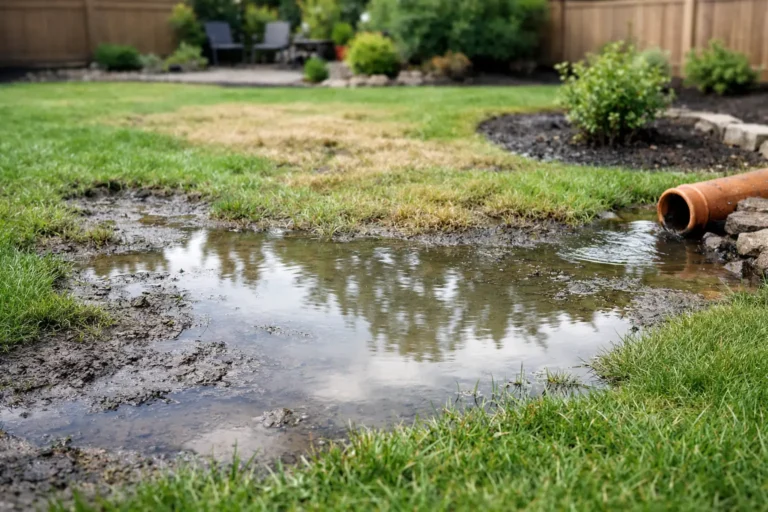
Poor drainage creates another common look-alike. Low spots may stay wet, thin out, and develop weak roots, particularly after heavy rain. If water sits on the lawn or the soil remains muddy below the surface, grading and soil preparation may be the bigger issue. Killing grubs will not correct a yard that holds water like a bathtub.
Chinch bugs, fungal disease, pet urine, shade, and improper mowing can cause patchy lawns too. Chinch bug damage often appears in hot, dry periods and does not generally allow the sod to peel away. Fungal problems may show patterned rings, leaf spots, or matted grass. Pet damage is usually smaller and concentrated where a dog regularly visits. The details matter.
When Grubs Cause the Most Damage
Adult beetles typically lay eggs in summer, and the young grubs begin feeding soon after they hatch. As they grow through late summer and early fall, their appetite grows too. That is why homeowners often notice damaged patches just when they want the lawn looking its best.
In colder climates, grubs move deeper into the soil for winter and come back toward the roots in spring. Spring feeding can weaken turf further, but the treatment window is not always the same as it is in late summer. Product choice, local regulations, weather, species, and grub stage all affect what will work. This is one of those situations where “treat it now” is not always the right answer.
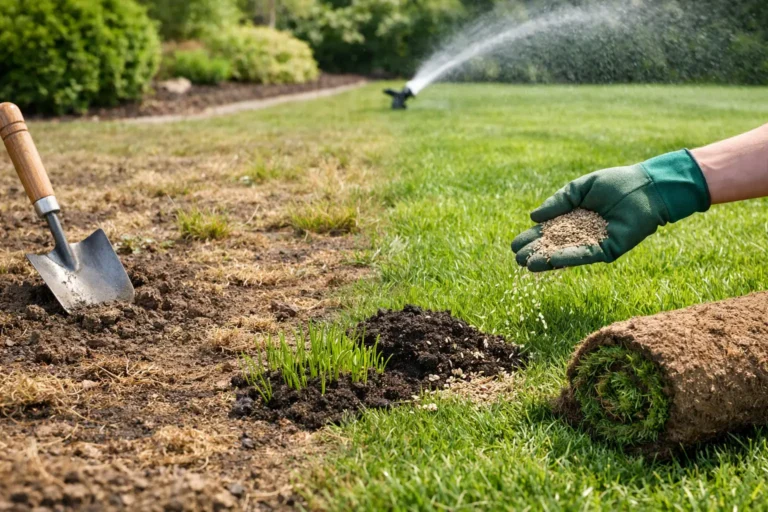
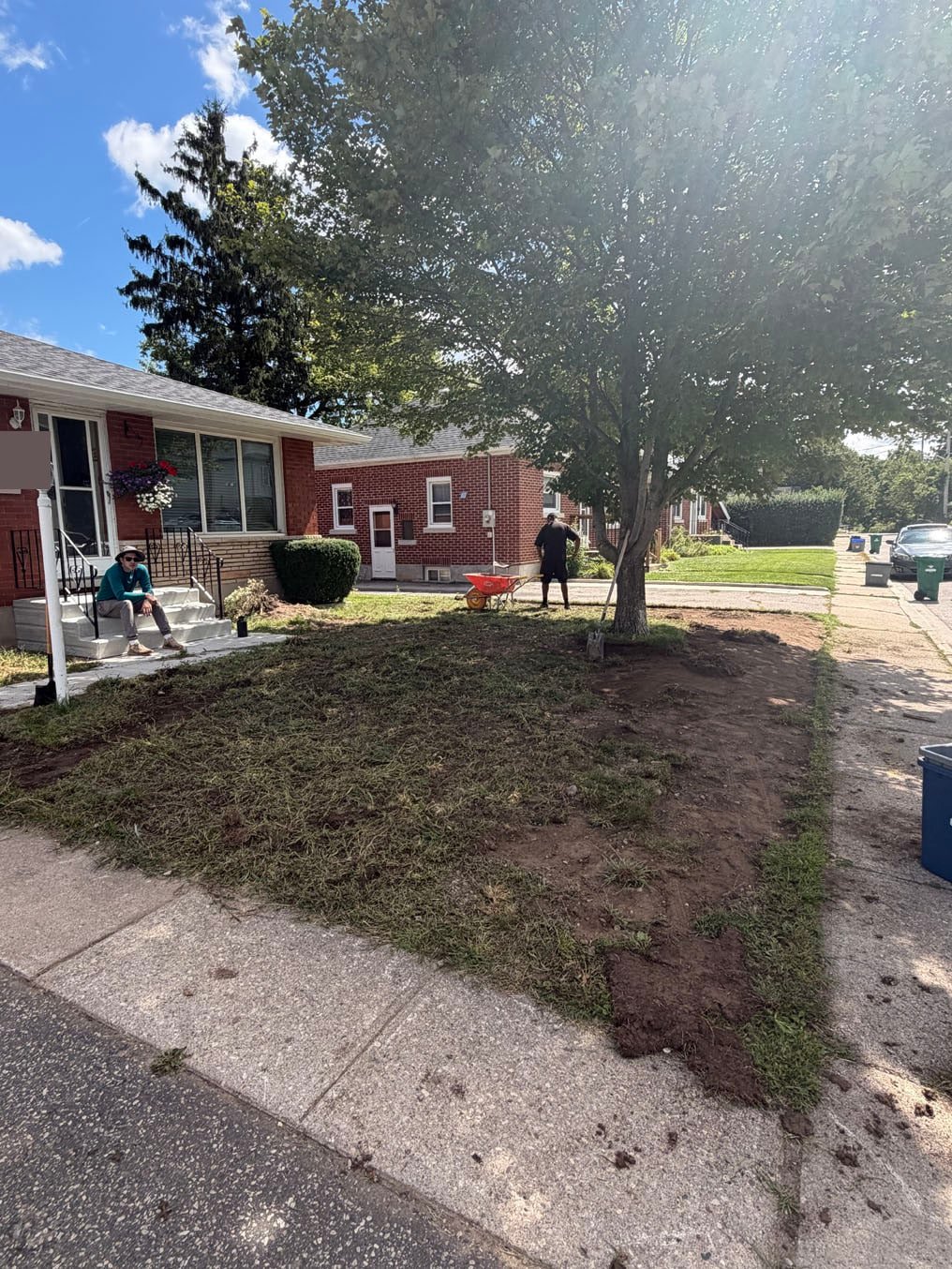
If the turf is already loose and roots are largely gone, even a successful grub treatment will not instantly restore the lawn. The grass still needs roots. Small areas may recover with soil improvement and repair, while large, heavily damaged sections may need removal, grading correction, fresh soil, and new sod.
What to Do After You Find Lawn Grubs
First, confirm the problem with a few sample checks rather than relying on one patch. Then assess the lawn honestly. If the sod is still rooted and damage is limited, targeted grub control and attentive watering may give the turf a chance to recover.
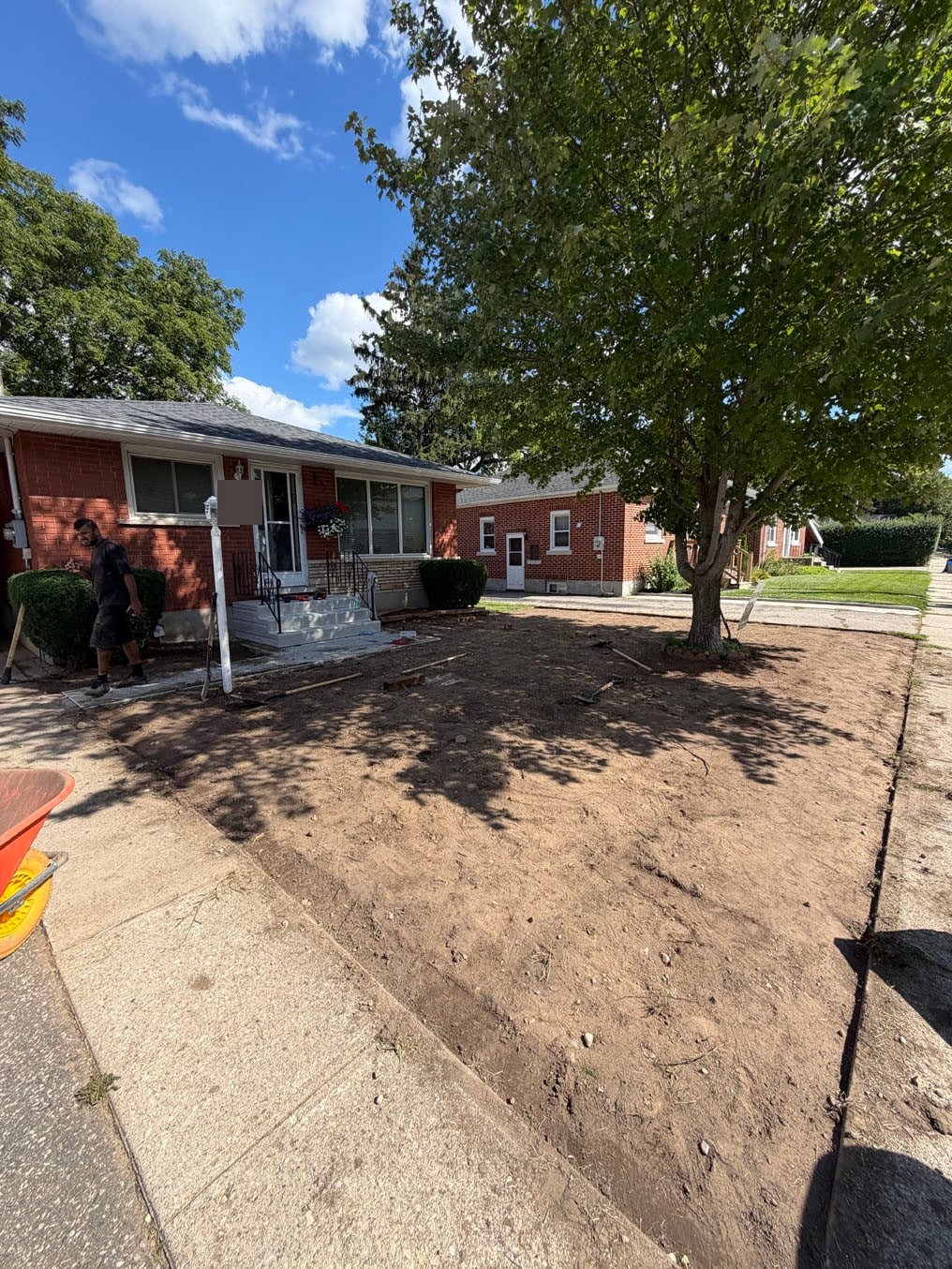
If you can lift broad sections of lawn with your hands, the next job is repair. Remove dead or loose turf, inspect the soil for compaction and drainage issues, and restore a healthy growing base before installing new grass. Fresh sod laid over poor soil or an active drainage problem may look great for a minute, then repeat the same headache next season.
Prevention also works best as part of overall lawn health. Proper mowing height, steady watering during dry stretches, soil preparation, and dense turf all help grass tolerate stress better. A healthy lawn is not grub-proof, but it is far less likely to unravel after a minor infestation.
When you are not sure whether you are looking at grubs, poor drainage, or a lawn that has simply run out of road, get a professional set of eyes on it. Right On Sod can assess damaged turf, identify the repair work that actually makes sense, and rebuild the lawn from the soil up. Your grass should stay attached to the ground – that is a pretty reasonable standard.