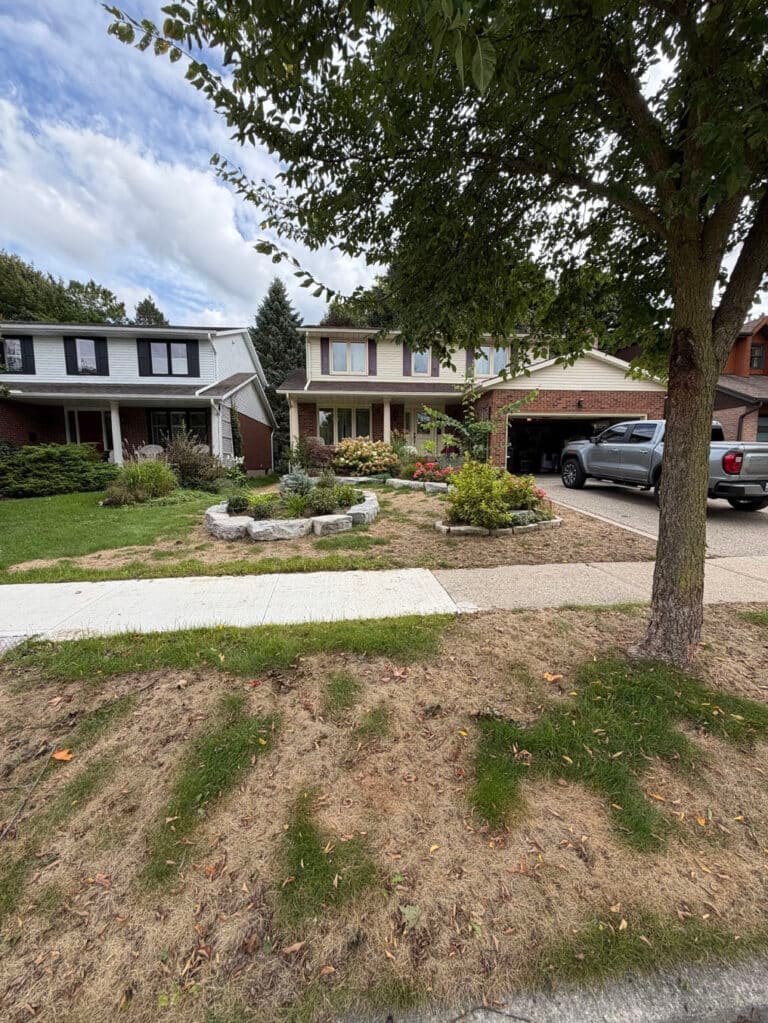

A few brown patches can make an otherwise good yard look neglected fast. But lawn repair is not about tossing seed at every bare spot and hoping for the best. The real job is finding out why the grass failed, then fixing the soil, drainage, pests, or traffic issue that put it there in the first place.
That matters in the Waterloo Region, where heavy clay soil, spring runoff, summer heat, and winter damage can all take a turn beating up a lawn. A patch that looks small from the porch may be the first sign of a bigger problem underneath. Fix the cause now, and you avoid paying to repair the same lawn again next season.
What Caused Your Lawn Damage?
Healthy turf does not usually disappear for no reason. Before choosing seed, sod, or a full replacement, look at the pattern of damage. Random dead patches, thin areas along a driveway, soggy low spots, and grass that pulls up like loose carpet all point to different issues.
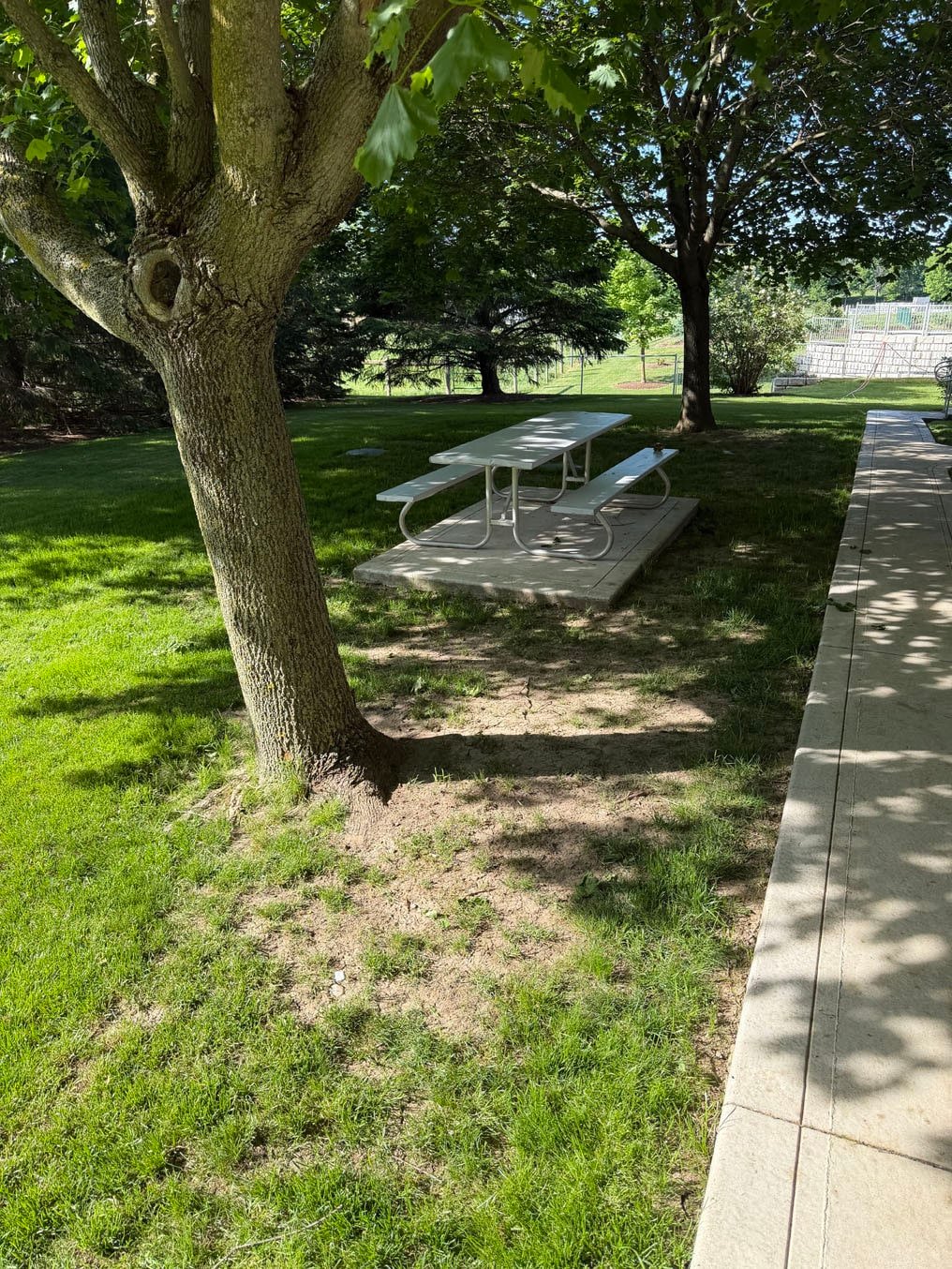
Grub damage is a common culprit. Grubs feed on grass roots, leaving turf unable to hold itself in place. Raccoons, skunks, and birds may then tear up the area looking for a snack, which turns a root problem into a much messier surface problem. If sections of grass lift easily, pest treatment needs to be part of the repair plan. Fresh sod over active grubs is an expensive buffet.
Poor drainage is another repeat offender. Water that sits after rain can suffocate roots and invite disease. On the other hand, compacted soil can shed water instead of absorbing it, leaving grass thirsty even after a storm. New construction lots often have both problems: compacted subsoil below and a thin layer of rough topsoil above.
Then there is ordinary wear and tear. Dogs, kids, shaded areas, snow mold, salt near walkways, mower scalping, and heavy foot traffic can all thin out a lawn. Those issues are often repairable in smaller zones, provided the base soil is still sound.
Lawn Damage Repair or Full Sod Replacement?
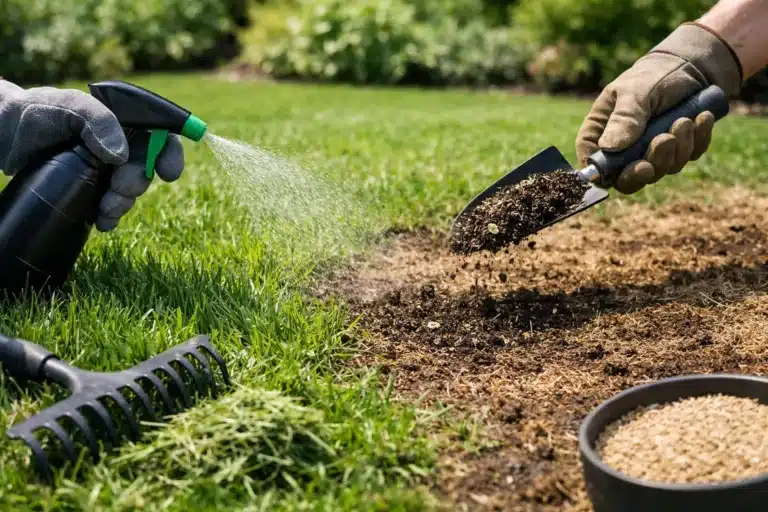
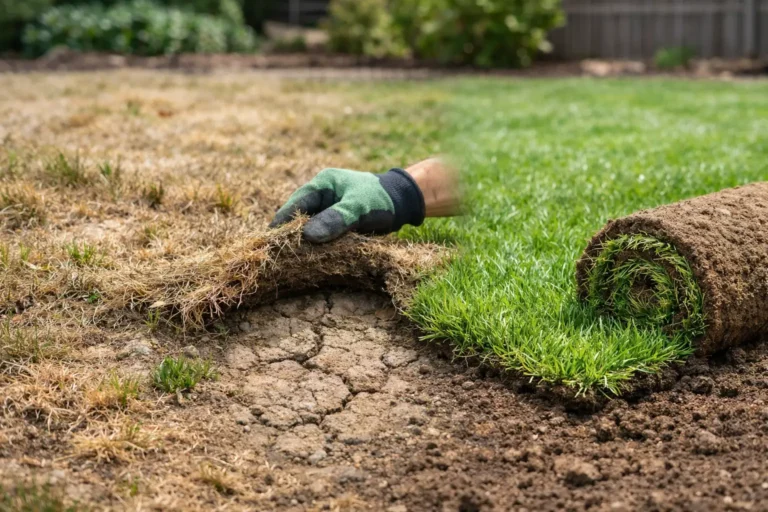
The right answer depends on how much of the lawn is damaged and why. A targeted repair makes sense when the problem is contained, the grade is working, and most of the existing grass is healthy. This may involve removing dead turf, loosening compacted soil, adding quality topsoil, leveling the area, and installing matching sod.
A full replacement is usually the smarter move when more than roughly one-third of the lawn is thin, weedy, uneven, or dead. It is also worth considering when the yard has ongoing drainage trouble, poor grading, construction debris, or badly compacted soil. Piecemeal fixes can become a costly game of lawn whack-a-mole when the foundation is the real issue.
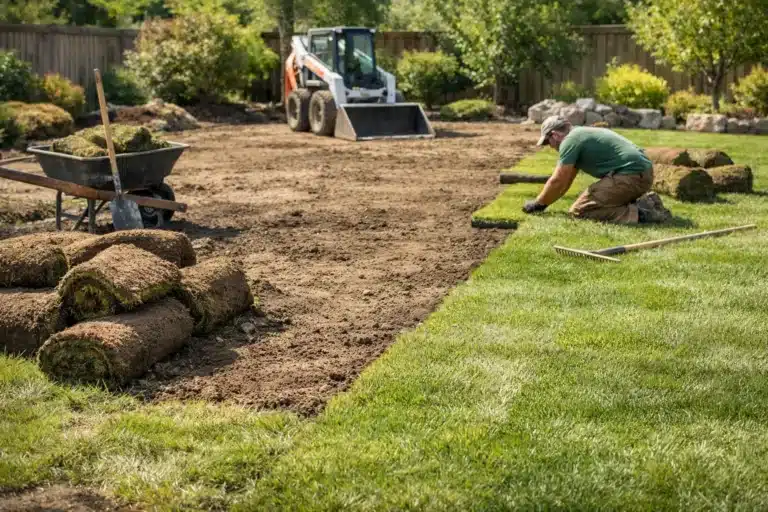
Sod provides the immediate visual upgrade many homeowners want, but it is not magic carpet. The prep work determines whether it roots well and stays healthy. A proper installation starts by removing failed grass and weeds, correcting the grade where needed, preparing a suitable soil base, and laying fresh sod tightly and evenly. The green finish is quick. The work beneath it is what makes it last.
For a recently built home, full sod installation is often more predictable than trying to nurse thin, stressed grass back from the edge. For an established yard with one grub-damaged section or a small bare area after a patio project, focused repair can be the efficient choice.
How Professional Lawn Repair Gets Better Results
The difference between a repair that lasts and one that fades out by July usually comes down to site preparation. Good grass needs contact with good soil, enough oxygen around its roots, water that drains properly, and a level surface that does not create puddles or scalp under the mower.
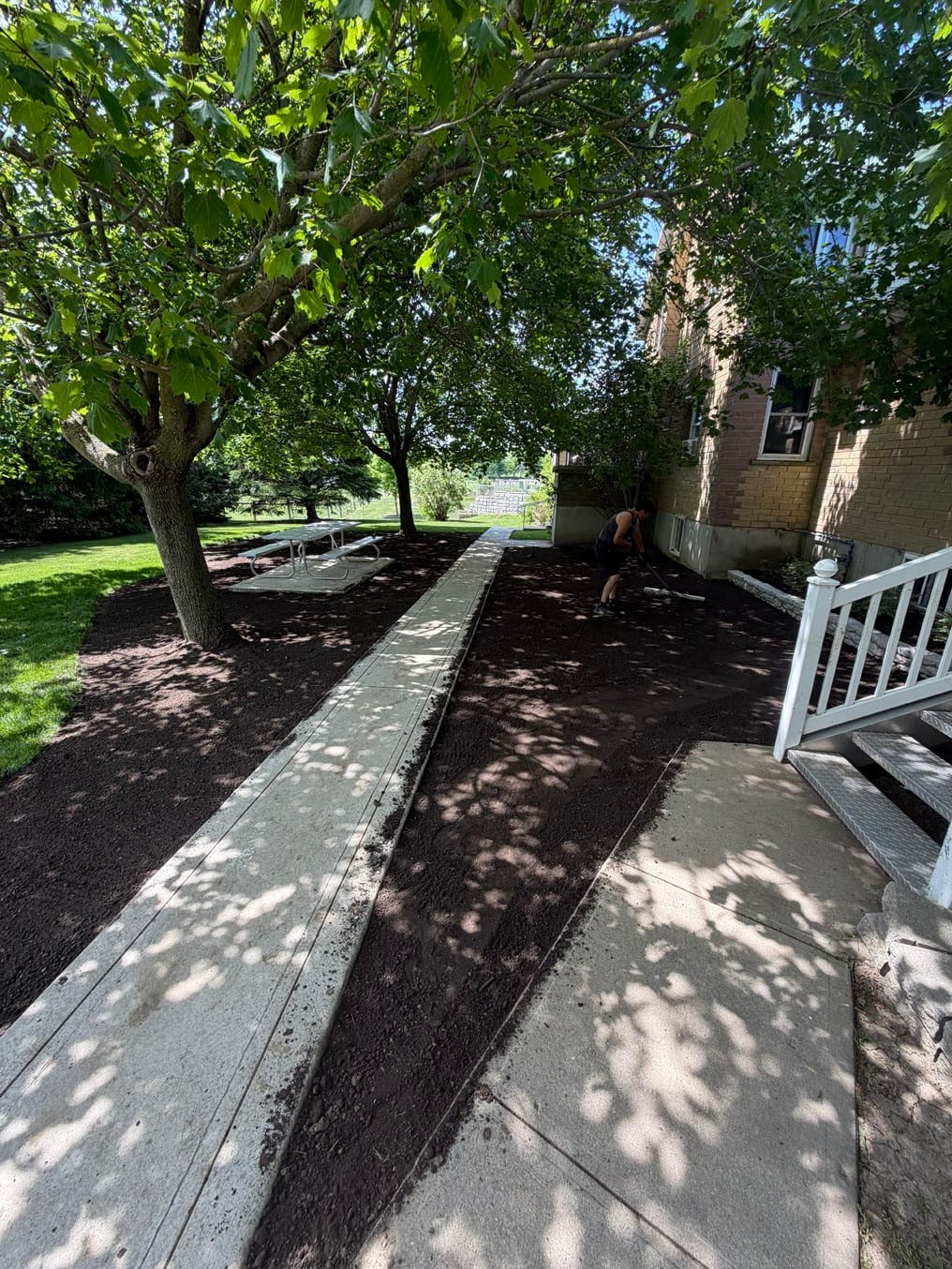
First, the damaged turf and its underlying cause are assessed. If grubs are present, they need to be addressed. If the area is low, the grade should be corrected before new turf goes down. If the soil is hard as a parking lot, it needs to be loosened and amended instead of covered up.
Next comes soil preparation. This may include removing debris, adding screened topsoil, leveling the surface, and ensuring the finished grade directs water away from the home. It is not glamorous work, but neither is watching your new lawn drown after the first heavy rain.
Fresh, farm-grown sod is then installed on the prepared soil and rolled for solid root contact. The edges are trimmed cleanly around gardens, walkways, and driveways. On larger residential or commercial properties, organized installation matters even more. Crews need the material, prep, and layout coordinated so sod is placed promptly rather than sitting around in a hot pile.
Watering Is the Part You Cannot Skip
New sod needs consistent moisture while its roots establish. For the first couple of weeks, the goal is to keep the sod and the top layer of soil beneath it moist, not flooded. In warm or windy weather, that often means watering more than once a day for short periods. In cooler, rainy conditions, it may mean much less.
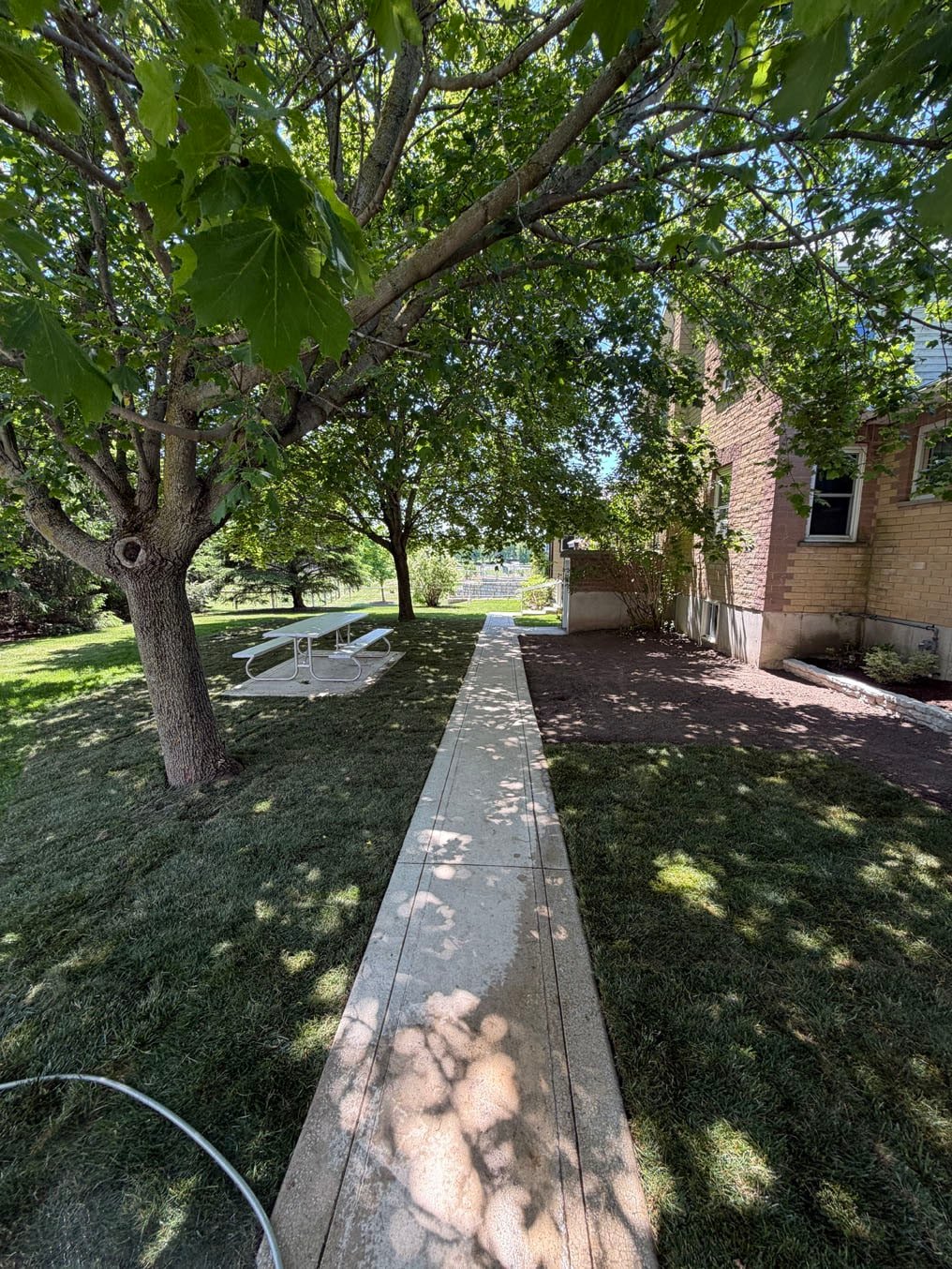
Lift a corner of a sod piece after several days. If the soil below is dry, water longer or more evenly. If it is soupy and the lawn feels spongy, ease off. Overwatering can be just as unhelpful as underwatering because roots still need oxygen.
Avoid heavy use while the roots are taking hold. Keep pets, furniture, and lawn games off the repaired area when possible. Mow only after the sod has rooted enough that it does not lift when gently tugged, and never remove more than one-third of the grass blade in one cut. A sharp mower blade is not optional here. A dull blade tears grass and leaves it stressed right when it should be settling in.
Common Lawn Repair Mistakes That Waste Money
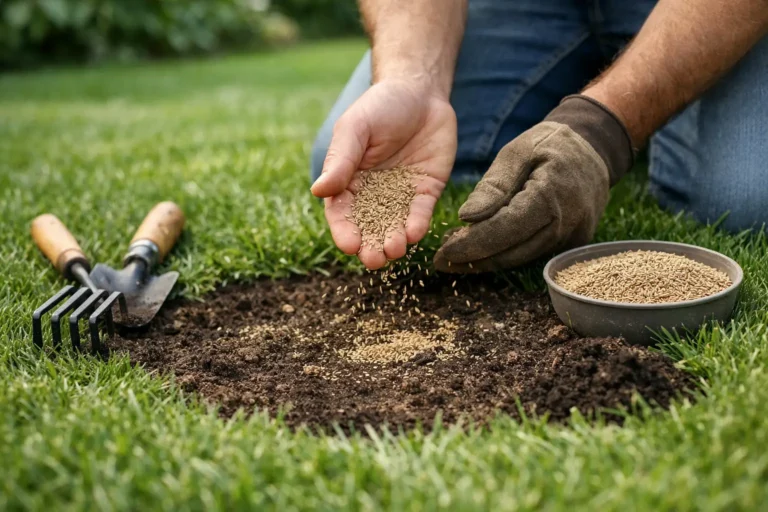
The fastest way to waste a repair budget is to install grass over an unresolved problem. New sod on a low, wet section will still be low and wet. Seed scattered over compacted soil will still struggle to establish. Treating grubs without repairing the damaged root zone leaves a lawn that looks better only from a distance.
Another common mistake is choosing the cheapest material and expecting premium results. Sod quality, freshness, soil preparation, and installation timing all matter. A lower price can be a fair deal, but it should not mean skipped grading, thin soil, or sod that has spent too long rolled up.
Homeowners also tend to underestimate irrigation. A repaired lawn is not maintenance-free on day one. It needs attention early, especially during dry spells. Once the roots are established, watering deeply and less frequently encourages stronger root growth than daily light sprinkling.
When It Is Time to Bring in a Sod Specialist
Call for a professional assessment when lawn damage keeps returning, water pools after rain, the yard slopes toward the house, or a large area needs repair. The same goes for bare lots after construction, widespread grub damage, and lawns where several patches have already been repaired without lasting success.
Right On Sod handles lawn repair with the whole yard in mind, from grading and soil preparation to fresh sod installation and aftercare guidance. That means you get a plan built around the condition of your property, not a one-size-fits-all patch job.
A good lawn should make the property look finished, not give you another weekend project. Start with the reason it failed, repair the ground properly, and the green part gets a whole lot easier.