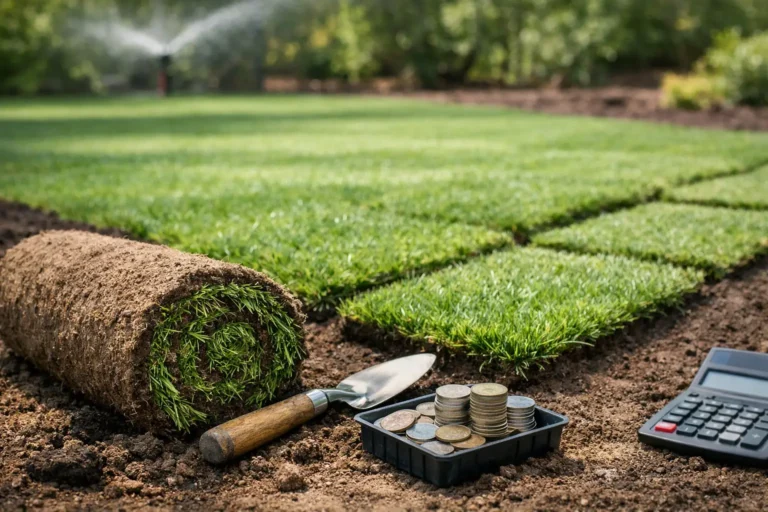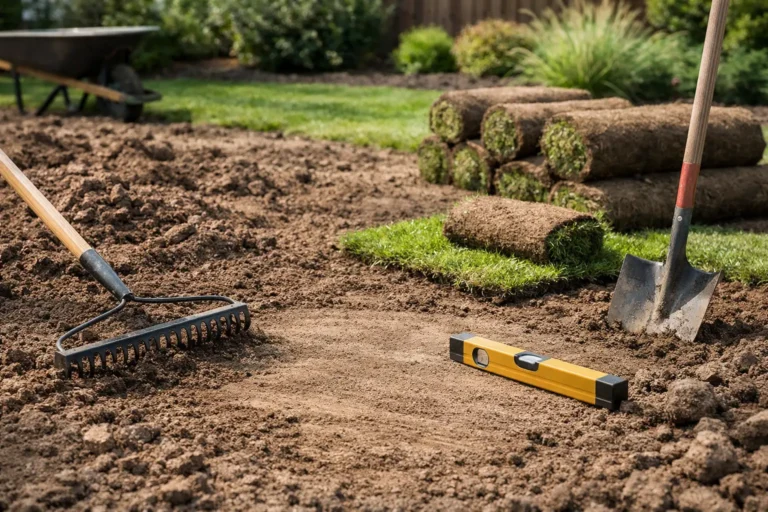

You usually ask is sod worth it right after looking at a yard that has become a problem instead of a lawn. Maybe it is bare dirt after construction. Maybe it is patchy, full of weeds, or damaged by grubs. Maybe you are tired of watering seed for weeks only to get thin, uneven results. In those situations, sod is not just a cosmetic upgrade. It is often the fastest way to get a usable, finished lawn that actually looks like it belongs with the rest of your property.
The short answer is yes, sod is worth it for many homeowners and property managers. But it is worth it for specific reasons, and it is not the right choice in every case. The real question is whether the higher upfront cost gives you enough value back in time, appearance, reliability, and reduced risk.
Is sod worth it compared to seed?
If you only compare the material cost, seed wins almost every time. Seed is cheaper to buy, and for large areas that can make it look like the obvious choice. But most people do not compare total effort, time, and outcome. That is where the gap gets smaller.
Sod gives you an instant lawn. Seed gives you a waiting period with more uncertainty. You can have the best seed on the market, but you still need the right weather, proper soil conditions, steady watering, and enough time for germination and establishment. Even then, washout, birds, foot traffic, weeds, and uneven growth can set the process back.
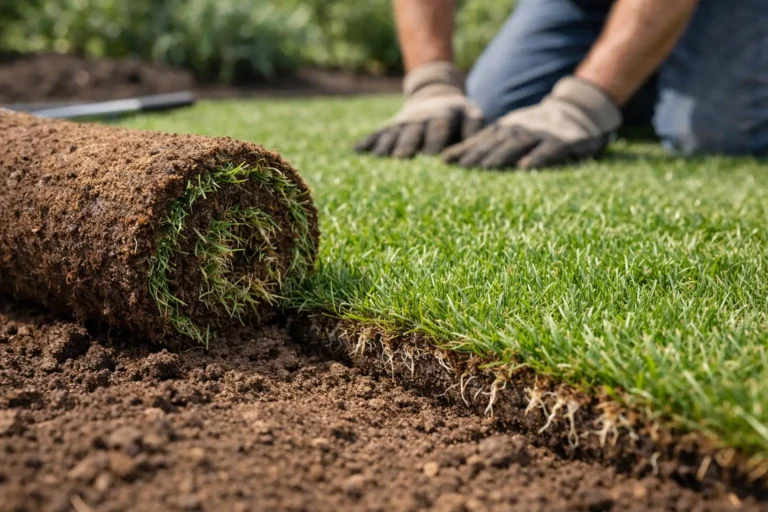
Sod skips most of that early-stage risk. You see the finished result on day one, and if the ground was prepared properly, the lawn starts rooting into place quickly. For homeowners who care about curb appeal, builders trying to finish a project, or property managers who need a site to look presentable fast, that speed matters.
That said, sod is not magic. A poor install over bad soil will still fail. If grading is wrong or drainage is ignored, you can end up paying more for a lawn that struggles. Sod is worth more when the prep work is done right.
When sod is usually worth the money
Sod makes the most sense when time matters, the existing lawn is beyond simple repair, or the site needs a professional reset.
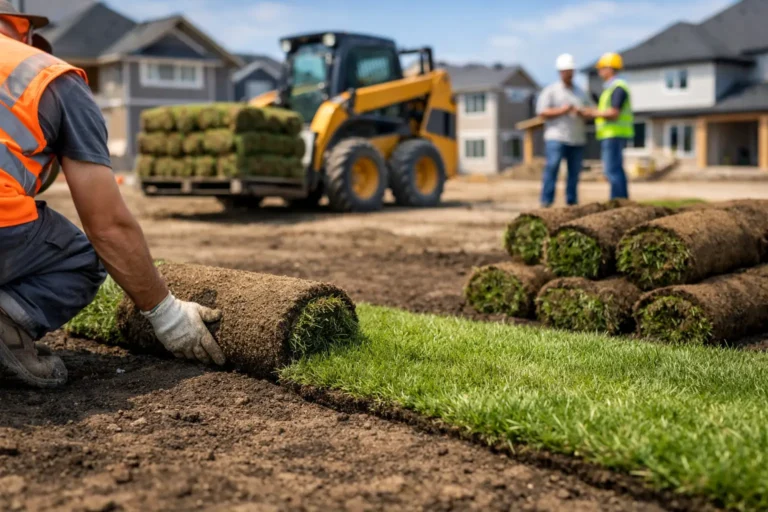
A new build is a good example. Bare lots around new homes often have compacted soil, rough grading, and little organic matter. Seeding those conditions can be slow and frustrating. Sod creates an immediate finish and helps stabilize the surface much faster.
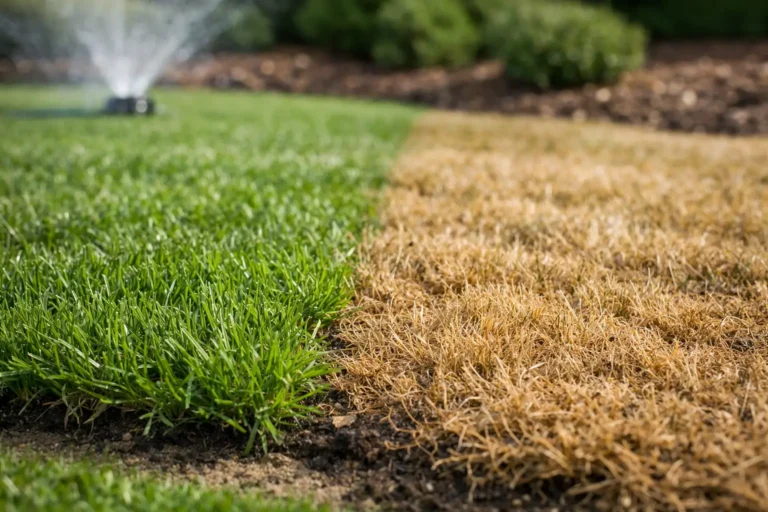
It is also worth considering when the current lawn is full of weeds, thin patches, dead sections, or grub damage. Once a lawn reaches the point where you are constantly patching and still not happy with it, replacement often makes more financial sense than years of small fixes.
Sod also has practical value on sloped areas and places where erosion is a concern. Seed can wash away in hard rain. Sod holds together, protects the soil, and gives you a better chance of getting uniform coverage.
For resale, sod can be worth it simply because of what buyers see. A rough lawn makes the whole property feel unfinished. A clean, healthy lawn improves first impressions immediately, and that has real value even if you never put a dollar amount on it.
When sod may not be worth it
If your budget is very tight and you are willing to trade speed for savings, seed may be the better route. The same goes for very large rural properties where perfect visual consistency is not the top priority.
Sod may also be more than you need if the lawn only has a few isolated trouble spots. In those cases, targeted repair, overseeding, pest treatment, or soil correction can solve the problem without replacing everything.
Another situation where sod can disappoint is when buyers expect zero maintenance. A new sod lawn still needs watering, care, and protection while it establishes. If no one is going to follow through on that, the investment loses value fast.
So the answer is not that sod is always worth it. It is that sod is worth it when the goal is a fast, dependable result and the installation is treated like a full system, not just grass rolled onto dirt.
The real value behind sod
The biggest reason people choose sod is not just appearance. It is control.
With seed, you are hoping conditions cooperate. With sod, you are buying a much more predictable outcome. You know what the lawn will look like, you know the surface is covered, and you know the property will stop looking half-finished.
That predictability matters more than people think. If you have kids, pets, tenants, customers, or a move-in date approaching, waiting around for seed to fill in can be a problem. Sod shortens the timeline from months to days.
There is also less opportunity for weeds to take over during establishment. A dense sod install starts with full coverage, which means fewer open spaces for unwanted growth to move in. You still need proper care, but you are not starting from a blank canvas.
From a property value standpoint, sod can also support the overall impression of quality. A house with a finished lawn feels cared for. A commercial property with clean turf looks maintained and professional. That visual impact is one of the biggest reasons sod often pays off even when the initial cost is higher.
What determines whether sod is worth it
The answer depends heavily on installation quality. Good sod over bad prep is a short-term improvement. Good sod over properly prepared ground is a long-term asset.
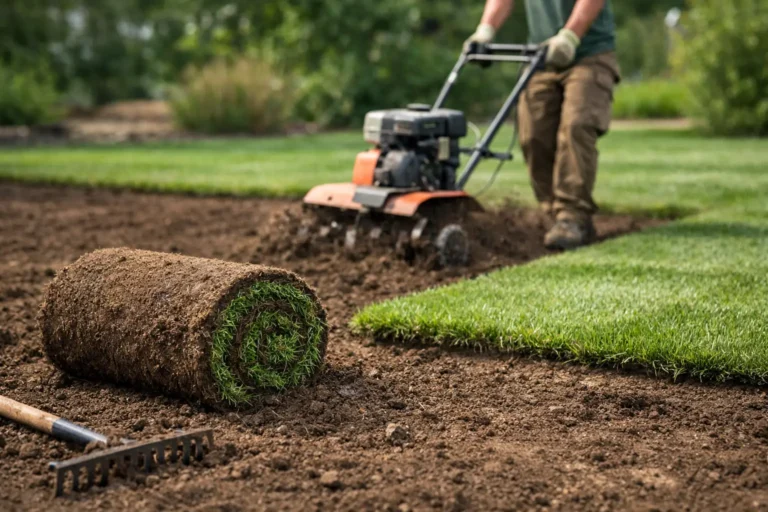
Soil preparation is a major factor. If the ground is compacted, full of debris, poorly graded, or lacking healthy topsoil, the sod may struggle to root. That is why professional installation often includes tear-out, grading, soil prep, and attention to drainage rather than just laying turf.
Timing matters too. Sod can be installed in many parts of the growing season, but hot weather increases watering demands and stress. That does not mean summer installs are a bad idea. It means the watering plan has to match the season.
The type of property matters as well. A front yard where curb appeal is everything has a different value calculation than a back corner of a lot no one sees. A builder on a deadline values speed differently than a homeowner willing to wait through a full season for seed.
Maintenance expectations also play a role. New sod needs regular watering at first, limited traffic, and the right mowing schedule. If that sounds like too much hassle, you need to be honest about that before installing. Sod is fast, but it still needs follow-through.
Is sod worth it in Ontario-style conditions?
For properties dealing with freeze-thaw cycles, spring moisture, summer heat, and clay-heavy soils, sod can be especially valuable when paired with proper grading and soil prep. In places like Kitchener, Waterloo, and Cambridge, many lawn problems are not just about grass type. They are about compaction, drainage, and rough subsoil left behind after construction.
That is one reason specialized sod installation tends to outperform a basic drop-and-go approach. The grass matters, but the foundation matters more. Right On Sod is built around that reality, which is why prep work and site conditions are treated as part of the install rather than an afterthought.
So, is sod worth it for your property?
If you want the cheapest possible way to cover ground, probably not. If you want a fast, clean result with less uncertainty, better immediate appearance, and a more usable lawn sooner, sod is often absolutely worth it.
It is usually the right move for new lawns, full replacements, severe lawn damage, and projects where appearance and timing matter. It is less compelling for minor repairs or owners who are fine waiting through the ups and downs of seeding.
The best way to think about sod is simple. You are not only paying for grass. You are paying for speed, consistency, and a finished result. When those things matter, the extra cost is easy to justify.
A lawn should make your property feel complete, not leave you staring at patches and promises. If you are done waiting for seed to maybe work, sod starts to look less like a luxury and more like the practical choice.