
A new sod install can look perfect on day one and still fail if the ground under it is uneven. Low spots hold water, high spots dry out faster, and shallow dips turn into soft, spongy sections once the lawn gets watered. If you’re looking up how to fix uneven lawn before sodding, the goal is not just to make the yard look flatter. The real job is creating a stable, well-graded base that lets sod root evenly and drain the way it should.
That matters even more on properties with construction fill, old lawn damage, grub problems, or visible drainage issues. Fresh sod follows the shape of the ground beneath it. If the base is off, the finished lawn is off.
Why uneven ground causes problems after sod installation
Uneven lawns are more than a cosmetic issue. Small humps can lead to scalping when you mow, while shallow depressions collect excess water and stress the root zone. Over time, that means inconsistent growth, yellowing, muddy pockets, and areas that separate at the seams.
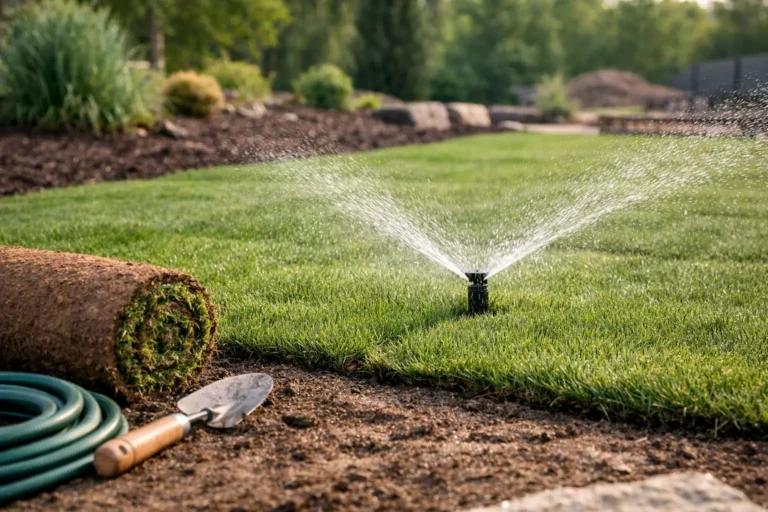
It also affects how irrigation works. Water runs off high spots too quickly and settles in low areas too long. Even premium sod struggles if one part of the yard is staying soaked and another part is drying out by noon.
For homeowners trying to improve curb appeal fast, this is where a lot of sod jobs go wrong. The sod itself is not the issue. The prep is.
How to fix uneven lawn before sodding the right way
The right fix depends on how uneven the lawn is, what caused the problem, and whether the yard also has drainage concerns. A few shallow dips can sometimes be corrected with topsoil blending and finish grading. A badly rutted lawn, an area with settled fill, or a yard sloping toward the foundation usually needs a more complete regrade.
Before doing anything, clear the site properly. That means removing old turf, weeds, debris, and any loose organic matter that should not be buried under new sod. If you’re installing over a failed lawn, a full tear-out is usually the safer move. Sodding over a weak base only hides the problem for a short time.
Start by measuring the uneven areas
Walk the yard and check it from more than one angle. Some lawns look mostly flat until you stretch a string line or lay a straight board across the surface. This helps you spot birdbaths, crowns, settled edges, and low strips along walkways or patios.
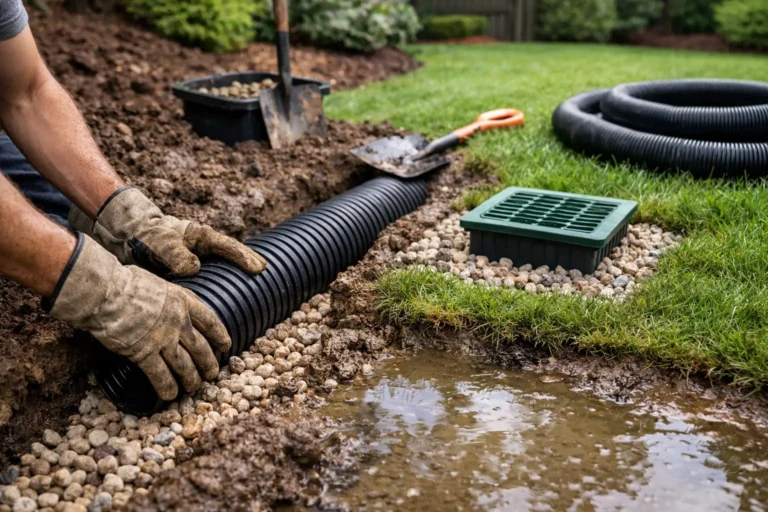
A simple test is to water the area lightly and watch where water sits after the rest of the yard begins to dry. Those puddling zones usually need correction before sod goes down. If water is moving toward the house, garage, or hardscape, that is not a minor issue. It points to a grading problem that should be fixed before installation.
Remove high spots before filling low spots
One of the most common mistakes is dumping extra soil into low areas without reducing the high areas around them. That creates a lawn that may look flatter at first but still has inconsistent soil depth and weak transitions. The better approach is to cut down the peaks first, then use that soil where it makes sense.
This also helps maintain a more even finished profile. Sod roots best when the base underneath is firm, consistent, and not made up of random deep fill in just a few sections.
Use the right soil, not whatever is on hand
Not all fill is good lawn soil. If you’re correcting an uneven lawn before sodding, use screened topsoil or a proper lawn soil blend that can be graded, compacted lightly, and finished cleanly. Heavy clay lumps, construction debris, and unprocessed fill create air gaps and settling later.
In many cases, the base soil needs to be loosened slightly before new material is added so the layers tie together. If you simply spread new soil over a hard, compacted surface, the lawn may settle unevenly again after rain and watering.
Grading for drainage, not just appearance
A flat-looking lawn is not always a properly graded lawn. Good sod prep includes a subtle slope that moves water away from the house and prevents standing water in the yard. The exact pitch depends on the property, but the principle stays the same: drainage first, appearance second.
This is where experience matters. If a yard has a drainage swale, neighboring grade differences, or a fence line that traps runoff, you cannot treat it like a blank rectangular lot. The grade has to work with the site, not against it.
For homes in areas like Kitchener, Waterloo, and Cambridge, freeze-thaw cycles and spring saturation can make poor grading show up fast. A lawn that looks acceptable in dry weather may expose every low spot once snowmelt and rain hit the property.
Compact lightly, then finish grade
After reshaping the lawn, the soil should be settled enough to hold its grade without becoming overly compacted. This is a balance. If the base is too loose, footprints and wheel marks will show through after sod installation. If it is packed too hard, root penetration slows down.
A light compaction followed by fine finish grading usually gives the best result. The surface should feel firm underfoot but still allow the top layer to be raked smooth. At this stage, remove stones, roots, and leftover debris that could create bumps under the sod.
Check edges and transitions carefully
Uneven lawns often show up most clearly where grass meets driveways, sidewalks, patios, and garden beds. These edges need special attention. If the finished soil height is too high, water can run the wrong way or the sod can sit above the hard surface awkwardly. Too low, and you end up with visible drop-offs and exposed sod edges.
A clean, even transition gives the lawn a finished look right away and helps with mowing later. It is one of those details people notice, even if they cannot explain why the lawn looks better.
When a lawn needs more than minor leveling
Sometimes the issue is not simple unevenness. If the yard has widespread settlement, serious drainage failure, heavy compaction from construction, or evidence of grub-damaged roots, spot correction may not be enough. In that case, full regrading and soil prep are usually the smarter investment before sodding.
This is especially true for newly built homes and major renovations. Builder-grade lots often have rough grade but not final lawn-ready grade. The surface may be uneven, full of stones, or lacking enough quality topsoil for sod to establish properly.
Trying to save time by skipping this step can cost more later. Replacing failed sod because the base was never corrected is far more expensive than doing the prep right once.
Signs you should bring in a sod and grading specialist
Some uneven lawns are straightforward. Others need machinery, drainage judgment, and a more technical grading plan. If your yard has multiple low areas, pooling water, slope problems near the foundation, or major surface damage, professional prep usually makes sense.
The same goes for larger properties, commercial spaces, or timelines where the lawn needs to be done quickly and done right. A dedicated sod company will look at the whole system – removal, grade, soil depth, drainage flow, and installation – instead of treating the sod as the only step that matters.
That is where a specialized installer like Right On Sod brings real value. The finished lawn looks better immediately, but more importantly, it has the grading and prep behind it to hold up.
What the lawn should look like before sod goes down
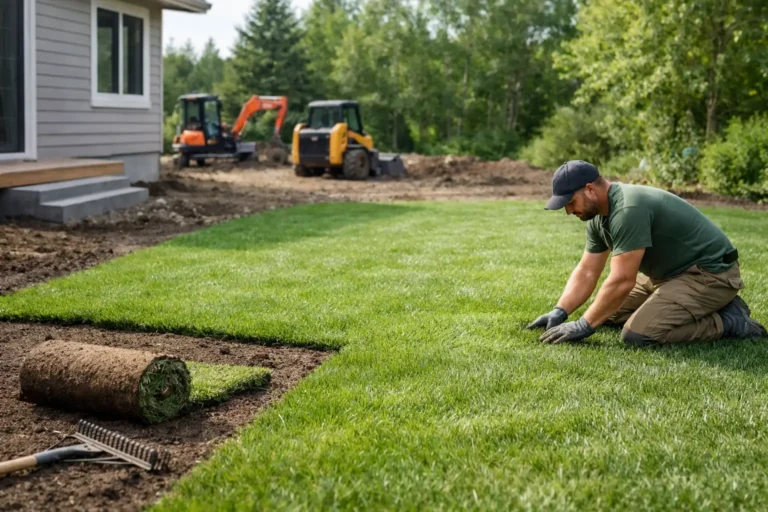
Before installation, the surface should be smooth, properly pitched, and free of major footprints, ruts, and loose debris. It should not have random soft pockets or abrupt grade changes. If you walk it and feel obvious dips underfoot, the sod will show them too.
The final base should also be moist enough to work with, but not muddy. Overly wet prep leads to rutting and poor finish quality. Bone-dry soil can be hard to grade accurately and may not bond as well with new sod roots in the first days after installation.
Getting this stage right is what gives sod that clean, even appearance homeowners want right away. More than that, it gives the lawn a fair chance to establish evenly across the whole yard.
If your ground is uneven now, don’t treat it like a small detail. Fix the base first, and the sod has something solid to grow on.