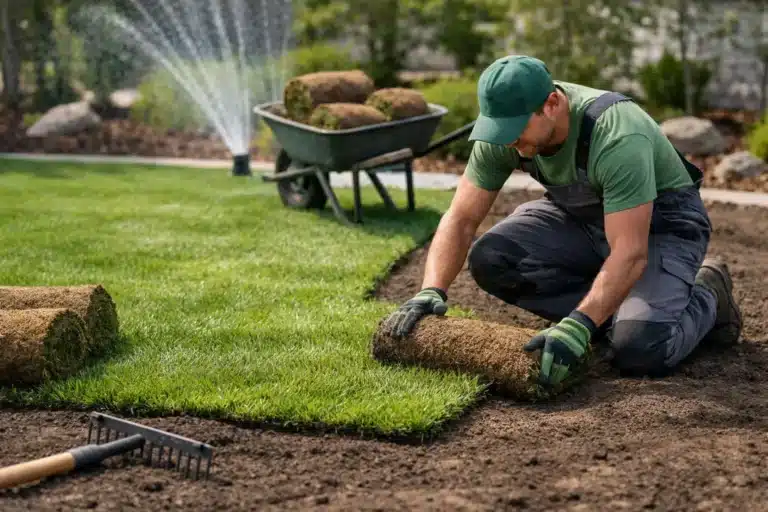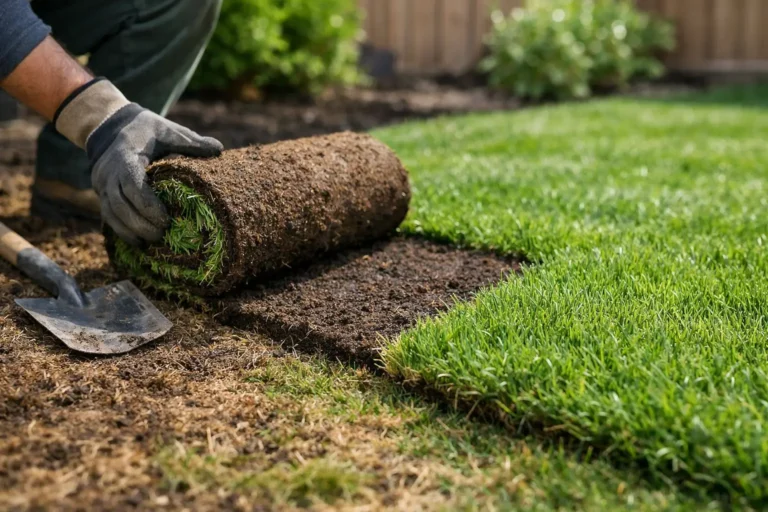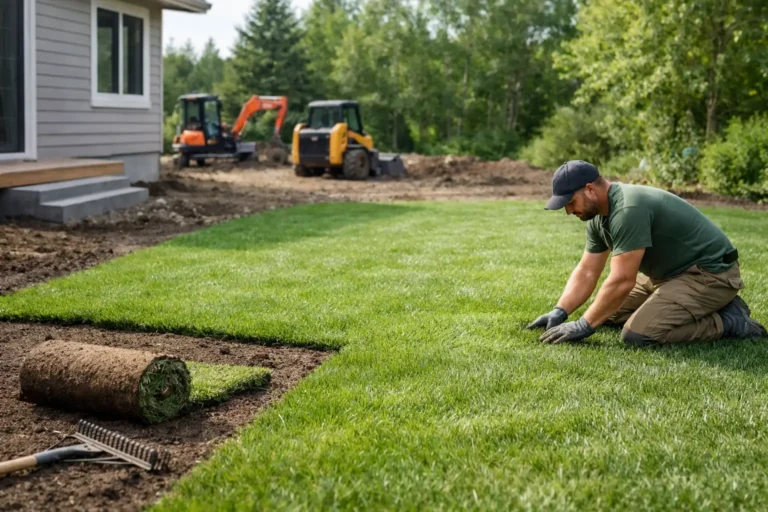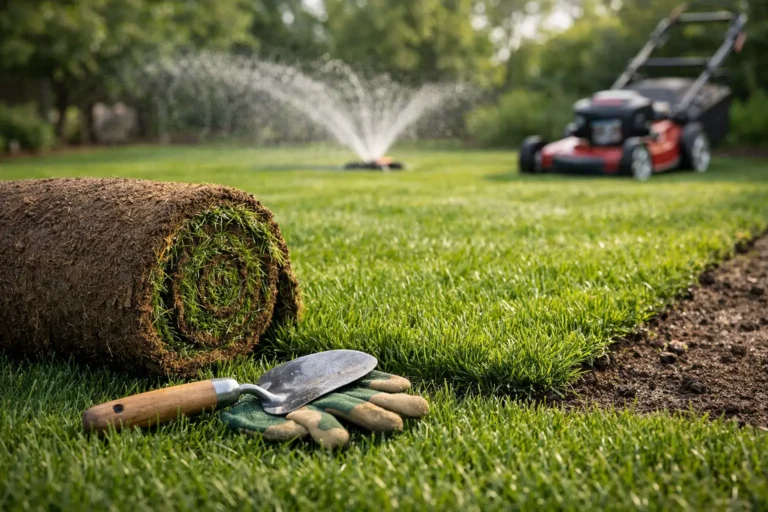

A fresh sod lawn can make a property look finished in a day, but the wrong installer can leave you with uneven grades, drainage problems, gaps at the seams, and grass that struggles to root. If you’re figuring out how to choose sod installer services, the real decision is not just who can lay grass fastest. It’s who can prepare the site properly so the lawn still looks good weeks and months later.
That matters because sod installation is part product and part groundwork. Premium sod helps, but it cannot fix compacted soil, poor grading, grub damage, or rushed prep. A good installer understands that the visible result starts below the surface.
How to choose a sod installer without getting burned
Start by looking at specialization. Some companies offer sod as one line on a long list of landscaping services. Others focus heavily on lawn installation, lawn replacement, grading, and repair. That difference matters more than most homeowners expect.
A dedicated sod installer usually has a tighter process. They know how deep to remove failing turf, how to correct low spots, how to build a clean base, and how to match the right sod to the site conditions. They also tend to move faster without cutting corners because sod is not a side service for them. When a company installs lawns every week, it shows in the finished grade, the seam alignment, and the rooting success.
You should also pay attention to how they talk about the job. If the conversation is only about square footage and price per roll, that is a warning sign. A professional installer should ask about sun exposure, drainage, soil condition, irrigation, pet traffic, previous lawn issues, and whether this is a new build or a lawn replacement. Good questions usually lead to a better result.
Look past the sod and focus on the prep
The biggest mistake people make is assuming all sod jobs are basically the same. They are not. The prep work is where one quote can be worth far more than another.
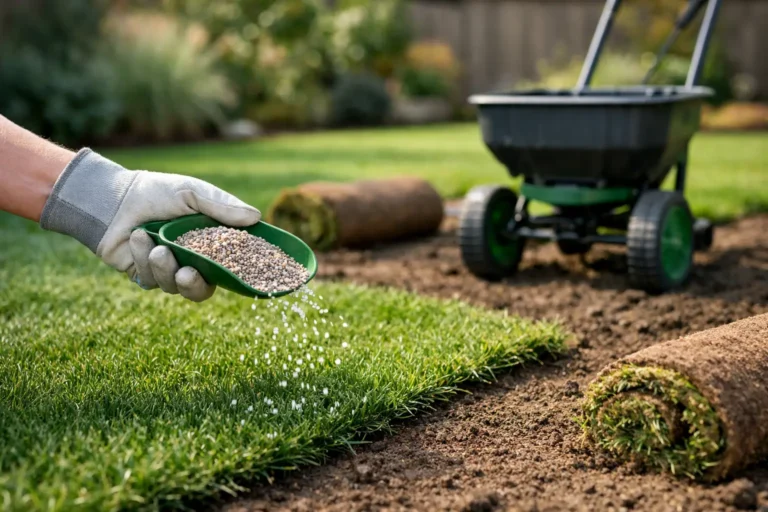
A reliable installer should explain what happens before the sod goes down. That may include removing old grass, dealing with weeds, addressing grubs, regrading problem areas, loosening compacted soil, adding quality topsoil, and leveling the surface. If your yard has standing water after rain, prep is even more important. New sod laid over drainage issues may look great at first and fail later.
This is where cheaper quotes can become expensive. Some crews skip proper soil preparation because it takes time, equipment, and labor. The price looks attractive, but the lawn may develop soft spots, dry patches, or poor rooting. If one estimate is much lower than the others, ask exactly what is included in the site prep. That answer will tell you a lot.
Questions worth asking about prep
Ask how they handle existing turf removal, whether they regrade low areas, what kind of soil they use, and how they prepare the surface for rooting. Ask what happens if they find grub damage or compacted ground once the old lawn comes up. A serious installer will have clear answers and won’t act like these issues are unusual.
Compare quotes the right way
When people search for how to choose sod installer companies, they often jump straight to price. Price matters, but only after you know what you’re paying for.
A strong estimate should be clear and specific. It should tell you whether tear-out is included, whether soil and grading are included, what type of sod is being installed, how much area is covered, and whether cleanup is part of the job. If the estimate is vague, expect surprises later.
Transparent pricing is usually a good sign. It shows the company is comfortable explaining labor, materials, and scope. It also makes it easier to compare one bid against another fairly. A lower quote may still be the right choice, but only if the scope is genuinely similar.
There is also an it depends factor here. A flat, accessible backyard is not the same job as a narrow side yard, a heavily damaged front lawn, or a new construction lot with rough grade. Good installers account for those differences instead of forcing every project into the same package.
Experience matters, but the right kind matters more
Years in business can be useful, but relevant experience is more important than a number on its own. You want a company that has handled projects like yours.
If your property has poor drainage, ask about drainage correction and grading. If you’re replacing a lawn destroyed by grubs, ask what steps they take before installing new sod. If you’re a builder or property manager, ask about larger-scale scheduling, staging, and turnaround time. A company can be experienced and still not be the best fit for your particular project.
Regional experience also matters. In Ontario, freeze-thaw cycles, clay-heavy soils, summer stress, and spring moisture can all affect how a lawn establishes. An installer familiar with local conditions is more likely to prepare the site properly and set realistic watering and aftercare expectations.
Check proof, not just promises
A good sod installer should be able to show real results. Before-and-after photos are useful because they reveal more than whether the lawn looks green on day one. Look at the grade lines, the edges, the transitions near walkways and driveways, and the overall finish.
Reviews can help too, but read them with a practical eye. Comments about responsiveness, clean job sites, accurate estimating, and standing behind the work often say more than generic praise. The best signs are consistency and detail. If multiple customers mention that the crew arrived on time, explained the process, and solved underlying lawn issues, that’s meaningful.
If you want extra confidence, ask how the company handles problems. Every outdoor project has variables. What matters is whether the installer avoids responsibility or addresses issues directly.
Ask about warranty and aftercare
Sod is a living product, so no honest company should promise perfection without conditions. Still, they should be clear about what they stand behind.
Ask what kind of warranty or service guarantee they offer and what the homeowner needs to do for the sod to establish properly. Watering, traffic control, and timing all affect outcomes. A dependable installer will give you simple aftercare instructions and explain what to watch for in the first few weeks.
This is another area where honesty matters. If someone guarantees success without asking whether you have irrigation access or time to water properly, they may be telling you what you want to hear. Good contractors are straightforward. They will tell you what they can control and what they need from you.
Communication is part of the job
You can learn a lot about a sod company before any work starts. Do they answer calls and messages quickly? Do they show up for the estimate when they say they will? Do they explain the process in plain language? Do they send a clear quote without chasing them for days?
Strong communication usually reflects how the job will run. Sod projects are time-sensitive because the material needs to be installed fresh. If a company is disorganized during the estimate stage, that can create headaches later.
This is especially important for homeowners juggling other renovations and for builders or property managers working on schedules. A professional sod installer should make the process easier, not harder.
Choose the company that treats the lawn as a system
The best installers do not act like sod is just a surface layer. They look at the property as a whole. That includes grade, drainage, soil health, rooting conditions, and long-term durability.
For some projects, that may mean extra prep and a higher upfront cost. For others, the lawn may be straightforward and the install can move quickly. The right company will not oversell work you do not need, but they also will not pretend a troubled site can be fixed by rolling out new sod alone.
That practical approach is what separates a fast cosmetic job from a lawn that actually establishes well. Companies like Right On Sod build their reputation on that difference – not just getting a lawn installed, but getting it installed properly.
If you’re comparing installers, trust the company that is clear about prep, specific about pricing, realistic about outcomes, and confident enough to explain every step. A good lawn should look better right away. A great sod job still proves itself after the first hard rain, the first heat wave, and the first few cuts.