

You can usually feel the difference between loose sod and rooted sod in about two weeks. If you’re wondering how long does sod take to root, the short answer is this: new sod often starts establishing shallow roots in 10 to 14 days, but full rooting usually takes 4 to 6 weeks, and sometimes longer if weather, soil prep, or watering are working against you.
That timeline matters because sod can look great on day one and still fail later if the roots never knit into the soil underneath. A lawn that roots properly holds up to foot traffic, heat, mowing, and dry spells much better. A lawn that doesn’t root stays vulnerable, even if it looks green from the street.
How long does sod take to root in real conditions?
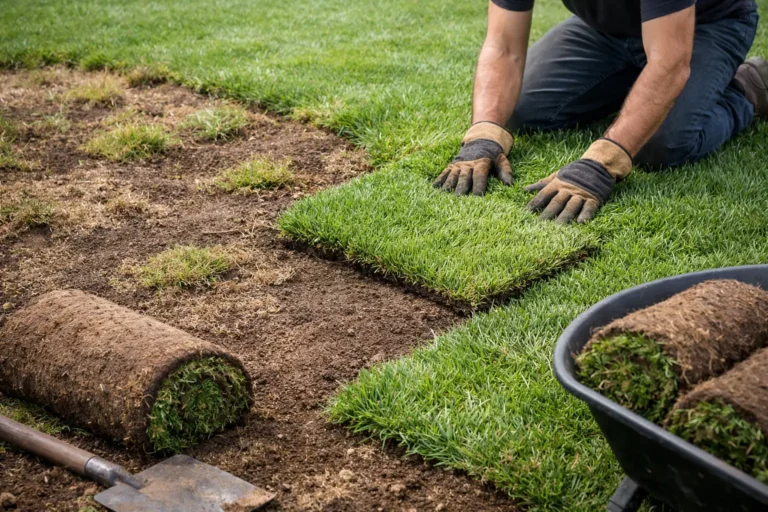
Most homeowners want a simple number, but sod rooting is not a one-size-fits-all process. Freshly installed sod typically begins attaching to the soil within the first 7 to 14 days. During that stage, the roots are still shallow and easy to disturb. If you tug a corner and it lifts easily, it has not anchored yet.
By weeks 3 and 4, healthy sod should be rooting more firmly into the topsoil. In good conditions, that is when the lawn starts acting more like a permanent surface instead of a laid product. By weeks 4 to 6, many lawns are established enough for normal mowing and regular use, although heavy traffic should still be limited if the lawn was installed during stressful weather.
If sod is installed in cooler spring or early fall conditions, rooting can be steady and reliable. If it goes down in peak summer heat, the process can be slower and more fragile. The grass is spending energy surviving heat stress while also trying to grow roots, and that balance is not always easy.
What affects how fast sod roots?
The biggest factor is what happens before the sod is even laid. Good grading and proper soil preparation give roots a clean path into the ground. Poor prep creates a barrier. If the surface underneath is compacted, full of debris, or uneven, sod may stay alive for a while on watering alone, but it won’t root as deeply or as evenly.
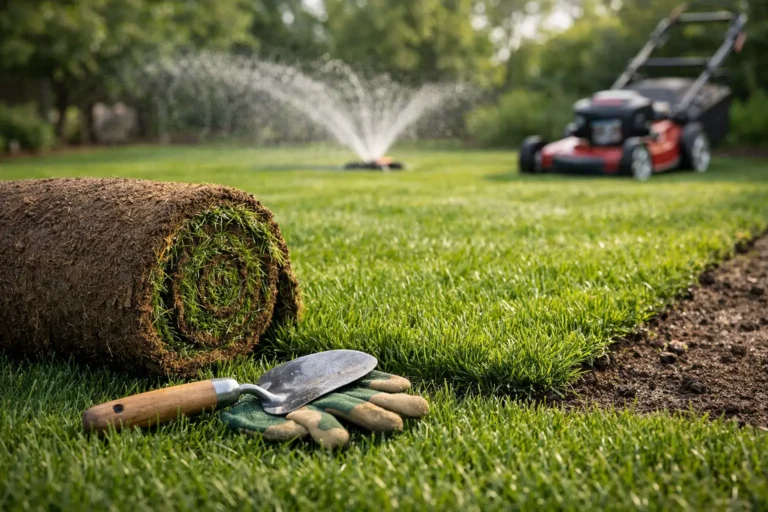
Watering is the next major factor. New sod needs consistent moisture at the soil line, not just wet grass blades. Too little water dries the root zone before it can establish. Too much water keeps the area soggy, limits oxygen, and can encourage disease. The goal is damp soil beneath the sod, not mud.
Temperature also plays a role. Cool to moderate temperatures are ideal for root development. In Ontario conditions, spring and fall are often easier windows for installation because evaporation is lower and the lawn is under less stress. That does not mean summer sod can’t succeed. It can, but it demands tighter watering discipline and less room for error.
The quality of the sod itself matters too. Fresh, farm-cut sod installed quickly has a better chance of rooting well than rolls that sat too long on pallets. Premium sod with strong, healthy turf and minimal drying has a much better start.
Signs your sod is rooting properly
The easiest test is a gentle pull test. Lift lightly at a corner or edge. If the sod resists and feels attached, roots are starting to move into the soil below. If it peels up like a rug, it still needs time or better care.
You can also watch the lawn’s behavior. Rooting sod begins to look more even from section to section. It stays turgid longer between watering cycles, and the seams start blending together. The grass also begins to stand more firmly underfoot instead of feeling spongy or loose.
Color can help, but it is not the best measure by itself. Sod can remain green for a while even when the rooting process is weak. That is why physical attachment matters more than appearance alone.
How to help new sod root faster
Start with thorough watering right after installation. The sod and the soil beneath it both need moisture from day one. In the first couple of weeks, frequent watering is usually necessary to keep the sod from drying out before roots can establish.
As the roots begin to form, the goal changes. Instead of keeping everything constantly wet, you gradually water less often and more deeply. That encourages roots to chase moisture downward rather than staying near the surface.
Keep traffic off the lawn as much as possible during the early stage. Repeated walking, kids playing, or pets cutting the same path across the yard can shift the sod before roots anchor it. If the lawn is part of a new build or renovation, this is especially important. A fresh install should not become a shortcut route.
Mow only after the sod has started to root and the grass has reached a healthy cutting height. The first mow is often fine around the 2 to 3 week mark, but only if the sod feels attached and the ground is not soft. A sharp mower blade matters. Dull blades can tug at new sod and damage the young connection to the soil.
Watering mistakes that slow rooting
Underwatering is the obvious problem, but overwatering causes just as many issues. If water is pooling or the ground stays swampy, roots may struggle for oxygen. That can delay establishment and create soft areas where sod shifts instead of knitting down.
Another common mistake is shallow watering several times a day for too long. That approach can help during the first phase, but if it continues for weeks, the roots may stay close to the surface. Strong lawns are built by gradually pushing roots deeper.
Timing matters as well. Watering early in the day is usually better than watering late at night. The lawn gets the moisture it needs without staying wet for excessive hours. That lowers the chance of fungal problems while still supporting root growth.
Why soil prep makes or breaks the timeline
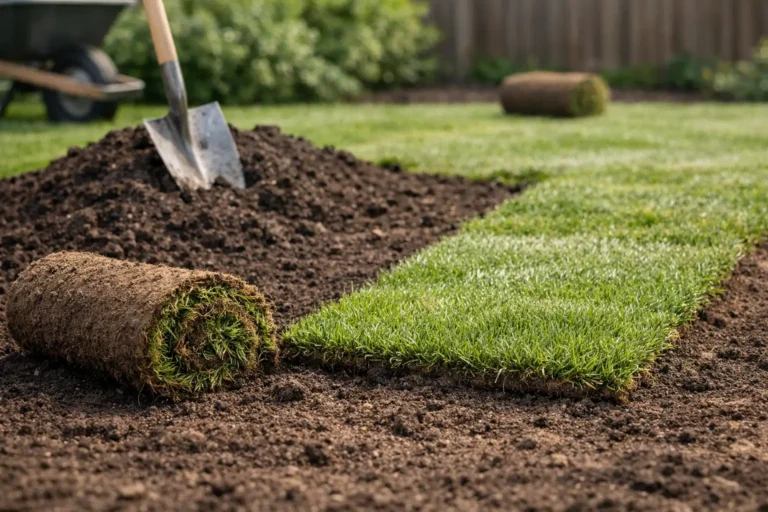
If you want sod to root on schedule, the work underneath has to be right. That means proper grading, removal of old material when needed, and a suitable soil base that is loose enough for roots to penetrate but stable enough to support the lawn.
This is where many rushed installs fall short. Sod laid over compacted subsoil, construction debris, or poor drainage can struggle from the beginning. You may still get an instant green lawn, but the long-term result is weaker rooting, uneven growth, and trouble spots that show up later.
For homeowners dealing with a dead lawn, heavy clay, or drainage issues, the prep phase is not the place to cut corners. Fast transformation only works when the foundation supports it.
Seasonal expectations in Ontario
In spring, sod usually roots well because the soil is warming up and rainfall often helps. Growth can be strong without the intense stress of midsummer. Fall is also a solid installation window since cooler air reduces moisture loss and gives the grass a chance to establish before winter.
Summer installations can still perform well, but they need more attention. Hot sun, dry wind, and high evaporation make consistency critical. Missed watering in the first stretch can set the lawn back quickly.
Late-season installs are more variable. Sod can still take root in cool weather if the ground is workable, but root growth slows as temperatures drop. In those cases, the lawn may establish partially before winter and continue rooting more fully in spring.
When should you worry?
If your sod still lifts easily after two weeks, check your watering pattern and look at the soil underneath. If it is bone dry, the roots are probably stalling. If it is constantly saturated, they may be struggling for air.
Brown edges, shrinking seams, or sections that feel loose well past the early window can signal installation or care issues. Uneven rooting is especially common where grading, sun exposure, or sprinkler coverage changes across the yard.
That does not always mean the lawn is failing. Sometimes it means one area needs an adjustment while the rest is on track. But if large sections are not attaching, it is worth addressing early instead of hoping it fixes itself.
The practical answer homeowners actually need
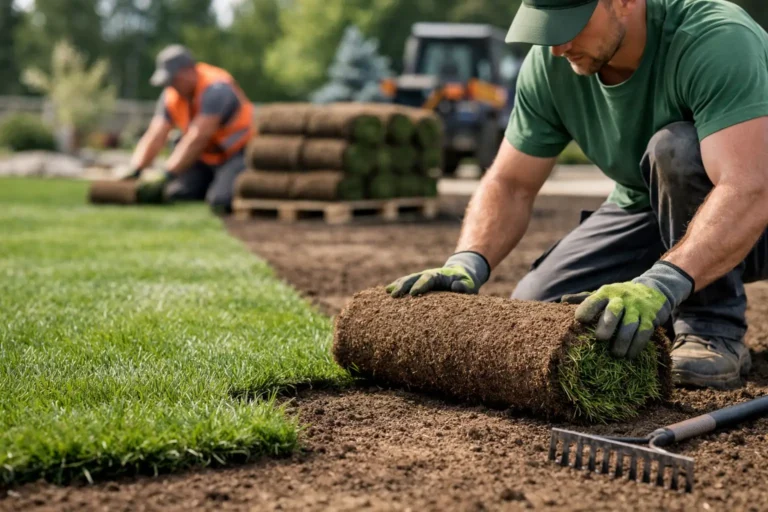
If you want the straight answer to how long does sod take to root, plan on about 10 to 14 days for early attachment and 4 to 6 weeks for stronger establishment. Then build in some flexibility for heat, soil conditions, watering habits, and the quality of the prep work.
A good sod installation is not just about rolling out green grass fast. It is about making sure that lawn takes hold, stays healthy, and performs like a real lawn instead of a temporary surface. That is why experienced sod specialists pay so much attention to grading, soil preparation, and aftercare.
If your new lawn is down and you’re in the waiting stage, patience matters, but so does consistency. Give the roots the conditions they need now, and the payoff is a lawn that holds together when it counts.
2 Comments