

A new build can look finished from the street while the yard still tells a different story. Ruts from equipment, compacted soil, poor grading, and a thin layer of leftover fill can make post construction lawn restoration harder than most property owners expect. If the goal is a lawn that looks clean, roots properly, and holds up through the season, the work under the sod matters as much as the sod itself.
For homeowners, builders, and property managers, this is where shortcuts usually show up. Seed gets thrown down on hard ground, the first rain exposes low spots, and the lawn never really catches up. A proper restoration plan fixes the grade first, builds a healthy base, and gives the new grass the best chance to establish quickly.
Why post construction lawn restoration is different
Restoring a yard after construction is not the same as repairing a few patchy spots. Construction traffic packs the soil tight, and that limits airflow, water movement, and root growth. In many cases, the top layer is also mixed with stone, debris, and subsoil that was never meant to support turf.
That is why new lawns on recently built properties often struggle even when they are watered. The issue is not always the grass. More often, it is what is happening below the surface. If the soil profile is wrong or the grading is off, the lawn can look decent for a few weeks and then decline fast under heat, foot traffic, or heavy rain.
The right approach starts with identifying the actual condition of the site. Some yards need minor regrading and fresh topsoil. Others need a full tear-out of construction-damaged material before any lawn installation should begin. There is no one-size-fits-all fix, and that is exactly why specialized lawn work matters.
What a successful restoration actually includes
A good-looking lawn starts with clean groundwork. That means removing debris, breaking up compacted areas, and reshaping the yard so water moves away from the home and does not sit in random low spots. If drainage is ignored, the lawn may green up at first but struggle long term.
Soil preparation is the step that changes the outcome. Fresh, workable topsoil gives roots a place to establish, and proper grading creates a smooth finish that looks better immediately and performs better after rain. This is also the point where edges, slopes, and transitions around walkways, driveways, and patios need to be handled carefully. Those details affect both appearance and function.
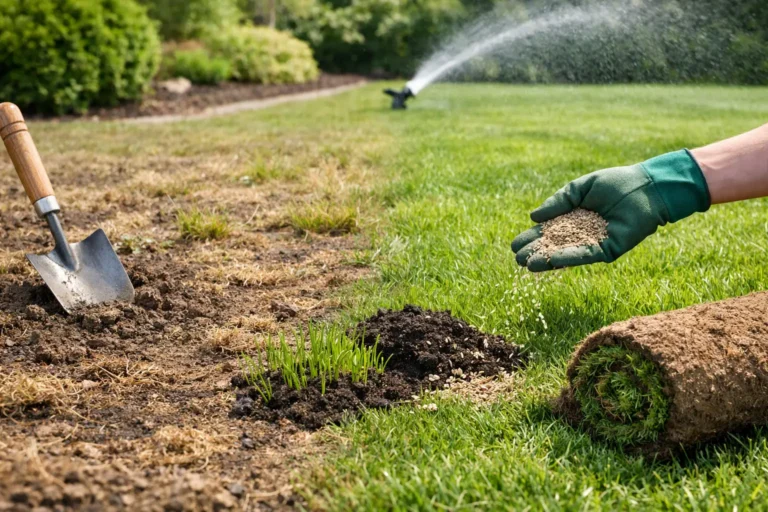
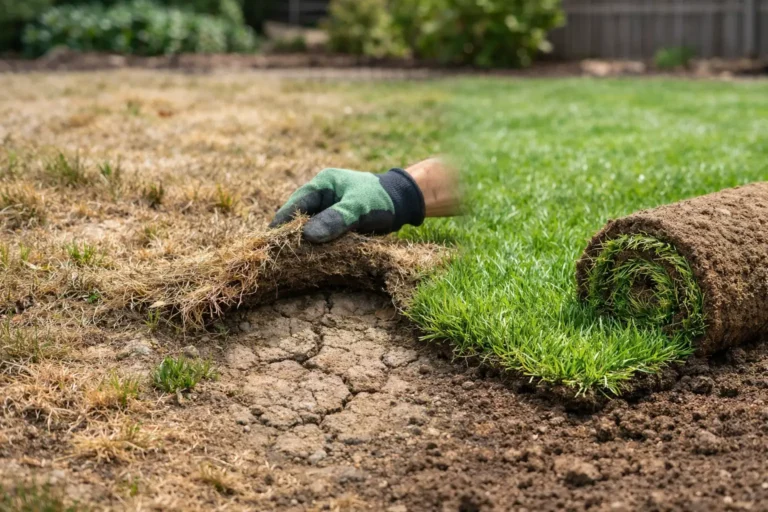
Once the base is right, sod gives the fastest and most predictable finish. For post construction properties, that speed matters. A seeded yard can take a long time to fill in and may wash out, dry out, or emerge unevenly. Sod provides instant coverage, immediate curb appeal, and a much stronger visual result from day one.
Common problems after construction
Most post-build lawns fail for the same few reasons. The first is compaction. When heavy equipment moves across the lot, the soil gets pressed down hard enough that roots struggle to penetrate. Water may sit on the surface or run off before it can soak in.
The second is poor grading. Even a slight low area can collect water and turn into mud. A high spot can dry out faster than the surrounding lawn and lead to stress. These problems are easy to miss before grass goes down, but once the lawn is installed, they become much more obvious.
The third is bad soil quality. Builders often leave behind subsoil, rubble, or a shallow layer of topsoil that is not deep enough to support healthy turf. A lawn needs more than a green surface. It needs a stable, nutrient-ready base that can hold moisture without staying soggy.
There is also the timing issue. Many people want the yard finished as soon as the construction is done, which is understandable. But rushing past grading and prep just to get something green on the ground usually leads to rework. Fast results are possible, but only when the process is done in the right order.
Sod vs. seed for post construction lawn restoration
For most post construction lawn restoration projects, sod is the better choice. It delivers an immediate finished look, helps control erosion, and gives a stronger start on sites where conditions are already less than ideal. On a bare lot or disturbed yard, that reliability is a major advantage.
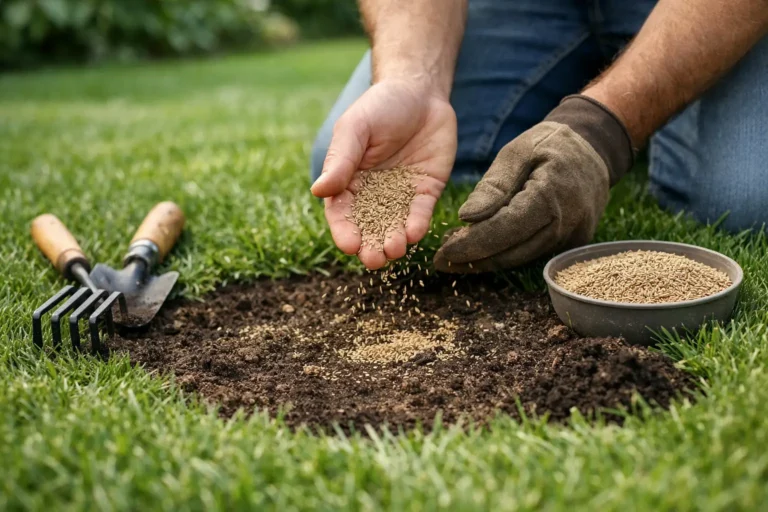
Seed can work in some cases, especially on large areas where budget is the main driver and the site has already been properly prepared. But it comes with more risk. Germination depends heavily on weather, watering consistency, and protection from washout. It also takes longer to reach a full, usable lawn.
Sod is not magic. If it is installed over poor soil or bad grade, it will still struggle. But when paired with proper prep, it gives the fastest path to a lawn that looks complete and roots in well. For property owners who want visible results without months of waiting, it is usually the most practical option.
What property owners should expect from the process
A professional restoration should start with a site assessment, not a guess. The condition of the lot, the amount of grading needed, access to the yard, and the current soil quality all affect the scope of work. A flat, accessible yard after a small renovation is one thing. A heavily disturbed new-build lot with drainage issues is another.
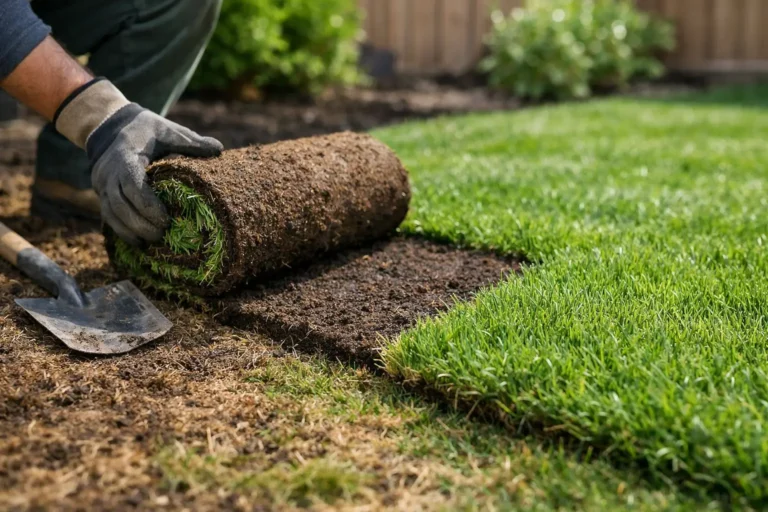
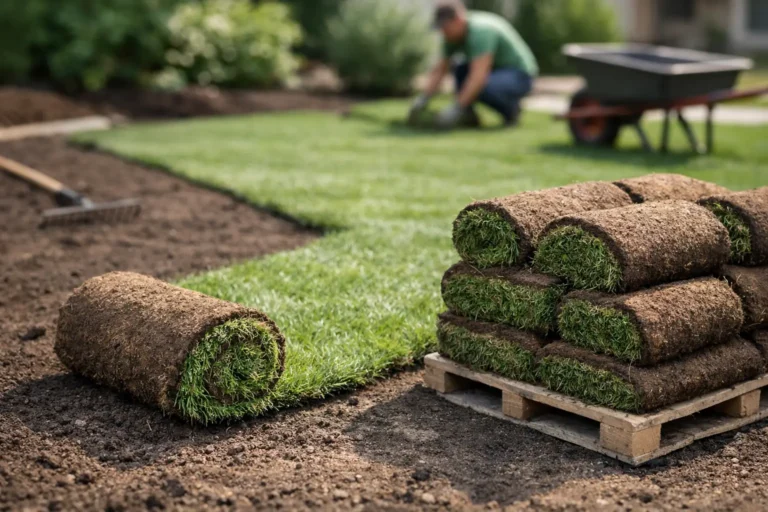
From there, the process should be straightforward. Clear out debris. Address grade. Add or reshape topsoil where needed. Prepare the base so it is smooth, stable, and ready for installation. Then install the sod cleanly and give the customer clear watering and care instructions for establishment.
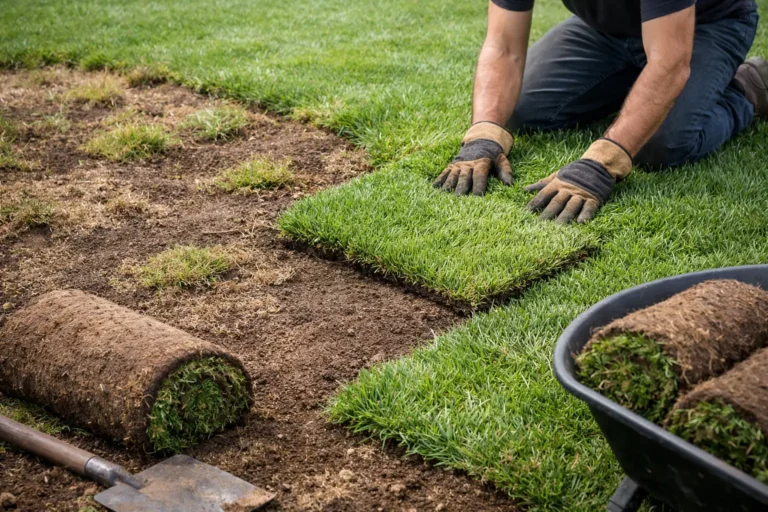
The difference between average work and dependable work usually shows up in the prep and the finish. Clean seams, tight edges, and proper rolling matter, but so does how the yard performs a few weeks later. If the lawn is installed on the right foundation, it roots faster and settles more evenly.
How to know when a full reset is the smarter move
Sometimes a yard looks close enough to save, but patching it only delays the real fix. If the property has widespread compaction, inconsistent grade, standing water, or a thin layer of poor soil, partial repairs may not be worth the money. A full lawn tear-out and replacement can actually be the more efficient path.
That is especially true when the goal is long-term curb appeal and fewer problems later. A reset gives the chance to correct drainage, improve soil depth, and install a uniform lawn across the entire space. For homeowners planning to stay in the home, or builders trying to finish a project properly, that level of work often makes more sense than chasing one problem area after another.
Why local soil and climate knowledge matter
Ontario lawns deal with temperature swings, spring rain, summer heat, and periods of dry weather. That makes grading, soil prep, and sod selection more than just installation details. They affect whether the lawn roots deeply and stays healthy through the season.
This is where working with a dedicated sod specialist helps. A company focused on lawn installation understands how to prepare the base for local drainage conditions and how to avoid the common failures that show up after construction. Right On Sod takes that approach seriously because the fastest lawn transformation only works when the groundwork is handled properly.
The real value of doing it right the first time
Post construction lawn work is easy to underestimate because the yard looks simple compared to the house. But the lawn is the first thing people see when they pull up to the property, and it affects how finished the entire project feels. More importantly, it affects drainage, usability, and ongoing maintenance.
A properly restored lawn gives you a clean, stable outdoor space right away. It reduces mud, improves curb appeal, and helps the property look complete instead of half-finished. For homeowners, that means less frustration and a better-looking yard sooner. For builders and property managers, it means a more polished final product and fewer callbacks.
If your yard has been torn up by construction, the answer is not to cover the problem and hope for the best. Start with the ground, fix what is underneath, and the lawn above it has a real chance to thrive.
One Comment