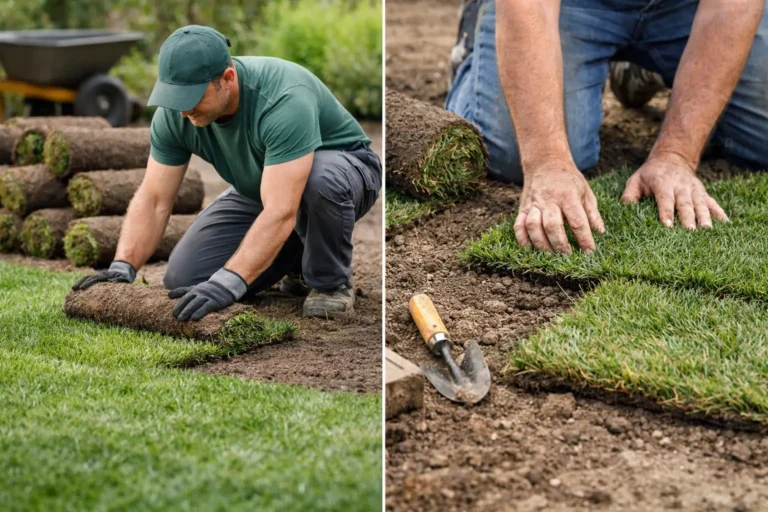

You can install premium sod perfectly, roll it tight, and grade the yard properly – then lose the whole win with bad watering. That is why homeowners asking how to water newly laid sod are asking the right question. New sod does not need guesswork. It needs consistent moisture, good timing, and a little common sense.
The big goal in the first few weeks is simple: keep the sod and the soil underneath it evenly moist so roots can knit into the ground below. Too little water and the edges curl, seams open, and roots stall out. Too much water and you trade one problem for another, with soggy soil, shallow rooting, and disease pressure. The sweet spot is steady moisture without turning your lawn into a swamp.
How to Water Newly Laid Sod in Week 1
The first week is all about survival. Newly installed sod has very short roots in its new home, so it cannot pull much moisture from the soil below. It is basically living day to day off the water you give it.
On day one, water immediately after installation. Not later that evening. Not tomorrow morning. Right away. The goal is to soak the sod layer and the top few inches of soil underneath so the roots make direct contact with moist ground. If the sod dries out soon after install, it can shrink, lift at the corners, and struggle to establish evenly.
For most yards, that means watering one to two times per day during the first several days, with enough time per zone to thoroughly wet the sod and the soil below it. Early morning is the best window because temperatures are lower and less water is lost to evaporation. If the weather is hot, windy, or unusually dry, a second lighter watering in the late afternoon can help keep the surface from drying out too fast.
This is where people get tripped up. They water often, but not deeply enough. A quick five-minute sprinkle may darken the grass blades, but it does very little for the roots. You want the lawn to feel moist underfoot, not crunchy, and the soil below the sod should be damp when you gently lift a corner in an inconspicuous spot.
If water starts running down the driveway or puddling in low spots, that is not a badge of honor. It usually means the zone is running too long at once, or the soil is taking water more slowly than the sprinkler is applying it. In that case, split the watering into shorter cycles with a break in between.
Week 2: Start Backing Off
By the second week, the sod should still be kept moist, but you can usually reduce frequency a bit and encourage the roots to chase water deeper. This is the transition most lawns need, and it depends on weather, sun exposure, and soil conditions.
A lawn in full sun on a hot stretch may still need daily watering. A cooler week with some cloud cover may let you scale back to every other day. The point is not to follow a rigid calendar like it is carved in stone. The point is to watch how the lawn responds.
A good sign you are on track is that the sod starts to feel more anchored. It should resist gentle lifting more than it did in the first few days. That tells you roots are beginning to move into the prepared soil below.
Keep watering deeply enough to reach the root zone, but let the surface begin to dry slightly between waterings. That small change matters. Constantly soaked surface conditions encourage shallow roots, and shallow roots create a lawn that panics the second the weather gets tough.
Week 3 and Beyond: Train the Lawn for Real Life
Once the sod has begun rooting in, your watering schedule should shift from frequent moisture to deeper, less frequent watering. This is how you build a lawn that can handle normal summer conditions without begging for water every afternoon.
At this stage, two or three deeper waterings per week is often a better pattern than a daily light spray, assuming the lawn is rooting well and weather is cooperating. The exact timing depends on heat, rainfall, and your soil. Sandy soil drains faster and may need more attention. Heavier soil holds moisture longer but can get waterlogged if you overdo it.
This is also the point where many homeowners accidentally keep babying the lawn for too long. Understandable, but not helpful. New sod needs support, not a lifelong moisture addiction.
How to Tell if Newly Laid Sod Needs More Water
Your lawn will tell you when it is thirsty, and it usually does not whisper. Watch for grass blades that look dull instead of vibrant, footprints that linger after you walk across the yard, edges that begin to curl, or seams that become more visible as the sod starts to shrink.
Another clue is heat stress that hits fast in the afternoon and does not recover by evening. Some temporary wilting during extreme heat can happen, but if the lawn stays limp or feels dry at the soil level, it needs attention.
Check the moisture where it counts. Gently lift a corner in a hidden area and look underneath. If the underside is drying out and the soil below is only barely damp or completely dry, increase watering depth or frequency. Looking at the grass blades alone can be misleading.
Signs You Are Watering Too Much
Overwatering is more common than people think, especially when the installer says keep it wet and the homeowner hears flood it forever. That is not the assignment.
If the lawn feels squishy, water pools on the surface, or the soil stays muddy for long stretches, you are probably overdoing it. You may also notice a sour smell, algae growth, or sections that stay soft while neighboring areas look normal. Excess water reduces oxygen in the soil, and roots need oxygen just as much as they need moisture.
The fix is usually simple: water less often, shorten cycle times, or adjust coverage so one area is not getting hammered while another stays dry. Even a great sprinkler setup can have blind spots and overlap problems.
Timing, Sprinklers, and Weather Matter
If you want a simple rule, water early in the morning. That gives the lawn time to absorb moisture before peak heat and lowers the risk of prolonged overnight dampness. Evening watering is sometimes necessary, especially during hot weather, but it is usually second best. Midday watering is the least efficient because more water is lost to evaporation, though a quick rescue watering can make sense during extreme heat.
Sprinkler choice matters too. Oscillating sprinklers can work well for smaller rectangular lawns. Impact or rotary sprinklers often cover larger spaces more evenly. The brand matters less than coverage. Dry corners and overwatered centers are a common problem, so check whether each zone is applying water evenly.
Rain changes the schedule, but do not assume every storm did the job for you. A light shower may barely wet the surface. A steady soaking rain can replace a full watering cycle. If you are not sure, check under the sod instead of trusting the weather app.
In places with spring and summer swings like Waterloo Region, one week can feel mild and easy, and the next can bring wind, heat, and fast drying. That is why the best watering schedule is always part plan, part observation.
A Few Mistakes That Cost People Their New Lawn
Walking on fresh sod too much in the first couple of weeks is one of the classics. Kids, pets, delivery drivers, everyone wants to test the new lawn. Try not to let them. Excess traffic shifts pieces, creates gaps, and makes rooting harder.
Mowing too early is another one. If the sod is not rooted enough, mower wheels can pull at the seams and stress the grass. Wait until the lawn is attached and growing enough to justify the cut.
Then there is the sprinkler timer mistake: set it once, forget it, and assume technology is handling everything. Timers are useful. They are not lawn experts. If the weather changes, the schedule should too.
The Best Mindset for Watering New Sod
Think less about a perfect universal formula and more about helping the lawn progress through stages. In the beginning, you are preventing dry-out. After that, you are encouraging rooting. Then you are building durability.
If you stick to that logic, most decisions get easier. Water thoroughly from day one. Keep the sod and underlying soil moist early on. Reduce frequency as roots establish. Watch the lawn, not just the clock. And if one area dries faster because of slope, sun, or wind exposure, treat that area accordingly.
A new sod lawn should not feel like a science project that owns your life. It just needs a smart start. Get the watering right, and the rest of the lawn has a real chance to live up to what you paid for.
If your new sod looks great on install day, that is only halftime. The real finish is a lawn that roots in hard, fills out evenly, and still looks sharp after the welcome-home photos are long over.