
A commercial lawn can look simple from the road: green sod, clean edges, done. On the estimate sheet, it is rarely that simple. A commercial sod estimating guide needs to account for more than square footage because the numbers can change fast once access, grading, soil condition, and schedule enter the picture.
For property managers, builders, and commercial owners, the lowest price is not always the lowest cost. A rushed installation over poor soil can lead to failed rooting, uneven ground, drainage trouble, tenant complaints, and a second bill to repair what should have been done right the first time. A good estimate protects the project, the property, and the finish your site needs.
Start With Verified Square Footage
Every accurate estimate starts with measured area, not a guess pulled from a site plan or a quick drive-by. Plans are useful, but finished curbs, sidewalks, utility boxes, retaining walls, islands, and building changes can make the actual sod area different from the drawing.
Measure each sod zone separately. Large open areas are efficient to install. Small boulevard strips, tight courtyard spaces, traffic islands, and areas around signs take more cutting, more handling, and more time. They should not be priced like an open field just because the total square footage looks similar.
Include a reasonable waste factor for cuts and irregular boundaries. The correct percentage depends on the site layout. A broad rectangular lawn may need very little extra material, while a property with curved beds, trees, fixtures, and narrow strips needs more. Ordering too little sod creates delays and color variation if a second batch is needed. Ordering wildly too much is just expensive compost.
Price the Work Below the Sod
Sod is the visible product, but site preparation decides whether it lives or struggles. Commercial estimates should clearly separate sod supply from the work required to create a root-ready base.
Grading and Drainage
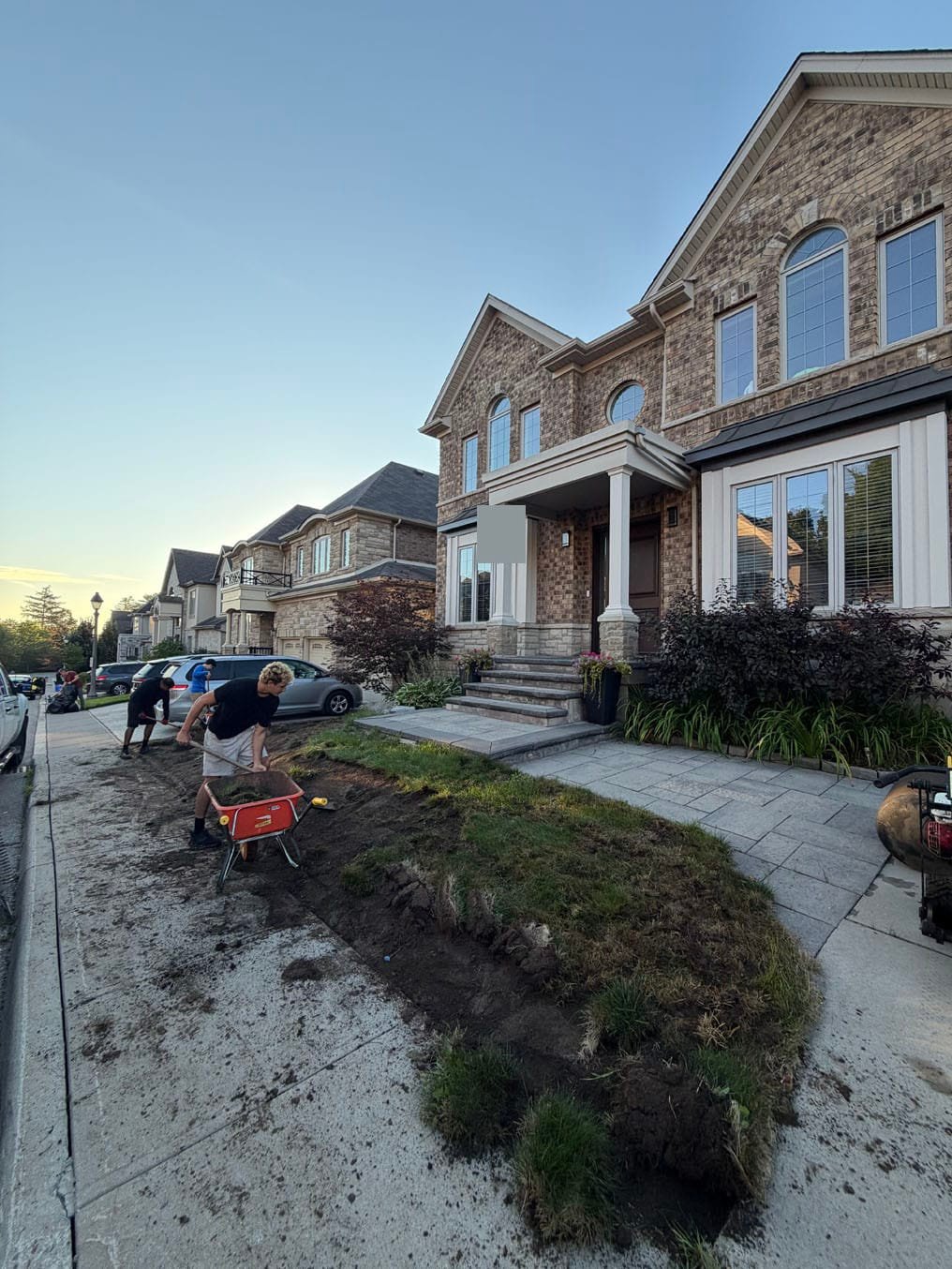
Walk the property and look for low spots, abrupt slopes, compacted construction areas, and places where water already collects. Finished grade should direct water away from buildings and avoid trapping runoff along sidewalks, curbs, or parking areas. Sod cannot fix a drainage problem. It can only cover it for a while.
Estimate the equipment, labor, and material required to shape the surface properly. That may include rough grading, final grading, spreading topsoil, removing excess fill, or correcting areas damaged by other trades. If a project has drainage uncertainty, identify it before work begins rather than burying the risk in a vague lump-sum number.
Soil Quality and Depth
Construction sites often have thin topsoil, compacted subgrade, stones, buried debris, or soil that has been tracked hard by equipment. Premium sod needs enough suitable soil to root into. If the base is poor, the lawn may green up at first and then decline once the initial moisture and nutrients are gone.
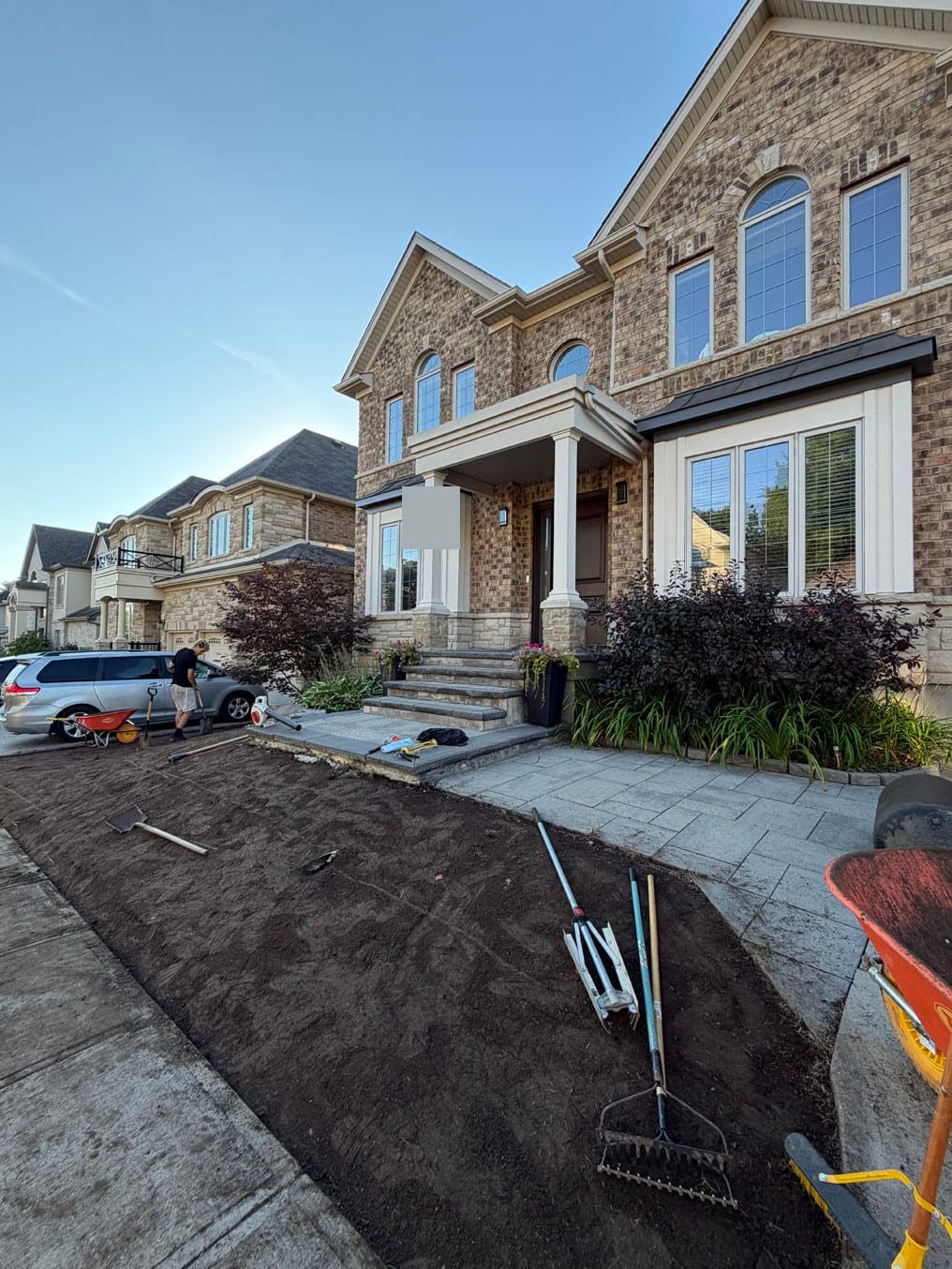
Your estimate should state whether topsoil is included, how much is expected, and what conditions could require additional material. It also helps to define the intended finish: are you filling shallow imperfections, building a proper growing layer, or correcting major grade deficiencies? Those are different jobs with different costs.
Removal and Disposal
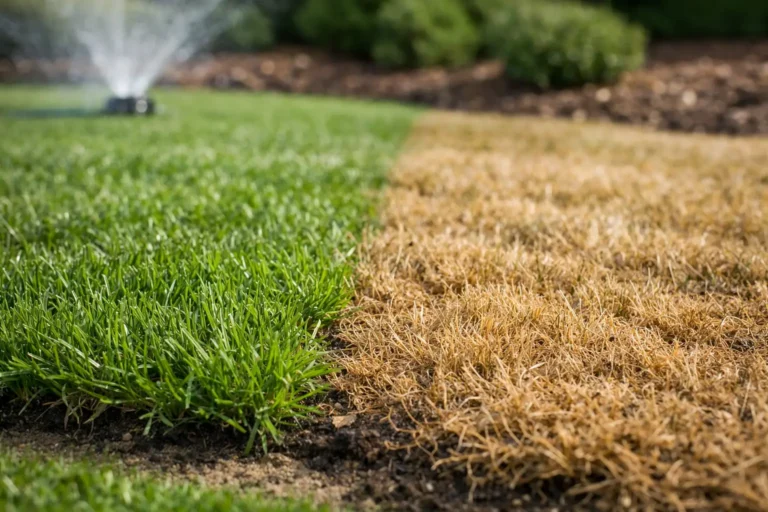
Replacement work has its own math. Existing turf, weeds, old sod, gravel, roots, landscape fabric, and construction debris all take time to remove and dispose of. A lawn that looks merely patchy may be hiding grub damage, compacted soil, or a failed drainage pattern underneath.
Do not assume every existing lawn can be lightly raked and re-sodded. Some can. Others need a full tear-out and rebuild to produce the result a commercial property expects. The estimate should make that distinction plain.
Build Labor Around Production, Not Hope
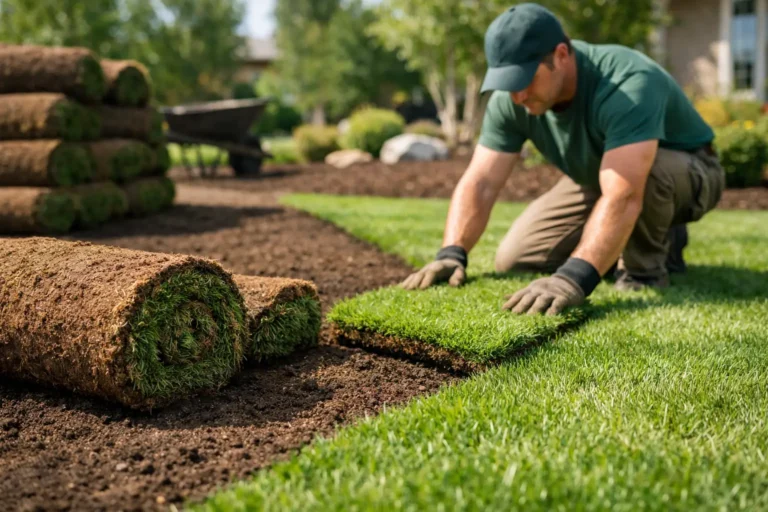
A commercial sod crew is not just rolling out grass. Labor includes loading, delivery coordination, unloading pallets, moving sod across the site, prep work, laying, cutting, rolling, cleanup, and watering at installation. On a well-organized, accessible site, production moves quickly. On a fenced property with limited access or a long haul from the truck, it does not.
Factor in travel distance from the unloading point to the installation area. A large site may have excellent vehicle access. A smaller site behind a building may require repeated wheelbarrow runs through a narrow gate. That labor difference is real, and it belongs in the estimate.
Also account for site rules. Some commercial properties have restricted work hours, required safety orientations, loading limitations, security check-ins, or tenant access requirements. None of these make the work impossible, but they affect crew productivity and scheduling.
Include Materials Beyond the Grass
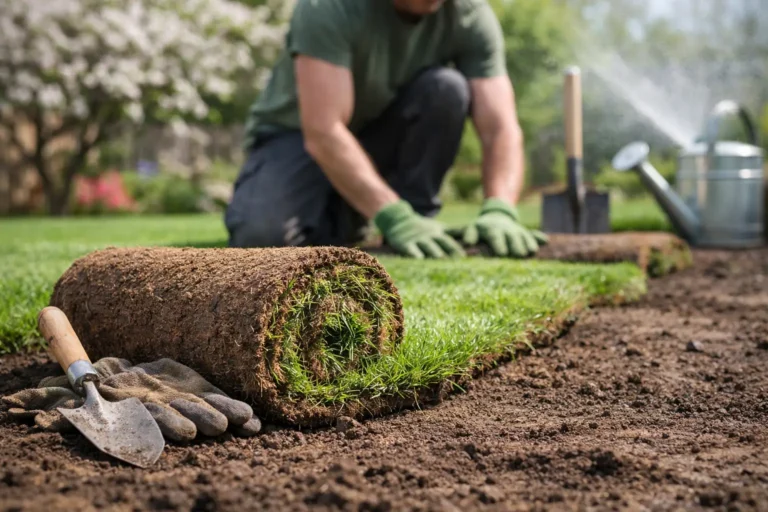
A reliable commercial sod quote identifies the materials required for a finished installation, not just the sod itself. Depending on the project, this can include screened topsoil, compost or soil amendments, starter fertilizer, grub treatment, erosion-control products, and water for initial establishment.
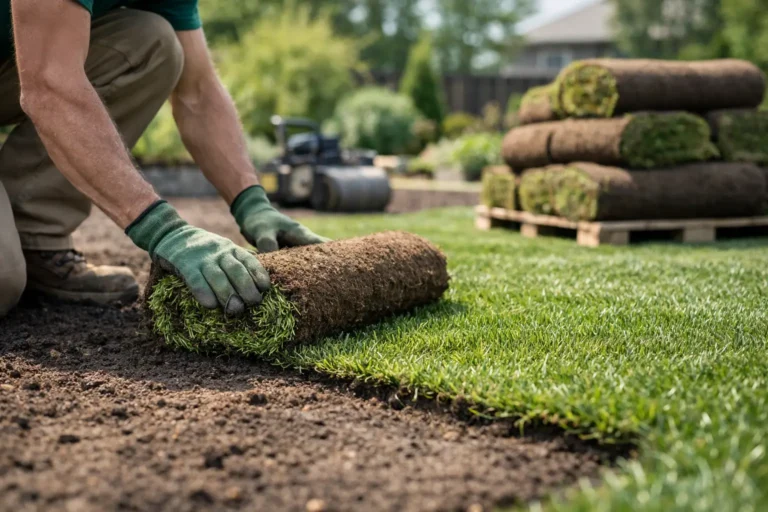
Farm-fresh sod matters because it should be installed promptly and watered properly. Sod that sits too long on pallets, especially in warm weather, can heat up and lose quality before it reaches the ground. For larger commercial jobs, coordinate delivery timing with crew availability and site readiness. Having material arrive before grading is complete is an avoidable headache.
In the Waterloo Region, spring and fall weather can support strong rooting, but wet ground can also limit equipment access and delay final grading. Summer installation is absolutely possible with the right watering plan, but irrigation responsibility must be clear. A commercial estimate should say who supplies water, who operates irrigation, and how often the sod needs attention during the establishment period.
Add Site Risk Without Hiding It
The best estimates are transparent about conditions that cannot be confirmed until work begins. Buried concrete, unexpected debris, unsuitable subsoil, utility conflicts, and undisclosed irrigation lines are common examples. Pretending these risks do not exist may win a bid, but it does not create a dependable project.
Use clear assumptions. State that pricing is based on visible site conditions, defined access, and the stated scope of grading and soil work. If hidden conditions require extra removal, fill, drainage correction, or labor, explain how approval will be handled before that work proceeds.
This is not a trick or a fine-print game. It is how commercial clients avoid surprise invoices and contractors avoid cutting corners to make an unrealistic number work.
Compare Commercial Sod Bids Properly
When comparing estimates, look beyond the price per square foot. One contractor may include delivery and installation only. Another may include stripping, disposal, topsoil, final grading, fertilizer, rolling, and cleanup. Those are not equivalent scopes, even if both proposals say “new sod.”
Ask whether the bid includes these four areas:
- Removal and disposal of existing turf or debris
- Soil supply, spreading, and final grade preparation
- Sod delivery, installation, cutting, rolling, and cleanup
- Watering expectations and responsibility after installation
Also ask what sod type is being supplied and how quickly it will be installed after harvest. A commercial lawn needs to look good on day one, but it also needs to establish well enough to handle foot traffic, weather, and regular maintenance.
Turn a Site Walk Into a Clear Scope
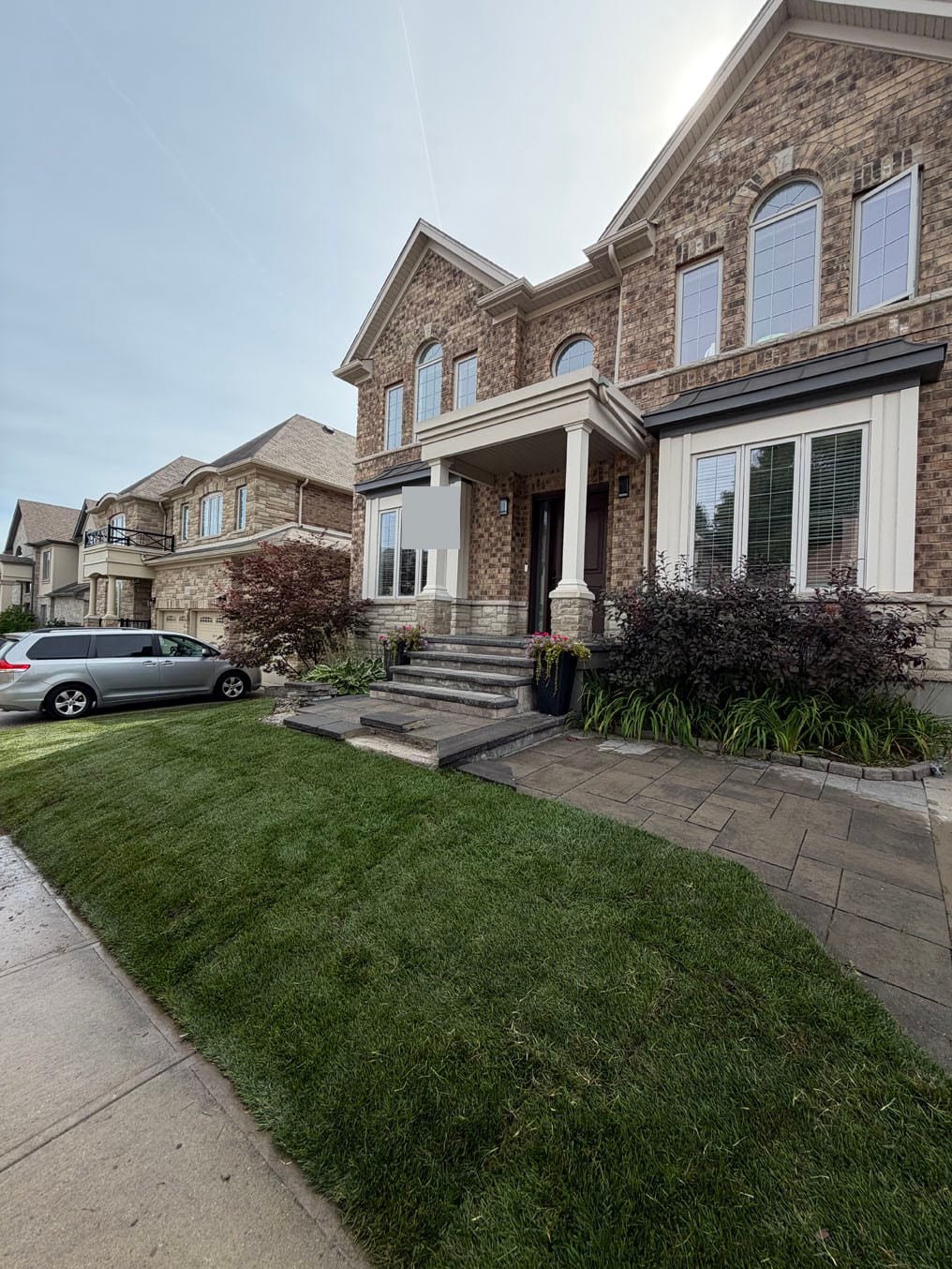
A site visit should produce more than a number at the bottom of a page. It should define the work sequence: remove what has failed, correct the surface, prepare suitable soil, install quality sod, and establish it with the right watering plan. That clarity helps property managers coordinate other trades and gives builders a realistic schedule.
At Right On Sod, commercial estimates are built around the conditions on the ground, not wishful math from a satellite image. That means identifying the prep work needed to give premium sod a fair shot at rooting, draining, and staying green.
The right commercial estimate is not the one with the fewest line items. It is the one that leaves your property with a finished lawn instead of a green problem waiting for next season.