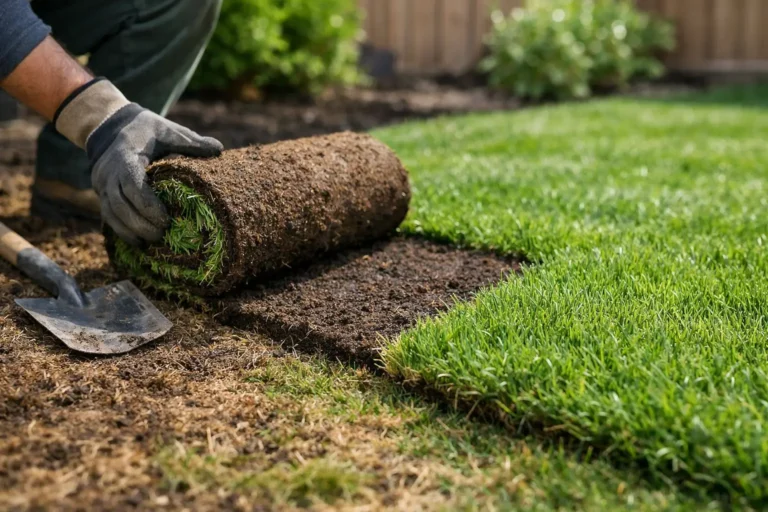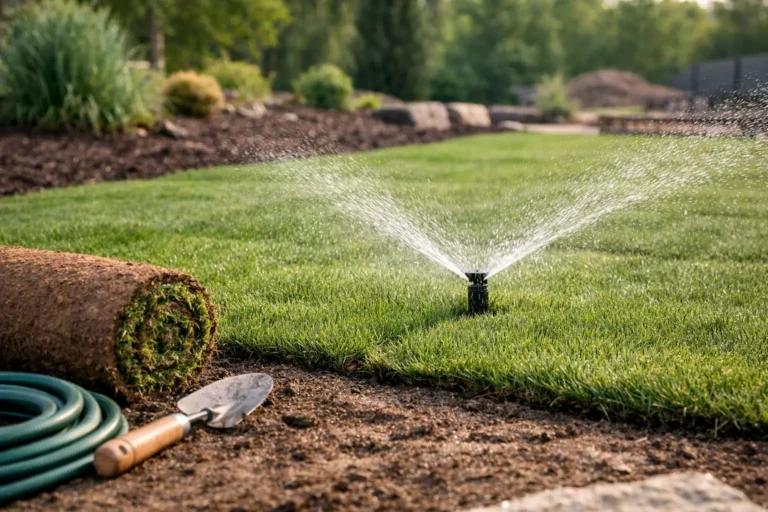

A commercial lawn can make a property look ready for business – or make the whole site feel unfinished. That is why choosing the right commercial sod installation company matters more than most owners, builders, and property managers expect. Sod goes down fast, but lasting results depend on what happens before a single roll touches the ground.
For commercial sites, the stakes are usually higher than they are on a typical residential job. You may be working against construction deadlines, tenant occupancy dates, inspection timelines, or seasonal weather windows. You also need a lawn that looks clean right away and roots properly after installation, not one that turns thin, uneven, or muddy a few weeks later.
What a commercial sod installation company should actually handle
A lot of contractors will say they can install sod. That does not always mean they specialize in it. On a commercial property, that difference shows up quickly in the finished grade, drainage performance, soil condition, and how well the turf establishes.
A true commercial sod installation company should manage the full process, not just the visible part. That includes site assessment, tear-out when needed, rough and finish grading, soil preparation, clean installation, and clear aftercare instructions. If the existing lawn has failed because of compaction, poor drainage, grub damage, or bad soil, simply laying fresh sod over the problem is a short-term fix.
This is where specialization matters. Sod installation is not just a delivery and labor job. It is a preparation job first. Commercial spaces often have been disturbed by equipment, trades, and heavy traffic. The ground may be compacted, sloped poorly, or stripped of quality topsoil. If that gets ignored, even premium sod will struggle.
Why commercial sod jobs are different from residential work
Commercial projects tend to involve more moving parts. There may be larger square footage, tighter schedules, more stakeholders, and less room for delays. A property manager may care most about appearance and maintenance. A builder may care most about timing and coordination. An owner may care most about curb appeal and long-term value. A good contractor understands all three.
There is also less tolerance for inconsistency. On a residential yard, one rough patch can be frustrating. On a commercial property, uneven grading or failed sod can affect customer impressions, leasing, drainage, safety, and site usability. If water starts pooling near walkways or entrances, that becomes more than a cosmetic issue.
That is why the best commercial sod installation company is usually the one that asks detailed questions early. They want to know how the site will be used, what deadlines matter, what irrigation or watering access exists, and whether the current grade supports proper runoff. Those details shape the installation plan.
How to judge a commercial sod installation company
The first thing to look for is whether the company talks about prep with the same confidence it talks about the finished lawn. If a quote focuses only on laying sod and skips grading, soil amendments, or site conditions, that is a red flag. The lawn may look good on day one and fail by week three.
The second thing is estimating clarity. Commercial clients need straightforward pricing, realistic timelines, and a clear scope of work. You should know whether the quote includes sod removal, disposal, new soil, grading, fertilizer, and cleanup. Vague estimates often lead to change orders, delays, or confusion once the job starts.
The third thing is scheduling reliability. Commercial timelines are not suggestions. If a company cannot explain how it handles sod delivery, weather delays, crew coordination, and install sequencing, that uncertainty can ripple through the rest of your project.
Experience with local conditions matters too. In Ontario, successful sod installation depends on more than good weather. Clay-heavy soils, drainage challenges, summer heat, and rooting conditions all affect outcomes. A contractor who understands how lawns establish in the Waterloo Region is better positioned to recommend the right prep and timing.
The part most clients underestimate: grading and soil prep
If there is one area where commercial lawn projects are won or lost, it is the base underneath the sod. Good sod cannot compensate for poor preparation forever.
Grade affects appearance and performance
A smooth, intentional grade does more than improve looks. It helps direct water away from buildings, reduces puddling, supports mowing, and creates a cleaner finished site. On commercial properties, poor grading is especially noticeable because open areas, entrance fronts, and roadside exposure put everything on display.
A commercial sod installation company should be able to explain how it evaluates slope, low spots, and transition areas around curbs, sidewalks, and structures. The right grade supports both drainage and appearance. Sometimes those goals align easily. Sometimes they require trade-offs, especially on a site with limited elevation change or construction constraints.
Soil quality drives rooting speed
Fresh sod needs contact with healthy, prepared soil to root well. If the base is compacted, full of debris, or lacking nutrients, the turf may stay shallow-rooted and stressed. That can lead to drying out, lifting seams, weak color, or patchy growth.
Commercial sites often need more preparation than expected because heavy machinery has compressed the ground. Loosening the soil, adding quality topsoil where needed, and creating an even finish can make the difference between a lawn that takes and a lawn that struggles all season.
Speed matters, but not at the expense of the result
One reason commercial clients choose sod is speed. You want an immediate visual upgrade and a property that looks complete fast. That benefit is real, but only if the installation is done properly.
A rushed job can create expensive follow-up problems. If sod sits too long before installation, it can overheat and decline. If the site is not prepared before delivery, crews lose time and the material loses freshness. If watering is not planned from the start, new sod can dry out before it has a chance to root.
The right company moves quickly because its process is organized, not because it cuts corners. That means clear communication, accurate measurements, coordinated delivery, and enough crew capacity to complete the install on schedule.
Questions worth asking before you book
You do not need a long checklist, but you do need direct answers. Ask what is included in preparation. Ask how the company handles uneven grade or compacted soil. Ask what kind of sod is being installed and how fresh it is. Ask who is responsible for watering guidance after the install.
It is also fair to ask what happens if the existing site conditions are worse than expected. Some problems only become obvious once removal starts. A dependable contractor will explain possible variables upfront instead of surprising you halfway through the job.
For larger properties, ask how the work will be phased if needed. In some cases, doing the whole site at once makes sense. In others, staged installation is better for access, occupancy, or irrigation management. It depends on the layout and timeline.
What strong commercial results look like
A successful commercial sod project looks clean right away, but the real test comes after installation. The grade should feel intentional. Water should move properly. Seams should knit together. Color should stay consistent as the turf roots in.
You should also come away with confidence in the process. Good communication, realistic expectations, and practical aftercare matter just as much as the install day itself. The best contractors make the job feel straightforward because they have done it enough times to anticipate issues before they become delays.
For commercial clients, that reliability has real value. A finished lawn improves first impressions, helps complete the site, and supports the kind of polished appearance that tenants, visitors, and customers notice right away.
Right On Sod approaches commercial projects with that full-picture mindset – not just installing premium sod, but preparing the site so the lawn has a real chance to perform.
If you are comparing options, do not just ask who can lay sod the fastest. Ask who can prepare the ground, manage the timeline, and give you a lawn that still looks right after the crews are gone.