
Snow mold is the matted, grey or pinkish patches that show up in a lawn as the snow melts. It looks alarming, but in most lawns it is not fatal. The fungus usually kills the leaf blades and leaves the crowns and roots alive, so a light raking and a few weeks of warmer weather bring the grass back. The patches to worry about are the ones still brown and matted down to the soil once the rest of the lawn is green and growing. Grass that is dead at the crown does not come back, and no spray will revive it. Those patches need cutting out and new sod, or, if there are a lot of them, a new lawn.
Here is how to tell which kind you have and what to do about each.
What does snow mold look like?
Snow mold is caused by several fungi that tolerate cold and like wet conditions, according to the University of Saskatchewan. There are two common kinds, gray and pink, and Ohio State University notes that they often turn up together.
Gray snow mold
Gray snow mold leaves circular, straw-coloured to greyish-brown patches of matted grass. Penn State Extension describes them as white or tan crusted patches of dead, matted leaf blades, anywhere from a few inches to several feet across. Right at snowmelt you may see a dense grey web of fungus on the patches, and up close, tiny reddish-brown specks in the dead leaves.
Pink snow mold
Pink snow mold makes smaller circles, usually 2 to 10 inches across according to Penn State, with a pinkish-orange to brown colour and often a copper-coloured ring of grass around the edge. Unlike gray snow mold, it does not need snow cover: it can start or keep spreading in a cold, wet spring after the snow has gone.
Why did my lawn get snow mold?
Snow mold grows under snow, on grass that stays cold and wet for a long time. Ohio State links gray snow mold to snow cover lasting more than 40 to 60 days, and Penn State notes that the deeper and longer the snow, the worse it gets. The University of Saskatchewan lists what makes it more likely:
- snow piled on the lawn from shovelling or plowing;
- grass left long and matted going into winter;
- leaves left lying on the lawn in the fall;
- lawns fertilized in the fall.
That is why the worst patches are so often along the driveway, beside the walk and at the edge of the road, where the snow is piled highest and melts last.
Will snow mold go away on its own?
Usually, yes. Penn State Extension says gray snow mold in most cases kills the leaf blades but not the crowns and roots, and that established grass recovers quickly once temperatures warm. It says the same of pink snow mold. The University of Saskatchewan agrees that spring infections can leave thin areas, but lawns usually recover well. A Kentucky bluegrass lawn has an extra advantage: it spreads by underground stems called rhizomes, which Purdue University says gives it more power to recover than bunch-type grasses.
How do you get rid of snow mold?
With a rake, not a sprayer. Ohio State recommends lightly raking the affected grass to let air in and removing any dead or matted material, so new shoots and leaves can come through.
- Wait until the lawn is dry, as the University of Saskatchewan advises.
- Rake gently to fluff up the matted blades. You are breaking up the crust, not dethatching.
- Bag or compost the dead material.
- Wear a dust mask if you have allergies or asthma: the University of Saskatchewan notes the spores are an allergen and irritant.
Then give it a few weeks. As the weather warms, the patches should fill back in from the living crowns underneath.
Should you spray a fungicide on snow mold?
Not in the spring. Fungicides for snow mold are a preventive, applied in the fall before lasting snow cover. Penn State Extension says applying fungicides after gray snow mold symptoms appear in the spring is of no value, and Ohio State says they are of little to no benefit at that point. Above all, no chemical brings back grass that is already dead. Right On Sod does not sell or apply fungicides. If pink snow mold is still spreading in a cold, wet spring, that is a question for a lawn care company that treats turf disease.
Is snow mold harmful to people?
It is not toxic, according to the University of Saskatchewan, but it is an allergen and irritant for people with breathing problems. That matters most on the day you rake it up, when the spores get stirred into the air, so wear a mask for that job if you are sensitive.
How can you tell if the grass is dead?
Look at the crown, the base of the plant where new growth starts. Purdue University’s test is simple: in a brown area, pull away the brown leaf blades and look at the crowns underneath, because all new growth comes from there. New green shoots at the crowns mean the grass is recovering. Ohio State’s advice is the same: watch for new shoots.
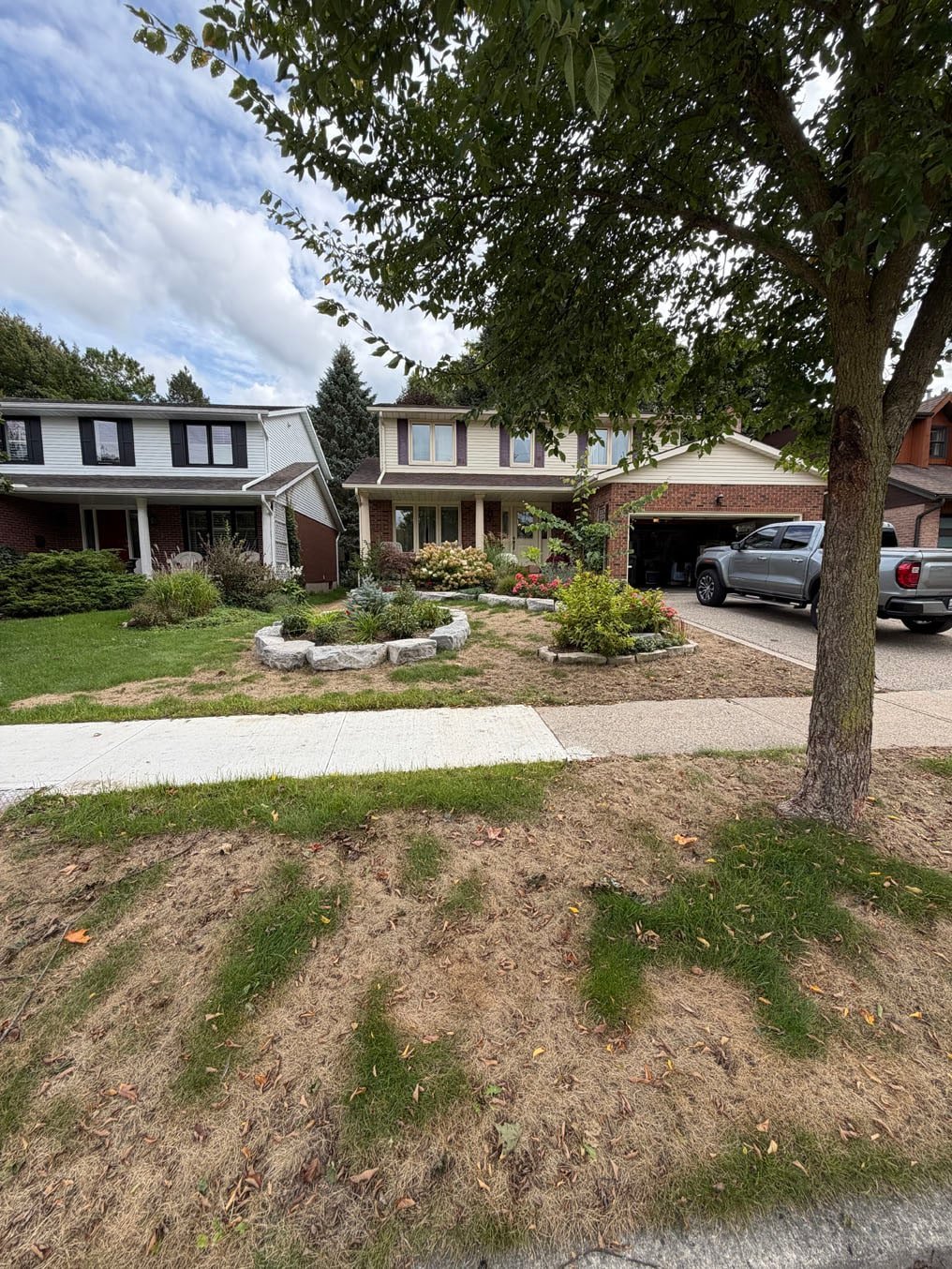
Do not decide too early. A patch that looks dead in March can be green by mid-spring. If you are unsure, Purdue suggests waiting a few more weeks and checking again.
What if snow mold has killed the grass?
If the patches are still brown and matted right down to the soil by May, when the rest of the lawn is green and growing, the crowns are gone. No fungicide or fertilizer will bring that grass back. Ohio State’s advice for turf that has died is to renovate as soon as possible, and you have two ways to do that.
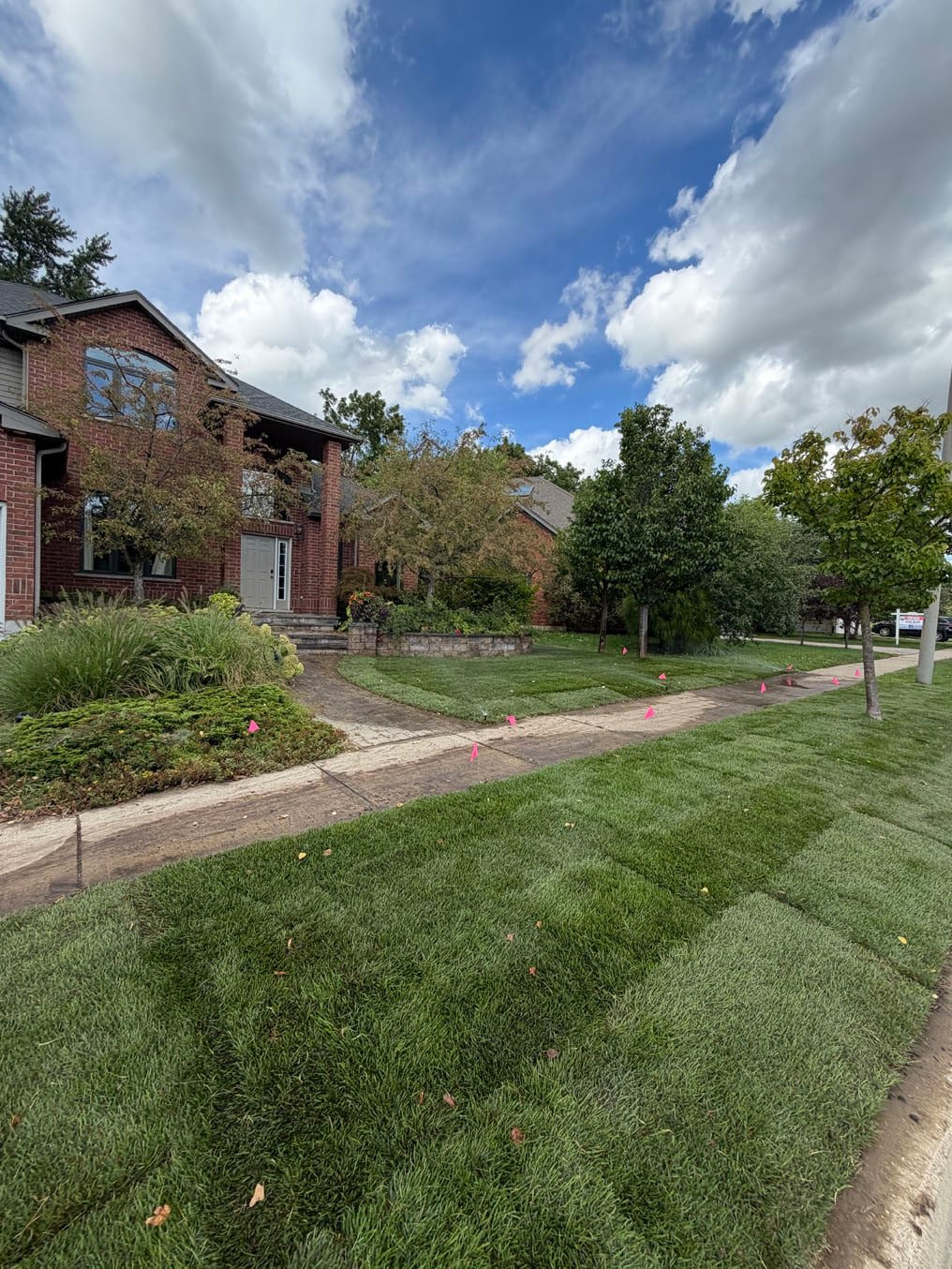
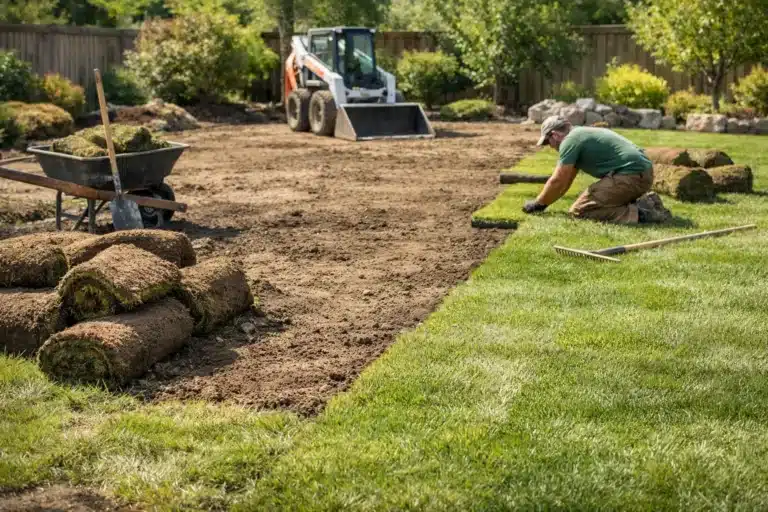
- A few dead patches: cut them out, loosen the soil, bring it level with the lawn around it and lay fresh sod. Our guide to repairing a patchy lawn with sod walks through it, and the Sod Calculator works out how much sod you need.
- Dead zones across the lawn: when snow mold has killed large areas, replacing the lawn is usually the better fix. Large dead zones rarely recover on their own. Right On Sod takes the old lawn out, prepares and grades the soil, and lays farm-fresh Kentucky bluegrass, with a 100% sod warranty. See how lawn replacement works.
How to prevent snow mold next winter
Snow mold is far easier to prevent than to fix, and prevention is mostly fall habits:
- Keep mowing into the fall. Penn State recommends mowing well into the fall, and the University of Saskatchewan says to cut and rake the lawn before the snow arrives, so the grass does not go into winter long and matted.
- Rake up the leaves. A layer of leaves under the snow holds in exactly the cold, wet conditions the fungus likes.
- Go easy on fall fertilizer. Penn State advises only moderate nitrogen in the fall, and the University of Saskatchewan lists fall-fertilized lawns among those most likely to get snow mold.
- Do not pile snow on the lawn. Where you can, shovel and blow snow somewhere else, so it does not sit on the grass in banks that take weeks to melt.
Frequently Asked Questions
What does snow mold look like?
Matted, circular patches that appear as the snow melts. Gray snow mold leaves straw-coloured to greyish-brown patches, sometimes with a grey web of fungus on top. Pink snow mold makes smaller pinkish-orange to brown circles, often with a copper-coloured ring around the edge.
Will snow mold go away on its own?
Usually, yes. In most lawns snow mold kills the leaf blades but not the crowns and roots, so the grass recovers as the weather warms. A light raking once the lawn is dry helps it along. Patches still dead and matted to the soil once the rest of the lawn is growing will not come back and need new sod.
Is snow mold harmful to people?
It is not toxic, but its spores are an allergen and irritant for people with breathing problems. If you are sensitive, wear a dust mask when you rake the patches up.