
A cracked walkway, tired grass, and an overgrown front bed can make a good house look neglected before anyone reaches the door. The best curb appeal upgrades do not need to turn your yard into a magazine spread. They need to make the property look clean, cared for, and easy to own.
For homeowners preparing to sell, finishing a renovation, or simply tired of pulling into a yard that looks rough, the order of operations matters. Start with the largest visual problems, fix what is permanent, then add the details that make the front of the home feel finished.
Best Curb Appeal Upgrades Start From the Ground Up
A front yard is the backdrop for everything else. You can install a beautiful new door, stylish lights, and expensive planters, but a thin lawn with bare dirt around the edges will still pull attention for the wrong reason.
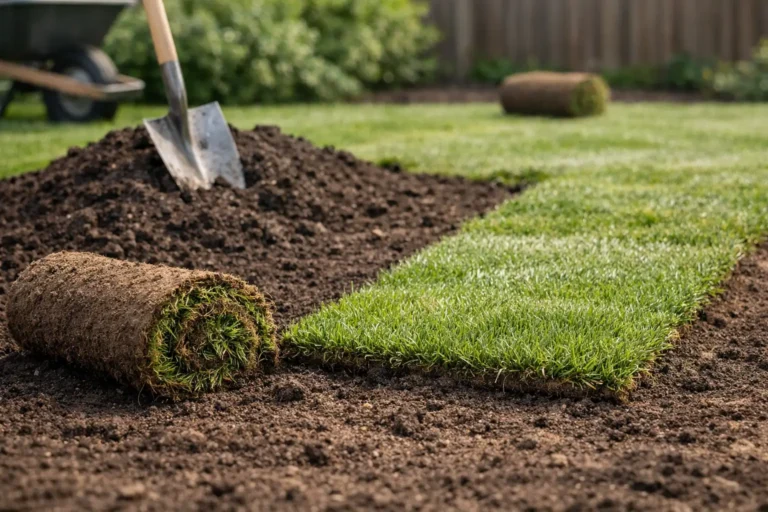
1. Replace a patchy lawn with fresh sod
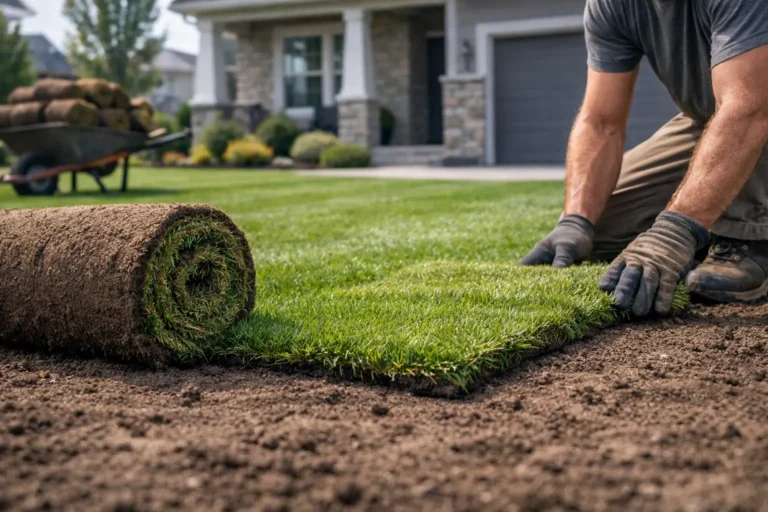
A healthy lawn is one of the fastest ways to make a property look more valuable. It fills the visual space around the house, sharpens the contrast with driveways and garden beds, and makes the entire exterior feel maintained.
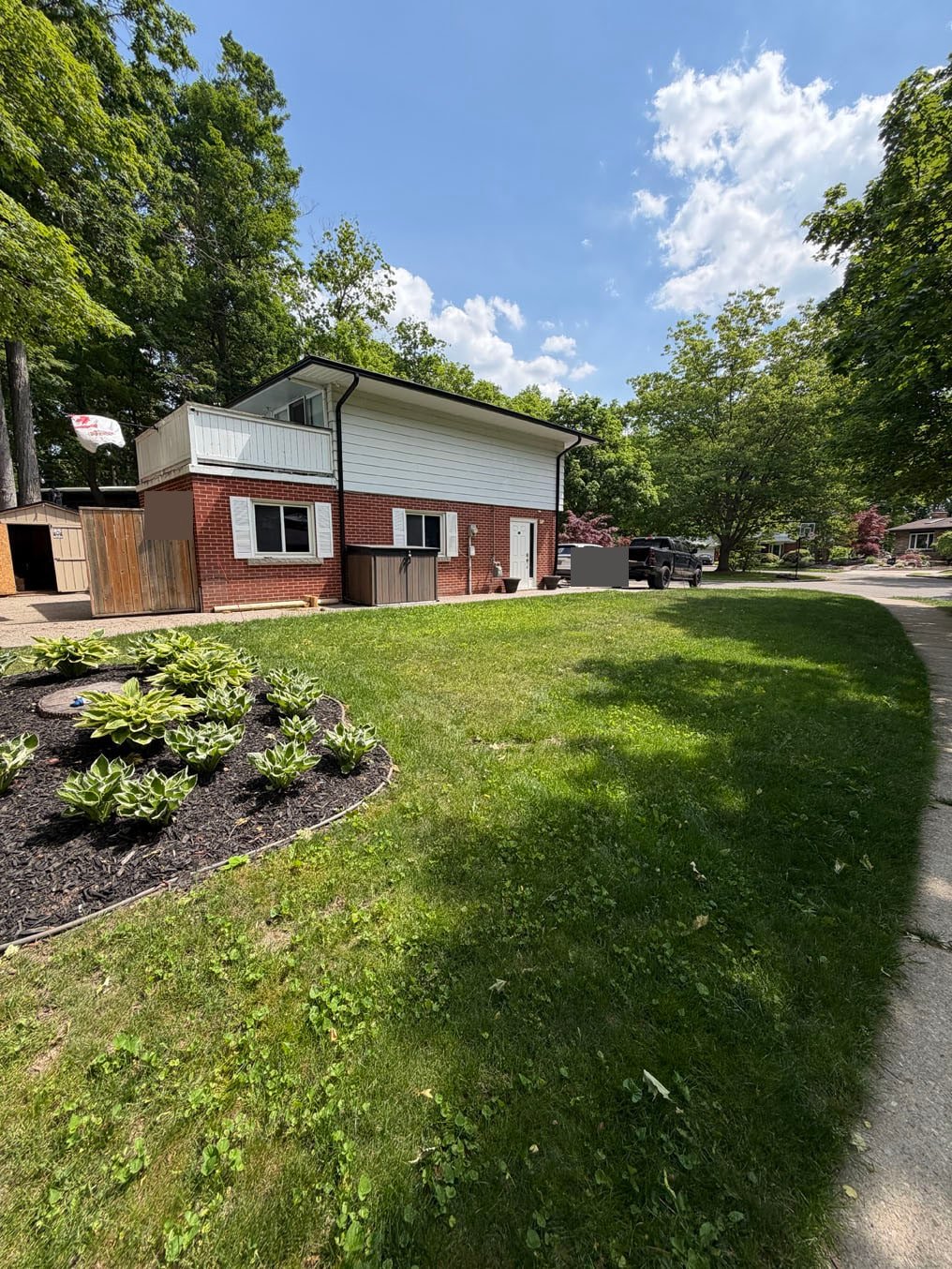
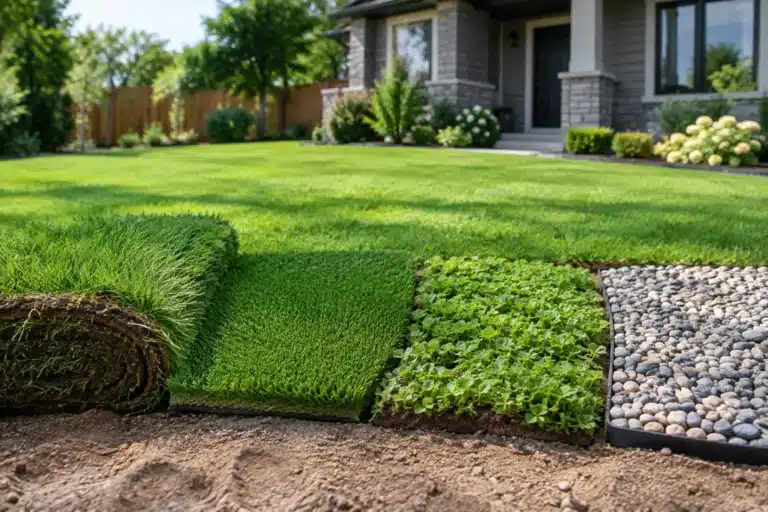
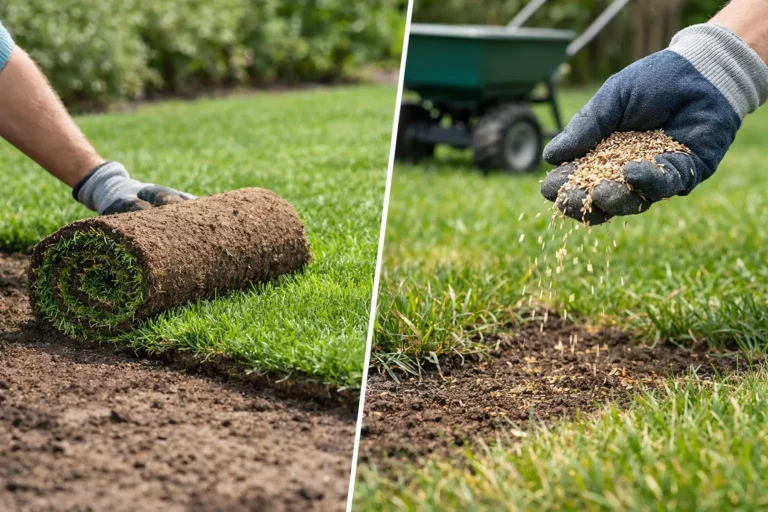
Sod is especially effective when a lawn has widespread weeds, grub damage, compacted soil, construction debris, or large bare areas. Overseeding can work for smaller issues and homeowners with patience. It is not the best answer when the lawn is mostly gone or the soil underneath is working against you.
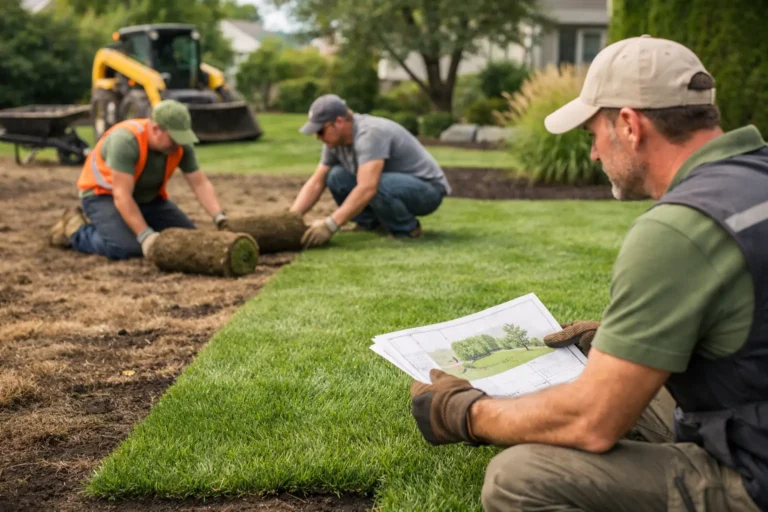
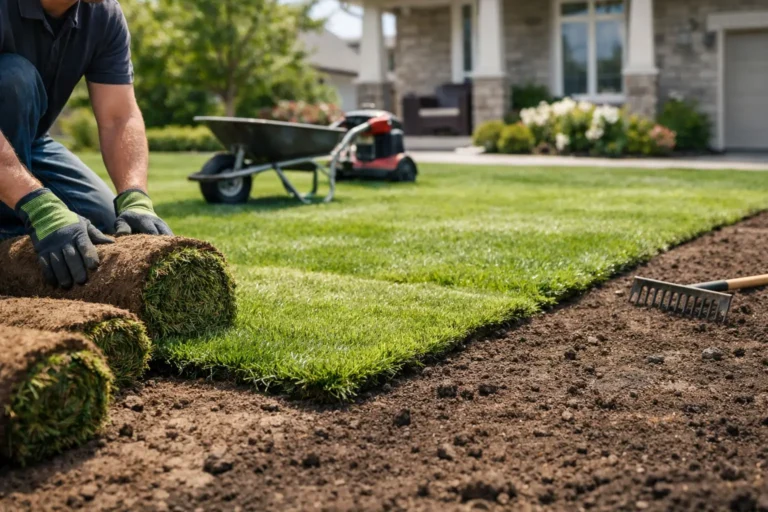
The important part is not just rolling out green grass. Proper grading, soil preparation, and tight seams give sod a real chance to root. A rushed install on poor soil can look great for a week, then become an expensive patchwork problem. Right On Sod focuses on the prep work because the lawn under the sod matters just as much as the sod itself.
2. Correct grading and drainage before beautifying
Water that pools near the front walk, driveway, or foundation is not a cosmetic issue. It creates muddy spots, weak turf, and a front yard that always appears unfinished. In areas with freeze-thaw cycles and heavy rain, small grading mistakes can become noticeable fast.
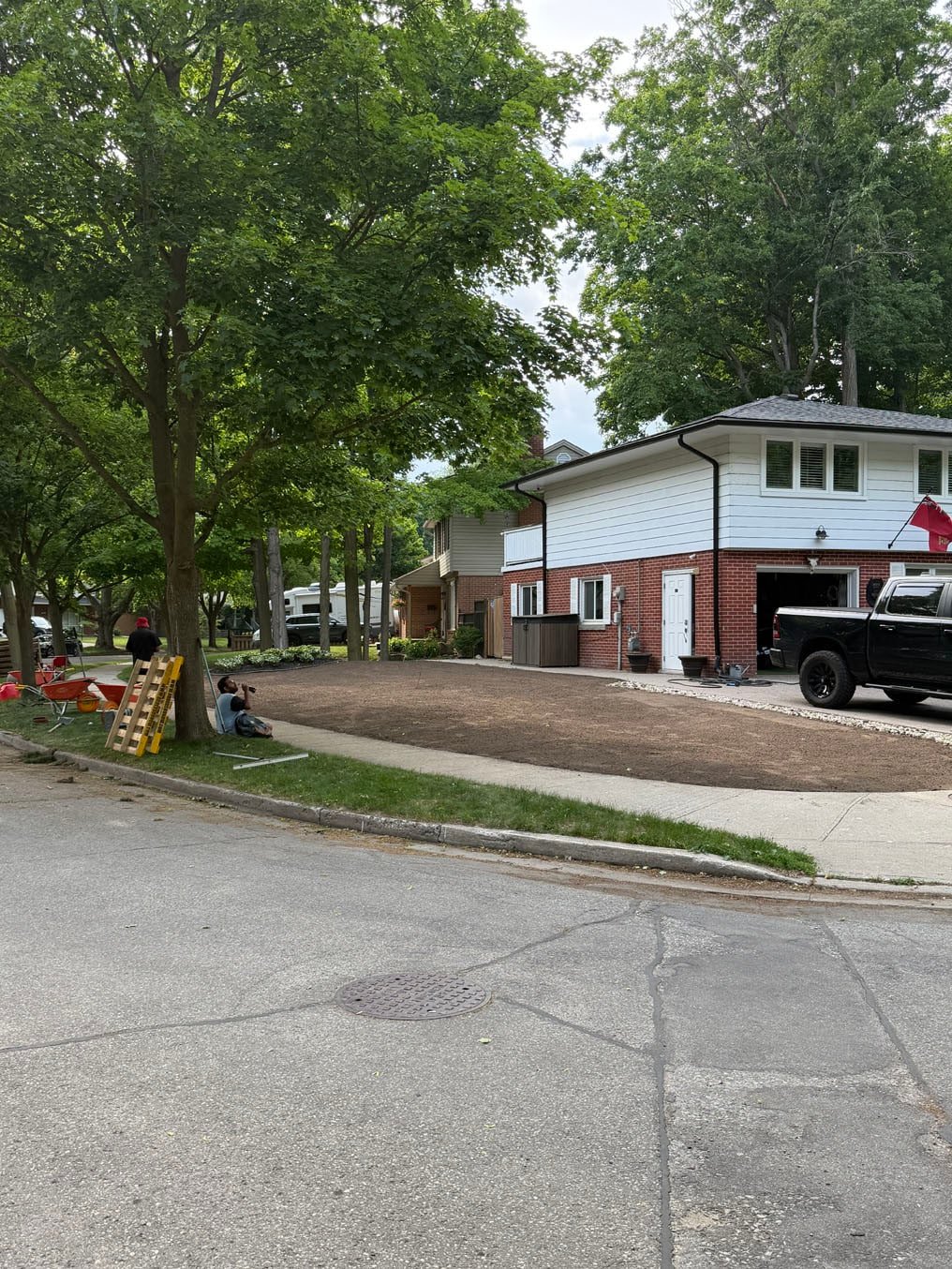
Before adding mulch, plants, or new sod, look at where water goes after a hard rain. The goal is a gentle slope that directs water away from the home while keeping the lawn usable. In some cases, a simple regrade solves the problem. In others, drainage solutions may be needed.
This is not the glamorous part of curb appeal, but it is the part that protects every upgrade that comes after it.
3. Define garden bed edges
Garden beds look better when they have a clear boundary. A crisp edge between lawn and mulch immediately makes the yard feel more organized, even if the plant selection is simple.
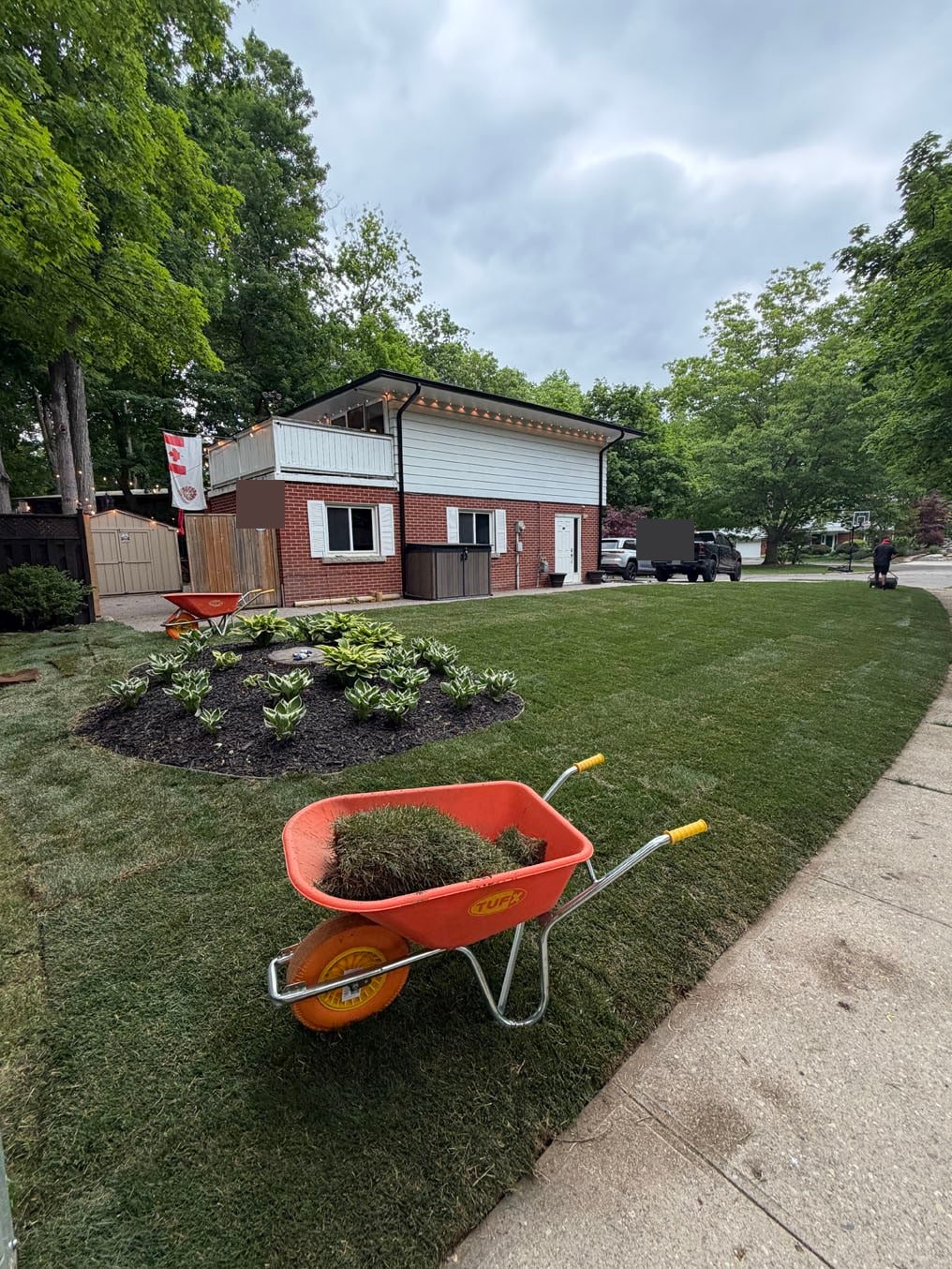
Use a clean spade edge, pavers, or a durable edging material that suits the home. The trade-off is maintenance. Deep natural edges look sharp but need occasional touch-ups. Hard edging lasts longer but can look too busy if it does not match the home’s style.
Keep bed shapes practical. Long, sweeping lines are easier to mow around than fussy curves with tight corners. A clean layout beats an overcrowded one every time.
4. Refresh mulch, but do not bury the yard in it
Fresh mulch brings instant contrast to a front garden bed and makes existing shrubs look intentional. Dark brown or black mulch works well for many homes, while natural mulch can suit a softer, more traditional look.
Apply it evenly, generally a few inches deep, and keep it away from the base of trees, shrubs, and siding. Mulch piled against trunks and stems traps moisture where it should not be. That volcano look is common, but it is not doing your plants any favors.
If your beds are full of aging shrubs that have outgrown the space, mulch alone will not save them. Prune carefully or replace the worst offenders before refreshing the surface.
High-Impact Updates Around the Entrance
Once the lawn and beds look right, the eye naturally moves to the front door. This is where smaller projects can have an outsized effect.
5. Paint or replace the front door
A front door is a focal point, not a background detail. If it is faded, scratched, or dated, a quality repaint can change the entire entry for far less than a full replacement.
Choose a color that works with the brick, siding, and roof rather than chasing whatever is trending online. Black, deep blue, forest green, and warm red can all work well, depending on the home. If the door is warped, poorly insulated, or damaged beyond a clean repair, replacement may be the smarter long-term call.
Do not forget the hardware. A solid handle, working lockset, and readable house numbers make the entrance feel secure and complete.
6. Upgrade exterior lighting for safety and polish
Good lighting helps guests find the door, makes pathways safer, and gives the home a more finished look after sunset. Replace yellowed fixtures, mismatched bulbs, or lights that flicker like they are trying to send a distress signal.
Keep the scale appropriate. Tiny fixtures disappear on a large facade, while oversized lights can overwhelm a narrow entry. Warm white bulbs usually create a more welcoming result than harsh, cool-toned lighting.
Path lights can be useful, but less is often more. You are highlighting the route to the door, not landing aircraft.
7. Make the walkway and driveway look maintained
Pressure washing, weed removal, and crack repair can dramatically improve hard surfaces. A stained driveway or mossy walkway makes a property look older than it is, even when the house itself is well kept.
For major cracking, settling, or broken sections, cosmetic cleaning has limits. Repairing the surface may be the better investment, particularly if it creates a trip hazard. If full replacement is not in the budget, focus on cleaning, edging, and repairing the most visible damage first.
The Details That Make Curb Appeal Feel Intentional
The final layer should support the house, not compete with it. A few well-chosen details go further than a pile of seasonal decor.
8. Use planters with a purpose
Planters near the entry add color and create a clear welcome point. Choose containers large enough to be seen from the street, and use plants that can handle the amount of sun the location receives.
For a low-maintenance look, use a simple mix of upright foliage, flowering plants, and trailing greenery. Water them regularly. Dead plants in expensive pots are not curb appeal. They are evidence.
9. Clean up what is already there
Trim shrubs away from windows and walkways. Remove dead branches, rake leftover leaves, hide visible hoses, and move garbage bins out of the front-yard sightline when possible. These jobs are not exciting, but they are often the difference between a yard that looks cared for and one that looks forgotten.
Take a photo from across the street before you start. It makes clutter, uneven bed lines, and awkward empty spaces easier to spot than when you are standing right beside them.
10. Match upgrades to the home and the neighborhood
The best curb appeal upgrades are not always the most expensive ones. A modest home with a lush lawn, tidy beds, clean concrete, and a fresh front door can look far more inviting than a home loaded with features that do not fit together.
If you are selling soon, prioritize broad appeal and visible maintenance. If you plan to stay for years, spend more on drainage, grading, lawn replacement, and durable hardscape repairs. Those projects may not be flashy on day one, but they keep the property looking better season after season.
Start with one honest question: what is the first thing a visitor notices that needs attention? Fix that before buying another decorative item. A front yard with solid ground preparation, healthy grass, and clean edges gives every other improvement a better place to shine.