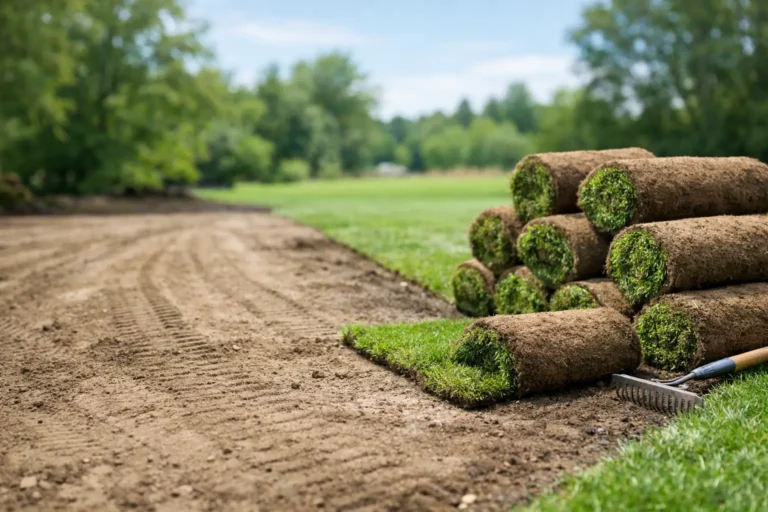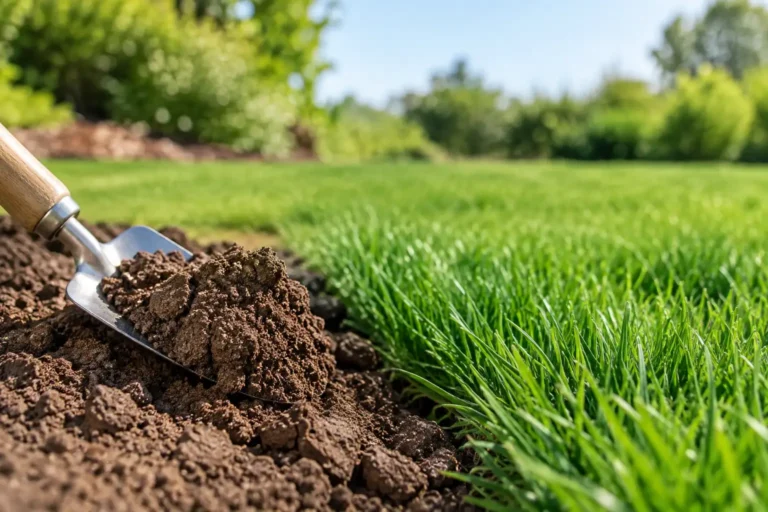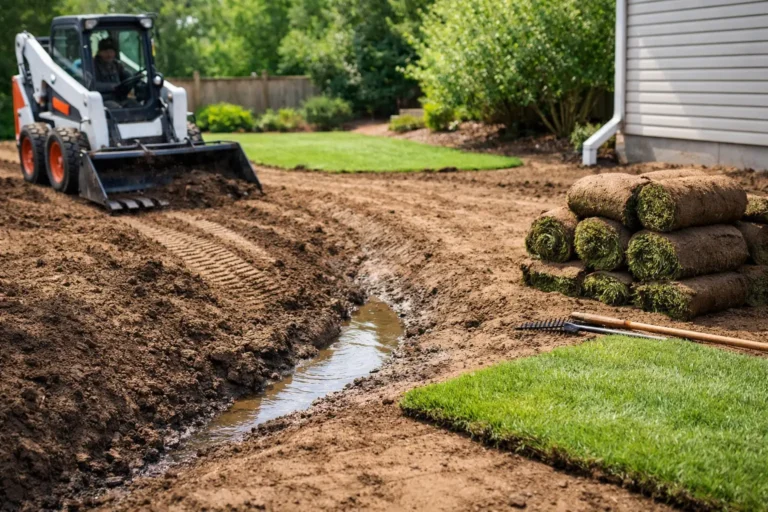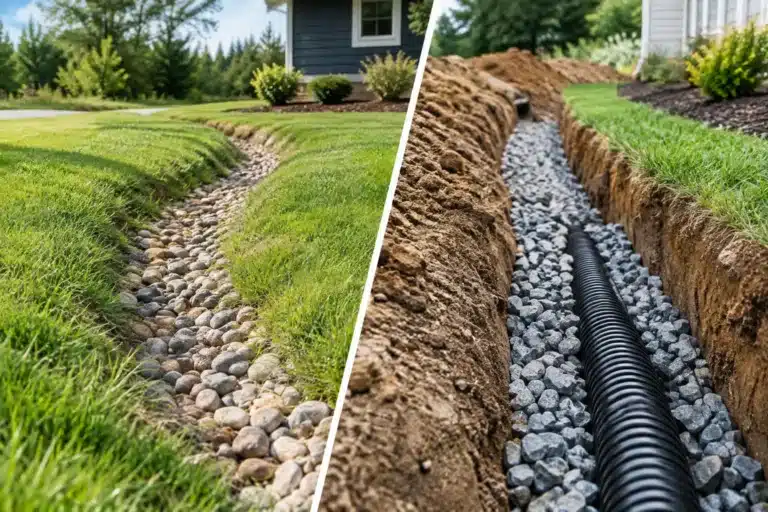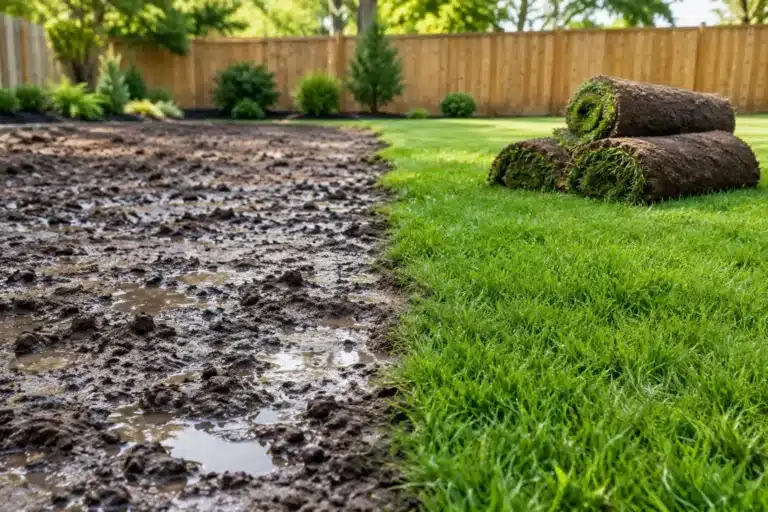

A lawn can look perfectly level, get plenty of water, and still fail because the ground underneath is packed as hard as a driveway. Soil compaction is one of the most common reasons new sod struggles to root, drains poorly, or turns patchy after the first hot stretch of summer. The grass is not always the problem. Often, the soil has been put through the wringer long before the sod arrives.
For homeowners replacing a tired lawn or starting fresh after construction, this matters. Fresh, premium sod gives you an instant visual upgrade, but it still needs loose, healthy soil beneath it to establish a deep root system. Skip that step, and even great sod is fighting uphill from day one.
What Is Soil Compaction?
Soil compaction happens when soil particles are squeezed tightly together. That reduces the pore space between them – the tiny gaps that normally hold air and water. Roots need both. When those gaps disappear, water may puddle on the surface instead of moving through the soil, while grass roots stay shallow and stressed.
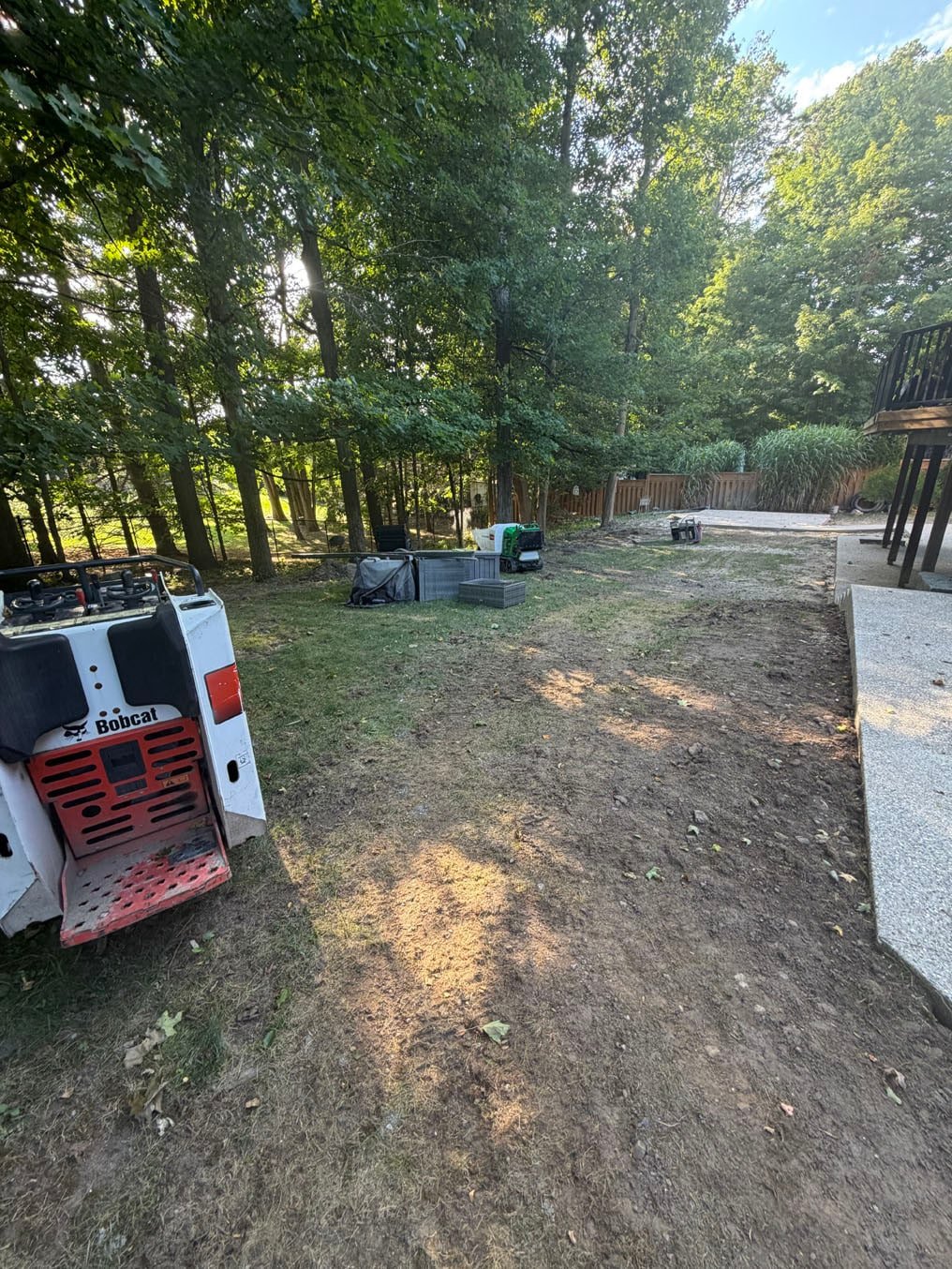
Compacted ground is especially common in yards with heavy clay, repeated foot traffic, parked equipment, or recent building activity. A new home lot may look clean after construction, but trucks, skid steers, material storage, and workers moving across the site can leave the soil dense several inches below the surface.
Clay-heavy ground in the Waterloo Region can be particularly unforgiving. It holds moisture well when managed properly, but it can also become dense, slick, and difficult for roots to penetrate when it is worked wet or compressed by equipment.
Signs Your Lawn Has Compacted Soil
The classic sign is a lawn that looks thirsty even after rain or regular watering. Water sits on the surface, runs toward the sidewalk, or collects in low spots rather than soaking in. You may also notice grass thinning in high-traffic areas, such as along walkways, near gates, or where kids and dogs regularly cut across the yard.
A screwdriver test is a simple first check. Push a long screwdriver into moist soil in several areas of the lawn. In healthy, prepared soil, it should slide in with reasonable pressure. If it stops after an inch or two in multiple places, compaction may be part of the problem.
Other clues include weak root growth when you lift a corner of sod, bare patches that keep returning, and grass that browns quickly during dry weather. None of these signs proves compaction by itself. Grubs, poor grading, inadequate watering, and disease can create similar symptoms. But when drainage and rooting are both poor, packed soil deserves a close look.
Why Compaction Is Rough on New Sod
New sod needs frequent watering during its first weeks, but it also needs oxygen around the roots. Compacted soil creates a bad combination: water can stay near the top while the root zone remains air-starved. The sod may look green at installation, then begin shrinking at seams, yellowing, or pulling up easily because roots have not moved into the native soil.
The trade-off is that more water is not automatically the answer. Overwatering a compacted lawn can make the situation worse by keeping the surface saturated and encouraging shallow roots. On the other hand, watering too little prevents the sod from knitting into the soil. The goal is steady moisture during establishment, followed by a transition to deeper, less frequent watering once rooting begins.
Compaction also magnifies grading problems. If the yard pitches toward the house, has low pockets, or lacks a path for excess water, dense soil keeps that water from moving where it should. No amount of fertilizer can fix a lawn sitting on a poorly prepared, poorly drained base. Fertilizer is lunch. Soil preparation is the foundation.
When Aeration Can Help – and When It Cannot
Core aeration is often the first solution people hear about, and it can be useful for an established lawn with mild to moderate surface compaction. A core aerator removes small plugs of soil, creating channels for air, water, and roots. It is most effective when the lawn is actively growing and the soil is moist but not soggy.
For an existing cool-season lawn, early fall is generally an excellent time to aerate. Spring can work too, though spring aeration may also stir up weed seeds and is not always ideal for a lawn already dealing with heavy moisture.
Aeration has limits. It will not correct severe compaction caused by construction equipment, fix a badly graded yard, remove buried debris, or improve a thin layer of topsoil sitting over hard subsoil. It also cannot rescue sod that was installed on an unprepared surface and never rooted properly. In those cases, the better answer may be to remove the failed turf, address the base, and start again.
Avoid aerating when the soil is bone dry or waterlogged. Dry ground is difficult to penetrate, while wet clay can smear and compact further under equipment. This is one of those jobs where timing matters more than people think.
Fixing Compaction Before a Sod Installation
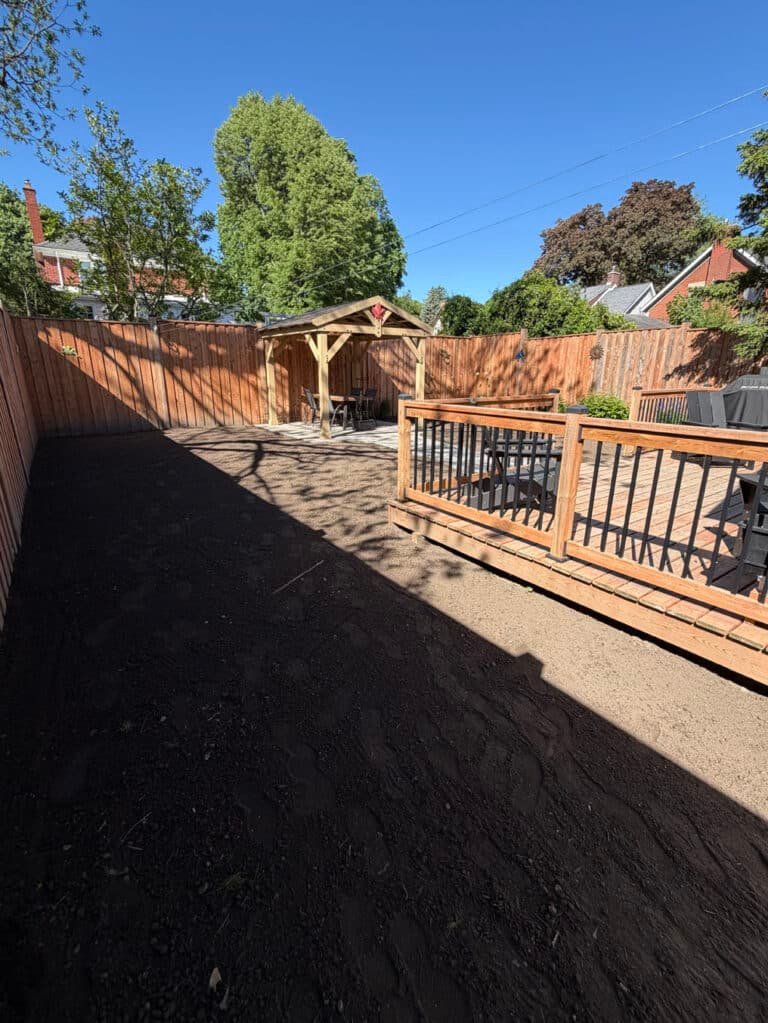
The best time to deal with compacted soil is before sod goes down. Once a lawn is installed, access becomes more limited and every repair is more disruptive. Proper preparation starts with evaluating the existing grade, drainage pattern, and soil condition rather than simply rolling out green squares over whatever is there.
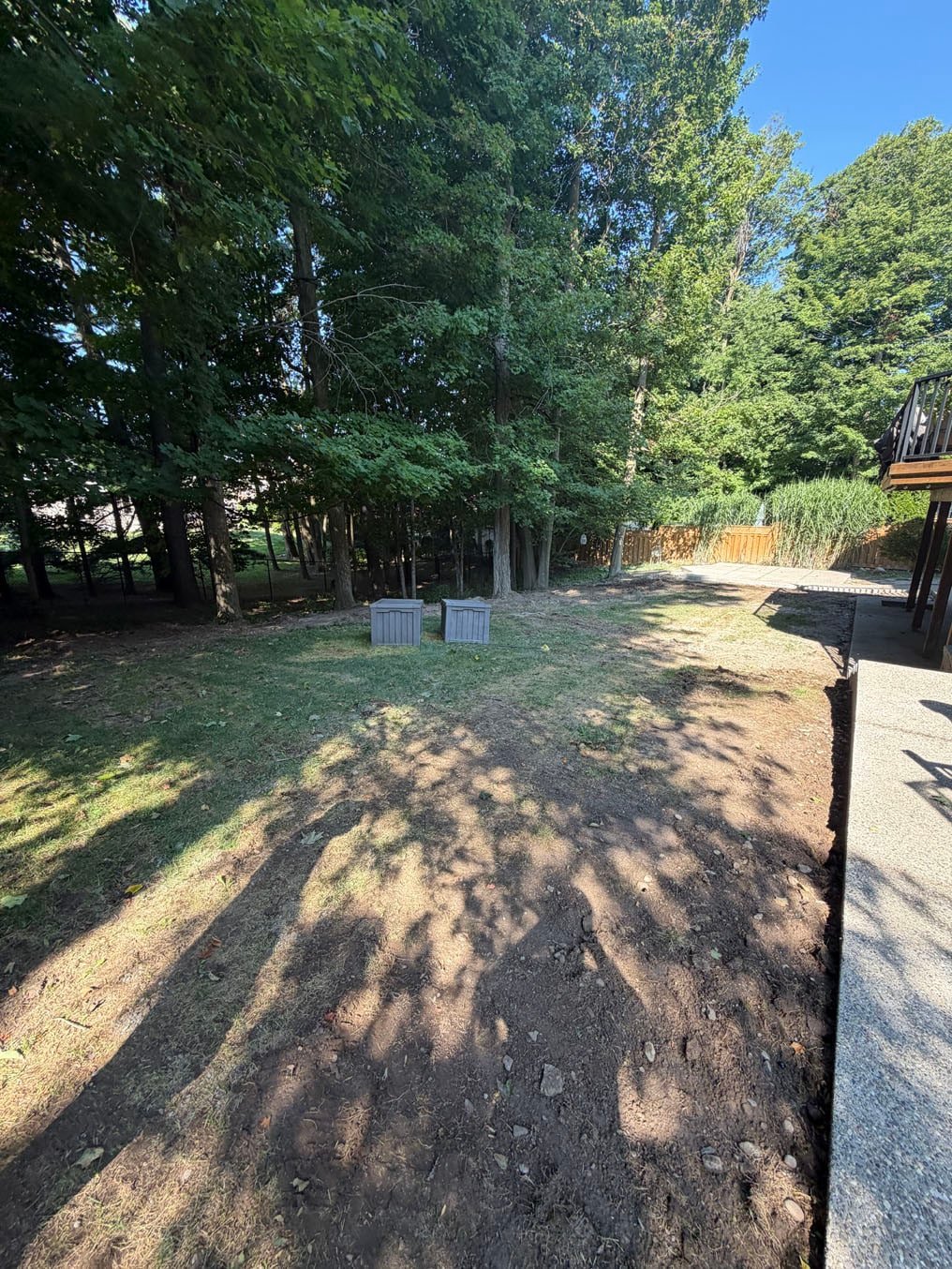
For a lawn replacement or a bare new lot, the process often includes removing old turf and debris, loosening compacted areas to the needed depth, reshaping the grade, and adding quality screened topsoil where necessary. The soil should be worked enough to create a usable root zone, but not pulverized into powder or repeatedly driven over afterward. There is no point fluffing up the soil if heavy machinery packs it right back down before installation.
The finish grade matters just as much. Water should move away from the foundation and avoid settling in the middle of the lawn. That does not mean every yard needs to look like a ski hill. It means the grade should have intentional, subtle movement that supports drainage while remaining practical for mowing and everyday use.
Before sod is laid, the surface should be smooth, firm enough to walk on without deep footprints, and loose enough beneath the surface for roots to move downward. That balance is the difference between proper soil preparation and a yard that gets rolled flat for the sake of appearances.
How to Protect Your Lawn From Future Compaction
After installation, keep heavy vehicles, dumpsters, and repeated equipment traffic off the lawn whenever possible. One delivery truck crossing a wet lawn can undo a lot of careful prep. If work must happen in the yard, ask contractors to use designated access routes or protective mats.
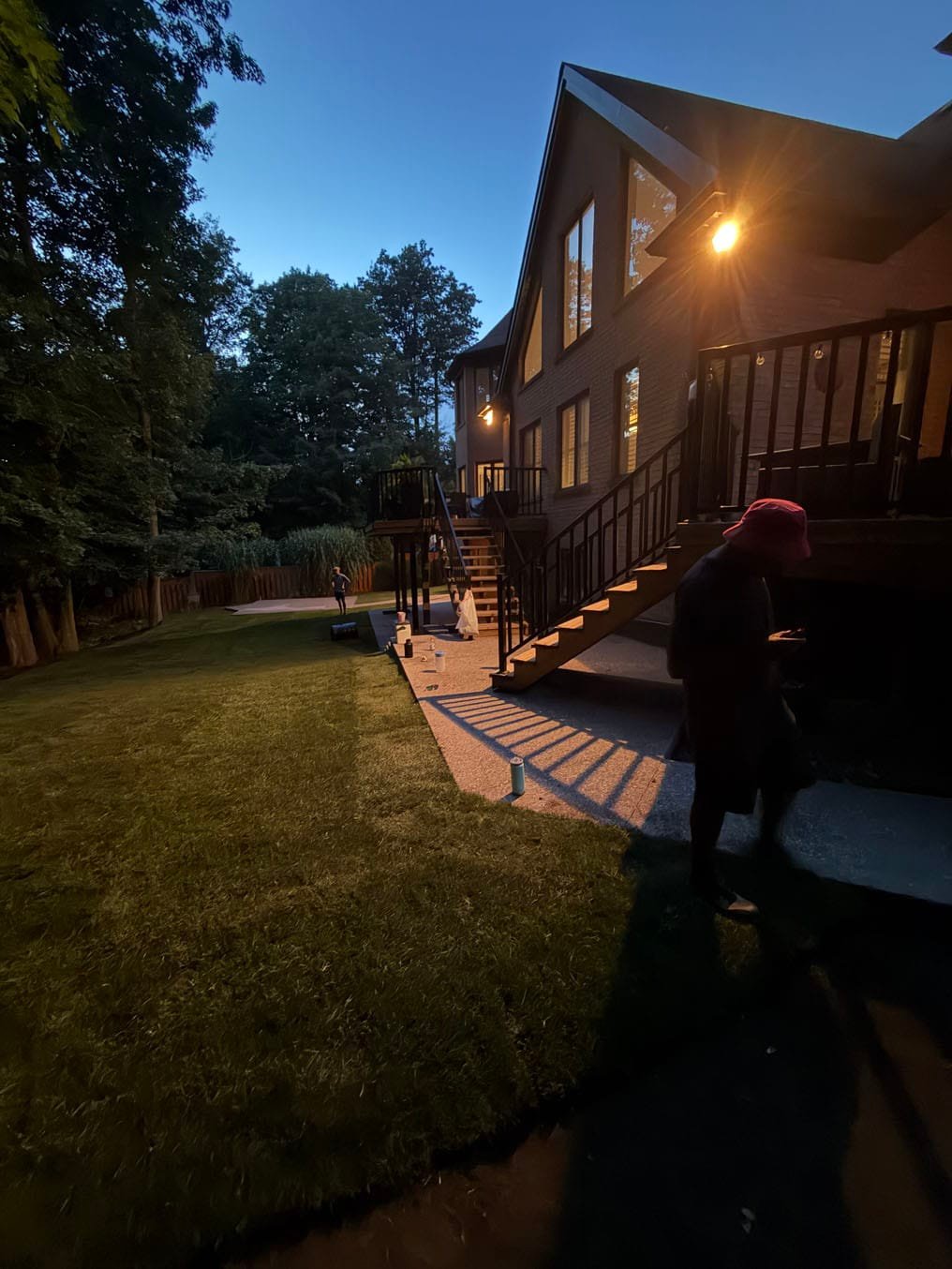
Do not mow when the lawn is saturated, particularly if you have a heavy riding mower. Keep foot traffic off newly installed sod until it has rooted in, usually after the initial establishment period. If a certain path gets constant use, consider a walkway, stepping stones, or a better route rather than expecting grass to survive a daily stampede.
Organic matter also helps over time. Leaving small grass clippings on the lawn, using compost appropriately during renovations, and maintaining healthy turf all support better soil structure. These are gradual improvements, not magic tricks. A few bags of compost cannot solve a construction-compacted yard, but good maintenance can keep a properly prepared lawn from sliding backward.
Know When the Problem Is Below the Grass
A patchy lawn is easy to blame on bad seed, bad sod, or bad luck. Sometimes it is grubs. Sometimes it is shade. But if water pools, roots stay shallow, and the same areas fail year after year, the problem may be under your feet.
Before investing in a new lawn, make sure the ground is ready to support one. A properly prepared base gives sod the air, drainage, and rooting depth it needs to earn that fresh-cut look for more than one season. When the soil is right, the rest of the lawn has a fighting chance – and that is a much better bet than hoping grass can grow through concrete in disguise.