

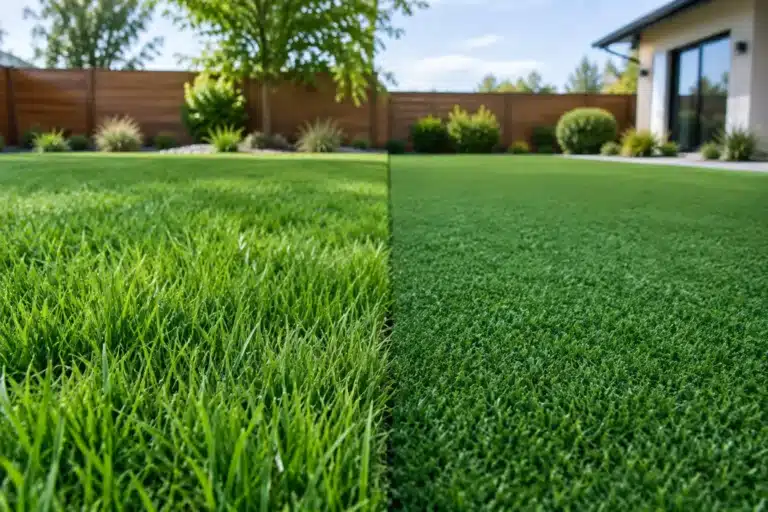
A bare, patchy yard can make an otherwise great home look unfinished. Seed can work, but it asks for patience, ideal weather, and a little luck. The top benefits of sod are simple: it gives your property a finished look right away while providing a dense, established grass surface that can start rooting into prepared soil almost immediately.
For homeowners dealing with construction damage, grub-destroyed turf, poor grass coverage, or a lawn that has simply had enough, sod is often the fastest route back to a yard you actually want to look at. The key word is prepared. Good sod is only half the job. Proper grading, soil preparation, and installation are what turn green rolls into a lawn built to last.
The Top Benefits of Sod for Homeowners
Instant curb appeal without the long wait
The most obvious benefit of sod is the immediate transformation. A fresh sod installation can take a rough, muddy, or weed-filled yard and make it look clean, green, and complete in a single day. That matters when you have just moved into a new build, are getting ready to sell, or are tired of explaining why your front lawn looks like a science experiment.
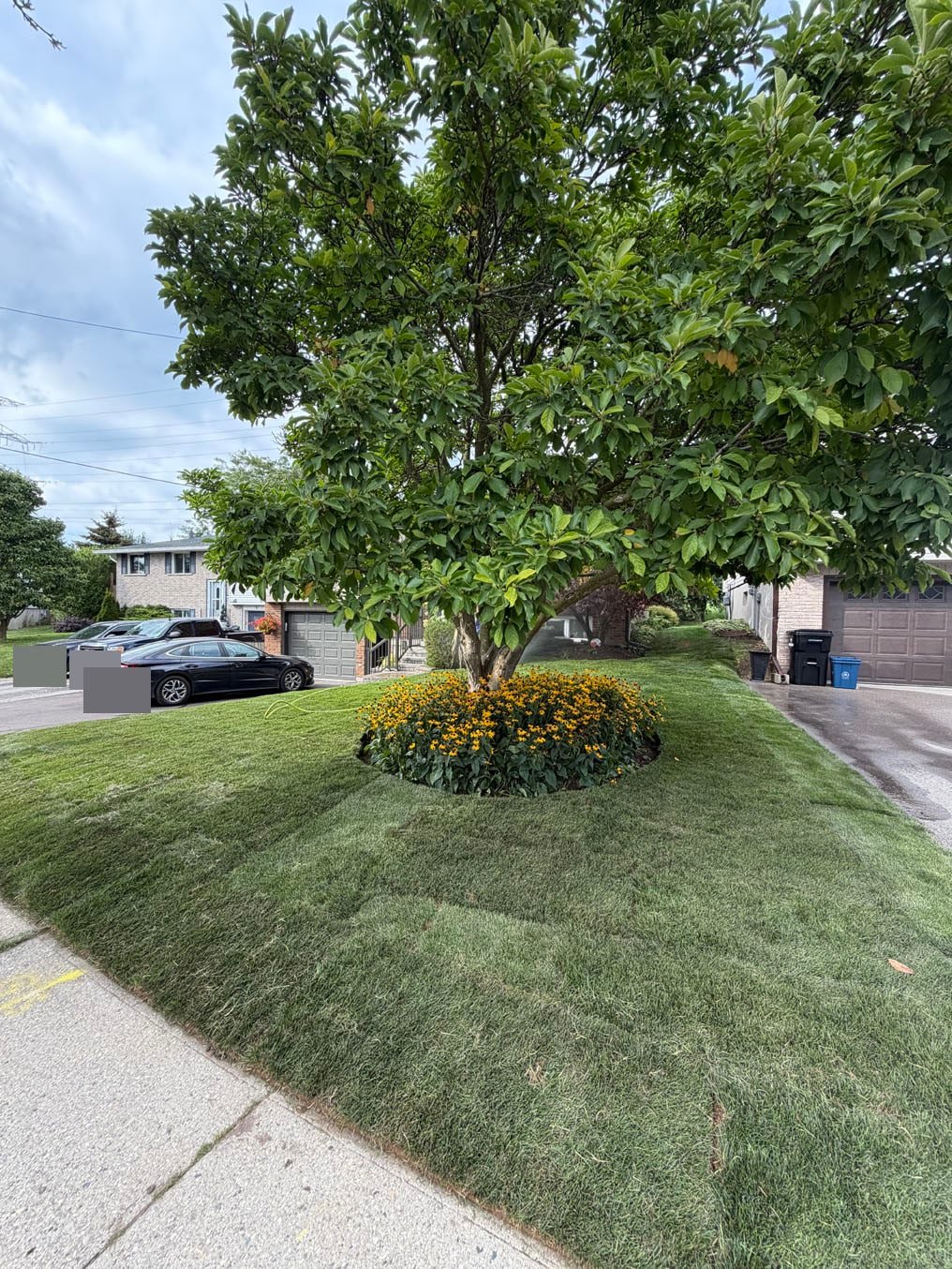
Seeded lawns can take weeks to fill in and months to look consistent. During that time, rain can wash seed away, birds can help themselves, and weeds can move in before the grass gets established. Sod arrives as mature turf, so it creates a uniform surface from day one. For most properties, that is what an instant green lawn solution actually looks like.
That does not mean you can host a backyard football tournament that afternoon. An instant lawn is instant to look at, not to use: fresh sod needs time to root before it handles regular traffic. But the visual difference is immediate, and that is hard to beat.
Better weed resistance from the start
A thick lawn is one of the best natural defences against weeds. When sod is installed tightly and watered correctly, it covers the soil quickly, leaving fewer open areas where weed seeds can germinate.
With seeding, bare soil stays exposed longer. That gives crabgrass, dandelions, clover, and other opportunistic weeds a head start. You may still see the occasional weed in a sod lawn, because wind, birds, and neighbouring lawns keep bringing seed in, but dense turf makes weed management much easier than trying to rescue a thin, struggling lawn.
Starting with sod also spares you a diagnostic headache. With a seeded lawn, you can end up trying to work out whether thin areas are caused by poor germination, washout, pests, or weeds. With sod, you begin with coverage and can focus on helping it root.
Fast erosion control on slopes and bare lots
Bare soil is vulnerable soil. Heavy rain can move topsoil, create ruts, and carry sediment into walkways, driveways, and drainage areas. This is especially common around new homes, after landscaping projects, and on yards with slopes.
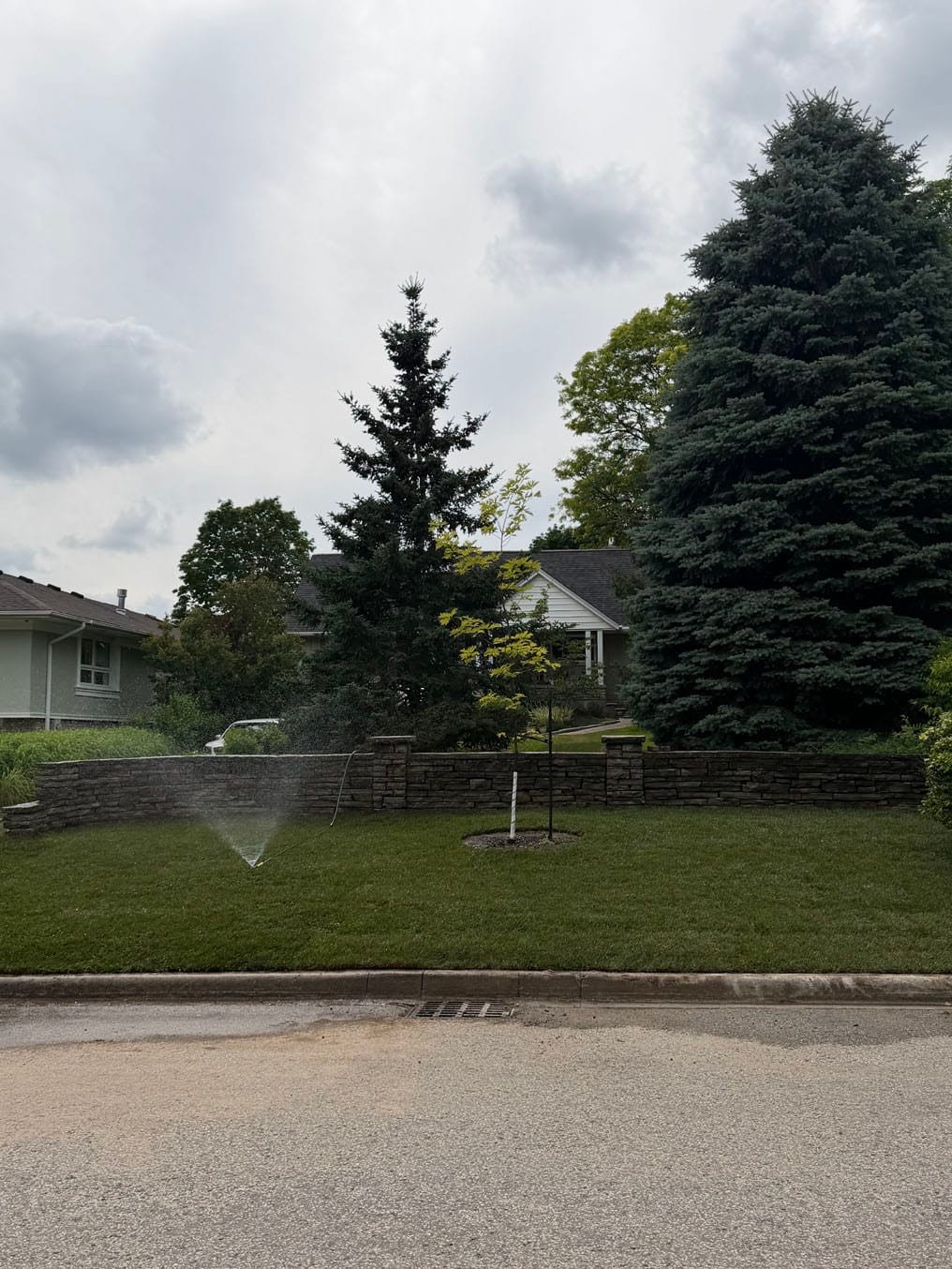
Sod provides quick coverage that helps hold the surface together. Its mature grass blades soften rainfall impact, while new roots begin connecting the sod to the soil below. For properties where water has been cutting channels through the yard, installing sod after correcting the grading can be a practical part of the solution.
It depends on the slope and the drainage issue, of course. Sod will not solve water that is being directed toward the house, pooling against a foundation, or flowing in from an uphill property. Grass is tough. It is not a sump pump.
A more usable yard sooner
A lawn is not just something to mow. It is where kids play, dogs patrol the fence line, patio furniture gets moved around, and people gather when the weather is good. Sod helps you get to that point faster than seed.
A newly sodded lawn usually needs a few weeks of gentle treatment while roots establish. After the turf has rooted, it becomes a functional lawn much sooner than a newly seeded yard that is still thin and delicate.
For families, builders, and property managers working on a schedule, that shorter runway matters. You are not staring at dirt all season hoping it becomes grass before the next big event or tenant move-in.
Consistent colour and texture
Quality sod is grown under controlled conditions on a turf farm and harvested as a dense, uniform crop. That gives homeowners a more consistent lawn in colour, density, and texture than a typical seed project, especially one started in difficult conditions.
This matters for front yards and visible commercial spaces, where a thin or uneven lawn can make the whole property feel neglected. A uniform turf surface frames gardens, walkways, exterior finishes, and outdoor living areas better than scattered patches of grass ever will. The lawn does not need months to prove it can fill in. The coverage is already there.
Sod Can Improve Property Value and First Impressions
Landscaping will not replace a new roof or renovated kitchen when it comes to property value, but curb appeal absolutely affects first impressions. A healthy lawn tells visitors, buyers, tenants, and neighbours that the property is cared for.
For homeowners preparing to list, fresh sod can help a yard photograph better and make the exterior feel finished before anyone walks through the door. For new-home buyers, it turns a dirt lot into a home. For commercial properties, it helps the site look maintained, occupied, and ready for use without asking visitors to navigate dust, mud, or dead grass at the entrance.
The financial payoff depends on the property, the condition of the existing lawn, and the quality of the installation. Still, compared with many larger exterior projects, sod can deliver a highly visible improvement quickly. There is value in an upgrade people can see from the street.
When a Full Lawn Replacement Makes the Most Sense
Some lawns are too far gone for patch repairs to be worth the effort. If your yard has widespread grub damage, large dead sections, severe weed takeover, or major unevenness, a full tear-out and replacement can be the cleaner, more cost-effective path. It also eliminates the awkward mix of grass types that develops over years of spot repairs. If one part of the yard is coarse, another is thin, and the rest is mostly weeds, a full reset beats endless patching.
In those cases, the goal is not just to cover bare soil. It is to rebuild a healthy surface quickly, before weeds move in and before rain turns weak areas into mud. The same goes for major renovation work: if contractors have left ruts, bare soil, and a compacted mess behind, trying to seed into that surface often drags the project out. Fresh sod over properly prepared ground gives you a finished landscape faster and with fewer headaches.
How to tell if your yard is a good candidate
Most yards are good candidates for sod. What changes from one to the next is not whether sod can work but how much prep is needed to make it work properly. A flat backyard with decent soil is one kind of project. A front lawn with slope issues, poor drainage, and old turf to remove is another. Shaded spaces and dog traffic affect how the job should be approached too.
Farm Fresh Sod Benefits: Why Freshness Changes the Result
A roll of sod can look great on delivery day and still struggle a few weeks later if it has been cut, stacked, hauled, and left waiting too long. Sod is a living product. Once it is harvested, the clock starts: from the minute it is cut, it begins losing access to the water and nutrients it had in the field.
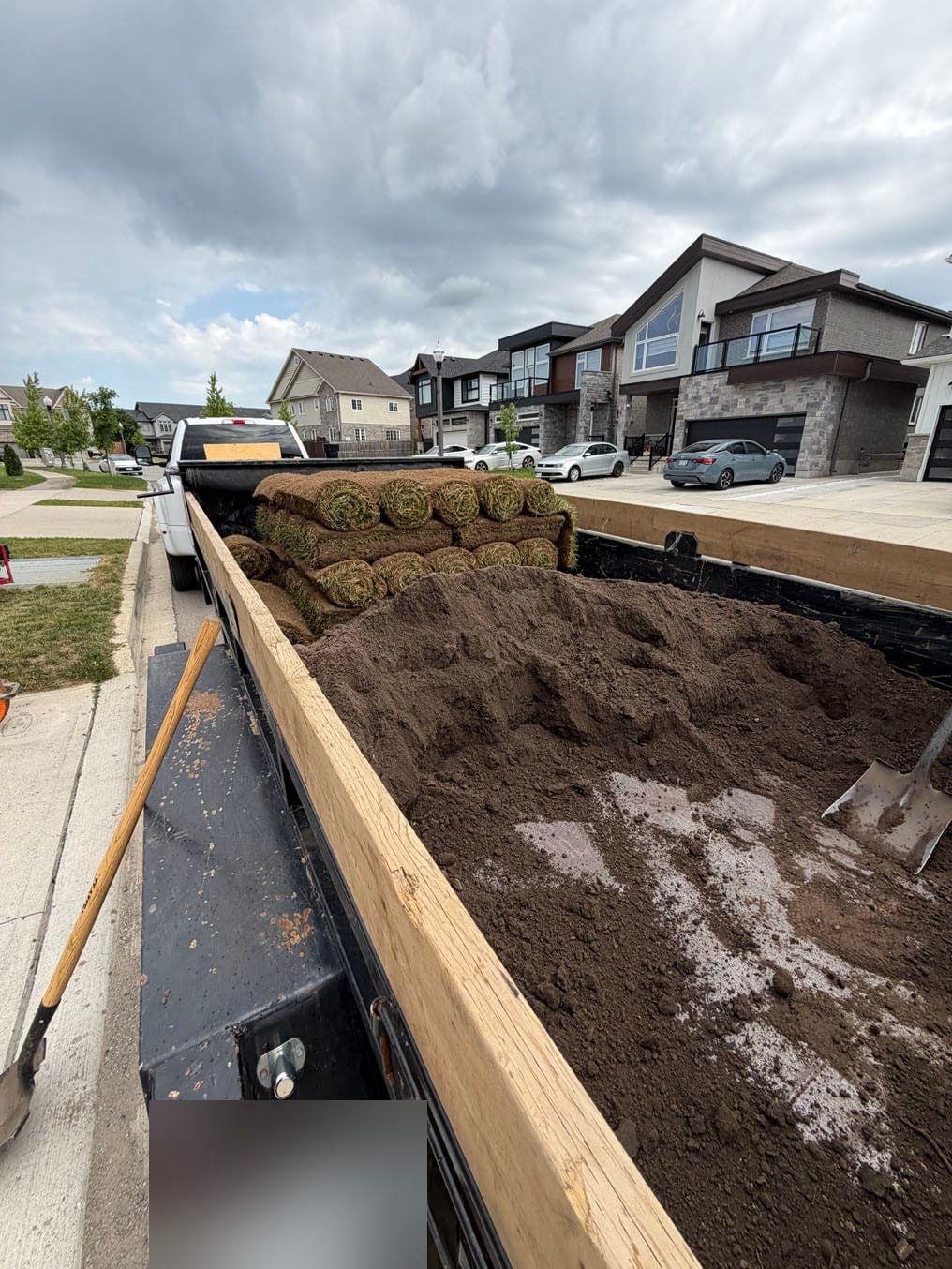
When sod sits rolled up for too long, especially in warm weather, heat builds inside the rolls. The grass can yellow, roots can weaken, and the turf may develop an unpleasant fermented smell. That is not a great start for a new lawn. Farm fresh sod benefits come from shortening that wait, so the grass arrives alive, hydrated, and ready to make contact with prepared soil.
Fresh sod also carries moisture in the soil layer attached to its roots. That moisture is valuable during the first critical days after installation, when the turf has to transition from the farm field to your yard. It is not a substitute for watering, but it gives the grass a much better starting position, and less stress at installation means less recovery work later.
In practical terms, fresh sod lays flatter, holds its colour more consistently, and its blades stand up better. For builders and property managers, it helps reduce callbacks, patching, and the uneven finish that shows up when older rolls dry out or shrink. Bigger jobs take longer to lay, so there is more risk when the material is not handled well, which is why commercial properties, builder lots, and full residential tear-outs benefit from sod that arrives in installation-ready condition. Sod gives you the instant transformation; fresher sod gives you a better chance of keeping it.
What good sod delivery looks like
The best results come from coordination, not guesswork. Farm fresh sod delivery should be scheduled close to the installation window, not dropped off early and left baking on a driveway for hours or days. The site should already be graded and ready so the crew can begin laying immediately. Every delay puts stress on the turf, and in warm weather the timing gets tighter.
A professional process usually includes checking access for the delivery, planning where the pallets will go, keeping the time sod sits stacked to a minimum, and laying it in a pattern that keeps seams tight. Those details sound small, but they shape the final appearance of the lawn and how well it establishes.
Why Sod Is Only as Good as Its Foundation
The benefits of sod are real, but a lot of lawn problems are not really grass problems. They are grading problems, soil problems, or drainage problems that show up through the grass. Premium turf cannot compensate for any of them: laying it over a bad base is like putting fresh paint on a cracked wall. It looks better for a minute, then the underlying problem gets its turn.
Before sod goes down, the site should be evaluated for drainage, compacted soil, low spots, debris, old turf, and grade, along with the final height needed around walkways, patios, and driveways. On a lawn replacement, that can mean removing the existing grass and weeds and correcting the soil level. The site often needs grading to create a smooth, properly pitched surface, and soil may need to be loosened, improved, or topped up so the new roots can move down instead of fighting their way through a hard layer.
In Kitchener, Waterloo, and Cambridge, lawns commonly deal with heavy clay, construction fill, uneven settlement, and wet spots that show up after a good storm. Add spring saturation, summer heat, and freeze-thaw cycles that expose grading problems quickly, and it is clear that installation has to be done with local conditions in mind. Newer builds are a common case: the soil is often badly compacted by construction traffic, littered with builder debris, or thin on topsoil. Those conditions restrict rooting and have to be addressed before the first roll goes down.
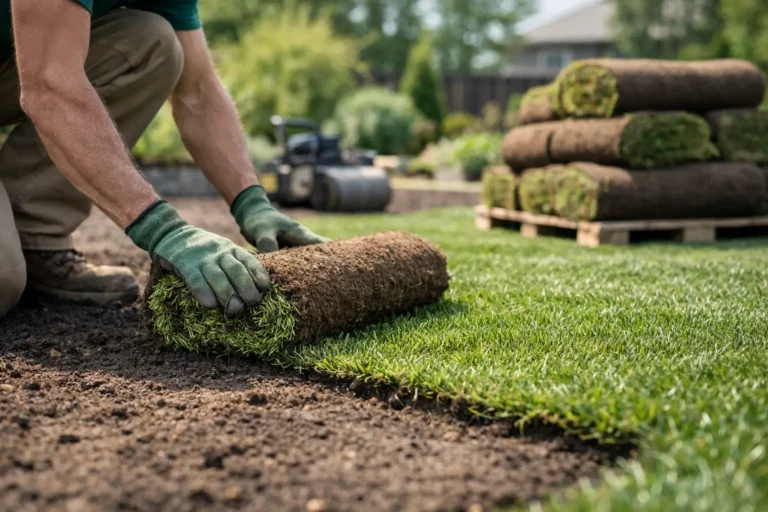
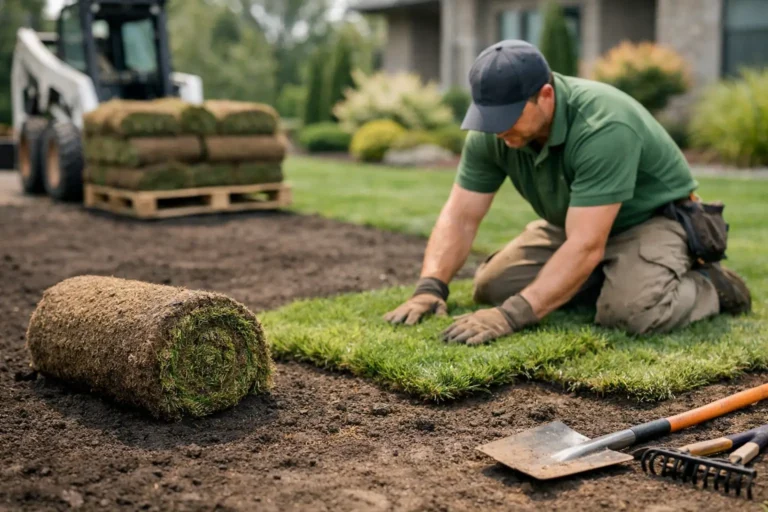
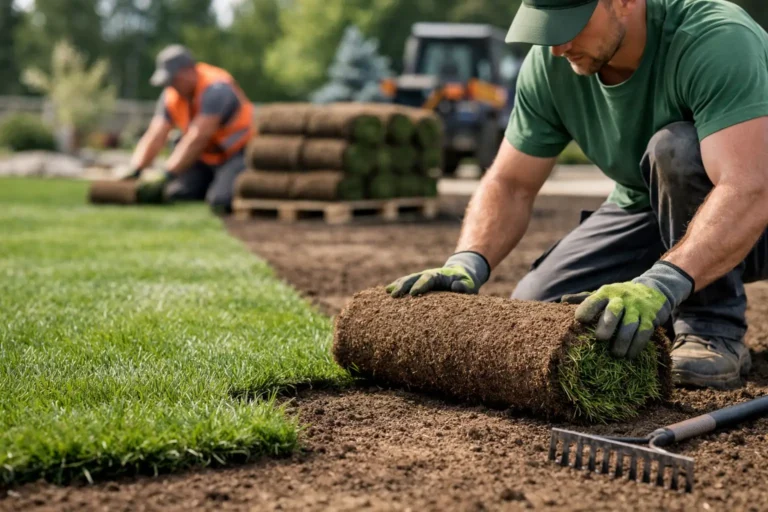
The sod itself should be laid tightly, with staggered seams and good contact against the prepared soil, then rolled and watered thoroughly. Gaps dry out. Raised edges dry out. Sod installed over lumpy ground can leave a bumpy lawn that is no fun to mow and even less fun to walk on barefoot.
Drainage is not a detail
If water pools after rain, the answer is not to cover the puddle with sod and hope for the best. Standing water weakens roots and can lead to thin turf, disease, and muddy spots. A yard that stays soggy may need grading correction before new sod goes down so surface water is guided away from the house.
Likewise, a lawn that dries out unusually fast may need soil improvement, not just more watering. Good sod installation looks at the whole growing environment rather than the grass alone.
When to Install Sod in Ontario
Sod can be installed through much of the growing season as long as the ground is workable and watering is managed. Spring and fall are often easier on new turf because temperatures are milder and rainfall can be more reliable. Summer installation can still produce excellent results, but it demands more disciplined watering. If you will be away for a week, a hot, dry stretch is poor timing unless someone can handle the watering. Late fall can work too, depending on weather and site conditions, though rooting slows as temperatures drop.
Fresh sod is time-sensitive, so scheduling matters. During peak season, the best install dates fill quickly, heavy rain can delay grading, and high heat can tighten the install window. None of that means the job should be rushed. The best installation date is not always the first open date. It is the date when the site is prepared, the sod is fresh, and the lawn can receive the care it needs afterward.
What Sod Requires After Installation
Sod is fast, not maintenance-free. The first few weeks decide whether it roots well or becomes an expensive green carpet with an attitude.
Watering is the priority. New sod needs consistent moisture so the roots can grow into the soil below, and the exact schedule changes with temperature, sun exposure, rain, soil type, and wind. The goal is simple: water deeply enough to moisten the soil beneath the sod without creating standing water. A quick sprinkle that only wets the grass blades will not do much for the roots. Lift a corner occasionally. If the underside is drying out, it needs more water.
A good installation crew will water the sod as it goes in when conditions call for it, then give you watering instructions based on the weather and soil. Letting the sod dry out during the first week is one of the quickest ways to turn a premium lawn into a patchwork project.
Keep foot traffic light and do not let pets tear up soft seams. Do not mow until the sod has rooted enough that it resists a gentle lift at the edge, then use a sharp blade and avoid cutting too short or removing too much at once. Fertilizer can support establishment when used at the right time, but piling on products is not a substitute for water, soil preparation, or good drainage.
If grubs caused the original lawn damage, treat the underlying pest issue as part of the replacement plan. Otherwise, you may be serving up a fresh lawn buffet to the same problem that wrecked the last one.
When Seed Might Be the Better Choice
Sod is not automatically the right answer for every project. Seed can make sense for very large areas where budget is the main concern, for homeowners willing to wait, or for projects scheduled during a season with good growing conditions and reliable irrigation. Seed also offers more variety if you need a highly specific grass blend.
The honest trade-off is that sod costs more upfront than seed, while seed demands more patience and close attention during establishment. When the lawn matters now rather than next season, sod beats seed, and many property owners decide the faster result, reduced uncertainty, and stronger appearance are worth it. On small repair areas, overseeding may be enough. Beyond that, the best choice comes down to the condition of the yard, your timeline, and what is happening below the surface.
Choosing a Sod Installer
Not every contractor handles sod the same way. Some treat it as an add-on to general landscaping. Others specialize in it, and a dedicated sod team is more likely to look at the full lawn system rather than just the surface, talking about drainage, rooting depth, and site conditions instead of only quoting square footage. Specialized crews also tend to be more efficient and more accurate with estimating, and they do not just lay the grass and leave: they can tell you what your lawn needs based on the season and the condition of the site, and that practical guidance helps protect the investment.
A good process should feel straightforward. It starts with an estimate based on the condition of the site, access, the size of the lawn, and whether the project needs tear-out, grading, soil preparation, or repair work. Honest estimating matters here: a reliable contractor should tell you when the issue is simple and when it is not, and if a lawn needs more than fresh sod, you are better off hearing that upfront. The work is then scheduled around site readiness and weather. Ask how the ground will be prepared, whether grading is included, what kind of sod is being used, when it is cut and how soon after delivery it will be installed, and how watering and aftercare will be explained. If those details are vague, the process may be loose in other areas too. Pricing should be transparent, and the cheapest quote is not always the best value if it skips prep, ignores low spots, or relies on rushed labour.
Right On Sod treats sod as its core work. The aim is to install a lawn that roots in well, drains properly, and stays smooth and usable instead of becoming lumpy, thin, or patchy.
A lawn should not be the part of your property you apologize for. If your yard needs a reset, start with the ground beneath it, choose fresh, quality sod, and give it the care it needs during rooting. Done right, sod gives you the fast transformation you want and a lawn that looks finished for the right reasons.
One Comment